News
Blue Carbon Initiatives Across BC and WA Coastal Zones
Neutral, data-driven update on Blue Carbon Initiatives Across BC and Washington Coastal Zones shaping coastal restoration markets.
By Craig Burrows · July 18, 2026 · 11 min read
 By Craig Burrows · July 18, 2026 · 11 min read
The Pacific Northwest is seeing a growing emphasis on blue carbon—carbon captured and stored by coastal and estuarine ecosystems. In June 2026, British Columbia and Washington state officials announced a cross-border initiative designed to accelerate coastal wetlands restoration, kelp ecosystems, and related blue carbon projects across BC and Washington Coastal Zones. The effort aims to protect coastal economies, bolster climate resilience, and attract investment in nature-based infrastructure as part of a broader, data-driven strategy to strengthen the region’s blue economy. This development matters not only for local communities and Indigenous nations with co-management roles along the coast, but also for policymakers and investors watching ocean-based carbon strategies mature in North America.
Blue Carbon Initiatives Across BC and Washington Coastal Zones are entering a new phase of cross-border, science-based restoration that prioritizes robust monitoring, transparent reporting, and scalable pilots. The announcement aligns with ongoing regional policy work and existing cross-border collaborations that lay the groundwork for shared standards in blue carbon accounting, habitat restoration, and coastal resilience. As policymakers frame the projects around verifiable restoration outcomes and measurable carbon benefits, readers should expect a data-driven update on how these initiatives translate into tangible habitat gains, employment opportunities, and practical climate resilience for coastal communities.
Section 1: What Happened
Announcement Context June 2026 and the cross-border scope
In June 2026, the Province of British Columbia issued a release detailing the allocation of stewardship funding and program actions intended to bolster coastal marine health through new restoration and pollution-prevention projects. The release emphasizes collaboration with First Nations and coastal communities, and it highlights a multi-year horizon through 2029 for implementing priority actions under the province’s coastal strategy. While the documents focus on BC, the accompanying materials underscore a broader intent: to coordinate with neighboring jurisdictions, including Washington State, to share best practices, data, and market-ready blue carbon opportunities across the BC WA Coastal Zones. The cross-border framing signals an intent to move from pilot studies and theoretical blue carbon work to a more integrated, on-the-ground approach that spans political boundaries. This approach is consistent with the region’s emphasis on ocean-based climate solutions and the growing interest in coastal restoration as a climate mitigation and adaptation tool. As these cross-border efforts unfold, observers should track how funding aligns with on-the-ground projects and how governance structures integrate Indigenous leadership and local stewardship alongside traditional government programs. Source context for this development includes the BC government’s coastal marine strategy updates and related stewardship investments announced in mid-2026. (archive.news.gov.bc.ca)
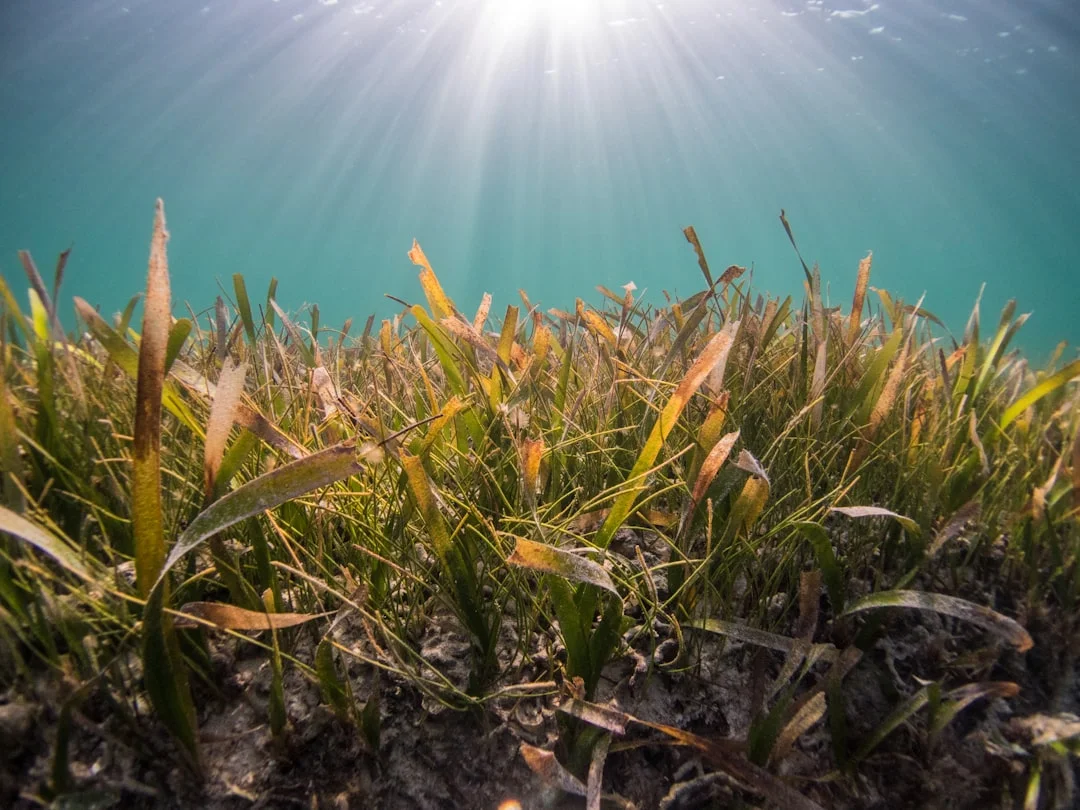
Photo by Benjamin L. Jones on Unsplash
Key program elements and initial projects
The June 2026 BC release outlines funding and program actions designed to support coastal restoration, with particular attention to projects that restore kelp forests, salt marshes, eelgrass beds, and other blue carbon–rich habitats along the coast. The release also notes collaborations with Indigenous Nations and local stewardship groups to co-manage priority sites, recognizing traditional knowledge as a core component of project design and monitoring. Within the announcement, mentions are made of specific coastal restoration activities that reflect a broader strategy to blend habitat restoration with community well-being and the coast’s developing blue economy. Observers should watch for project briefs in early 2027 that detail site-specific restoration actions, anticipated carbon benefits, and monitoring protocols. For context, Washington’s program history also informs this cross-border effort, where agencies have long pursued resilience funding and habitat restoration along the coast. (archive.news.gov.bc.ca)
Cross-border partnerships and pilot programs
Beyond the BC press materials, cross-border blue carbon initiatives in the region build on preexisting collaborations between Canadian and U.S. agencies and Indigenous organizations. Notable examples include joint planning with First Nations communities, such as Nanwakolas Council and Coastal First Nations—Great Bear Initiative, which have previously led coastal stewardship and habitat restoration efforts in BC. In Washington, state agencies have piloted blue carbon concepts through blue carbon offset discussions and coastal resilience programs that look to integrate natural habitat restoration with climate policy. While not every detail of the cross-border governance is published publicly, the signposts indicate that the 2026 announcements are designed to formalize and scale these collaborations, including monitoring frameworks and data-sharing agreements that will be crucial for credible carbon accounting and performance measurement. (archive.news.gov.bc.ca)
Timeline and milestones to watch
The BC materials indicate a multi-year path through 2029 for priority coastal marine actions, aligned with collaboration across jurisdictions and nations. Washington programs—while not identical in scope—provide a parallel timeline for restoration projects, monitoring, and potential blue carbon market development at the state level. Observers should monitor announced milestones, site-by-site restoration completion, and the integration of Indigenous leadership in decision-making as the cross-border effort progresses. The cross-border timeline will likely hinge on data showing habitat gains, carbon benefit estimates, and the demonstration of resilient coastal economies that can weather climate impacts. (archive.news.gov.bc.ca)
Section 2: Why It Matters
Climate and coastal resilience benefits
Blue carbon ecosystems—salt marshes, tidal wetlands, eelgrass meadows, and other vegetated coastal habitats—store substantial amounts of carbon in both biomass and soils. This carbon-rich capacity makes them powerful natural allies in climate mitigation and adaptation strategies. In the Pacific Northwest, research and policy discussions have highlighted the potential for coastal blue carbon to contribute to carbon accounting and climate resilience while offering co-benefits such as flood protection, shoreline stabilization, biodiversity support, and water quality improvement. The broader scientific narrative, including NOAA’s blue carbon materials, reinforces that protecting and restoring these ecosystems can yield durable climate and coastal protection benefits. As BC and Washington advance coordinated restoration efforts, the potential carbon outcomes will become a focal point for both regional planning and market discussions. (oceanservice.noaa.gov)

Photo by Matthias Heyde on Unsplash
Habitat restoration as a climate tool
Blue carbon initiatives in the region also connect to ongoing restoration efforts that address habitat loss and coastal erosion. In BC, pilot projects and strategy documents emphasize the restoration of estuaries, wetlands, and nearshore habitats as foundational to long-term climate resilience and biodiversity conservation. The K’omoks and Squamish Estuaries Blue Carbon Pilot Project in BC illustrates a practical model for mapping, land protection, and habitat restoration within a broader coastal strategy. Although these pilots are in early stages, they underscore a commitment to translating blue carbon concepts into implementable restoration plans with measurable ecological and carbon outcomes. (cec.org)
Economic and employment implications
The development of a blue carbon-focused coastal economy can support jobs in restoration, monitoring, research, and ecosystem management. BC’s coastal economy is already a sizable sector, with the government noting that the blue economy is a significant driver of employment and revenue. As restoration programs mature, researchers and practitioners anticipate increasing opportunities for Indigenous-led stewardship, scientific collaboration, and community-driven projects that blend ecological restoration with local livelihoods. The cross-border nature of the current announcements reinforces a shared economic vision for the region’s coast, potentially attracting funding and investment for scalable blue carbon projects that deliver ecological and economic dividends. (archive.news.gov.bc.ca)
Policy context and regulatory alignment
Blue carbon initiatives in the Pacific Northwest unfold within a dense policy landscape. In British Columbia, the Coastal Marine Strategy provides a framework for shared coastal governance, ecosystem protection, and climate resilience actions. Washington state policies—both historical and current—include resilience planning, shorelines management, and ongoing exploration of blue carbon markets and carbon offsets. The ongoing policy dialogue around blue carbon is also reflected in Washington’s ecosystem services and legislative work, which discuss the role of blue carbon projects within the state’s climate and economic strategy. Together, these policy threads give restoration efforts a legitimacy-based path forward, including the possibility of future crediting and market-based mechanisms that reflect observable habitat and carbon outcomes. (www2.gov.bc.ca)
Who is affected and why it matters to readers
The immediate beneficiaries include coastal communities, Indigenous nations, fishermen, boaters, and coastal businesses that depend on healthy ecosystems for livelihoods and cultural practices. Restoration projects can reduce flood risk, protect critical infrastructure, and maintain the productivity of nearshore waters for fisheries and tourism. For readers of BC Times, the cross-border blue carbon story matters because it blends climate science with regional economic realities, providing a data-driven narrative about how coastal restoration can deliver both carbon benefits and community resilience. Washington residents and policymakers have a similar stake, as the region’s coast hosts communities sensitive to sea-level rise and extreme weather while offering opportunities for nature-based infrastructure. The cross-border dimension amplifies the relevance, highlighting how shared ecosystems require shared strategies and monitoring to ensure transparency, accountability, and measurable outcomes. (rco.wa.gov)
Scientific grounding and evidence base
The broader blue carbon science supports the core logic of these initiatives: blue carbon ecosystems are among the most efficient natural systems for long-term carbon storage, with climate advantages that go beyond simple carbon counts. NOAA’s blue carbon materials describe the concept and underline the role of protection and restoration in climate mitigation. While local, site-specific carbon sequestration numbers will depend on site conditions and management choices, the policy interest and program investments across BC and WA reflect a robust, science-informed approach to aligning restoration with climate and economic goals. As data emerges from pilot projects and monitoring programs, the region will be able to refine carbon accounting methodologies and translate ecological gains into credible climate benefits. (oceanservice.noaa.gov)
Economic and social considerations
The anticipated economic ripple effects of Blue Carbon Initiatives Across BC and WA Coastal Zones include job creation in restoration projects, research collaborations between universities and government agencies, and potential opportunities in carbon markets or crediting frameworks once robust accounting methodologies are established. BC’s and Washington’s coastal economies rely on healthy habitats for fisheries, tourism, and cultural practices; restoration activities that enhance coastal resilience can help maintain these livelihoods in the face of climate threats. Moreover, the involvement of Indigenous leadership in planning and implementation—already a feature of BC’s coastal strategies—promotes community empowerment and ensures restoration aligns with local needs and Traditional Ecological Knowledge. As the programs mature, readers should watch for reporting on employment outcomes, direct community benefits, and the distribution of project funding to partner organizations. (archive.news.gov.bc.ca)
Photo by Etienne Girardet on Unsplash
Section 3: What’s Next
Milestones and next steps
Looking ahead, the cross-border blue carbon effort is framed to deliver a sequence of milestones that include site selection, restoration implementation, and monitoring milestones across BC and Washington Coastal Zones. The BC side emphasizes actions through 2029, a timeline that will guide funding allocations, project approvals, and partnership arrangements with Indigenous Nations and regional organizations. Washington’s ongoing resilience and blue carbon conversations are likely to yield pilot expansions, updated mapping and monitoring protocols, and contributions to state-level policy discussions about blue carbon credits, offsets, and incentives. The coming quarters should see detailed project proposals, site-specific restoration plans, and the publication of monitoring results that quantify ecological benefits and, where feasible, carbon outcomes. (archive.news.gov.bc.ca)
Monitoring, data sharing, and accountability
A critical next step for the initiative is the establishment of transparent monitoring frameworks that quantify habitat restoration progress and, where possible, document carbon gains. Regional data-sharing agreements, standardized metrics for habitat recovery, and independent verification processes will be essential to building trust among communities, funders, and markets. The cross-border nature of the program makes it particularly important to align data standards across BC and WA boundaries, ensuring comparability and credibility of the results. Readers should expect to see annual or biannual progress reports that summarize habitat gains, carbon estimates, monitoring methods, and any adjustments to project plans based on findings. (oceanservice.noaa.gov)
Funding and partnership evolution
The 2026 announcements position funding and partnership development as ongoing processes rather than one-off investments. As projects progress, new funding streams—whether public, philanthropic, or private—may come into play to scale successful pilots and expand restoration footprints across BC and Washington. The involvement of Indigenous nations, coastal communities, universities, and non-governmental organizations will be central to sustaining momentum, expanding pilot networks, and ensuring that restoration activities deliver co-benefits such as economic opportunities, cultural revitalization, and enhanced coastal protection. Observers should watch for announcements related to grant rounds, collaboration agreements, and any piloting of market mechanisms that could later support broader blue carbon investments. (archive.news.gov.bc.ca)
What’s Next: timelines, indicators, and guardrails In practical terms, readers should track: (1) the release of site-specific restoration briefs in late 2026 and 2027, (2) the first annual report detailing habitat gains and any early carbon benefit estimates, (3) fund allocation updates through 2029, and (4) cross-border governance milestones that demonstrate how BC and WA agencies coordinate monitoring, data sharing, and community engagement. The cross-border nature of the program makes these indicators especially important, since credible blue carbon outcomes depend on consistent methodologies, independent verification, and public accountability. While the exact numbers will emerge from fieldwork and data analysis, the policy and program design already emphasize these elements as core governance features. (archive.news.gov.bc.ca)
Closing
The Blue Carbon Initiatives Across BC and WA Coastal Zones story is unfolding at the intersection of climate science, coastal resilience, and regional economic development. As restoration projects move from pilot stages toward broader implementation, the region’s coastal communities—along with Indigenous Nations, researchers, and industry stakeholders—will be watching closely to understand how habitat restoration translates into real-world benefits: cleaner coastal waters, stronger shorelines, and measurable carbon outcomes that can support climate ambitions and sustainable growth. For readers seeking ongoing updates, officials in British Columbia and Washington have signaled a commitment to transparent reporting, stakeholder engagement, and science-based decision-making that will keep pace with the evolving blue carbon landscape.
In the months ahead, expect regular updates on project milestones, habitat restoration results, and any new collaborations that expand this cross-border effort. As BC and WA continue to align their policies and practices around blue carbon, the region could become a model for integrated coastal restoration that blends ecological integrity with economic opportunity—an approach that other coastal regions may seek to emulate as they confront rising seas, warming oceans, and the urgent need to finance resilient coastal futures. The coming year will be telling, as the first wave of cross-border restoration actions takes shape and begins to demonstrate the tangible climate and community benefits of Blue Carbon Initiatives Across BC and Washington Coastal Zones.