2026 FIFA World Cup BC Place Vancouver Match Schedule

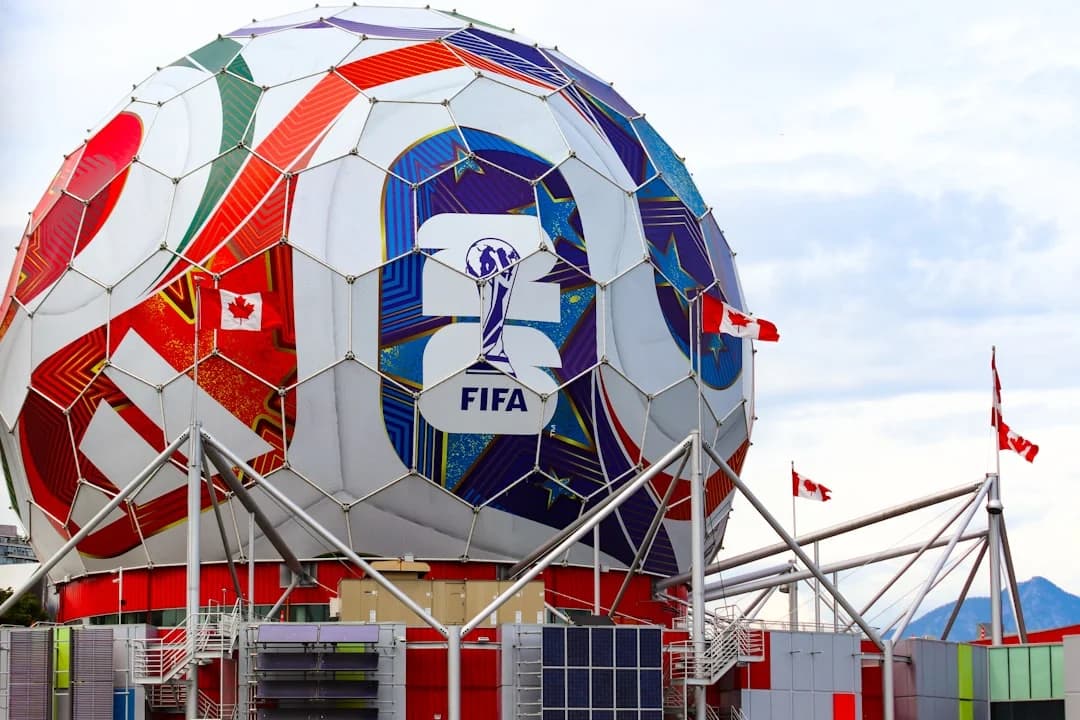
Photo by Anthony Maw on Unsplash
Vancouver is scheduled to swing into World Cup action in 2026 as BC Place hosts a pivotal set of matches. The 2026 FIFA World Cup BC Place Vancouver match schedule places BC Place at the center of Canada’s West Coast World Cup experience, with seven matches slated across the tournament, including two Canadian national team fixtures in the Group Stage. This arrangement underscores Vancouver’s role as a strategic hub for fans, sponsors, and local businesses alike, and it signals a significant, data-driven opportunity for tourism, transit, and hospitality in the region. The official scheduling details—drawn from FIFA’s host city announcements and BC Place’s venue communications—show a mix of Group Stage matchups and knockout-stage games, all planned to optimize travel and rest days for participating teams while maximizing fan engagement in Vancouver. (fifaworldcup26.suites.fifa.com)
As the tournament schedule was released, analysts noted that Vancouver’s seven-match allocation (per FIFA’s Vancouver-specific materials) places BC Place as a key West Coast venue across the World Cup’s Canada-hosted leg. The exact match list includes Canada’s Group B affairs and other high-profile showdowns, with kickoff times set to local Pacific Time to help fans plan attendance and streaming. This is more than a ceremonial role for BC Place—it’s a data-rich signal about how Vancouver’s sports, hospitality, and urban infrastructure must scale to host a world-class event. The broader World Cup 2026 schedule, accessible on FIFA’s official platforms, confirms the global scope of the tournament and the cross-border logistics that host cities like Vancouver must manage. (fifa.com)
What Happened BC Place Vancouver to host seven matches
-
Vancouver’s BC Place will be a World Cup 2026 venue with seven matches attributed to the site, including two Canadian national team group-stage fixtures. This detail is highlighted in FIFA’s official Vancouver venue materials, which frame BC Place as a central stage for the event’s West Coast footprint. The venue’s suite pages explicitly call out seven matches, including two Canadian group-stage appearances, underscoring the city’s importance to the tournament’s structure and fan engagement plan. (fifaworldcup26.suites.fifa.com)
-
The BC Place news release corroborates Vancouver’s role in the knockout phase schedule as well, listing specific fixtures that will unfold at the stadium and demonstrating how the venue integrates into the tournament’s overall bracket. This reinforces Vancouver’s dual mandate: deliver high-profile group-stage action and accommodate critical knockout-round games that drive peak attendance and broadcast reach. (bcplace.com)
Key fixtures and dates
-
Canada vs Qatar (Group B) — June 18, 2026, at 15:00 PT (3:00 PM local). This opening group-stage match marks Canada’s return to World Cup action on Canadian soil as a co-host nation. The official Vancouver venue communications and FIFA’s global schedule confirm this matchup and timing. Vancouver-specific sources show Match 27 as CAN vs QAT, scheduled for June 18 at BC Place. The pairing is a high-profile start for Canada’s World Cup campaign in Vancouver. (bcplace.com)
-
New Zealand vs Egypt (Group G) — June 21, 2026, at 18:00 PT (6:00 PM local). This Group G fixture is among the Vancouver matches and illustrates the mix of cross-continental group-stage ties hosted at BC Place. BC Place materials and FIFA’s city-wide schedule place this game in Vancouver’s lineup, contributing to the stadium’s seven-match footprint. (fifaworldcup26.suites.fifa.com)
-
Switzerland vs Canada (Group B) — June 24, 2026, at 12:00 PT (noon). A marquee Canada home fixture in the Group B slate, this match is part of the Vancouver-hosted schedule and emphasizes the rivalry and fan interest around the Canadian side’s group-stage performance. Destination BC’s schedule hub and BC Place communications align on this date and venue. (fifaworldcup26.suites.fifa.com)
-
New Zealand vs Belgium (Group G) — June 26, 2026, at 20:00 PT (8:00 PM). This late-evening kick at BC Place represents the tournament’s back-to-back-group-stage approach in Vancouver, balancing global TV windows with local turnout potential. The Vancouver venue materials list this fixture among the scheduled BC Place events. (fifaworldcup26.suites.fifa.com)
-
Round of 32 — July 2, 2026, at 20:00 PT (8:00 PM). BC Place is slated to host a Round of 32 game as part of the World Cup’s knockout stage, reflecting the venue’s evolution from group-stage theater to critical elimination competition. The schedule confirmation from BC Place and FIFA’s global bracket mapping indicate this fixture’s role for Vancouver. (fifaworldcup26.suites.fifa.com)
-
Round of 16 — July 7, 2026, at 13:00 PT (1:00 PM). The Vancouver-hosted Round of 16 match further cements BC Place as a knockout-stage site, delivering a high-stakes football moment for local fans and international viewers alike. The BC Place communications confirm this date’s inclusion in the Vancouver match slate. (fifaworldcup26.suites.fifa.com)
-
In addition to the above, Destination BC’s media materials provide a consolidated view of Vancouver’s World Cup 2026 footprint, including schedule highlights and “Know Before You Go” guidance, which complements FIFA’s official listings and helps readers understand how the Vancouver schedule fits into the broader event ecosystem. The Destination BC materials show a summarized map of group-stage matchups and the knockout fixtures staged in Vancouver, underscoring the city’s multi-date engagement. (supernaturalbc.com)
Timeline and context
- The official Vancouver-specific communications began circulating after FIFA’s final draw and schedule release, with Vancouver’s host committee and BC Place ministries confirming the venue’s seven-match allocation and the timetable’s alignment with travel and rest-day optimization for teams. The published schedule shows a clear sequence: June 18 (CAN vs QAT), June 21 (NZL vs EGY), June 24 (SUI vs CAN), June 26 (NZL vs BEL), July 2 (Round of 32), and July 7 (Round of 16). These dates anchor Vancouver’s World Cup 2026 arc and feed into local planning across stadium operations, fan services, and public transit. (bcplace.com)
Why It Matters Economic and tourism implications for Vancouver and the region
-
The Vancouver World Cup schedule at BC Place is a major economic lever for the region, expected to boost tourism, hospitality, and related sectors during the tournament window. Destination BC’s media materials frame the World Cup as a catalyst for tourism flows, with media-ready content that positions the province as a global stage for culture, sport, and visitor experiences. The document highlights fan-facing events like the FIFA Fan Festival in Vancouver, the Shipyards gathering in North Vancouver, and Granville Island viewing zones, all designed to extend the tournament’s footprint beyond the stadium and into the urban economy. While tourism and hospitality projections vary by year and event scale, the World Cup’s 104-match format across 16 host cities creates a measurable step-change in visitor spending and city branding. (supernaturalbc.com)
-
The official Vancouver-host communications emphasize the value of a proactive, data-backed approach to event planning, including transport, security, and universal access. The schedule’s design—balancing match times, rest days, and cross-border fan traffic—reflects a strategic investment in sustainable event management. This is particularly salient for a city like Vancouver, where tourism infrastructure, air connectivity, and transit capacity are central to both fan experience and local business resilience. The Vancouver schedule’s emphasis on coordinated pickup points, fan zones, and extended hospitality opportunities aligns with a broader trend in sports events prioritizing data-driven guest journeys, which can translate into measurable economic multipliers when matched with ticket sales, sponsorship, and retail activity. (bcplace.com)
-
The event’s economic ripple effects extend into media rights, sponsorship activations, and digital engagement. World Cup 2026 in North America is designed to maximize reach across diverse platforms, with Vancouver’s match slate contributing to this geographic spread. Industry observers note that host-city match allocations influence local advertising, venue technology investments, and fan-facing digital ecosystems (apps, maps, mobile tickets, cashless payments), all of which have longer-run implications for how Vancouver positions itself as a recurring destination for major sporting events. FIFA’s mass-market approach to broadcast windows and the BC Place hospitality programs (e.g., seven-match footprint, premium suites) signal a shift toward more sophisticated monetization models for host cities. (fifaworldcup26.suites.fifa.com)
Transit, fan experience, and technology implications
-
Vancouver’s match schedule at BC Place intersects with city-wide transportation planning. TransLink’s summer 2026 service changes specifically reference World Cup-related adjustments to rail and bus schedules around match days, including pre- and post-match service enhancements on SkyTrain routes that feed BC Place. This is a concrete signal of how major events shape urban mobility, and it provides readers with a lens into how technology-enabled transit management can support large crowds, reduce congestion, and improve the fan experience. For readers, this is a reminder that event timing doesn't exist in a vacuum; it interacts with real-world infrastructure that must scale to meet demand. (translink.ca)
-
The BC Place venue also showcases how technology supports premium experiences. The Seven-matches-or-better plan includes luxury suites with digital amenities and dedicated hospitality services, illustrating a broader industry trend: stadiums increasingly blend live sport with digital engagement, data-driven guest services, and premium product offerings. This aligns with how venues are monetizing spectator experiences beyond seat tickets, including hospitality packages and in-venue digital ecosystems. The official venue materials underscore this approach, highlighting the luxury suite offerings and the strategic use of BC Place as a focal point for premium fan experiences during World Cup 2026. (fifaworldcup26.suites.fifa.com)
-
Fan engagement and content strategy are also shaped by a coordinated narrative across host cities. Destination BC’s media hub emphasizes “Know Before You Go” resources and trackable match schedules to help visitors plan itineraries, road closures, and public events. This resonates with the broader industry trend of turning mega-events into multi-channel experiences, where digital and on-site touchpoints reinforce the economic potential while delivering accessibility and convenience for fans. The Destination BC materials provide a concrete example of how tourism bodies package event data for both residents and visitors. (supernaturalbc.com)
-
For local businesses, the Vancouver schedule offers a predictable, data-informed marketing window. Retailers, restaurants, and service providers can align promotions with match days, leveraging fan influx and extended viewing venues. In this sense, the World Cup’s Vancouver footprint is also a case study in market analytics: which neighborhoods benefit most from large crowds, how transit improvements translate to foot traffic, and how hospitality demand shifts across the tournament timeline. The combination of group-stage and knockout fixtures in Vancouver’s lineup provides multiple inflection points for market activity, amplifying the potential for temporary employment, sponsorship activation, and cross-promotional campaigns. (bcplace.com)
What’s Next Timeline, next steps, and what to watch
-
Ticketing and sales windows. While the complete match schedule for all 104 matches is published on FIFA.com, individual host-city ticketing windows and marketplace availability can evolve. BC Place’s communications note that the full schedule is publicly available via FIFA’s portals, with hospitality and ticket packages continuing to flow through official channels. For readers planning a Vancouver trip, staying tuned to FIFA’s official ticketing announcements and BC Place’s News & Media updates will be essential to secure seats for Canada’s Group B clashes and the knockout fixtures. (bcplace.com)
-
Upcoming match milestones. Vancouver’s World Cup calendar currently includes matches on June 18 (Canada vs Qatar), June 21 (NZ vs Egypt), June 24 (Switzerland vs Canada), June 26 (New Zealand vs Belgium), July 2 (Round of 32), and July 7 (Round of 16). The competition’s bracket structure means additional context will emerge as teams advance, with potential quarterfinal venues and cross-bracket match-ups extending beyond July 7. The BC Place communications and FIFA’s host-city materials provide the core dates, while national team performance will determine the precise knockout-stage matchups. (bcplace.com)
-
Transportation and logistics adjustments. As the tournament unfolds, Vancouver’s transit authority and city agencies will continue to publish updates on pedestrian routing, stadium access points, and service changes around BC Place. TransLink’s 2026 Summer Service Change document highlights how event days will alter pre- and post-event transport to accommodate crowds and reduce congestion. Readers should monitor these updates especially on June 18, June 21, June 24, June 26, July 2, and July 7, when match-day footfall peaks. (translink.ca)
-
Market and media opportunities. The World Cup’s Vancouver footprint, including seven matches at BC Place and the broader fan ecosystem established by Destination BC, suggests ongoing opportunities for sponsorship, hospitality packages, and media partnerships. FIFA’s official tickets, hospitality, and media strategy pages will guide organizations seeking to align with World Cup 26 branding in Vancouver. For readers in business development roles, this is a prime moment to map potential sponsorship alignments, vendor partnerships, and experiential marketing activations around match days. (bcplace.com)
-
What to watch in the longer term. The Vancouver match schedule and the World Cup’s North American footprint may influence future event-planning decisions, infrastructure investments, and sports-tourism strategies in British Columbia. Observers will be watching how Vancouver leverages these matches to build a sustainable legacy—part of a broader narrative about the enduring impact of hosting major sports events on a city’s brand, economy, and civic pride. The official Vancouver materials frame this as a multi-year opportunity, not just a two-month window, reinforcing the need for long-range planning around hospitality capacity, transit integration, and community engagement. (bcplace.com)
Closing
Vancouver’s World Cup 2026 moment is both a sports story and a data-driven urban case study. The 2026 FIFA World Cup BC Place Vancouver match schedule demonstrates how a single venue can anchor a regional tourism surge, create premium fan experiences, and test city systems—from transit to digital services—against one of the world’s largest sporting events. Viewers and readers can stay updated through FIFA’s official match schedule pages, the BC Place News & Media hub, and Destination BC’s Know Before You Go resources, which together provide a clear, canonical view of the Vancouver matches and how they interact with the region’s broader economic and cultural ecosystem. As teams converge on Vancouver for these pivotal fixtures, residents and visitors alike will experience how a world event reshapes a city’s everyday rhythm, from transit flows to bustling streets filled with fans, banners, and a shared love of the game. The bottom line for readers is straightforward: the 2026 FIFA World Cup BC Place Vancouver match schedule is a real-world signal of Vancouver’s growing role in global sport, technology-enabled fan experiences, and market-driven opportunities for years to come. (bcplace.com)