BC Heavy-Duty Hub Opens 700-bar Hydrogen Station

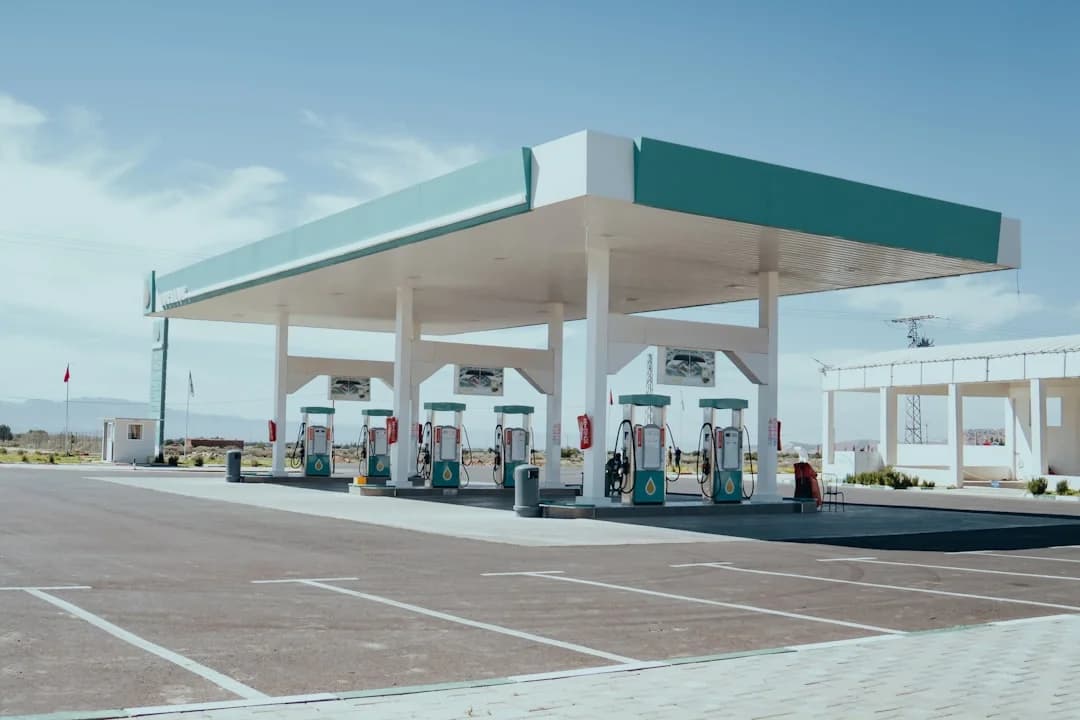
Photo by Mohamed Elwaid on Unsplash
In a milestone for Canada’s clean freight push, HTEC announced on June 18, 2026, the opening of Canada’s first 700-bar commercial heavy-duty hydrogen refueling station on Tsawwassen First Nation (TFN) lands at the Chevron Commercial Cardlock in Tsawwassen, British Columbia. The station marks a practical step toward decarbonizing challenging sectors of trucking by enabling high-pressure, fast-fill refueling for heavy-duty fuel cell electric trucks. The project sits at the intersection of public funding, Indigenous land stewardship, and industry collaboration, signaling a broader shift toward hydrogen infrastructure in Western Canada. This facility is part of a broader H2 Gateway program designed to scale hydrogen fueling across the province as fleets transition from diesel to zero-emission powertrains. (htec.ca)
HTEC described the Tsawwassen site as a concrete demonstration of hydrogen’s role in real-world freight operations, with 700-bar refueling capabilities enabling longer ranges and faster turnarounds for heavy-duty vehicles. The company notes that the station operates with dual dispensing, offering both 350 bar and 700 bar options, and has a daily capacity of roughly 400 kilograms of hydrogen to support early deployments. The launch aligns with Canada’s broader hydrogen strategy, which envisions integrated production, distribution, and end-use infrastructure to accelerate fleet adoption. (htec.ca)
Opening details confirm the scope and pace of deployment. The Tsawwassen Heavy-Duty Hydrogen Station sits on TFN lands at a Parkland Corporation cardlock site, delivering low-carbon hydrogen produced at HTEC’s Burnaby facility. The project brings together a coalition of partners, including TFN as landowner, Sunoco LP as cardlock operator, the Canada Infrastructure Bank (CIB) for financing, and federal and provincial backers through NRCan and BC’s ICE Fund under the province’s low-carbon fuel programs. What makes this notable is not just the pressure rating but the programmatic intent: a hub that couples production, distribution, and end-use refueling to validate a scalable model for heavy-duty hydrogen in a major Canadian port-adjacent region. (streetinsider.com)
Section 1: What Happened
Announcement and Location
- On June 18, 2026, HTEC unveiled Canada’s first 700-bar commercial heavy-duty clean hydrogen refueling station. The facility is located on Tsawwassen First Nation industrial lands at the Chevron Commercial Cardlock in Tsawwassen, British Columbia, a logistics-critical corridor near Delta and the Port of Vancouver. This was accompanied by public statements and media engagement from HTEC and TFN leadership, emphasizing a collaborative approach to site siting, permitting, and cultural stewardship. (htec.ca)
- The project is framed as a practical milestone within HTEC’s broader H2 Gateway program, which envisions a network of stations designed to support heavy-duty trucks, port operations, and intercity logistics along transportation corridors in British Columbia. The Tsawwassen station represents a concrete infusion of the hub concept into day-to-day fleet operations rather than a purely demonstrative project. (htec.ca)
Fleet Deployment and Use
- The Tsawwassen station is designed to support initial deployment of 12 Class 7 and 8 fuel cell electric trucks. These vehicles are funded through BC’s Hydrogen Truck Pilot Project and the BC Hydrogen Ports Project, underscoring a coordinated, multi-program approach to fleet electrification and fueling infrastructure. Operators participating in the pilot include Harbour Link Container Services and Triple Eight Transport, among others, as part of a broader strategy to integrate hydrogen into regional freight. (streetinsider.com)
Technical Details and Capacity
- The station’s key technical attribute is its 700-bar capability, enabling fast fueling and extended range for heavy-duty fuel cell trucks. The site also features dual dispensing (350 bar and 700 bar) and a stated capacity of around 400 kilograms per day. The 700-bar capability is central to reducing downtime for truck fleets and aligning hydrogen refueling with diesel-equivalent service levels. These technical specifics were highlighted by both Globe Newswire’s release and HTEC’s own materials. (streetinsider.com)
Economic and Funding Structure
- The project’s funding and partnership model includes significant public and private support. TFN’s land contributions, Sunoco LP’s cardlock operations, financing from CIB, and funding from NRCan and British Columbia through CleanBC programs and the ICE Fund are explicitly acknowledged as enablers of the Tsawwassen installation. The financing package reflects a broader government-backed push to de-risk early-stage hydrogen infrastructure and demonstrate practical applications for heavy trucking. (htec.ca)
Broader Context: Hydrogen Hub and Port Initiatives
- The Tsawwassen station is positioned as a component of a larger hydrogen hub in Metro Vancouver. HTEC’s announcement highlights a broader ecosystem, including a 1.8-tonne-per-day clean hydrogen production facility in Burnaby, a light-duty refueling network, and the new heavy-duty refueling capability in Tsawwassen. This triad—production, distribution, and dispensing—illustrates a holistic approach to hydrogen infrastructure designed to scale with demand from port operations and regional logistics networks. (htec.ca)
- The project aligns with Canada’s BCH2 Ports Project, which aims to reduce emissions in shipping and freight through hydrogen-powered equipment and refueling. BC’s government has highlighted the project as part of its strategy to decarbonize commercial transport and port operations, with the government indicating investments intended to lower emissions significantly while creating jobs and spurring innovation. For instance, BC’s news release notes potential CO2e reductions and the program’s role in advancing hydrogen in the port and trucking sectors. (news.gov.bc.ca)
Community and Cultural Elements
- The Tsawwassen site includes artwork by TFN artists, reflecting a joint approach to community engagement and cultural expression in energy infrastructure development. This element underscores the project’s commitment to respecting Indigenous stewardship and integrating local context into industrial deployment. (htec.ca)
What Happened: Key Facts at a Glance
- Location: Chevron Commercial Cardlock on TFN lands, Tsawwassen First Nation, Delta, BC. (htec.ca)
- Technology: 700-bar heavy-duty refueling with dual 350/700 bar dispensers; 400 kg per day capacity. (htec.ca)
- Fleet Plan: 12 Class 7–8 hydrogen fuel cell trucks in initial deployment under BC pilot programs. (streetinsider.com)
- Production: Hydrogen supplied from HTEC’s Burnaby production facility; integration with HTEC’s broader hub network. (htec.ca)
- Partners and Funding: Tsawwassen First Nation; Sunoco LP; Canada Infrastructure Bank; NRCan; BC ICE Fund; CleanBC programs. (htec.ca)
- Broader Context: Part of HTEC’s H2 Gateway and BCH2 Ports initiatives, signaling a scalable model for hydrogen in heavy-duty freight. (news.gov.bc.ca)
Section 2: Why It Matters
Impact on Freight Decarbonization
- The Tsawwassen installation demonstrates a practical, scalable approach to decarbonizing heavy-duty trucking, a sector historically dominated by diesel with substantial emissions. By enabling 700-bar refueling for Class 7–8 trucks, the project directly addresses fueling time and range challenges that have historically constrained hydrogen adoption in long-haul and port-related freight. The 700-bar standard is critical for achieving refueling times comparable to diesel and for enabling longer routes without frequent stops. Tech descriptions from HTEC emphasize how 700-bar capability enhances payload, efficiency, and operational viability for heavy-duty fleets. (htec.ca)
- The project’s initial fleet, supported by BC hydrogen-trial programs, provides a real-world data stream on performance, uptime, and cost implications. The initial deployment includes two Hyundai XCIENT trucks under the broader H2 Gateway fleet strategy, which offers a concrete proof point for fleet operators evaluating hydrogen as a long-term solution. This kind of live data is essential for refining fueling protocols, vehicle integration, and maintenance needs in a commercial context. (news.gov.bc.ca)
Regional Economic Impacts and Jobs
- The Tsawwassen station is more than a stand-alone facility; it’s a node in a broader economic and employment ecosystem tied to the hydrogen value chain. Partnerships with TFN, Sunoco, and CIB reflect cross-sector collaboration to create skilled jobs in design, construction, operation, and maintenance of hydrogen infrastructure. By anchoring a hub near the Port of Vancouver, the project also positions BC as a living lab for decarbonized freight, with potential ripple effects for adjacent industries and service providers. Government and partner materials frame this as part of a “clean-energy leadership” trajectory for the province. (htec.ca)
Indigenous Partnerships and Community Development
- The TFN-led site highlights Indigenous-led development as a core dimension of BC’s clean-energy expansion. TFN’s involvement—ranging from land access to cultural integration in project design—illustrates a model where resource development and community priorities align toward sustainable economic opportunity. The presence of TFN artwork on-site is more than symbolism; it signals a collaborative approach to siting and long-term stewardship that could serve as a template for future infrastructure projects in Indigenous territories. (htec.ca)
Broader Canadian Hydrogen Strategy Context
- BC’s BCH2 Ports Project and NRCan/ICE Fund support frame the Tsawwassen station as a tangible milestone in Canada’s broader effort to accelerate heavy-duty hydrogen adoption. The BC government’s 2023–2024 materials outline a plan to showcase hydrogen technology in shipping and trucking, with the Tsawwassen station serving as a high-profile demonstration within that plan. The initiative connects to a national narrative about reducing emissions in freight and port activities while expanding domestic production and supply chains for low-carbon hydrogen. (news.gov.bc.ca)
What It Means for Stakeholders
- For fleet operators, the Tsawwassen station offers a proof point for infrastructure readiness, fueling speeds, and vehicle integration in a port-adjacent network. As hydrogen refueling standards mature and stations like this prove operational viability, fleets can more reliably plan routes and schedules around hydrogen availability, reducing range anxiety and downtime. The involvement of major partners and backing from NRCan and the Province adds a signal of long-term policy support that could influence financing, depreciation, and maintenance planning for fleets considering long-term hydrogen adoption. (htec.ca)
Section 3: What’s Next
Next Steps for HTEC and BC Hydrogen Hub
- HTEC’s Tsawwassen station is described as a cornerstone within a larger plan to build out up to 20 new hydrogen refueling stations across Western Canada as part of the H2 Gateway program and its interprovincial ambitions. The HTEC roadmap emphasizes scaling hydrogen production, distribution, and dispensing to serve heavy-duty fleets, with the Tsawwassen site demonstrating the feasibility of high-pressure refueling in a real operational context. The H2 Gateway materials provide a framework for how this network could evolve, including potential expansions beyond Vancouver’s metro area to other corridors. (htec.ca)
Timeline and Milestones
- While the Tsawwassen launch represents a current milestone, observers will be watching several near-term milestones: continued fleet deployment under BC’s Hydrogen Truck Pilot and BCH2 Ports programs, expansion of the Metro Vancouver Hydrogen Transportation Hub, and further development of production capacity to feed this growing refueling network. BC Gov News materials and HTEC updates outline ongoing investments and planned pilots that will influence adoption rates, utilization, and the pace of capital expenditures. The immediate next steps include ramping up the initial truck fleet usage, collecting performance data, and expanding the network’s operational footprint in the region. (news.gov.bc.ca)
What to Watch For
- Key metrics to monitor in the months ahead include daily hydrogen throughput (target around 400 kg/day at Tsawwassen), uptime and maintenance needs for 700-bar equipment, and the real-world fueling times achieved with heavy-duty trucks at the station. Observers will also want to track cost dynamics, including hydrogen price per kilogram, total cost of ownership for the deployed trucks, and any changes to subsidies or incentives under CleanBC programs or NRCan funding streams. The broader BCH2 Ports Project’s emissions reductions—estimated in government materials as meaningful in the port and freight context—will also be a focal point as data accrues. (streetinsider.com)
What’s Next for the BC Hydrogen Ecosystem
- The Tsawwassen announcement is a signal that BC’s hydrogen ecosystem is moving from early demonstration to commercial-scale operations in at least some segments of heavy-duty trucking. If the initial 12 trucks prove reliable and cost-effective, other fleets in the region—particularly those with drayage and port-related duties—may pursue similar refueling arrangements, potentially triggering a cascade of additional HRS deployments along critical freight corridors. The collaboration across government, Indigenous communities, and private sector partners will be a critical factor in how rapidly and cost-effectively future expansions proceed. (htec.ca)
Closing
As BC and Canada push toward cleaner freight solutions, the Tsawwassen 700-bar heavy-duty hydrogen refueling station stands as a practical, data-driven milestone. The near-term focus will be on learning from the initial fleet deployment, validating operating economics, and integrating hydrogen production with distribution and fueling. The station’s location near major freight arteries, its Indigenous-led siting, and its partnerships with government and industry collectively illustrate a collaborative model for decarbonizing heavy transport at scale. Readers should monitor official updates from HTEC, BC’s Energy and Climate Solutions ministry, and BCH2 Ports communications for ongoing performance data, fleet expansion plans, and the broader trajectory of Canada’s hydrogen economy.
If you’re tracking this story, keep an eye on the monthly performance reports from HTEC and the BC government’s hydrogen port initiatives, which will shed light on how the Tsawwassen model translates into broader market adoption, improved logistics efficiency, and measurable emissions reductions. The lessons learned here could inform similar deployments along other corridors in British Columbia and across Canada, shaping the pace and structure of future hydrogen fueling networks for heavy-duty fleets.