BC and Pacific Northwest environmental policy 2026: Trends

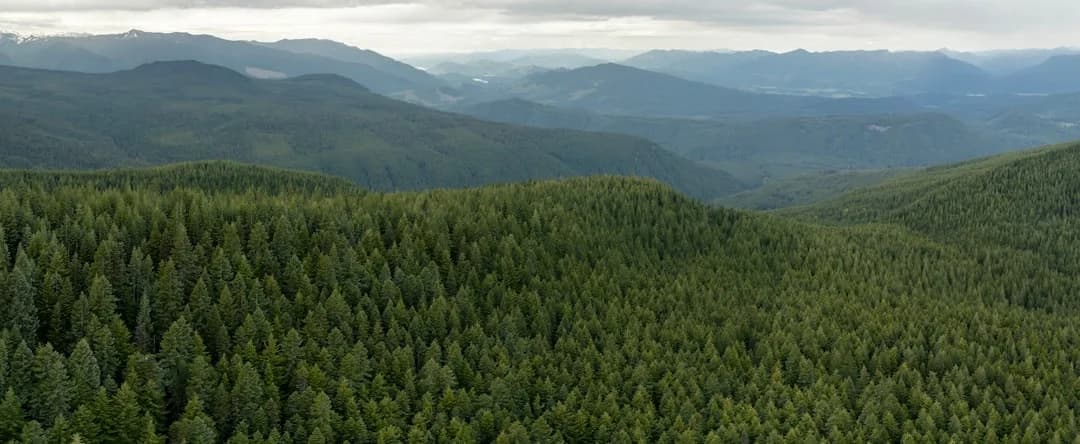
Photo by Jacob Burghart on Unsplash
The BC and Pacific Northwest environmental policy 2026 landscape is shaping technology investments, regulatory pathways, and market opportunities across British Columbia and the broader Pacific Northwest. BC’s government has been rolling forward updates to its CleanBC program, with targeted reviews and new accountability measures intended to modernize how the province lowers emissions while sustaining growth. At the same time, Washington and Oregon agencies are advancing climate protections and resilience programs that dovetail with cross-border trade, energy, and infrastructure planning. This convergence matters for businesses, communities, and researchers who track how policy choices translate into real-world emissions reductions, job creation, and investment signals.
In 2026, observers and stakeholders will be watching several interconnected developments: BC’s ongoing CleanBC Roadmap updates and the first annual review of the province’s Output-Based Pricing System; Oregon and Washington pressing forward with climate protection programs, sectoral decarbonization targets, and cross-border coordination on energy and industrial policy; and regional entities like the Puget Sound Partnership refining actionable plans to restore ecosystems while supporting climate resilience and environmental justice. Taken together, these moves define a regional policy trajectory that blends regulatory certainty with market-driven incentives, creating a framework under which technology adoption—ranging from energy efficiency to low-carbon fuels—will accelerate in 2026 and beyond. This article provides a data-driven, neutral analysis of what’s happening, why it matters, and what to watch next in the BC and Pacific Northwest environmental policy 2026 context. (cleanbc.gov.bc.ca)
What Happened
BC’s CleanBC initiatives advance with 2026 progress and policy reviews
British Columbia’s CleanBC program remains the centerpiece of the province’s decarbonization strategy, with 2026 updates emphasizing affordability, implementation, and accountability for emissions reductions. The province’s CleanBC Roadmap to 2030 continues to guide sectoral actions—from buildings and transportation to industry and fuel standards—while deploying programs aimed at reducing energy use and enabling cleaner fuels. In early 2026, BC officials highlighted ongoing investments in energy efficiency programs by utilities, expanded low-carbon fuel standards, and a framework designed to keep emissions on a downward trajectory as the economy grows. Notably, BC’s CleanBC programs converge with a broader climate accountability framework that outlines targets, strategies, and annual reporting. The government notes that local governments remain signatories to the Climate Action Charter and are expected to integrate emissions reduction with climate adaptation planning. The policy architecture also includes a formal review process for CleanBC policies and programs, signaling an opportunity for stakeholder input and iterative improvement in 2026. (cleanbc.gov.bc.ca)
OBPS 2026: First annual review signals a regulatory pivot for industry
A major 2026 milestone in BC policy is the first annual review of the province’s Output-Based Pricing System (OBPS). The OBPS replaced the prior industrial incentive program in 2024 and targets large emitters, creating a performance-based emissions limit or a charge for excess emissions. The 2026 review is framed as a key step in confirming that the policy continues to incentivize emissions reductions while preserving industrial competitiveness. For reporters and analysts, this annual review offers a critical data point: the alignment (or misalignment) between policy ambitions and actual industrial performance, as well as potential adjustments to thresholds, reporting, and enforcement. In 2026, the OBPS review is expected to inform subsequent iterations of BC’s climate policy and industrial decarbonization strategies. (www2.gov.bc.ca)
CleanBC and energy efficiency: progress in 2026 and long-range targets
BC’s energy and climate strategy links demand-side measures with broader decarbonization goals. The province emphasizes “efficiency first” as a core principle, with programs from BC Hydro and FortisBC targeting significant energy savings, reduced greenhouse gas emissions, and cost savings for households and businesses. The 2024-2026 trajectory includes low-carbon fuels and clean energy projects, with aims to expand renewable fuel production, accelerate sustainable aviation fuel adoption, and broaden the reach of circular economy practices. In 2026, BC continues to push for measurable progress against emissions targets set for 2030 and beyond, while maintaining affordability and competitiveness. The CleanBC framework also underscores the role of regulations such as the Low Carbon Fuel Standard in driving fuel mix changes, with industry investments and projects continuing to flow into the economy. (www2.gov.bc.ca)
Cross-border policy signals: Washington, Oregon, and Puget Sound planning in 2026
Across the Pacific Northwest, state-level policy work in Oregon and Washington complements BC’s provincial efforts and reinforces regional decarbonization. Washington’s Puget Sound Partnership (PSP) has begun a 2026-2030 Action Agenda update to strengthen implementation, accountability, and equity in recovery and resilience efforts. The update emphasizes climate change adaptation, environmental justice, and Tribal sovereignty, while aligning restoration activities with long-term wellbeing and policy goals. In parallel, Oregon’s Climate Action Commission and the Oregon Department of Energy maintain a calendar of meetings and public engagement as they advance climate protection programs and decarbonization targets toward mid-century goals. These developments illustrate a coordinated regional approach to climate action, with each jurisdiction testing and refining policies that affect cross-border trade, energy markets, and industrial operations. (psp.wa.gov)
2025-2026 background: key policy milestones shaping 2026
Several 2025-2026 milestones provide essential context for the 2026 policy environment. In BC, engagement on CleanBC policy review was extended in mid-2025 to gather input from local governments and stakeholders, with a timeline for draft recommendations anticipated in late 2025 and a final report released in late 2025 or 2026. The engagement process aimed to sharpen policy design, improve program effectiveness, and maintain affordability. In Oregon, the Climate Action Commission and the Department of Environmental Quality have published and updated programs that set enforceable emissions caps and track progress toward mid-century goals. In Washington, the Puget Sound Partnership continues to refine its Action Agenda, incorporating new indicators and community engagement to measure the effectiveness of restoration and climate resilience efforts. These background moves create a 2026 policy environment that combines accountability with opportunities for industry participation and innovation. (ubcm.ca)
What the numbers say: early 2026 benchmarks and indicators
BC’s public-facing climate materials in early 2026 emphasize tangible benchmarks: anticipated energy efficiency savings totaling hundreds of gigawatt-hours per year, projected reductions in industrial emissions through OBPS, and progress toward CleanBC targets (with some sectors already showing measurable reductions). On the energy and fuels side, BC’s LCFS programs are positioned to support the production and use of renewable fuels, with statutory and regulatory momentum carrying into 2026. Washington and Oregon offer parallel data streams: PSP’s indicators for habitat restoration and climate resilience; Oregon’s emissions caps and reporting frameworks; and WA’s wildlife and habitat planning that informs broader ecosystem-based policy. Taken together, the data points from BC, WA, and OR illustrate a regional policy regime with increasing granularity, regular reporting, and explicit accountability metrics. (www2.gov.bc.ca)
Why It Matters
Economic implications for business, industry, and energy markets

Photo by Joris Beugels on Unsplash
The BC and Pacific Northwest environmental policy 2026 mix matters for business decisions in multiple ways. First, the OBPS first annual review in BC signals a potential adjustment cadence for heavy industry, including allowances, benchmarks, and price signals that influence capital expenditures, technology adoption, and project pipelines. If BC adjusts thresholds or compliance costs, energy-intensive industries may ramp up investments in energy efficiency upgrades, carbon capture and sequestration (CCS) pilots, or cleaner feedstocks. Simultaneously, BC’s LCFS and renewable fuel initiatives create a market for alternative fuels, investment in supply chains, and opportunities for transportation and logistics firms to reduce emissions while maintaining service levels. The 2026 state of play in these policy levers shapes decisions on equipment, process changes, and supplier choices for regional manufacturers, fleets, and energy users. (www2.gov.bc.ca)
Second, cross-border alignment in the Pacific Northwest matters for trade and investment. As Oregon and Washington pursue carbon reductions in transportation, industry, and energy, their policies can influence cross-border supply chains and the cost of goods moving between BC and points south and east. The PSP update and Oregon’s Climate Action Commission activities indicate that regional governments are coordinating on resilience, environmental justice, and equitable transitions—factors that can affect investment risk, permitting timelines, and access to incentive programs. Companies operating in or trading with BC and the Pacific Northwest should monitor these policy developments to align capital planning with anticipated regulatory and market changes. (psp.wa.gov)
Third, the policy landscape informs job creation and industry competitiveness. CleanBC and its 2030 targets drive demand for clean energy technologies, building retrofits, and low-carbon fuels, potentially boosting demand for engineering, construction, and manufacturing skills across the region. At the same time, critics and business groups have raised concerns about the economic impacts of aggressive decarbonization timelines; the 2026 OBPS review and related docket items are precisely the kind of mechanisms policymakers use to address those concerns with data-driven adjustments. The BC Climate Action accountability framework and related analyses highlight both progress and trade-offs, offering a data-informed basis for ongoing policy refinement. (www2.gov.bc.ca)
Environmental and public health outcomes
From a broader environmental perspective, the 2026 policy push in BC and the Pacific Northwest focuses on reducing greenhouse gas emissions, improving energy efficiency, and expanding the use of low-carbon fuels and clean energy. These shifts are expected to contribute to improved air and water quality, lower climate risk for communities, and more resilient municipal infrastructure. BC’s emphasis on circular economy and waste reduction complements its energy and climate policies by reducing emissions across the entire lifecycle of materials. In Oregon and Washington, climate action programs and habitat restoration initiatives aim to address the ecological and health impacts of climate change while supporting vulnerable communities through targeted investments and inclusive engagement. The policy mix reflects a holistic approach to environmental protection that connects climate action with public health, economic vitality, and social equity. (cleanbc.gov.bc.ca)
Regional coordination and policy risk management
Policy risk in the BC and Pacific Northwest environmental policy 2026 environment includes the need to match ambitious targets with credible implementation plans, timely funding, and transparent reporting. BC’s 2026 review cycle for OBPS is an explicit mechanism to manage policy risk by assessing effectiveness and adjusting as needed. In Washington and Oregon, climate programs and the PSP’s 2026-2030 update emphasize governance, accountability, and collaboration with Tribes and underserved communities, which helps manage implementation risk in a multi-stakeholder regional setting. For businesses, this means a more predictable policy environment in which incentives, compliance requirements, and funding opportunities are regularly revisited and clarified. (www2.gov.bc.ca)
What’s Next
Next policy milestones to watch in BC
In BC, several near-term milestones will shape the trajectory of the BC and Pacific Northwest environmental policy 2026 landscape. The OBPS annual review is a central event to watch in 2026, with the potential to influence future emissions benchmarks and compliance costs for large emitters. Following the review, BC policymakers are expected to release, or update, the next stage of the CleanBC Roadmap to 2030, incorporating feedback from extended stakeholder engagement that occurred in 2025. The integration of circular economy objectives, waste reduction targets, and low-carbon fuels into the ongoing policy mix will also be refined, potentially affecting the timing and scale of capital investments in energy efficiency, fuel switching, and industrial decarbonization projects. Observers should monitor the government’s climate action reporting and annual progress updates, which will provide a clearer sense of whether 2026 outputs align with 2030 and 2040 targets. (www2.gov.bc.ca)
Oregon and Washington policy milestones to follow
Across the border, Oregon’s Climate Action Commission and Washington’s Puget Sound Partnership are both moving toward more concrete implementation milestones in 2026-2027. The Oregon Climate Action Commission’s meeting calendar, including virtual meetings in early 2026, signals ongoing public engagement and policy refinement as the state implements its Climate Protection Program and other decarbonization measures. The Oregon Department of Energy and the Climate Action Commission are likely to publish updates on emission reduction projects, sector-specific targets, and investment priorities that affect industry, transportation, and energy systems. In Washington, PSP’s 2026-2030 Action Agenda update will continue to evolve, with new indicators, targets, and equity considerations guiding restoration and climate resilience work. Expect further announcements on funding, project pipelines, and cross-agency coordination to ensure accountability and measurable progress. (climate.oregon.gov)
Cross-border collaboration and regional outlook
A key theme for the BC and Pacific Northwest environmental policy 2026 is cross-border collaboration. Although each jurisdiction manages its own policy instruments, the alignment of decarbonization timelines, energy transition strategies, and habitat restoration priorities creates opportunities for coordinated investments, shared data, and harmonized reporting frameworks. Businesses should anticipate continued cross-border dialogues on energy efficiency, grid modernization, transportation electrification, and low-carbon fuel infrastructure. The region’s policy narrative in 2026 will likely emphasize practical collaboration—such as sharing best practices on clean energy incentives, coordinating with tribal nations on shared waters and fisheries, and synchronizing reporting cycles to simplify compliance for multinational operations. (cleanbc.gov.bc.ca)
What to watch for in 2026-2027: case studies and impact assessments
As policy evolves, several concrete outcomes will be instrumental in judging the effectiveness of BC and Pacific Northwest environmental policy 2026. Potential case studies include:
- An evaluation of the OBPS in BC: how pricing, compliance costs, and credit markets influence industrial investment, technology adoption, and emissions intensity.
- Transportation sector shifts in BC, Oregon, and Washington: the pace of electrification, hydrogen uptake where applicable, and the role of LCFS-like mechanisms in accelerating low-carbon fuels.
- Urban and rural resilience investments: how local governments pair climate action with infrastructure upgrades, building retrofits, and waste-to-resource initiatives to reduce emissions and vulnerability to climate impacts.
- Ecosystem restoration and habitat protection: PSP and NW Power Council programs, including fish and wildlife initiatives in the Columbia Basin and Puget Sound, and their relationship to climate resilience and community wellbeing. These narratives will rely on ongoing data collection, reporting, and public engagement—and will be central to evaluating whether the 2026 policy agenda delivers the anticipated environmental and economic benefits. (nwcouncil.org)
What’s Next: Timeline and Next Steps
Short-term milestones (within 12 months)

Photo by Shehraj Thiara on Unsplash
- BC: Release of the first post-review updates to CleanBC and completion of the OBPS first annual review, with summaries published and input incorporated into policy adjustments. Expect detailed reporting on emissions, industry performance, and potential policy refinements as part of the climate action accountability framework. (www2.gov.bc.ca)
- Oregon: Oregon Climate Action Commission meetings and public comment periods as the state advances its Climate Protection Program and related decarbonization projects. Public engagement and draft guidance will likely appear in early 2026, followed by formal adoption later in the year. (climate.oregon.gov)
- Washington: PSP moves forward with the 2026-2030 Action Agenda update, including new indicators, targets, and equity considerations, with adoption anticipated in 2026. This will guide regional resilience and habitat restoration investments through 2030. (psp.wa.gov)
Medium-term milestones (1–2 years)
- Cross-border policy alignment: Businesses and policymakers should expect increased coordination on energy efficiency standards, low-carbon fuels infrastructure, and data sharing to facilitate smoother cross-border compliance and investment planning.
- Sector-specific decarbonization milestones: Transportation electrification ramp-ups, industrial efficiency programs, and fuel-switching initiatives across BC, WA, and OR will create demand for specific technologies, services, and capital equipment.
- Public reporting and accountability: Annual climate progress reporting is likely to expand in scope and granularity, offering more granular data on sector performance and enabling stakeholders to benchmark performance across jurisdictions. (www2.gov.bc.ca)
Long-term outlook (2+ years)
- The regional policy architecture is expected to become more mature and predictable, with clearer cost-benefit signals for private investment in clean energy, decarbonization technologies, and climate resilience projects. The combination of BC’s CleanBC framework, OBPS mechanics, and Pacific Northwest climate programs will continue to shape corporate strategy, investment decisions, and innovation ecosystems across the region. The ongoing engagement processes and public input cycles will help ensure that policy design remains adaptive to new data and evolving climate risks. (cleanbc.gov.bc.ca)
Closing
The BC and Pacific Northwest environmental policy 2026 landscape is unfolding as a coordinated yet distinct set of initiatives across neighboring jurisdictions. BC’s CleanBC strategy, including the OBPS and Roadmap to 2030, sets a strong baseline for industrial decarbonization and energy efficiency, while Washington and Oregon advance climate protections, restoration programs, and resilience planning that intersect with regional trade and infrastructure. For readers of BC Times, the significance lies in how these policies translate into measurable actions—from cleaner fuels and smarter energy use to habitat restoration and equitable climate resilience. As 2026 progresses, the region’s policy narrative will be defined by data-driven updates, transparent reporting, and informed collaboration among governments, industry, and communities. Stay tuned for forthcoming progress reports, public consultations, and milestone announcements as the BC and Pacific Northwest environmental policy 2026 story continues to evolve. (cleanbc.gov.bc.ca)
Readers looking to stay updated can monitor official portals such as the BC CleanBC site for program updates and the Climate Action and Accountability pages for progress on targets, as well as state-level dashboards and newsrooms from Oregon and Washington for the latest policy actions, meetings, and implementation milestones. The evolving cross-border policy dialogue will also be reflected in regional planning documents from the Puget Sound Partnership and the Northwest Power and Conservation Council, which publish schedules, draft plans, and public hearing timelines that shape 2026–2027 policy decisions. (cleanbc.gov.bc.ca)