BC Conservative Leadership Race 2026 Heats up

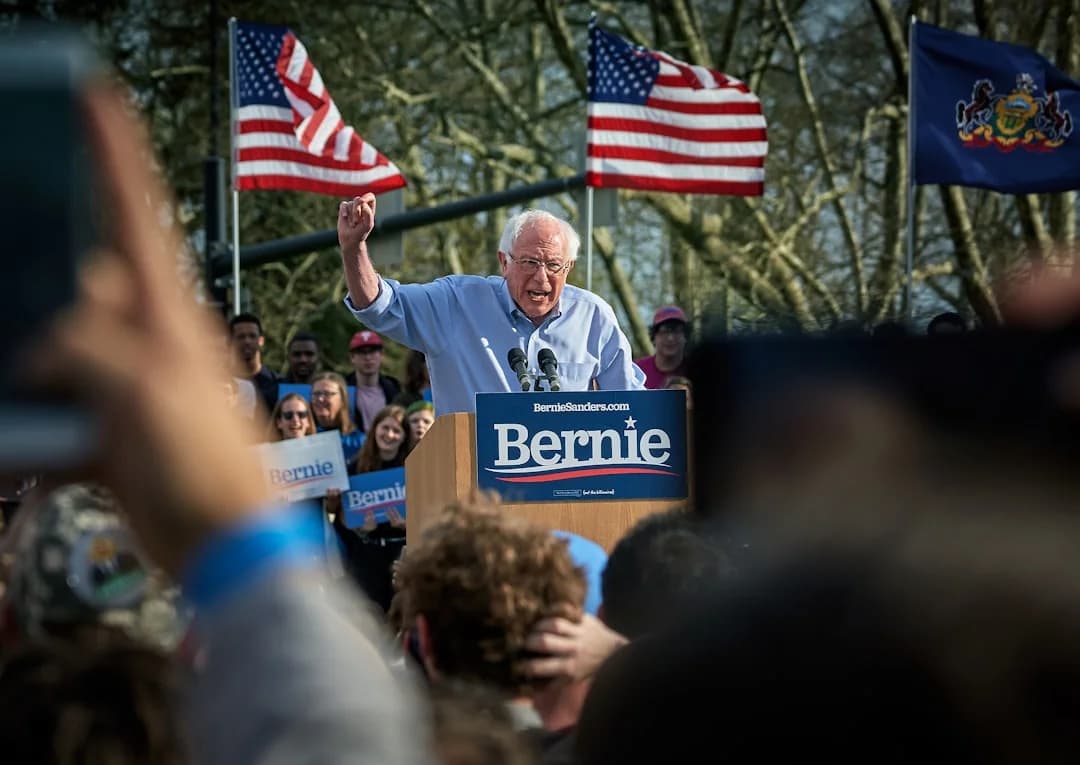
Photo by Vidar Nordli-Mathisen on Unsplash
British Columbia is in the middle of a high-stakes leadership race that could reshape the province’s political and economic landscape. The BC Conservative leadership race 2026 entered a decisive phase this spring as the party outlined a rigorous process to select a permanent leader by the end of May. The Conservative Party of British Columbia (CPC-BC) has framed the contest as a pathway to a clearer, more ambitious economic agenda for the province, with a formal announcement date set for May 30, 2026, at a convention in Vancouver. This development comes amid a broader provincial political environment where voters are closely watching how a new leader would balance business confidence, public services, and regulatory policy. The party’s organizers emphasize a data-driven, rule-based process intended to improve legitimacy and voter participation, a shift that could influence how party politics intersect with technology and market policy in British Columbia. (conservativebc.ca)
As the race unfolded, the field evolved from a broad slate to a more focused lineup. On February 28, 2026, the Conservative Party of BC’s Leadership Election Organizing Committee (LEOC) announced that nine contestants had been approved to proceed in the competition. The list included established figures from business and public service, signaling a mix of governance experience and policy specialization. The move underscored the party’s aim to present a credible, market-minded alternative to the governing NDP, with candidates positioning themselves around competitive taxation, investment, and job creation—issues that resonate with BC’s technology sector and broader economy. The official roster of nine contenders was released after a thorough vetting process that reflected the party’s emphasis on eligibility and compliance with leadership rules. (conservativebc.ca)
The practical mechanics of the race—how members participate—have become a core part of the story. The leadership framework required eligible party members to verify their identity online before receiving voting credentials. The timeline specifies that identity verification begins with an email to eligible members on April 27, 2026, and that verification must be completed by May 20 at 11:59 pm PT. After verification, voting credentials are distributed electronically, and members can cast ballots between May 23 and May 29 using the party’s secure Simply Voting system. The results are slated to be announced on May 30, 2026, at the Leadership Convention in Vancouver. These steps reflect a deliberate shift toward digital security and privacy in political processes, with a clear deadline-driven cadence aimed at preserving integrity and participation. (conservativebc.ca)
The campaign landscape has already shown signs of volatility and strategic recalibration. In early May, BC media covered a final debate among the remaining candidates as the race moved toward its conclusion. The Vancouver-based coverage noted that the five candidates participating in the May 9 debate represented a snapshot of the race as ballots began to circulate to more than 42,000 party members. The debate underscored the competition’s emphasis on economic policy, energy, and regulatory reform, while also highlighting areas of divergence among the contenders. As of May 9, the race featured five candidates on stage, reflecting real-time shifts in support and the impact of ongoing vetting and endorsements. The shift from nine in February to five in May illustrates both the competitive dynamics and the discipline of the party’s rules-based process. (vancouver.citynews.ca)
In the weeks leading up to the May 30 convention, the race has also generated broader coverage about policy directions, endorsements, and public opinion. Media outlets and industry observers have tracked endorsements from sitting BC Conservative MLAs and strategists, signaling how internal calculations about coalition potential and public appeal are shaping candidate positioning. Polling data published in early May showed a fluid race with multiple frontrunners and notable regional variations, underscoring the challenge of translating primary support into a province-wide leadership victory. For readers seeking a quick barometer, a May 1–2, 2026 survey reported that the leading candidates stored varying levels of first-choice support among party members, highlighting the competitiveness of the field as the election window approached. (finetimes.ca)
Section 1: What Happened
Contestant lineup and vetting timeline
-
Nine contestants were approved to seek Conservative leadership on February 28, 2026: Bruce Banman, Harman Bhangu, Iain Black, Caroline Elliott, Kerry-Lynne Findlay, Yuri Fulmer, Warren Hamm, Darrell Jones, and Peter Milobar. This list reflects a wide range of backgrounds, from former cabinet experience to business leadership, and it marked the transition from preliminary candidacies to a formal, race-ready field. (conservativebc.ca)
-
The party’s leadership rules and procedures were publicly released in January 2026, with explicit timelines that framed the entire race, including the nomination period, the verification process, and the online ballot window. The LEOC’s announcements established the May 30, 2026 victory date and outlined the mechanics designed to ensure a fair and transparent process. (conservativebc.ca)
Ballot process and timeline
-
Identity verification is a mandatory step for all eligible members who wish to vote. The official leadership page details an online verification system (Persona) and notes that verification must be completed by May 20, with voting credentials delivered electronically starting after May 9. A deadline of May 20 ensures that the voting process can run smoothly while maintaining data security and privacy. (conservativebc.ca)
-
The actual voting window runs from May 23 to May 29, with online ballots cast through Simply Voting. The precise timing — including start and end times — is posted on the leadership page, along with reminders that results will be announced at the Leadership Convention on May 30. This sequencing highlights a compact but high-stakes voting period designed to produce a timely, legitimate outcome. (conservativebc.ca)
-
The party’s published schedule also confirms the convention date and location for the leadership announcement, situating the event in Vancouver on May 30, 2026, a milestone that will close the campaign with a public leadership reveal. The official site consistently emphasizes the May 30 convention as the culmination of the race. (conservativebc.ca)
Public events and milestones
-
The lead-up to ballots going out featured several public events, including debates and media appearances, which provided voters with the opportunity to compare policy proposals and leadership temperaments. The final debate on May 9, 2026, was reported as the last major on-the-record forum for the candidates before the voting window opened. The event featured five contenders and covered topics ranging from tax policy to regulatory reform and coalitions, illustrating the race’s policy emphasis and the importance of public engagement in a leadership contest. (vancouver.citynews.ca)
-
Leadership Election Night, scheduled for May 30, 2026, is organized as a formal ceremony to announce the winner and celebrate the party’s next chapter. The event reflects a core aspect of the race’s narrative: a transition from a prolonged vetting and debate phase to a single, definitive outcome. The party’s events page confirms the date and the public-facing nature of the night, including registration requirements for attendance. (conservativebc.ca)
-
The broader candidate pool’s trajectory from nine to five by spring illustrates a dynamic process in which some contenders exit or pause their campaigns, while others consolidate support. Reports from March 16 and late April indicated the field’s evolution, with several candidates continuing to pursue endorsement and electoral viability as the May 30 deadline approached. This shifting landscape is consistent with the party’s emphasis on a disciplined, rules-based process that values measurable milestones. (cfjctoday.com)
Section 2: Why It Matters
Implications for BC economics and policy direction

-
The BC Conservative leadership race 2026 is not just an intra-party contest; it signals potential shifts in provincial policy priorities, especially around taxation, investment, and business regulation. One candidate, Iain Black, has publicly pitched a substantial provincial income tax reduction as a core policy element, signaling a strategy to boost private investment and job creation. This proposal, if adopted by a party platform, could have meaningful implications for BC’s fiscal framework and private-sector competitiveness. The reporting on tax-cut proposals reflects the race’s economic orientation and the public appetite for policy ideas aimed at accelerating growth in technology and other high-growth sectors. (dailyhive.com)
-
The field’s policy terrain also intersects with ongoing debates about regulatory reform, permitting, and investments in technology-enabled industries. Coverage of the leadership race has highlighted a preference among some candidates for streamlined processes that attract private capital and reduce regulatory friction, a theme of particular relevance to BC’s tech and digital economy ecosystems. While specific policy packages vary by candidate, the overarching emphasis on growth-friendly policies is evident in campaign statements and media analyses. (thetyee.ca)
-
External polling and expert commentary during the runoff phase illustrate how market-oriented leadership competition can influence business confidence and investment sentiment. A March–May wave of coverage noted the race’s unpredictability and the potential for a decisive leadership outcome to shape BC’s policy climate ahead of the next election cycle. Analysts have flagged that the race’s direction could affect investor perceptions of BC’s regulatory environment, energy policy, and private-sector incentives. While polls vary, the overall takeaway is that the leadership race has become a focal point for discussions about BC’s economic strategy in a period of provincial fiscal pressures. (researchco.ca)
Technology and market trends in the BC Conservatives’ leadership context
-
BC’s technology sector is acutely tuned to provincial policy signals on investment, permits, and tax competitiveness. Reports and campaign materials suggest that candidates are positioning themselves to attract capital, talent, and entrepreneurship by offering a more predictable regulatory environment and favorable tax terms. For example, media coverage of the race has highlighted proposals around tax incentives and faster permitting as means to spur technology-driven growth, which would be a material shift in BC’s market dynamics if translated into policy. This emphasis aligns with broader industry discussions about BC’s competitiveness in attracting technology investment and talent. (dailyhive.com)
-
Industry observers have connected the BC Conservative leadership race 2026 to broader debates about DRIPA (Declaration on the Rights of Indigenous Peoples Act) and related policy arcs. Candidate positions on Indigenous policy, education, and economic development—along with potential reforms in those areas—have been points of discussion in debates and interviews. While the race centers on party leadership, the implications for technology and innovation ecosystems hinge on policy choices that affect investment, regulatory clarity, and the business environment. The Tyee’s coverage, among others, underscores how policy proposals and the tone of leadership contenders shape public perception of BC’s innovation climate. (thetyee.ca)
Public opinion and the dynamics of support
- Public sentiment around the leadership race has shown a spectrum of preferences across candidates. A May 4, 2026 poll summarized by data-analytic outlets placed Elliott in a lead position on first-choice support among party members, with Findlay, Black, Milobar, and Fulmer close behind in varying orders. Polls in leadership races can shift quickly, but these early readings signal a tightly contested contest where regional loyalties and prior public profiles will matter. Polling in leadership campaigns—especially in a party with a broad cross-section of business-oriented voters—often interacts with messaging on tax policy, investment climate, and innovation strategy. (pallas-data.ca)
Endorsements and candidate dynamics
- Endorsements from within the party’s legislative caucus have played a notable role in shaping momentum for candidates. Milobar, in particular, attracted attention for caucus endorsements as the leadership race progressed, indicating that legislative support can be a meaningful signal to party members and voters about governing readiness. These dynamics—endorsement timing, regional appeal, and declared policy priorities—are critical in a race where several contenders contend for a shared ideological space on tax competitiveness and economic policy. (finetimes.ca)
Broader political context
- The BC Conservative leadership race 2026 unfolds within a broader provincial political landscape, where the NDP governs with ongoing challenges regarding housing affordability, healthcare delivery, and economic transformation. The leadership race is being watched not only by party members but also by business groups and policy researchers who are assessing whether the BC Conservatives can translate their platform into governing competitiveness. The official party materials underscore a commitment to a data-driven, rules-based process that seeks to deliver both credible governance and measurable policy outcomes. This context matters for technology firms and market participants who track provincial policy signals that influence investment decisions and regulatory expectations. (conservativebc.ca)
Section 3: What’s Next
Timeline, next steps, and what to watch for
-
Identity verification and voting credentials: Eligible party members must complete identity verification by May 20, 11:59 pm PT, after which voting credentials will be distributed electronically. This step is crucial to minimize friction in the voting process and ensure only verified members cast ballots. The process is designed to preserve security and privacy while enabling broad participation. (conservativebc.ca)
-
Voting window: Ballots will be cast online from May 23 to May 29, with results announced at the Leadership Convention on May 30, 2026, in Vancouver. The compact window puts pressure on both campaigns and voters to maintain engagement across the final days of the race. Observers will be watching for any last-minute developments, endorsements, or shifts in support that could influence turnout and the eventual result. (conservativebc.ca)
-
Leadership convention and outcome: The May 30 convention in Vancouver will determine the party’s next leader, a milestone that will likely prompt immediate policy positioning and strategy planning by the winning candidate’s camp. The convention will also function as a moment of consolidation for the party as it seeks to translate a leadership mandate into a governing platform ahead of future elections. The party’s communications materials place the convention at the center of the race’s climax, underscoring the importance of the final decision. (conservativebc.ca)
What readers should watch for in the coming weeks
-
The winner’s policy frame: Observers should monitor which policy direction the winner emphasizes, particularly around taxation, investment incentives, and regulatory reform. The race’s coverage to date indicates a market-oriented emphasis, but the precise policy mix will be critical in shaping BC’s business climate and technology sector growth trajectory. Media analyses, campaign materials, and endorsements will offer the best signals about the likely policy direction. (dailyhive.com)
-
The tech economy signal: Given BC’s technology sector’s sensitivity to regulatory clarity and tax policy, the chosen leader’s stance on business environment reforms could quickly translate into investor sentiment and tech ecosystem dynamics. Analysts and industry groups will be watching for concrete commitments—such as tax reform, permitting reforms, and targeted investment incentives—that could boost BC’s competitiveness in technology and digital economy segments. (dailyhive.com)
-
Post-race governance readiness: The transition from leadership to governance requires a credible plan for transition and policy implementation. The winner will need not only a compelling platform but also a practical roadmap for how to implement reforms within the province’s fiscal framework. Observers will evaluate early signals from the new leader’s team about priorities, cabinet choices, and administrative strategies, all of which will influence early governance performance and market expectations. (conservativebc.ca)
Closing
As the BC Conservative leadership race 2026 moves toward its May 30 culmination, readers across the province should expect a tightly engineered process that blends candidate policy proposals with a rules-based, verifiable voting mechanism. The nine-contestant field narrowed through vetting and endorsements, the identity-verification steps have set a disciplined path to participation, and a May 23–29 online voting window is shaping a high-stakes, time-pressured environment. The eventual leader will inherit a province at a critical juncture for economic growth, technology investment, and regulatory clarity—an assignment that will demand both political sophistication and a practical, market-oriented governance plan. For those tracking BC’s technology and market trends, the outcome of the BC Conservative leadership race 2026 will be a key signal about the province’s future business climate, investment opportunities, and innovation trajectory. Stay tuned to BC Times for ongoing coverage, including post-convention analyses, policy dives, and expert commentary as the new leadership team begins to steer the province forward.