BC Green Hydrogen 2026 Trends: Markets and Tech

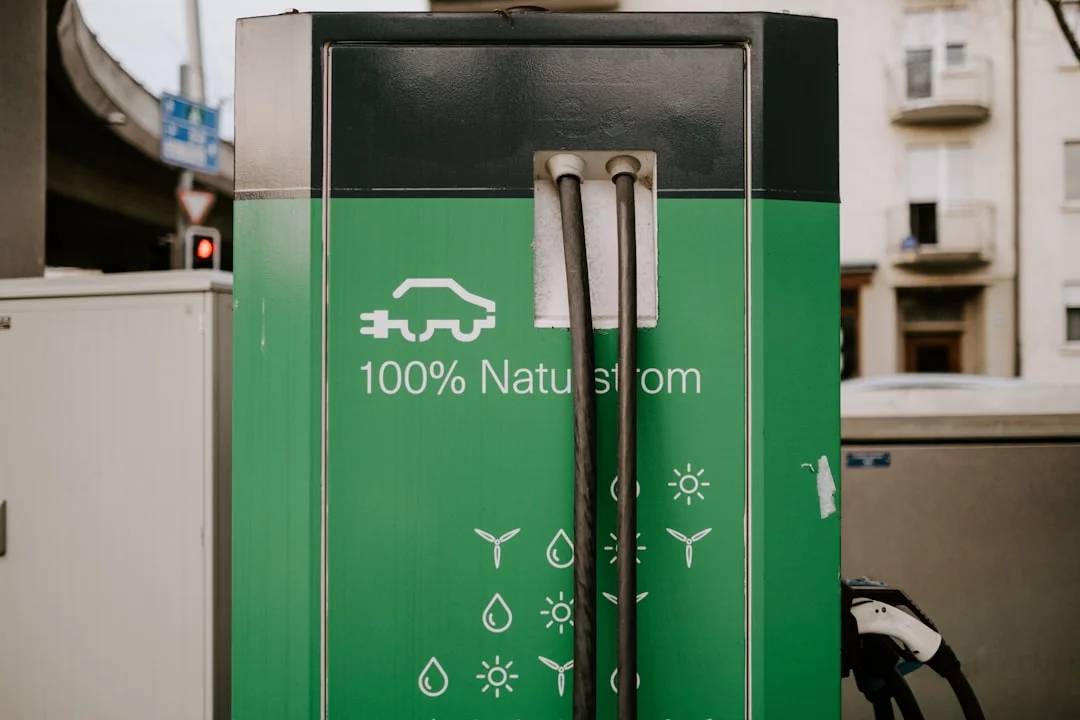
Photo by Claudio Schwarz on Unsplash
British Columbia is increasingly positioning itself as a hub for green hydrogen, with 2026 shaping up as a pivotal year for production, policy, and export ambitions. The term BC green hydrogen 2026 trends has become a focal point for policymakers, industry, and researchers as they evaluate how to scale low-carbon hydrogen from regional production to global markets. Recent government announcements and strategy documents lay out a multi-year blueprint that ties hydrogen to electrification, grid planning, and export infrastructure, while balancing demand from emerging sectors with long-standing industrial needs. This data-driven assessment, published by BC Times, synthesizes government plans, regulator updates, and market signals to map what BC green hydrogen 2026 trends may mean for businesses, workers, indigenous communities, and investors across the province and beyond. (www2.gov.bc.ca)
In early 2026, BC Hydro announced a formal process to allocate electricity for emerging sectors, including hydrogen exports, as part of a broader redesign of how the province allocates power to industrial customers. The government described a two-year competitive call for projects beginning in early 2026, with a fixed allotment of 300 megawatts for AI, 100 megawatts for data centres, and a yet-to-be-determined allocation for hydrogen exports, contingent on market conditions. This move is designed to accelerate clean-energy projects while ensuring energy reliability and affordability for British Columbians. The policy aligns with the BC Hydrogen Strategy’s export objectives and signals a clear, near-term pathway to grow BC’s hydrogen economy into international markets. (news.gov.bc.ca)
As BC pivots toward green hydrogen, policymakers stress a balanced approach that harnesses BC’s abundant renewable electricity and natural-gas resources for low-carbon production. The BC Hydrogen Strategy underlines the province’s intent to export hydrogen to key markets and to build a regulatory framework that can accommodate both domestic uses and export hubs. The strategy identifies California, Japan, and the Republic of Korea as viable export destinations, and it charts a path toward infrastructure development, hydrogen storage and distribution, and regulatory alignment with national and international standards. Industry observers see BC’s proximity to major markets and its renewable electricity share as critical advantages, but they also caution that cost, grid capacity, and regulatory clarity will determine how quickly BC can scale export-oriented hydrogen projects. (www2.gov.bc.ca)
BC’s hydrogen activity is anchored by a growing fueling network and regulatory framework. The Go Electric Hydrogen Fuelling Infrastructure program, which had five hydrogen fuelling stations in operation by the end of 2023, continues to push expansion through industry partnerships and public support. The program’s emphasis on permitting guidance and cross-sector collaboration is meant to reduce bottlenecks for growing the hydrogen market, including transport applications and energy storage. Additionally, the BC Energy Regulator has codified hydrogen into its mandate since 2022, with Sept. 1, 2023, expanding powers to regulate hydrogen production, storage, and transport in line with CleanBC objectives. This regulatory clarity is essential for investors seeking long-term certainty in an evolving market. (www2.gov.bc.ca)
Canada’s federal appetite for hydrogen complements provincial plans. In 2025, the Government of Canada announced investments in British Columbia’s hydrogen and fuel-cell sector, highlighting BC’s concentration of hydrogen companies, research expertise, and skilled labor as key strengths for export growth. The funding support underscores a national bet on hydrogen as a strategic clean-energy export commodity, with BC positioned to ramp up production and establish supply chains that connect domestic demand with international markets. This federal backing, along with provincial strategy, strengthens BC’s position in the global hydrogen economy as a practical path to decarbonization and economic diversification. (canada.ca)
Section 1: What Happened
What happened in BC’s hydrogen policy and market push
Early-2026 electricity allocation framework for emerging sectors
In January 2026, BC Hydro announced the introduction of a competitive project-allocations process designed to govern electricity distribution to emerging sectors, including hydrogen for export. The framework prioritizes natural-resource projects and sets a controlled pace for sectors that require large energy loads, such as data centres, AI, and hydrogen export facilities. The two-year time horizon and the 300 MW AI, 100 MW data centres allocations are fixed, with hydrogen export allocations to be determined later based on market conditions and project merits. This represents a concrete advancement in how British Columbia plans to balance growth with grid reliability and affordability for residents. (news.gov.bc.ca)
The BC Hydrogen Strategy and export market development
BC’s Hydrogen Strategy lays out a 10-year (and beyond) plan to produce, deploy, and export hydrogen, with explicit attention to export markets and infrastructure. The strategy describes a path to reduce emissions by replacing higher-carbon fuels in industry, heating, and heavy transport, and it highlights the potential for BC to become a leading hydrogen economy by 2050. It also identifies export-market strategies for hydrogen to key destinations and the need to construct dedicated export infrastructure. The document notes that hydrogen could reduce BC’s emissions intensity while supporting job creation in cleantech and industrial sectors. The export plan outlines target markets and the broader supply-chain development required to serve them. (www2.gov.bc.ca)
Regulatory evolution to enable hydrogen production and export
BC’s energy regulation framework evolved to explicitly include hydrogen as an energy resource, bringing regulatory oversight to hydrogen production, storage, and transport. The BC Energy Regulator’s hydrogen section confirms that hydrogen is regulated and subject to a growing body of standards and compliance expectations. This regulatory clarity aims to reduce investor risk and ensure safe, reliable operation across hydrogen facilities, transport networks, and storage sites, while aligning with environmental and safety requirements. The regulator also supports the hydrogen strategy’s goals for community engagement and Indigenous participation in energy-sector development. (bc-er.ca)
Hydrogen fueling infrastructure expansion and readiness
The Go Electric Hydrogen Fuelling Infrastructure program continues to push expansion of hydrogen fueling stations, leveraging industry investment to complement public funding. By late 2023, BC had five fueling stations, with ongoing efforts to broaden network coverage as hydrogen-powered vehicles and industrial applications scale up. This readiness is essential for demand certainty in early export-oriented facilities and domestic use, and it helps address a critical hurdle for hydrogen adoption in both light- and heavy-duty sectors. (www2.gov.bc.ca)
Federal backing and regional capacity to export
Canada’s federal investment in BC’s hydrogen and fuel-cell sector reinforces a national strategy to diversify clean-energy exports. The funding supports BC’s hydrogen economy through research, commercialization, and export development, acknowledging BC’s role as a potential hub for hydrogen value chains in western Canada. This partnership between provincial policy and federal funding is an important driver of the BC green hydrogen 2026 trends, as it signals durable political and financial support for export-oriented hydrogen projects. (canada.ca)
Section 2: Why It Matters
Why BC green hydrogen 2026 trends matter for the province and beyond
Economic potential and job creation

BC’s hydrogen activity is framed as a potential driver of regional economic diversification, with export ambitions complementing domestic decarbonization. The hydrogen strategy emphasizes job creation in clean-tech and energy services and highlights Indigenous and remote communities’ opportunities for participation in hydrogen production, storage, and distribution. The broader context suggests hydrogen could become a significant contributor to BC’s GDP, with modeling and industry studies indicating substantial export revenue potential and regional growth. The BC Hydrogen Study and related analyses highlight that BC could meet a portion of global hydrogen demand while leveraging existing infrastructure and expertise. (www2.gov.bc.ca)
- Supporting data points: BC’s near-term hydrogen plans are nested within a broader energy strategy that envisions hydrogen as a low-carbon option for industrial processes, heating, and transport, and the export market is seen as a major growth lever for the province. The federal and provincial harmonization of policy and investment underscores a concerted push toward a hydrogen-export-driven economy. (www2.gov.bc.ca)
Energy security, grid resilience, and policy certainty
The electricity-allocation framework and regulatory updates aim to deliver energy security and price stability for BC residents while enabling energy-intensive sectors to grow. By curating a controlled rollout of hydrogen production and export capacity, the province seeks to avoid grid strain while still capturing the clean-energy opportunity. The regulatory clarity around hydrogen (production, storage, transport) reduces policy risk for developers and lenders, which could accelerate project timelines and investment. (bc-er.ca)
Global market context and BC’s competitive positioning
Global interest in green hydrogen remains robust, with industry analyses and government-led programs highlighting continued growth opportunities for clean-energy exports. BC’s provincial advantages—abundant hydroelectricity, low-carbon grid power, proximity to major markets (California, Asia-Pacific), and established fuel-cell and hydrogen technologies—position it to compete in the growing global hydrogen economy. However, global competition is intense, and cost trends, electrolyzer efficiency, and supply-chain reliability will determine how quickly BC can scale exports. (www2.gov.bc.ca)
Social license and Indigenous participation
The hydrogen strategy explicitly contemplates Indigenous involvement and community benefits as a core element of policy actions. This includes collaborating with First Nations on ownership structures for infrastructure, and ensuring that hydrogen projects deliver measurable benefits for local communities. The North Coast Transmission Line partnerships and related policy changes illustrate how BC aims to blend economic development with reconciliation and community empowerment. (news.gov.bc.ca)
Technology trajectories and cost evolution
Industry observers track continued improvements in electrolyzer technology, cheaper renewable electricity, and the integration of hydrogen into broader energy systems. While exact future costs depend on multiple variables, the general trend is toward lower carbon intensity and greater deployment potential as policy incentives, grid integration, and storage solutions mature. The BC hydrogen planning documents emphasize a pathway for cost-competitive green hydrogen production in the long run, while recognizing current cost challenges and the need for supportive policies to de-risk investment. (www2.gov.bc.ca)
Section 3: What’s Next
What’s coming next for BC green hydrogen 2026 trends
Near-term milestones and regulatory milestones (2026–2027)
Looking ahead, the critical near-term milestones for BC’s hydrogen economy include:
- The outcome of BC Hydro’s early-2026 competitive call for projects and the allocation decisions for hydrogen exports, along with the timing and scale of those exports. The two-year project window and the fixed allocations for AI and data centres set a framework that will require hydrogen exporters to align with grid capacity and regulatory approvals. The hydrogen export allocation timing will depend on market signals and the readiness of hydrogen production facilities and distribution infrastructure. (news.gov.bc.ca)
- Regulatory alignment and permitting processes established through the Hydrogen Facility Application and Operations Manual, which became effective in 2025, will continue to govern project approvals, safety, and environmental compliance for new hydrogen facilities. Streamlined permitting can shorten project timelines and improve investor confidence as BC scales its hydrogen portfolio. (bc-er.ca)
- Continued expansion of the hydrogen fuelling network as part of the Go Electric program, potentially accelerating the adoption of hydrogen-powered vehicles and fueling infrastructure across the province, which in turn supports domestic demand alongside export-focused facilities. The program’s early success and ongoing expansion plans will influence market dynamics and capital deployment. (www2.gov.bc.ca)
Medium- to long-term export strategy and market development (2025–2030)
BC’s export strategy centers on building dedicated hydrogen export infrastructure and supply chains to target markets identified in the Hydrogen Strategy: California, Japan, and Korea, among others. The export-market development roadmap envisions attracting investment in supply-chain infrastructure, hydrogen production facilities, and associated logistics, with policy measures designed to enable paced growth that aligns with provincial energy needs and public-interest considerations. The strategy also contemplates the potential for hydrogen to be stored or transported via hydrogen carriers and synthetic fuels as part of a diversified export portfolio. (www2.gov.bc.ca)
Technology, cost, and supply-chain watch
Analysts will watch electrolyzer costs, renewable electricity prices, and the availability of critical metals and components for large-scale hydrogen production. While BC’s strategy emphasizes long-term cost declines through scale and innovation, short-term profitability will hinge on policy support, grid access, and the ability to link export projects to reliable supply chains. Global trends suggest growing project activity in hydrogen development, with a rising number of announced projects in late 2025 and early 2026, which could bode well for BC if supply chains are competitive and regulatory timelines are predictable. (spglobal.com)
Closing
As BC moves through 2026, the province’s approach to green hydrogen blends policy ambition with practical roadmaps for production, infrastructure, and export. The convergence of near-term electricity allocation decisions, regulatory modernization, and federal backing creates a framework that could accelerate BC’s emergence as a global hydrogen actor, while maintaining a balanced approach to energy reliability and public benefit. For readers and investors tracking BC green hydrogen 2026 trends, the province’s ongoing dialogue with industry, Indigenous communities, and international partners offers important signals about where opportunities will emerge first and how the market will evolve in the years ahead. Staying informed through provincial releases, regulator updates, and federal hydrogen initiatives will be essential to understand how BC’s hydrogen economy unfolds.
BC Times will continue to monitor official updates, project announcements, and market developments to provide timely, data-driven coverage of BC green hydrogen 2026 trends, with a focus on how technology advances, policy changes, and export opportunities intersect to shape the province’s clean-energy future. For now, the key takeaway is that BC is actively shaping a structured path toward greener hydrogen, underpinned by a strategy that links production to export markets, infrastructure to demand, and regulation to safety and reliability. (news.gov.bc.ca)