BC Place 2026 World Cup Fan Transit and Travel Guide

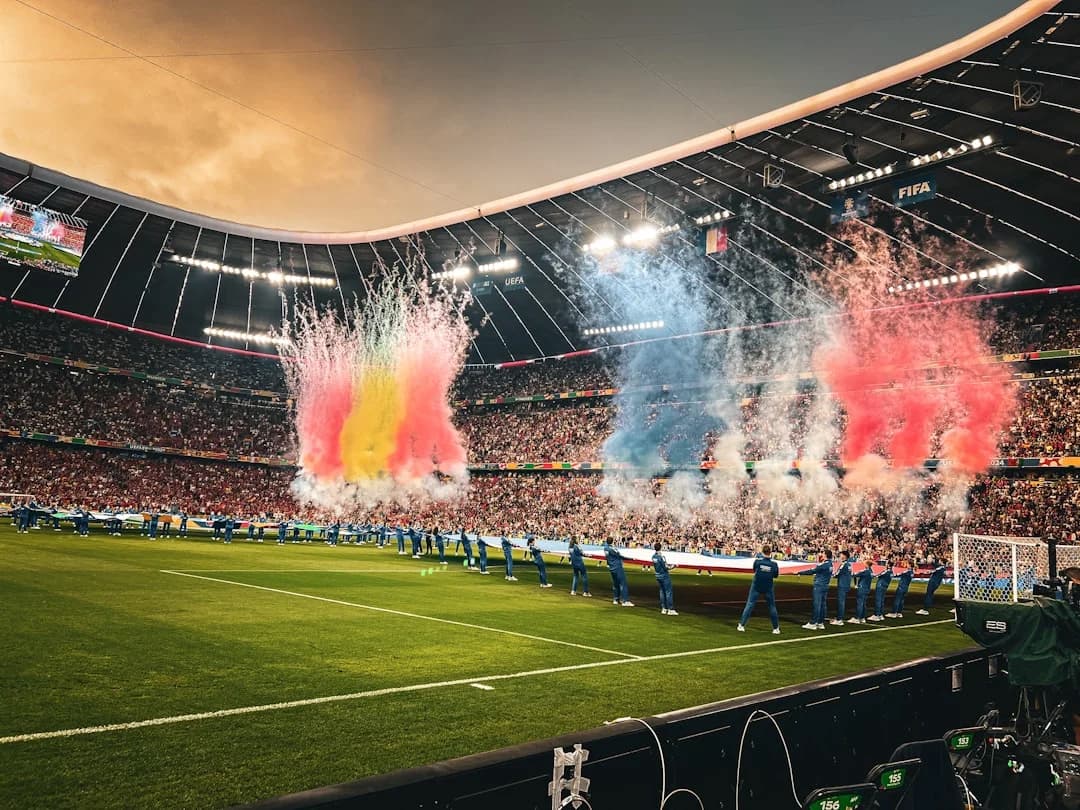
Photo by Johannes Hübner on Unsplash
BC Place in downtown Vancouver is set to become a focal point for global football fans during FIFA World Cup 2026, with Vancouver hosting seven matches across June and July 2026. The city’s transit authority and the stadium’s operators have rolled out a coordinated plan designed to move large crowds efficiently, reduce congestion around BC Place, and maintain safety on match days. This coverage for BC Times presents a data-driven overview of the latest announcements, the rationale behind them, and what these changes mean for fans, residents, and local businesses. The World Cup schedule places Vancouver in the global spotlight for a 39-day window that begins with opening fixtures across multiple host cities and culminates in a July 19, 2026 final in a different North American venue. The Vancouver footprint—defined by transit enhancements, stadium upgrades, and fan-zone logistics—aims to deliver predictable, reliable fan journeys from airport arrivals to stadium access and back again. As organizers emphasize, the goal is to keep Vancouver’s public transportation system operating smoothly under unusually high demand while preserving everyday mobility for residents. (fifa.com)
Opening
The World Cup footprint matters beyond football because it pressures a city’s transit arteries, lodging supply, and pedestrian corridors. In Vancouver, officials are leaning into a coordinated approach that ties stadium operations, mass transit scheduling, and fan experiences into a single, data-informed program. The event’s relevance goes beyond the matches themselves: it tests how well a mid-sized, globally connected city can absorb a surge in international visitors while maintaining the normal cadence of daily life for locals. For BC Place, the event is a catalyst for legacy improvements—both in terms of on-site infrastructure and the city’s broader mobility network. Upgrades at BC Place have been publicly showcased as part of an overall World Cup readiness program, signaling a focus on accessibility, modern amenities, and a high-quality spectator experience. (inside.fifa.com)
From a transportation perspective, Vancouver’s teams of planners have drafted a World Cup-era service plan that emphasizes more frequent SkyTrain service around match windows, enhanced connectivity from key transit hubs, and clearer wayfinding for fans navigating downtown. Transit officials have described a schedule that increases pre- and post-match capacity, with special attention to the BC Place corridor and adjacent fan destinations. Transit Alerts are being promoted to keep visitors and residents apprised of any service interruptions or schedule changes as the tournament unfolds. This approach aligns with the expectation that World Cup crowds will arrive over a compressed timeframe, placing a premium on predictable headways, safe crowd movement, and responsive security processes. (translink.ca)
What Happened
Official host status and match allocation
BC Place Vancouver has been designated as one of Canada’s two World Cup venues, charged with hosting a total of seven matches during the tournament. FIFA’s official announcements confirm Vancouver’s role, including at least two Canada group-stage fixtures and a mix of knockout-phase games later in the schedule. This allocation sets the stage for coordinated operations across the city’s transport network, security agencies, and event marshaling efforts. The official FIFA materials also map out the broader Vancouver-based context within the 16-city World Cup footprint spanning Canada, Mexico, and the United States. (fifa.com)
Stadium upgrades and fan experience enhancements
In the lead-up to the World Cup, BC Place completed a suite of upgrades designed to improve accessibility, spectator comfort, and broadcast-quality experiences. FIFA’s own communications highlight these improvements as part of the venue’s legacy plan, signaling a modernized venue that can handle the pressures of international crowds while delivering a world-class fan experience. The upgrades include technology upgrades, hospitality spaces, and a hybrid grass surface for the pitch, among other enhancements designed to support global matches and large spectator volumes. These changes are public-facing indicators that BC Place is aligning with FIFA’s expectations for world-class hosting during the 2026 edition. (inside.fifa.com)
Transit enhancements and service changes
A central element of Vancouver’s World Cup preparation centers on transit resilience. TransLink and city officials have outlined a series of service changes and operational supports intended to manage match-day surges. Notably, TransLink’s summer 2026 service changes document outlines increased SkyTrain frequency before and after BC Place matches, expansion of service hours, and special routing adjustments to support event-related travel. The document also references additional match-day transportation options, including a dedicated approach to moving fans toward the FIFA Fan Festival Vancouver and other fan zones. The city and transit partners have stressed that these changes are designed to minimize delays and crowding while maintaining service for non-match-day travel. (translink.ca)
In parallel, Vancouver’s transit governance notes that match-day operations will involve “extra SkyTrain service and key match day station changes,” reflecting a plan to widen peak capacity around the BC Place corridor. These statements are reinforced by board-level discussions that itemize enhancements such as additional shuttle options, improved crowd management, and cross-coverage to ensure that fans can move between airport arrivals, downtown lodging clusters, and the stadium with relative ease. The board materials also reference coordination with transit police to ensure safety and operational continuity during peak event days. (translink.ca)
Fan zones, access, and the match-day experience
The World Cup ecosystem in Vancouver includes more than the stadium. Fan-facing venues like the FIFA Fan Festival Vancouver—set to be hosted at Hastings Park—acquire critical importance as gathering points for supporters before and after matches. The Fan Festival site is designed to complement stadium access by offering a centralized space for fans to connect, consume content, and engage in World Cup culture, all within the city’s transit catchment. These components—stadium access, fan zones, and robust transit service—are part of a coordinated strategy to create a scalable, fan-first experience for everyone visiting Vancouver for World Cup 2026. (vancouverfwc26.ca)
Airport access and walking routes
For fans arriving via Vancouver International Airport (YVR) or other gateways, the Canada Line SkyTrain connection provides a direct route to downtown Vancouver, with typical transfers at Waterfront or City Centre to reach BC Place via the Expo Line. FIFA’s own transportation guidance outlines practical routes from major transit lines and emphasizes the importance of following official Transit Alerts to stay informed about any changes on match days. These official paths are complemented by practical guidance for fans arriving from the airport and moving through downtown, underscoring the city’s reliance on rapid transit as the backbone of World Cup mobility. (fifa.com)
Why It Matters
Operational readiness and crowd management
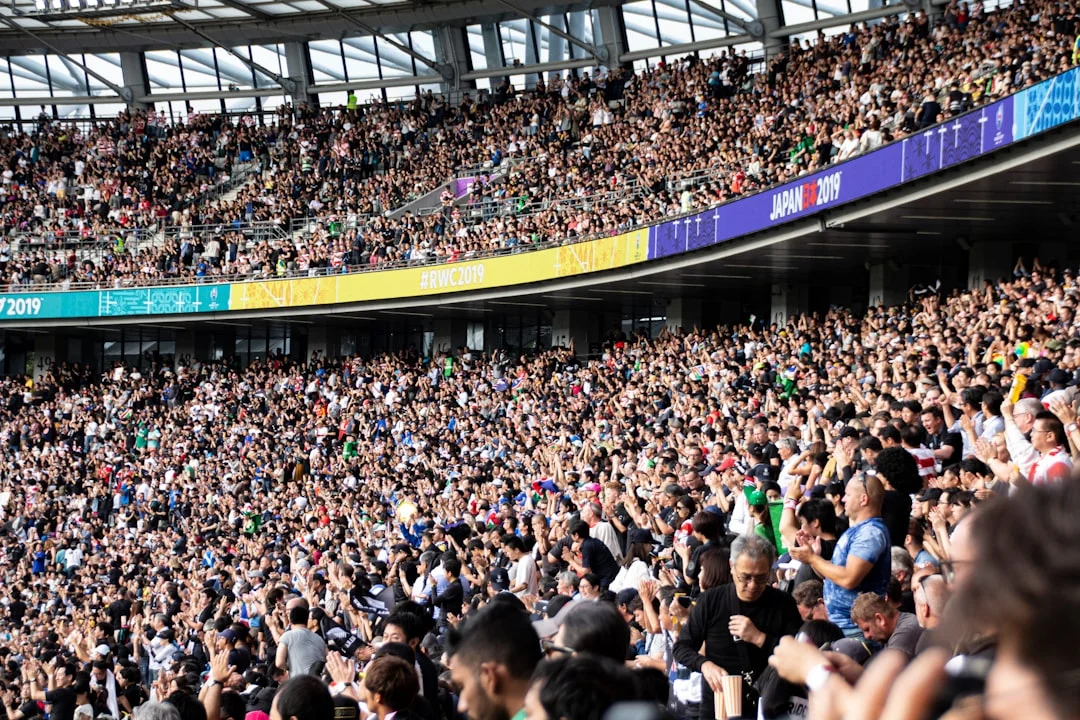
Photo by Stefan Lehner on Unsplash
The Vancouver World Cup plan is designed to minimize the risk of congestion and delays on match days by leveraging higher-frequency rail service, clarified station access, and streamlined pedestrian corridors around BC Place. The combination of additional SkyTrain runs, extended service hours, and dedicated shuttles is intended to reduce wait times and create predictable travel times for fans, media, staff, and local residents. The emphasis on pre- and post-match capacity aligns with global best practices for large, temporary sporting events, where public transit efficiency correlates with fan satisfaction and overall event success. This approach is particularly important in a city like Vancouver, where downtown mobility already experiences heavy demand. (translink.ca)
Stakeholders and affected groups
The World Cup transit plan touches multiple stakeholder groups, including international visitors, local residents, hotel operators, restaurant and retail districts, and event staff. For visitors, reliable transport is a make-or-break factor for ticket value and overall experience. For residents, increased noise, traffic patterns, and pedestrian flows around BC Place can affect daily life during the tournament window. City and TransLink communications emphasize that the plan is data-driven—relying on ridership forecasts, game-day volumes, and safety considerations to tailor service levels. The goal is to balance a world-class, fan-centric experience with the city’s long-term mobility objectives. (translink.ca)
Broader mobility and economic implications
World Cup 2026 in North America is expected to bring a surge of visitors, media attention, and consumer activity across host cities. Vancouver’s transit-centered approach provides a case study in how mid-sized market cities can scale infrastructure and operations to support event-driven demand. Beyond the tournament itself, these investments—ranging from stadium upgrades to transit service enhancements—may influence longer-term transit planning, accessibility standards, and tourism marketing strategies. While explicit economic projections for Vancouver are part of broader host-city analyses, the operational framework adopted for BC Place demonstrates a proactive alignment of venue readiness with city-wide mobility policies. (inside.fifa.com)
Fan safety, accessibility, and information channels
Ensuring safe travel flows is a core objective for match days. TransLink’s 2026 service changes include explicit safety considerations and extended service windows to reduce crowding, particularly in the BC Place corridor. In addition, official Transit Alerts provide real-time updates on disruptions, construction impacts, or schedule shifts, helping fans adjust routes on the fly. FIFA’s and the City’s communications emphasize accessibility enhancements at the venue and signage improvements to support fans with varying mobility needs. This multi-channel approach—clear signage, live updates, and accessible facilities—helps maintain a positive viewing experience even in the context of large-scale public events. (translink.ca)
What’s Next
Timeline and next steps for match-day mobility
The World Cup schedule places BC Place matches within a defined window from mid-June to early July 2026. The official match schedule lists fixtures in Vancouver, including dates for Canada’s group-stage engagements and later knockout-round matches, with kickoff times and venues published by FIFA. Fans and service providers can anticipate a ramped-up transit operation on days with BC Place play, with pre-match and post-match service peaks designed to modulate crowd surges. The tournament itself spans June 11 to July 19, 2026, with BC Place’s seven-match footprint embedded within that period. Those dates shape the cadence of transit service, security planning, and fan-flow management. (fifa.com)
Specific transit actions fans should watch for
- SkyTrain frequency: Pre- and post-match trains are expected to operate more frequently around BC Place, with extended evening hours for late departures after games. This is part of the official summer service changes and aligns with the need to move large groups efficiently. Fans should plan for slightly longer checkout lines at peak times but shorter overall waits due to higher headways. Transit Alerts will be the primary real-time source for any deviations. (translink.ca)
- Station accessibility and flow: Transit authorities anticipate designated routing to BC Place and fan zones, with clear pathways to minimize bottlenecks. While specific station closures or temporary access changes will be announced closer to match days, fans can rely on standard guidance to use the preferred corridors and platforms that connect to Stadium-Chinatown, Main Street–Science World, or Yaletown–Roundhouse, depending on the match-day routing plan in effect. (fifa.com)
- Fan Festival integration: The FIFA Fan Festival Vancouver at Hastings Park will serve as a central gathering site, with transport planning tied to festival access. Expect coordinated shuttle and pedestrian routes from downtown hubs to Hastings Park in addition to stadium-centered movements. This integration helps distribute demand across multiple focal points and reduces pressure on any single corridor. (vancouverfwc26.ca)
- Real-time updates and safety guidance: Fans should subscribe to Transit Alerts and follow official FIFA or city communications for on-site safety guidance, crowd management, and any last-minute changes to entry procedures or pedestrian routes. This practice is standard for large tournaments and is particularly important in a dense urban center with multiple event venues. (fifa.com)
What fans should prepare before arriving
- Ticketing and schedule planning: With seven Vancouver matches on the World Cup 2026 docket, fans should map which games they attend and plan back-to-back travel legs accordingly. FIFA’s official schedule provides the primary reference for match dates and kickoff times, while local guides curated for Vancouver help with practical routing. Having a printed or digital plan helps ensure timely arrival at BC Place and reduces dependence on last-minute transit decisions amid crowds. (fifa.com)
- Airport-to-city routes: For international visitors arriving at YVR, the Canada Line remains the most straightforward route to downtown Vancouver. Transit planning for World Cup periods emphasizes maintaining efficient airport-city connections while accommodating event-driven demand. Fans should consider buying transit passes or day passes if multiple trip legs are anticipated, a strategy commonly recommended by transit authorities during major events. (fifa.com)
- Fan zone logistics and local travel: In addition to stadium access, attendees should plan for time to reach Hastings Park for the FIFA Fan Festival Vancouver and to explore downtown amenities between matches. The city’s World Cup communications underscore the importance of multi-site engagement and a well-distributed fan itinerary to optimize travel time and experience. (vancouverfwc26.ca)
Potential caveats and data-driven considerations
- Dynamic schedules: While the core plan emphasizes increased capacity around BC Place, the exact day-by-day service levels can shift based on ridership, construction impacts, and security considerations. Fans should stay informed via Transit Alerts and official venue communications to adjust plans in real time. The existence of a formal, published 2026 summer service change document indicates a procedural framework for updates, but the actual implementation will be responsive to on-the-ground conditions. (translink.ca)
- Capacity expectations: BC Place’s ability to accommodate seven World Cup matches will be supported by seating arrangements and stadium operations, but capacity figures often vary by event type and configuration. While some outlets report seating around 54,000 for World Cup events, official and venue-specific figures should be consulted for precise numbers on specific matches. Fans should treat capacity as a planning parameter rather than a fixed guarantee, and rely on official match-day communications for seating and access details. (fourfourtwo.com)
Closing
In Vancouver, the lead-up to FIFA World Cup 2026 is being defined as much by the city’s transit and venue-readiness as by the on-field action. The combination of BC Place upgrades, expanded SkyTrain service, and a coherent fan-zone strategy signals a deliberate, data-driven approach to hosting a major global event in a vibrant but densely populated urban center. For visitors and locals alike, the key will be following official transportation updates, planning for peak travel windows, and leveraging multiple transit modes to reach BC Place and fan venues with confidence. As match days approach, expect a steady stream of announcements from TransLink, FIFA, and the City of Vancouver that refine timing, route choices, and access guidelines to keep World Cup 2026 experiences smooth, safe, and enjoyable. Fans who prepare now—understanding how to ride the SkyTrain, where to access the Fan Festival, and how to monitor live transit updates—will contribute to a successful, well-organized tournament in Vancouver. (fifa.com)

Photo by Fauzan Saari on Unsplash
For ongoing developments, BC Times will continue to monitor official releases from FIFA, TransLink, and city authorities, and translate them into actionable guidance for readers planning to attend World Cup 2026 matches at BC Place.