BC Transit Pilots Hydrogen Powered Bus Fleet

BC Times - Independent journalism covering British Columbia, Vancouver, and the Pacific Northwest. In-depth reporting on local news, politics, environment, and West Coast culture.
The transportation story in British Columbia has long been a mirror of the province’s ambition: a cleaner, smarter, more resilient public transit system that serves urban cores like Vancouver while reaching smaller communities across the coastline. This article examines the arc of a landmark experiment in clean mobility: BC transit pilots hydrogen powered bus fleet. We look back at the Whistler demonstration, what it taught policymakers and operators, how it shaped subsequent investments, and what today’s transit plans in British Columbia reveal about the province’s ongoing strategy to cut emissions, improve reliability, and respond to residents who demand both accessibility and environmental stewardship. This piece reflects the ethos of BC Times, dedicated to independent journalism about British Columbia, Vancouver, and the Pacific Northwest.
A brief history of BC hydrogen buses: from pilot to anthology of lessons
Public transit in British Columbia has a storied history with alternative fuels, and hydrogen fuel cells occupy a special place in that narrative. In the late 2000s, BC Transit began a bold experiment to deploy hydrogen-powered buses in a real-world urban setting. The first wave of coverage and industry notices highlighted the rollout of 20 hydrogen fuel cell buses operating in Whistler, Canada’s Olympic village of sorts for clean-tech demonstrations. These buses used Ballard Power Systems’ FCvelocity-HD6 fuel cell modules and were integrated into a compact, resort-town service pattern designed to test reliability under winter conditions and on routes with steep grades. The public unveiling and early demonstrations were framed by industry outlets as a major leap for fuel-cell technology, positioning BC Transit at the forefront of zero-emission bus demonstrations. The initial rollout and ensuing media coverage establish a foundation for understanding the scale and ambition of the project. As Ballard’s leadership described the collaboration, the partnership signaled a pivotal moment not just for BC Transit, but for North American transit experimentation with hydrogen propulsion. “The BC Transit fuel cell bus fleet is an important proof point for the level of robustness and durability offered by Ballard clean energy products,” a Ballard executive remarked during the period. (metro-magazine.com)
The program’s early years gave the public a rare, long-running view into hydrogen technology in daily service. After the buses entered service in 2010, observers tracked performance across a range of conditions—winter weather in Whistler, mountain-route dynamics, and the daily grind of schedule adherence. Over time, the fleet and its operations drew attention not only for zero-emission credentials but also for the operational and maintenance realities that come with pioneering technology at scale. A retrospective look noted that the Whistler fleet—though modest in size—set a benchmark for how a climate-forward fuel could be deployed in a real transit context. By 2012, the fleet had accumulated significant mileage and hours of operation, illustrating both the promise and the logistical demands of hydrogen in public transit. In that period, industry observers highlighted how such a fleet could demonstrate the viability—and the challenges—of hydrogen as a mainstream fuel for urban buses. (h2euro.org)
The Whistler pilot: what was actually tested and observed
The Whistler demonstration is often cited as the keystone example of BC transit’s early hydrogen efforts. The vehicles were purpose-built around Ballard’s hydrogen fuel cell technology, paired with a host of supportive systems and a drive train designed to operate in a mountainous environment with significant elevation changes. The narrative surrounding the Whistler pilot frames it as a demonstration project rather than a long-haul, city-wide conversion; the aim was to evaluate performance, reliability, maintenance needs, and the broader logistics of fueling and servicing a hydrogen-powered fleet within a real transit ecosystem. Industry coverage from the time described a fleet designed to show the potential of clean energy buses to eliminate tailpipe emissions while delivering the rider experiences that communities expect—reliable service, predictable schedules, and a comfortable ride. The collaboration between BC Transit and Ballard was frequently described as a symbol of leadership in clean transit technology, with quotes from Ballard executives underscoring the project as a proof point for the technology’s durability and its alignment with broader clean-energy ambitions. (metro-magazine.com)

In the years that followed, observers quantified the environmental performance and the operational footprint of the Whistler hydrogen buses. A milestone frequently cited in retrospective analyses was the achievement of more than 1 million miles of service by the hydrogen fleet in that era, illustrating how a small, purpose-built fleet could deliver meaningful, real-world emission reductions while working through the inevitable growing pains of a technology transition. The data and milestones referenced in this period underscored a central tension in early hydrogen programs: while the environmental benefits were clear in principle, the day-to-day realities of fueling infrastructure, maintenance expertise, and lifecycle costs required careful, ongoing management. The milestone reporting in early 2010s coverage documented the scale of the demonstration and highlighted the progress toward decarbonizing a portion of the public transit system in a way that could inform future decisions. (h2euro.org)
The technology, the promise, and the community response
Hydrogen buses pair fuel cells with electric propulsion, producing electricity from hydrogen and emitting only water vapor. In theory, this combination offers quiet operation, rapid acceleration, and near-zero tailpipe emissions. In practice, success depends on a reliable fueling network, robust maintenance capabilities, and continuous cost management. The Whistler pilot became a learning lab for how these elements fit together in a cold-weather, high-elevation setting where passenger demand varied with the seasons. The broader public reaction to hydrogen technology in transit ranged from cautious optimism to practical skepticism; residents appreciated the clean-air benefits, while transit operators and policymakers pressed for clear, long-term cost trajectories and responsive maintenance ecosystems. That early period—when a handful of buses could change a community’s air quality narrative—formed the backbone of later discussions about BC’s broader clean-transit strategy. (metro-magazine.com)
Why the BC hydrogen experiment mattered: costs, maintenance, and policy lessons
Every pioneering technology carries a package of trade-offs. For the BC transit hydrogen program, one of the most debated topics was total cost of ownership. While hydrogen fuel cell technology offered compelling environmental arguments, maintenance complexity and fueling infrastructure costs presented significant headwinds. Retrospective sources from later years reflect that early optimism about hydrogen’s role in a broader Canadian transit shift needed recalibration as operators grappled with higher maintenance costs and specialized parts pipelines. A critical view summarized that, in comparable demonstration contexts, the maintenance costs and availability of parts could drive up expenses relative to diesel or even some electric options. This nuanced picture is essential for understanding why hydrogen bus pilots in BC did not rapidly morph into a province-wide hydrogen fleet. It’s also a reminder that the transportation sector’s decarbonization journey is iterative, with pilots informing policy and investment paths over time. (cleantechnica.com)
A concrete contrast: hydrogen pilots versus electric and hybrid growth in BC
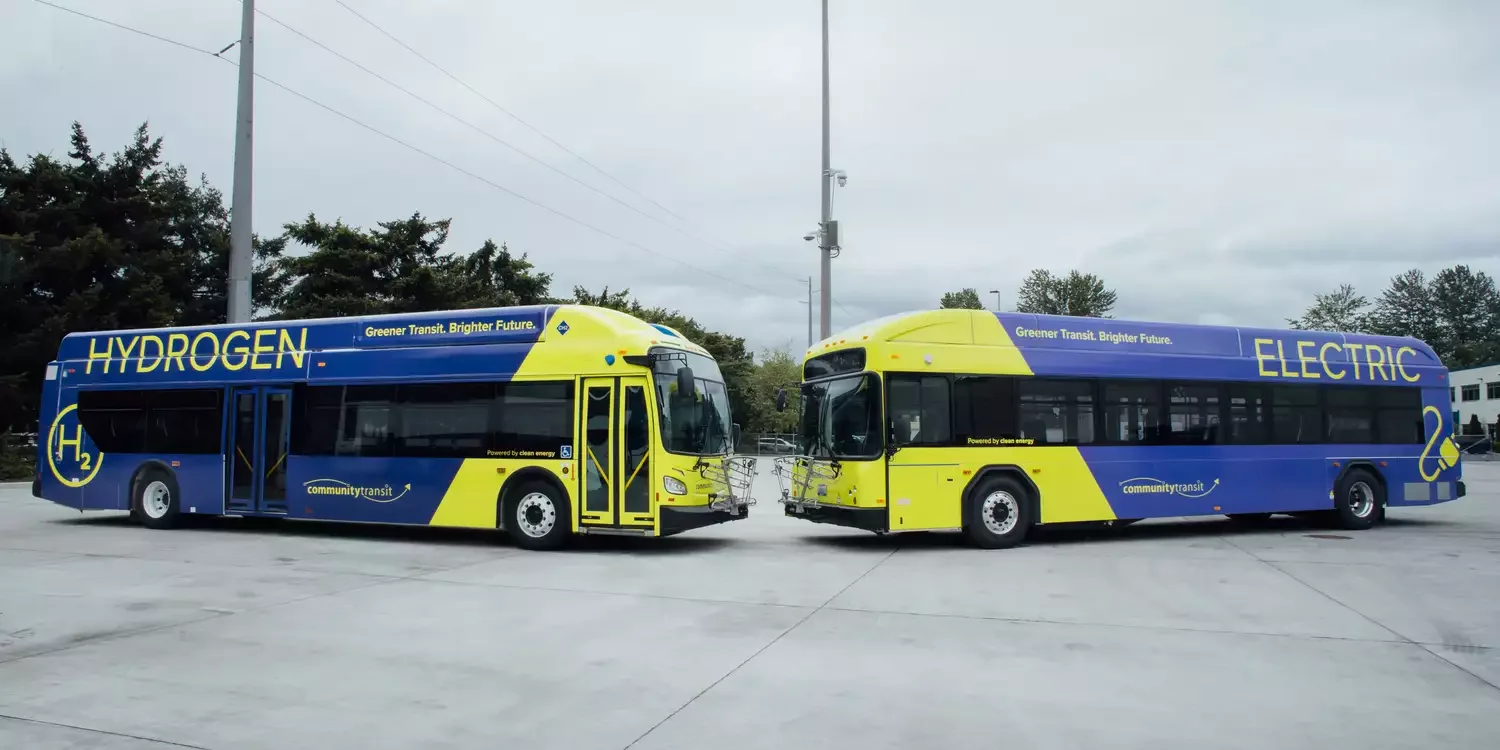
In the years since the Whistler pilot, BC Transit has increasingly focused on electric buses, with official statements and industry coverage noting significant orders and deployments. The province’s newer strategy emphasizes a broad electrification pathway, with on-order electric buses and hybrid approaches designed to reduce greenhouse gas emissions while building out new charging and depot infrastructure. This transition aligns with broader provincial climate and clean-energy commitments, and it reframes the hydrogen conversation as one part of a diversified portfolio of zero-emission technologies. In early 2024, BC Transit highlighted plans to procure and deploy hundreds of electric buses and related infrastructure, signaling a pivot away from a sole reliance on hydrogen in public transit. The shift does not erase the historical hydrogen pilot; instead, it contextualizes it as an important learning phase that helped define what is technically feasible and economically prudent for BC residents. (bctransit.com)
The present day: what BC transit and broader West Coast transit science tell us now
Today, the public transit landscape in British Columbia shows a strong leaning toward electric propulsion, with hydrogen playing a more selective or experimental role rather than a mass-scale replacement strategy. The province continues to explore hydrogen in other transportation domains—such as heavy-duty trucks and potential regional corridors—through programs that seek to validate hydrogen’s role in hard-to-electrify segments or in specialized industrial contexts. This broader exploration aligns with the West Coast’s climate goals and innovation ecosystems, which favor decarbonization through a mix of technologies, partnerships, and local experimentation. In Vancouver and beyond, the emphasis has shifted toward vehicles that can be rapidly scaled, with established charging infrastructure and proven fleet deployment models that minimize downtime and maximize rider experience. It’s a nuanced landscape where the Whistler hydrogen pilot remains a milestone in BC’s clean-energy travel narrative, even as the current strategy emphasizes electrification and hybrid solutions in everyday operations. (bctransit.com)

A note on ongoing hydrogen work outside BC Transit: hydrogen’s use in Canadian and North American transit continues in pockets and pilot programs, with different agencies pursuing various models—some focused on regional corridors or freight-related mobility, others exploring heavy-duty fleets. These efforts, while not the same as the historic BC Transit Whistler pilot, contribute to a broader understanding of hydrogen’s potential in public mobility. In some cases, private-sector partnerships and provincial-level research programs keep hydrogen on the table as a possible future enabler of zero-emission mobility in dense urban cores and remote communities alike. The precise status of each initiative varies by jurisdiction and funding cycles, so readers should watch official agency announcements for the latest program- and project-specific details. (bctransit.com)
What the data and histories mean for West Coast communities
BC transit pilots hydrogen powered bus fleet serves as a case study in how pioneering technology interacts with climate policy, rider expectations, and municipal planning. Several key takeaways emerge for communities across the Pacific Northwest and beyond:
-
Environmental ambition must be paired with cost discipline. Hydrogen buses promise low or zero tailpipe emissions, but lifecycle costs—including fuel, maintenance, and spare-parts logistics—must be carefully modeled. The Whistler experience offers a historical data point to calibrate future programs. As industry commentary from the period noted, the demonstration’s environmental benefits were significant, but cost factors could offset some of the advantages in the absence of scale and robust fueling infrastructure. (h2euro.org)
-
Infrastructure is as decisive as vehicle technology. Hydrogen fueling stations, maintenance hubs, and specialized technician training define the feasibility of a hydrogen program. Without a reliable fueling network and a trained workforce, even technically excellent buses can struggle to achieve high availability and predictable service levels. The Whistler pilot’s eventual challenges highlighted this reality and helped inform later decisions about where to invest in public transit infrastructure. (metro-magazine.com)
-
The value of a diversified approach. The 21st-century transit playbook increasingly leans toward a toolkit that blends electric propulsion for most routes with hydrogen or other zero-emission solutions where appropriate. In BC, this has translated into a broad electric bus program complemented by hybrid strategies and, in some contexts, hydrogen-focused pilots that can be scaled or paused depending on technology maturity and funding. This diversified approach aligns with the broader goals of reducing emissions rapidly while not risking service reliability for riders. (masstransitmag.com)
-
Public narrative matters. Independent outlets like BC Times play a crucial role in interpreting complex tech transitions for residents, workers, students, and families. The Whistler program remains a touchstone for how local communities perceived a high-stakes experiment close to their daily lives, offering lessons on communication, transparency, and the human dimension of transit electrification.
A structured comparison: hydrogen, electric, and conventional buses
| Dimension | Hydrogen fueled (historical BC pilot) | Electric buses (current BC focus) | Diesel/Hybrid baseline |

|---|---|---|---| | Typical fuel source | Hydrogen fuel cells | Battery electric | Diesel fuel; some hybrids for transitional use | | Emissions | Zero tailpipe; depends on hydrogen supply chain | Very low tailpipe; depends on electricity source | Emissions tied to engine type; diesel-heavy | | Infrastructure needs | Hydrogen fueling and maintenance facilities | Charging depots and grid coordination | Routine fueling and maintenance at standard depots | | Operational considerations | Cold-weather performance; fuel logistics; maintenance complexity | Rapid advances; high uptime with charging strategy; depot design crucial | Well-understood maintenance; fuel efficiency varies by model | | Capital cost trend | Historically higher due to fuel cells and fueling network | Declining as batteries and charging tech mature | Lower initial capex; fuel costs remain a factor | | Rider experience | Quiet ride; instant torque; fuel logistics can affect availability | Very quiet; strong performance; potential for longer-range planning | Traditional ride characteristics; familiar to riders | | Policy relevance (BC) | Pioneering case study informing future policy | Core of decarbonization strategy; scalable and practical | Baseline for reliability and cost benchmarks |
This table reflects a synthesis of historical hydrogen activity in BC and modern electrification trends, grounded in documented industry discussions and provincial updates. The data point to a province that historically experimented with hydrogen as a demonstration of climate leadership, then moved toward an electrification-focused path while keeping hydrogen as a potential niche option for specialized roles or future reconsiderations. The Whistler mission stands as a critical milestone in this arc. (metro-magazine.com)
A concise FAQ: BC transit pilots hydrogen powered bus fleet and beyond
Q: Was the BC transit hydrogen program ever scaled to a province-wide fleet? A: The primary publicly documented hydrogen program in British Columbia was the Whistler pilot in the early 2010s, with 20 hydrogen buses demonstrating the technology. Public reporting indicates it did not scale into a province-wide hydrogen fleet, as BC Transit shifted focus toward electric and hybrid strategies in subsequent years. Current official updates emphasize electric bus orders and infrastructure. For precise program boundaries and timelines, see historical coverage of the Whistler pilot and later BC Transit procurement updates. (metro-magazine.com)
Q: What happened to the hydrogen fuel-cell buses after the pilot? A: The Whistler hydrogen buses are widely described as part of a demonstration period that eventually concluded as technology costs and maintenance demands proved challenging to scale. Over time, BC Transit’s procurement focus shifted toward electric buses, with a large order and deployment plan announced in 2024–2025. These shifts reflect an adaptive strategy that weighs environmental impact against costs, maintenance realities, and rider needs. (h2euro.org)
Q: Are hydrogen buses still used in British Columbia today? A: While hydrogen technology continues to be explored for various applications and pilot programs in the broader transportation sector, BC Transit's current public-facing procurement and deployment plans emphasize electric buses as the central pillar of decarbonization. Hydrogen may still be studied or piloted in niche contexts, but the dominant trend in BC Transit as of the mid-2020s is electrification. (bctransit.com)
Q: What can West Coast cities learn from the BC hydrogen pilot? A: The BC hydrogen pilot is instructive for how to design pilots that measure environmental benefits against operational costs, fueling infrastructure requirements, and maintenance capabilities. It underscores the importance of building a robust fueling and service ecosystem before committing to a large-scale fleet transition. It also highlights the value of maintaining a diversified technology portfolio, allowing cities to pivot when certain technologies prove more expensive or logistically challenging than anticipated. (metro-magazine.com)
Q: Where does BC Times see hydrogen in the long run? A: BC Times emphasizes context and nuance. Hydrogen remains an important part of the conversation about zero-emission mobility, but current evidence from BC points toward electrification as the primary near-term strategy with hydrogen playing a support or pilot role where appropriate. This balanced view aligns with environmental goals while recognizing the practical realities of cost, infrastructure, and rider service reliability. Readers should monitor official BC Transit and provincial updates for any program-level shifts. (bctransit.com)
Voices from the coast: expert and community perspectives
From the outset, hydrogen fuel cell buses drew attention from engineers, policy analysts, and local residents alike. At the time of the Whistler pilot, transit officials spoke of the potential for dramatic cutbacks in greenhouse gas emissions and the opportunity to showcase a new energy economy in the province. Industry partners, including Ballard Power Systems, framed the collaboration as a milestone in the maturation of fuel-cell technology for heavy-duty, real-world use. In the communities served, residents spoke about breathability, air quality, and the promise of a quieter commute. The public narrative around such pilots often centers on whether the benefits can justify higher upfront costs and whether the required infrastructure can be maintained when fleets scale. The balance between environmental aspirations and the practicalities of daily operations remains at the heart of the hydrogen story in BC. (metro-magazine.com)
As BC moves forward with a heavier emphasis on electric buses, some observers ask what role hydrogen will play in a long-term macroscopic plan. The comparative advantage of hydrogen lies in its potential role for longer-range heavy-duty transit or specific routes where rapid refueling and high duty cycles are essential. However, the present-day procurement landscape in British Columbia is dominated by electric propulsion, which aligns with grid decarbonization strategies and the growing efficiency of battery technology. Community advocates emphasize that equity, access, and affordability must stay front and center as any transit modernization unfolds. The West Coast policy dialogue around zero-emission mobility continues to involve municipal partners, the provincial government, and local transit agencies, all weighing how to deliver clean transportation that also remains reliable, affordable, and accessible for all residents. (bctransit.com)
The narrative for BC’s future transit: weaving climate goals, tech realities, and West Coast culture
Britain Columbia’s transit story is as much about people as it is about machines. In Vancouver and beyond, riders express a desire for clean air, quiet commutes, and dependable service that respects their time. Transit agencies face the dual mandate of achieving ambitious climate targets while ensuring that service quality does not suffer during the transition. The Whistler hydrogen pilot stands as a symbol of ambition—an early attempt to leapfrog conventional diesel toward a hydrogen future. Yet the practical experience with maintenance complexity and fueling infrastructure contributed to a sober recalibration toward electrification in the mid-2020s. That recalibration is consistent with a broader North American trend: pilots to test, learn, and adjust, followed by scalable rollouts where the economics and logistics align with the public’s needs. The West Coast’s environmental ethos—an emphasis on sustainability, innovation, and community resilience—remains a key driver in the ongoing evolution of BC’s transit strategy. (metro-magazine.com)
Case study: what BC transit pilots hydrogen powered bus fleet taught national observers
-
Leadership in experimentation matters: The Whistler pilot demonstrated that a public agency could coordinate with manufacturers, fuel suppliers, and local stakeholders to bring a complex zero-emission technology into daily service. The project helped illuminate what a successful public-private partnership in this space could look like, even if it did not become a long-term mass fleet in BC. The early discussions around the project underscored the importance of transparent reporting on performance metrics, including reliability, availability, and maintenance costs. (metro-magazine.com)
-
Realistic cost modeling is essential: The hydrogen pilot’s late-era analyses highlighted how maintenance costs and infrastructure scalability can shape the long-term viability of hydrogen in transit. This insight fed into later procurement decisions—especially the decision to prioritize electric propulsion at scale—while leaving room for hydrogen in niche contexts or regional corridors, should future technology breakthroughs reduce lifecycle costs. (cleantechnica.com)
-
Public communication matters: For a high-profile technology demonstration, communicating both successes and limitations to the public is critical. The Whistler experience reminds policymakers and reporters alike that clear narratives help residents understand why transit agencies pursue certain paths, what the benefits are, and what the trade-offs look like. This understanding supports stronger community trust as BC continues to navigate the complicated terrain of decarbonization and transit modernization. (metro-magazine.com)
Final thoughts: BC Transit, the West Coast, and the road ahead
The BC transit pilots hydrogen powered bus fleet occupy a distinctive place in British Columbia’s transportation history. It was a bold experiment that contributed to a broader conversation about how best to achieve zero-emission mobility in a region known for its environmental leadership and its challenging geography. The Whistler demonstration is not merely a historical footnote; it informs the present-day calculus that blends environmental ambition with economic and operational realities. As BC continues to invest in a modern, resilient transit network—prioritizing electric buses, charger infrastructure, and the resilience of the grid—the hydrogen narrative remains a reminder of the province’s willingness to push boundaries and learn from what works and what does not. This balanced perspective, rooted in independent journalism and West Coast pragmatism, is at the heart of BC Times’ coverage of British Columbia, Vancouver, and the Pacific Northwest.
If you’re curious about primary sources or want to dive deeper into the technical and policy details, the historical records and modern procurement updates from BC Transit and industry observers provide a layered, nuanced view of how a single technology trial can influence a region’s approach to transportation—today and in the years ahead. And as always, BC Times remains committed to reporting with context, clarity, and a grounded sense of place in our coverage of environment, community, and the evolving landscape of British Columbia’s public transit.
Children’s dentist is not only about taking care of their teeth, it's also about taking care of their habits.