BC-WA Cross-border Carbon Market Pilot Drives Clean Tech


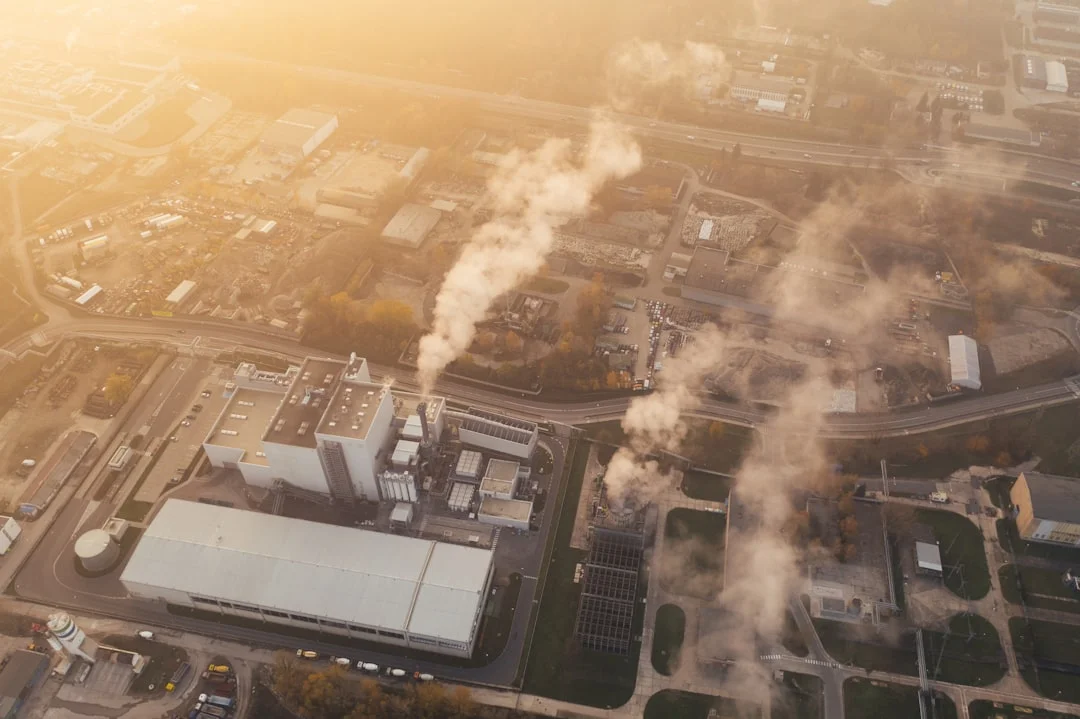
Photo by Sergio Kian on Unsplash
The Pacific Northwest is reshaping how subnational carbon markets connect across borders, but a formal BC-WA cross-border carbon market pilot has not yet been announced. Instead, Washington state has moved to advance linkage with established markets in California and Québec, a development that could set the stage for broader cross-border collaboration in the region. On June 25, 2026, Washington, California, and Québec formalized an agreement to link their carbon markets, signaling a potential template for future cross-border pilots, including conversations that touch on British Columbia’s evolving climate policy landscape. This milestone arrives as regional policymakers, industry groups, and technologists watch closely for how a wider cross-border framework might influence investments in clean tech, industry competitiveness, and the pace of decarbonization in the Pacific Northwest. The timing matters: a linked market could lower decarbonization costs for businesses operating on both sides of the border, while introducing new layers of market discipline, price signal consistency, and cross-jurisdiction oversight. (governor.wa.gov)
As BC Times analyzes the tech and market trends around cross-border carbon policy, readers should note the current landscape: British Columbia maintains its own carbon-related mechanisms, including its Low Carbon Fuel Standard (LCFS) and a provincial registry, separate from Washington’s Cap-and-Invest program. While BC’s LCFS and carbon registry framework provide important context for any future cross-border dialogue, there has yet to be an official BC-WA cross-border carbon market pilot announced or launched. The province continues to develop and publish guidance on carbon credits, registries, and related compliance markets, which policymakers say could inform any future cross-border arrangement. The broader regional narrative now centers on how Washington’s linkage with California and Québec could influence BC’s policy choices and the potential for broader North American collaboration. (www2.gov.bc.ca)
Opening: Newsy, data-driven context for BC-WA cross-border carbon market pilot In a move that resonates across the climate policy and technology communities, Washington state signaled its willingness to participate in an expansive, linked carbon market with California and Québec, a framework that could eventually ripple into British Columbia’s policy space. Washington’s Department of Ecology and the Governor’s Office have described linkage as a path to greater market stability and price transparency, arguing that a multi-jurisdiction market could reduce compliance costs and improve environmental outcomes by aligning incentives across borders. The formal linkage agreement is the culmination of years of analysis, public engagement, and cross-border diplomacy among Western North American jurisdictions. As policymakers and industry observers assess the implications for clean-tech adoption, the BC-WA cross-border carbon market pilot remains a topic of interest but not a formally announced program. For readers following technology-enabled decarbonization, the development signals how cross-border pricing signals and market liquidity might unfold in the years ahead. (ecology.wa.gov)
Section 1: What Happened
The linkage milestone: Washington, California, and Québec sign carbon market agreement
- On June 25, 2026, Washington state, California, and Québec signed a joint agreement aimed at linking their carbon markets, a move described by officials as a step toward the world’s largest subnational carbon market. The agreement outlines mechanisms for joint allowance auctions and the potential for cross-jurisdiction trading, pending regulatory approvals and harmonization of program rules. The announcement underscores a regional push to create more predictable costs for emissions reductions while expanding market participation across borders. This milestone does not alone constitute a BC-WA pilot, but it creates a framework within which BC policymakers could engage in future cross-border discussions if BC chooses to participate in or align with a larger linked market network. (icapcarbonaction.com)

-
Government and advocacy outlets highlighted the significance of linkage for market participants, noting that a broader, cross-border price signal could improve investment certainty for clean-tech deployments and supply chains spanning the Pacific Northwest. In Washington, officials emphasized that linkage can support decarbonization targets while delivering economic stability for industries subject to carbon pricing. In California and Québec, stakeholders highlighted how a shared market can increase liquidity and reduce price volatility for emitters and fossil-fuel-displacing technologies alike. These statements come from official channels and industry analyses, which together illustrate the policy trajectory driving cross-border collaboration in the region. (ecology.wa.gov)
-
International and regional observers flagged the move as a potential blueprint for future cross-border linkages, noting that the agreement could influence how other jurisdictions—potentially including British Columbia—think about aligning rules, registries, and offset frameworks. The International Carbon Action Partnership (ICAP) summarized the development as a meaningful step toward a broader linked market, with joint auctions and shared pricing expected as the linkage matures. These external analyses emphasize that linking across CA, Québec, and WA represents a foundational step in a broader regional decarbonization strategy, one that could shape BC’s carbon policy conversations in the coming years. (icapcarbonaction.com)
-
timeline and public process notes: Washington’s ecology department has published ongoing linkage updates and public engagement materials, detailing the procedural steps necessary to harmonize rules, definitions, and market mechanics across the participating jurisdictions. The department has also invited public comments and information sessions as part of the process, reflecting a transparent approach to what could become a multi-jurisdiction market. While the WA-CA-Québec linkage is the current headline, these procedural steps point to a broader, methodical path that could inform any future BC involvement if cross-border linkages expand into the Pacific Northwest. (ecology.wa.gov)
-
industry and market infrastructure context: In parallel with linkage discussions, Washington’s cap-and-invest program has already yielded a market for carbon allowances and a registered market infrastructure, with exchanges and liquidity providers participating in related markets. The evolution of market infrastructure in Washington, including futures markets and trading platforms, is relevant for any potential BC-WA cross-border mechanism, even if BC-specific pilots remain unannounced. Market participants have observed that a broader regional linkage could enhance liquidity and create more robust price discovery for emissions reductions, driving investment in clean technologies and cross-border supply chains. (businesswire.com)
Section 2: Why It Matters
Implications for policy, industry, and technology adoption
- Regulatory harmonization matters for cross-border markets: A key takeaway from the WA-CA-Québec linkage discussions is the emphasis on harmonizing rules for allowances, offset credits, and registries. Harmonization reduces complexity for businesses operating across borders and lowers compliance costs, which in turn can accelerate the deployment of clean technologies and cross-border supply chains. Regulators have signaled that alignment of offset recognition, registries, and information sharing will be critical as linkage moves forward. For British Columbia, this context underscores potential policy considerations should BC pursue deeper cross-border integration in the future. (ecology.wa.gov)

-
Market stability and price signals: Advocates for linkage argue that broader cross-border participation can stabilize allowance prices and reduce the risk of price spikes or leakage, helping to protect domestic industries while maintaining environmental integrity. In practice, a single, larger market increases the number of participants, which can smooth price fluctuations and provide a clearer price signal for decarbonization investments—an outcome closely watched by technology developers, project financiers, and industrial users of carbon-intensive fuels. Observers emphasize that these dynamics could accelerate investments in low-carbon technologies, energy efficiency, and cleaner fuels—areas of particular interest to the Pacific Northwest’s tech sectors. (governor.wa.gov)
-
cross-border momentum for clean-tech adoption: The broader regional narrative centers on how cross-border carbon market cooperation can unlock scale for clean-tech adoption, particularly in sectors like transportation, energy, and heavy industry where pricing signals influence technology choices. Analysts argue that a linked market could create larger hedging opportunities for project developers and investors, improving access to capital for cross-border projects and demonstrations. While BC’s own policy toolbox remains distinct, the WA-CA-Québec model provides a reference for how BC might structure future partnerships or pilots if cross-border market collaboration gains momentum. (kuow.org)
-
BC context: policy options and open questions: British Columbia maintains its own climate policies and carbon-market tools, including the LCFS credit market and BC Carbon Registry, which operate independently from Washington’s Cap-and-Invest program. This separation means that any BC-WA cross-border pilot would require careful policy negotiation, registry interoperability, and currency alignment, along with an assessment of how BC’s existing credits and offsets would participate in a larger linked market. BC policymakers and industry observers will want to watch how WA’s linkage unfolds, particularly in terms of technical standards, registry integration, and cross-border oversight. The BC government provides public-facing information on carbon registries and LCFS-related credits as foundational infrastructure for future cross-border conversations. (www2.gov.bc.ca)
-
industry voices and regional economic implications: Clean-tech firms, energy companies, and industrial operators in British Columbia, Washington, and neighboring jurisdictions are watching the linkage process for signals about demand, price levels, and regulatory certainty. A broader linked market could drive investment in cross-border projects, including smart grid upgrades, energy storage, and low-carbon fuel infrastructure. Analysts stress that the economics of cross-border decarbonization depend on policy alignment, reliable data sharing, and robust market surveillance, all of which are central to the ongoing dialogue among WA, CA, and Québec and will matter for BC’s strategic planning if future cross-border pilots materialize. (businesswire.com)
Who it affects and what it changes for business and policy
-
Businesses across the Pacific Northwest: For firms operating in multiple jurisdictions, a linked market could expand access to liquidity and create more consistent price signals for compliance costs. This may influence project timelines, technology selection, and procurement decisions for equipment, fuel, and emissions-reduction investments. The practical implication for BC-based companies is that policy developments in WA and its linked partners could inform BC’s risk assessment and market strategy, even if BC-WA cross-border pilot remains hypothetical. (ecology.wa.gov)
-
Policy-makers and regulators: The linkage process places a premium on transparent rulemaking, clear compliance pathways, and inter-jurisdictional data sharing. Regulators will need to navigate questions about offset eligibility, registry interoperability, and cross-border enforcement. The WA Department of Ecology and its peers emphasize that these issues are central to successful linkage, and that public engagement will continue to shape policy decisions going forward. For BC, the experience of WA-CA-Québec linkage provides a testing ground for governance structures that could eventually support more ambitious cross-border experimentation. (ecology.wa.gov)
-
technology and finance communities: The news of cross-border linkage has been framed by technology vendors, exchanges, and financial institutions as a signal of growing market depth and instrument liquidity. For clean-tech developers, the potential for cross-border price alignment could improve the business case for projects that span the border, including hydrogen, biomass, electrification, and other decarbonization pathways. The market infrastructure community—exchanges, data providers, and registries—will be watching how harmonization progresses and how data standards migrate across jurisdictions. (businesswire.com)
Section 3: What’s Next
Anticipated steps and milestones toward broader cross-border integration
-
Regulatory alignment and formalization: The WA-CA-Québec linkage pathway is still advancing through regulatory and legislative processes. Expect continued publication of draft agreements, public comment windows, and multi-jurisdictional negotiations focused on harmonizing allowance definitions, offset rules, and registry interfaces. Public engagement sessions and comment periods in 2026 were reported as part of the process, with the expectation that finalization will occur in stages as each jurisdiction completes its internal approvals. Observers should monitor official channels from Washington Ecology, the California Air Resources Board equivalent bodies, and the Québec government for formal milestones and timelines. (marketsmedia.com)
-
Timeline projections: Industry observers and regional policymakers have noted that while a linked market could begin operations in the coming years, practical go-live dates depend on regulatory alignment, technical readiness, and market readiness. Some coverage suggests that a fully operational linked framework could be realized by 2027, depending on how quickly partner jurisdictions complete rule harmonization and market integrations. For BC watchers, this timeline implies that any BC-WA cross-border pilot would be contingent on expanding linkage beyond the current WA-CA-Québec framework. (kuow.org)
-
BC-specific considerations and readiness: British Columbia’s policy toolkit—particularly its LCFS credit market and carbon registry—will be a critical input to any future cross-border discussion. Policymakers will need to assess interoperability with Washington’s market design, potential offset recognition equivalencies, and data reporting standards. BC stakeholders should remain engaged with provincial announcements, as well as federal and regional analyses that examine cross-border pricing dynamics, regulatory compatibility, and the potential for shared investments in low-carbon infrastructure. The BC government’s published materials on registries and LCFS credits provide a baseline for understanding how BC might participate if cross-border linkage expands. (www2.gov.bc.ca)
-
market participants and observers: Financial institutions, energy traders, project developers, and technology providers will be watching for liquidity developments, price signals, and any formal green-lighting of cross-border pilots involving BC. Exchanges and trading platforms may begin to prepare for cross-border settlement and settlement currency considerations, should a BC-WA cross-border pilot move from concept to practice. While no BC-WA pilot has been announced, the WA-CA-Québec linkage process is a live demonstration of cross-border market evolution that market participants can study and respond to in real time. (businesswire.com)
-
risk management and policy guardrails: As cross-border efforts expand, policymakers will need to address risk management, including leakage risks, market manipulation concerns, and the robustness of environmental integrity mechanisms. Analysts point out that successful linkage requires reliable data, transparent governance, and credible monitoring to prevent unintended consequences. BC’s own governance framework for carbon credits and offsets will factor into any decision about participating in a broader cross-border market, and observers will look to how BC can align its rules with the evolving regional framework while preserving local policy objectives. (ecology.wa.gov)
Closing
The emergence of a Washington-led pathway toward cross-border market integration with California and Québec marks a pivotal moment for regional climate policy and tech investment in the Pacific Northwest. While a formal BC-WA cross-border carbon market pilot has not been announced, the ongoing linkage negotiations and the strategic emphasis on harmonized rules, shared price signals, and cross-border liquidity are highly relevant to British Columbia’s clean-tech ecosystem. BC Times will continue to monitor official statements, regulatory updates, and market developments that could ultimately influence whether BC participates directly in a cross-border pilot or instead follows a parallel track aligned with broader regional linkages. In the near term, readers should expect continued public engagement, technical workstreams on registries and offsets, and ongoing analysis of how the WA-CA-Québec linkage unfolds and what that means for BC’s climate strategy, industry competitiveness, and technology adoption trajectory. The commercial and industrial sectors across the region are likely to recalibrate their planning assumptions as the market architecture and governance models for cross-border carbon trading mature, and as buyers, sellers, and policymakers gain better clarity on long-term costs, benefits, and responsibilities.
As the region advances its carbon pricing and market integration agenda, BC-based companies and researchers should stay tuned to provincial releases, federal insights, and independent analyses that unpack the implications of linkage for cross-border innovation, supply chain resilience, and the deployment of next-generation clean technologies. The story in the Pacific Northwest remains dynamic, and the coming months will reveal how governments, markets, and technologies converge to accelerate decarbonization while sustaining economic vitality across borders. (governor.wa.gov)