BC Whale-watching Season 2026: Data-Driven Trends

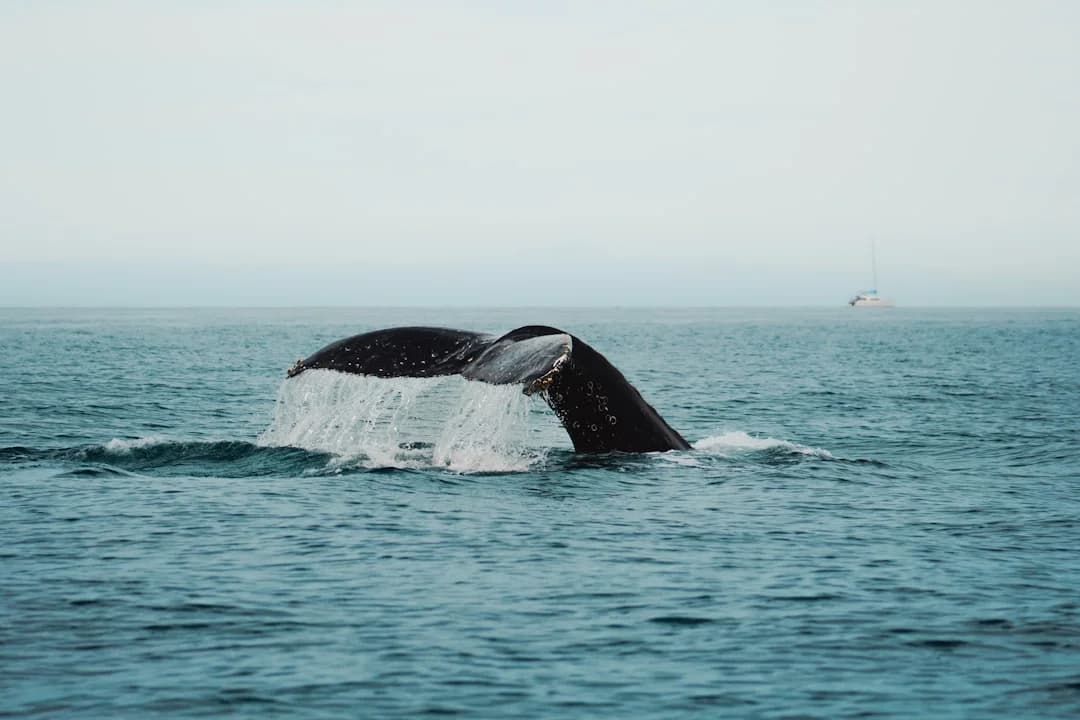
Photo by ximena alvizouri on Unsplash
BC Times delivers a data-driven look at the 2026 BC whale-watching season, underscoring how conservation rules, festival-driven tourism, and evolving technology are reshaping the coastal market. As crews on the water gear up for a season that experts expect to be both active and tightly regulated, regulators and operators are aligning to balance wildlife protection with visitor demand. The news emerges as communities along Vancouver Island and the Pacific Northwest gear up for the Pacific Rim Whale Festival, scheduled for March 14–21, 2026, and as authorities extend or adjust protective measures around Southern Resident killer whales (SRKW). This coverage provides a concise, factual update on what changed, why it matters, and what comes next for operators, tourists, and coastal communities. For readers tracking the BC whale-watching season 2026, the critical facts include the timing of conservation measures, the festival calendar, and the ways operators are adapting to enforcement regimes and new market realities.
The Pacific Rim Whale Festival is a standout signal of seasonality and regional engagement. The 2026 edition runs March 14–21 in Tofino and Ucluelet, highlighting the return of Pacific grey whales to the West Coast and the broader ecosystem tourism that accompanies marine-watching activity. This festival calendar matters for operators because it concentrates demand in the early part of the season, drawing visitors who are keen to pair wildlife excursions with cultural and environmental programming. In 2026, the festival storyline intersects with a suite of regulatory updates designed to protect SRKWs and other cetaceans while sustaining a robust coastal economy. The official festival site confirms the March dates and the multi-town footprint, underscoring the tourism pipeline that feeds booking platforms, local inns, and boat operators across Vancouver Island. (pacificrimwhalefestival.com)
Opening observations about the season come with a clear regulatory frame. In June 2025, the Government of Canada announced measures intended to reduce acoustic and physical disturbance to SRKWs along the west coast, with a core provision requiring vessels to stay at least 400 metres away from all killer whales and to avoid impeding their path in southern British Columbia coastal waters between Campbell River and Ucluelet (including Barkley Sound and Howe Sound). The measures were set to be in effect through May 31, 2026, a date that anchors planning for the 2026 season and informs how operators stage tours, which routes they promise, and how they deploy safety and compliance protocols on board. This 400‑metre requirement is part of a broader package that includes speed restrictions, time-bound zones, and habitat protection efforts under the broader SRKW recovery program. The government’s news release emphasizes that protecting the SRKWs is a shared responsibility that aligns with ongoing conservation and economic objectives. (canada.ca)
In early 2026, Fisheries and Oceans Canada published an updated map of SRKW management measures for the 2026 season, showing a phased approach to vessel distance and speed across key zones. The plan indicates a gray-hatched area for June 1, 2026 through May 31, 2027 that expands the approach distance to 1,000 metres for SRKWs in all southern BC coastal waters from Campbell River to just north of Ucluelet, with standard 200-metre protections for other whale populations in Canadian Pacific waters. This marks a substantial expansion of protective buffers and has direct implications for riders, captains, and ecotourism operators who must adjust their marine traffic and viewing practices. Operators and regulators alike are watching how this longer-range protection will affect route planning, scheduling, and safety on the water. (pac.dfo-mpo.gc.ca)
A parallel, widely circulated industry guideline remains the Be Whale Wise framework, a beacon for safe and respectful wildlife viewing. This guidance, adopted by various Canadian and U.S. jurisdictions, emphasizes staying well back from whales, avoiding abrupt maneuvers, and minimizing engine noise. It also reinforces the obligation to report violations to authorities. In British Columbia, the guideline specifies staying at least 400 metres from killer whales in southern BC coastal waters and 200 metres from other whales under resting or calf conditions, with additional distance rules for other behaviors. This practical framework shapes how tours are conducted, how captains brief passengers, and how the public window into wildlife experiences is managed during the BC whale-watching season 2026. (georgiastrait.org)
Section 1: What Happened
Calendar of events and regulatory updates
Pacific Rim Whale Festival schedule and regional focus
The Pacific Rim Whale Festival is a signature event for the BC coast, returning visitors and locals to the Tofino-Ucluelet corridor during the peak migration window. The official 2026 program lists events from March 14 to March 21, anchored in the West Coast Vancouver Island region and the Pacific Rim National Park Reserve. The festival celebrates Pacific grey whales and the broader marine ecosystem, offering fans of whale watching a coordinated set of activities that complements on-water excursions and shore-based viewing. For operators, the festival calendar serves as a critical demand driver, offering bundled experiences and cross-promotional opportunities with local businesses and Indigenous stewards. The festival also reinforces responsible viewing norms through participating whale-watching companies that adopt the festival’s “button” system and adhere to environmental stewardship principles. (pacificrimwhalefestival.com)
Be Whale Wise and SRKW protection measures in 2026
In 2025, Canada imposed a set of measures to protect SRKWs that has shaped the 2026 season’s operating environment. The core rule—400 metres minimum approach distance from all killer whales, with prohibition on impeding their path in SRKW habitat—was stated to be in effect through May 31, 2026. The measures also included geographic zones with speed restrictions and route adjustments designed to minimize vessel noise and disturbance in critical whale habitats. For the 2026 season, authorities laid out a long-term framework that features a potential transition to an expanded 1,000-metre approach distance in a gray-hatched zone from June 1, 2026 to May 31, 2027, reflecting a more precautionary stance and aligning with evolving scientific guidance on SRKW recovery. The official documents provide the clearest, most concrete timeline for operators to plan their itineraries, staffing, and safety procedures. (canada.ca)
Industry and citizen science in practice
BC whale-watching operators are increasingly blending tourism with in-field data collection and conservation partnerships. Vancouver Island Whale Watch, a major Nanaimo-based operator, emphasizes that its crews not only guide tours but also collect field data about whale movements and behaviors, contributing to broader understanding of the Salish Sea ecosystem. The operator’s site highlights year-round sailing with a public-tour focus in March–October and ongoing private charters, signaling how technology and data collection are serving both business objectives and science-based aims. This integration of guest experience with wildlife monitoring mirrors a broader industry trend toward responsible tourism that supports conservation goals while delivering value to travelers. (vancouverislandwhalewatch.com)
What happened on the water in early 2026
Public sightings and operator updates show a dynamic early 2026 season along the BC coast. Reports from Nanaimo-based operators indicate ongoing orca sightings, including a mix of resident and Biggs-type orcas, with several calves observed in the Salish Sea. The operator’s “Recent sightings” feed reflects a vibrant field in March and April 2026, with multiple pods, calves, and humpbacks noted in popular routes across the Southern Gulf Islands and Northumberland Channel. This on-water activity underscores the demand for wildlife experiences during BC whale-watching season 2026 while illustrating how crews adapt to changing animal presence and weather conditions that shape a given day’s itinerary. (vancouverislandwhalewatch.com)
Timeline and key facts
Timeline of regulatory actions and enforcement

- June 1, 2025: Interim Order for the Protection of Southern Resident killer whales in the waters off Southern British Columbia goes into effect, with a 400-metre approach distance and a prohibition on impeding the path of SRKWs in defined coastal zones (Campbell River to Ucluelet; including Barkley Sound and Howe Sound). This provides the baseline for the 2026 season’s operations and is accompanied by assorted speed restrictions and route adjustments in various zones. (canada.ca)
- May 31, 2026: The 2025–2026 measures were set to expire, prompting regulatory reviews and potential updates for the 2026–2027 period. In practice, the government has signaled a transition toward broader measures, including a 1,000-metre approach distance in a 2026–2027 window covering a large swath of southern BC waters. Operators and observers should monitor Transport Canada and DFO notices for the final implementation details. (canada.ca)
- June 1, 2026 onward: The 1,000-metre approach distance framework expands to all southern BC coastal waters between Campbell River and just north of Ucluelet, marking a major shift in how whale watching is conducted in SRKW habitat and adjacent zones. This represents a central factor for the 2026–2027 cycle and beyond. (pac.dfo-mpo.gc.ca)
Festival and tourism gateway
- March 14–21, 2026: Pacific Rim Whale Festival, Tofino and Ucluelet, BC. The event anchors early-season tourism and serves as a promotional platform for responsible viewing. The festival’s own schedule emphasizes educational and community-oriented activities that reinforce sustainable viewing practices, consistent with Be Whale Wise principles and SRKW protection goals. (pacificrimwhalefestival.com)
On-the-water behavior and compliance
- 400-metre standard, with a 200-metre allowance for non-SRKWs in other Canadian waters; 1,000 metres in SRKW-specific contexts is part of the evolving regulatory framework. Operators are expected to slow down, place engines in neutral when necessary, and avoid positioning themselves in a whale’s path, particularly when near calves or resting animals. The guidance is supported by multiple sources, including official Canadian materials and the Be Whale Wise framework. (georgiastrait.org)
Section 2: Why It Matters
Environmental protection and SRKW recovery
The 2026 season sits at the intersection of robust wildlife protection commitments and the desire to maintain a thriving coastal economy. The SRKW recovery program emphasizes reducing acoustic and physical disturbances, protecting prey sources, and limiting vessel traffic in key habitats. The updated management measures for 2026 signal a shift toward more conservative viewing distances and route planning in SRKW zones, reflecting scientific input and public policy priorities. The impact on operators is twofold: (a) compliance costs and schedule adjustments, and (b) opportunities to differentiate tours through education, conservation partnerships, and data-sharing with researchers. The policy stance aligns with broader ecological goals and Indigenous stewardship responsibilities that shape coastal decision-making. As one government release notes, these measures are designed to “support the recovery of the Southern Resident killer whale,” while balancing sustainable economic activity in coastal communities. (canada.ca)
Blockquotes and expert input from researchers and conservation groups underscore the seriousness of SRKW protection. For example, research syntheses and allied NGO communications highlight how a one-kilometre approach distance, or similar protective measures, can influence whale behavior, prey dynamics, and the broader health of the Salish Sea ecosystem. While such analyses are ongoing, the consensus is that enforceable distance rules, consistent with Be Whale Wise principles, reduce disturbance and improve long-term outcomes for whale populations. The reportage around 2026 emphasizes a data-driven approach to policy adaptation—continuously refined by field observations, enforcement data, and international best practices. (raincoast.org)
Economic and community impacts
BC's coastal communities are heavily reliant on tourism and wildlife viewing as a driver of local businesses, from boat operators to lodging, restaurants, and cultural experiences. The Pacific Rim festival is a clear example of events that concentrate visitor interest in a compact window, helping operators with planning and inventory management. Operators that combine tours with conservation storytelling—like Vancouver Island Whale Watch—report strong engagement with guests who value sustainable practices and data-informed experiences. The 2026 season, with its heightened regulatory environment, requires operators to update safety briefings, adjust itineraries for compliance, and maintain transparent communications with customers about viewing practices and expected restrictions. The market response includes a continued emphasis on online booking, real-time scheduling, and partnerships with environmental non-profits, which can help preserve demand while ensuring adherence to rules. (pacificrimwhalefestival.com)

Moreover, the season underscores a broader shift in ecotourism: a growing expectation that wildlife experiences occur within a framework of conservation science and regulatory compliance. Industry players have embraced this stance, balancing the thrill of wildlife encounters with the responsibility to minimize harm. For travelers, this means clear expectations around where they can go, how close they can approach, and what behaviors are expected on tours. For coastal communities, the alignment of policy with tourism growth helps sustain revenue streams while enhancing the credibility of BC whale-watching offerings as responsible, science-backed experiences. (canada.ca)
Technology and market trends shaping the BC whale-watching season 2026
Data-driven operations and field research
The integration of field data collection into tour operations is a notable trend. Operators that participate in data collection—often in collaboration with researchers—provide guests with a richer, scientifically grounded experience while contributing to long-term monitoring of whale populations and habitat health. Vancouver Island Whale Watch’s practice of guiding tours and simultaneously gathering field data illustrates how technology and human expertise meet to support conservation science. This approach enables operators to tailor routes based on current sightings and whale presence, enhancing visitor satisfaction while maintaining compliance with viewing guidelines. Such practices reflect a broader shift toward evidence-based ecotourism in the 2026 season. (vancouverislandwhalewatch.com)
Booking platforms, real-time updates, and guest education
The online presence of major operators—scheduling, live sightings feeds, and customer education pages—has become a core competitive advantage. For instance, Vancouver Island Whale Watch communicates schedules and rates online, provides real-time sightings updates, and explains vessel types and viewing approaches. This level of transparency and immediacy supports traveler decision-making in a dynamic regulatory environment and aligns with data-driven expectations for modern tourism. It also helps operators demonstrate compliance with viewing distance and speed restrictions, reinforcing trust with guests who want to know that their experiences are both exciting and safe for wildlife. (vancouverislandwhalewatch.com)
Regulatory communications and enforcement technology
The SRKW policy ecosystem benefits from integrated communications among Transport Canada, Fisheries and Oceans Canada, Parks Canada, and port authorities. The “Overview of 2026 management measures” page shows a coordinated set of measures and the readiness to communicate updates through Fishery Notices and regulatory portals. This collaborative model reduces confusion for operators and helps ensure consistent application of rules across zones. For travelers and observers, it translates into clearer expectations about where and when tours can operate, and what safety protocols will be in place on any given day along the coast. (pac.dfo-mpo.gc.ca)
Real-world consequences and case studies
Pacific Rim festival as a system-wide signal

The Pacific Rim Whale Festival’s calendar and programming illustrate how regional events can amplify demand for wildlife viewing experiences while reinforcing stewardship norms. By promoting responsible enjoyment of the Salish Sea and encouraging participation in conservation-minded activities, the festival helps encode a value proposition around sustainable watching—a message that resonates with both locals and visitors. The festival’s official materials show a well-defined schedule of activities designed to attract families, educators, and eco-tourists, reinforcing the idea that wildlife tourism can be a driver of sustainable economic activity when paired with strong conservation messaging. (pacificrimwhalefestival.com)
Community voices and policy debates
Interviews, public remarks, and commentary from conservation groups underscore a broad consensus: the BC whale-watching sector must preserve whale welfare while delivering meaningful experiences to the public. The SRKW recovery story is inherently long-term, requiring ongoing monitoring, data sharing, and adaptive management. Community groups, researchers, and policymakers have engaged in ongoing dialogues about the appropriate balance between viewing opportunities and protective buffers, particularly as scientific understanding of SRKW needs evolves. This conversation matters to readers because it frames the 2026 season not as a one-off event but as part of permanent, science-informed governance of whale watching in the region. (raincoast.org)
Section 3: What’s Next
Timeline, milestones, and next steps
June 1, 2026: Expanded approach distance
A major milestone for the BC whale-watching season 2026 is the June 1, 2026 date when the 1,000-metre approach distance for SRKWs is expected to be in effect in southern BC coastal waters from Campbell River to just north of Ucluelet, marking an important shift from the prior 400-metre baseline. This expansion, if implemented as scheduled, will require operators to modify viewing practices, route planning, and guest education to ensure safety and compliance while maintaining tour quality. The official map of 2026 management measures includes this expansion and notes the expectation of some exceptions and interpretive flexibility based on whale presence and specific zones. For readers and operators, June 1, 2026 represents a watershed moment in how the season is conducted and how close watchers may get to whales in SRKW habitat. (pac.dfo-mpo.gc.ca)
Ongoing enforcement and compliance monitoring
Enforcement of the 2025–2026 measures has been a persistent facet of the policy landscape. Reports and government materials indicate that enforcement activity, training, and penalties have increased in recent years, reinforcing the seriousness of SRKW protection. The 2025 measures, with enforcement intensifying in 2024 and beyond, serve as a basis for ongoing vigilance during the 2026 season. Operators should anticipate continued regulatory attention, including potential updates to viewing zones, speed restrictions, and reporting requirements. The enforcement history highlighted by Transport Canada and Fisheries and Oceans Canada provides a framework for operators to maintain compliance while delivering compelling wildlife experiences. (canada.ca)
Community engagement and Indigenous partnerships
The 2026 season is also a moment to deepen Indigenous partnerships and Coast Salish and Vancouver Island communities’ involvement in whale watching and stewardship. Festival programming, shared stewardship agreements, and local environmental initiatives are expected to continue expanding, aligning tourism growth with cultural and ecological priorities. Developers and operators are likely to emphasize inclusive storytelling, ongoing education, and transparent collaborations with First Nations, aligning with the broader movement toward responsible coastal development in British Columbia. The Pacific Rim festival’s emphasis on local stewardship and Indigenous partnerships provides a practical blueprint for how this engagement can translate into richer visitor experiences and stronger community buy-in. (pacificrimwhalefestival.com)
What to watch for in the weeks and months ahead:
- Regulatory updates from Transport Canada and DFO clarifying 1,000-metre rules, enforcement protocols, and any zone-specific exceptions.
- Operator adaptations to new distance requirements, including revised viewing protocols, gear checks, and crew briefings.
- Festival activity and coordinated tours that align with Be Whale Wise principles and SRKW protection, including educational programming tied to the Pacific Rim Whale Festival.
- Ongoing scientific and NGO updates on SRKW recovery status, prey availability, and ecosystem health in the Salish Sea.
Closing
The BC whale-watching season 2026 is shaping up as a pivotal year for balancing wildlife protection with a thriving coastal economy. Government measures designed to protect SRKWs—especially the sector-wide emphasis on safe viewing distances and reduced acoustic disturbance—will directly influence how tours operate, where itineraries travel, and how guests experience the spectacle of the Salish Sea. Meanwhile, regional events like the Pacific Rim Whale Festival and the growing integration of field data collection into commercial tours are reinforcing a model of ecotourism that is both engaging and responsible.
As operators adapt to the evolving regulatory landscape, travelers can expect more transparent briefing, more data-informed itineraries, and more opportunities to participate in conservation-minded experiences. The 2026 season’s trajectory—driven by regulatory clarity, festival momentum, and tech-enabled, data-driven operations—offers a blueprint for sustainable wildlife tourism along the British Columbia coastline. Readers and visitors should stay connected with operator announcements, be Whale Wise guidelines, and government advisories to ensure that each excursion is both enjoyable and aligned with the best available science.
If you’re planning a BC whale-watching trip for 2026, monitor operator schedules in March around the Pacific Rim Whale Festival, then watch for June 1, 2026 regulatory updates that may modify how tours approach SRKW habitat. The convergence of policy, markets, and technology in the BC whale-watching season 2026 is a compelling example of how conservation science informs everyday experiences on the water, and how communities can grow responsibly by embracing data-driven approaches to wildlife tourism. By embracing these practices, the sector can deliver memorable encounters with whales while protecting the very ecosystems that make those experiences possible.