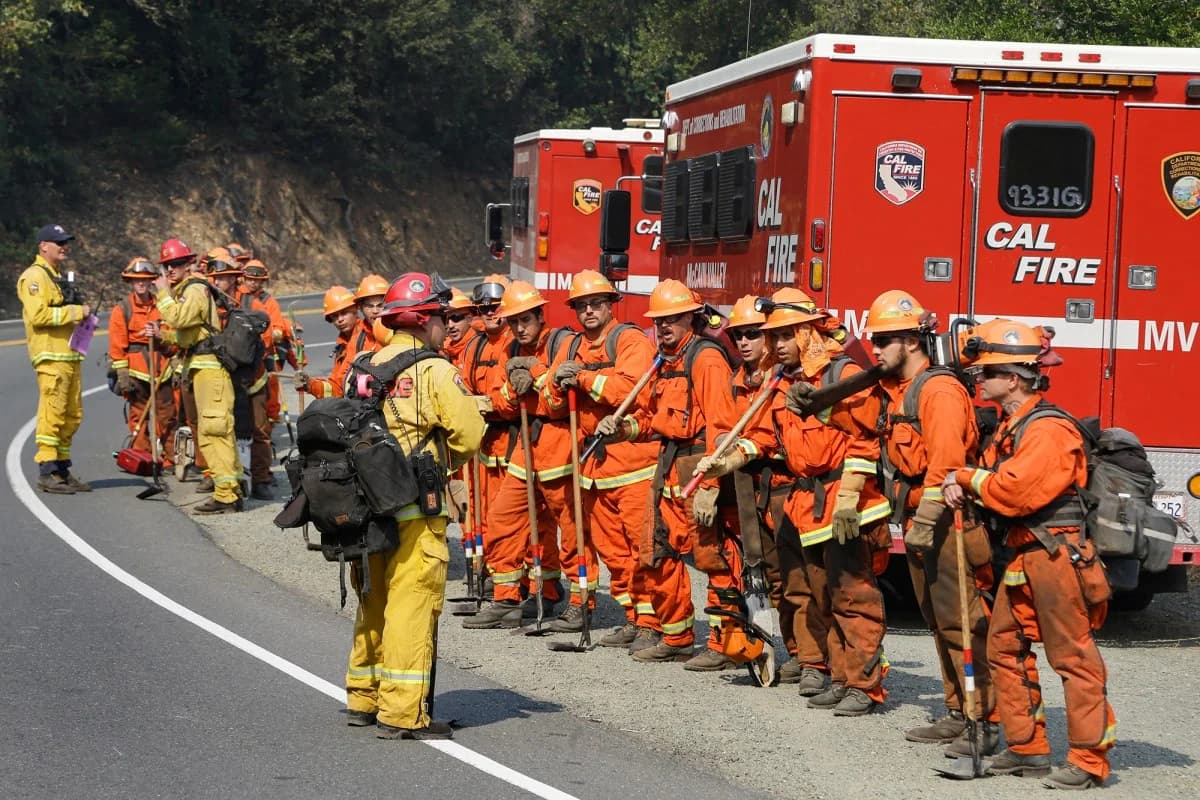
BC wildfire crews prepare for early season……

BC Times — Independent journalism covering British Columbia, Vancouver, and the Pacific Northwest. In-depth reporting on local news, politics, environment, and West Coast culture. As we explore how BC wildfire crews prepare for early season……, our coverage blends on-the-ground reporting with context about preparedness programs, community resilience, and the evolving threat of wildfire in a warming climate.
The phrase BC wildfire crews prepare for early season…… isn’t just a headline; it signals a complex, year-round effort to protect people, properties, and landscapes across British Columbia. For BC Times readers, this topic touches every corner of our province—from the thick boreal forests of the north to the urban-wildland interfaces around Vancouver and the Gulf Islands. Our goal is to illuminate not just what’s happening this spring, but how preparation shapes response, recovery, and everyday life in British Columbia. This article weaves together official preparedness programs, community engagement, and the evolving role of technology and training in wildfire readiness. It also reflects BC Times’ commitment to independent journalism that keeps local voices at the center of West Coast conversations.
Understanding the early season context in British Columbia
Wildfire is a defining feature of the western Canadian landscape, and BC’s approach to early-season readiness is built on lessons learned from recent years and a foundation of proactive prevention. The Government of British Columbia emphasizes that preparation is ongoing and multi-faceted, spanning detection, monitoring, mitigation, and community engagement. As climate change intensifies the risk, BC’s strategy stresses not only rapid response but also risk reduction and public information campaigns designed to reduce human-caused fires. For readers following the BC wildfire scene, the early season is as much about planning and prevention as it is about firefighting capacity when fires do start. The government highlights that BC’s wildfire service personnel detect, monitor, and respond to thousands of fires each year, reinforcing the importance of readiness across all regions of the province. (www2.gov.bc.ca)
The 2025 wildfire season offered a clear reminder that preparedness must be continuous, with a focus on training, equipment, and interagency collaboration. The Wildfire Season Summary for 2025 notes that the BC Wildfire Service expanded its wildland-firefighter hiring window, resulting in more than 2,200 applicants—an industry-leading effort to strengthen early-season capabilities and ensure that trained personnel are ready when conditions become favorable for fires to start. This context helps explain why BC wildfire crews prepare for early season…… isn’t merely about fighting fires but about maintaining a robust pipeline of skilled responders and a resilient network of partners. (www2.gov.bc.ca)
The broader preparedness framework includes efforts to inform and mobilize communities before fire season begins. Provincial resources emphasize awareness, risk reduction, and personal preparedness as critical components of resilience. As Wildfire Prevention materials note, prevention goes beyond stopping new fires; it encompasses FireSmart practices, education, and collaboration with homeowners, municipalities, and Indigenous communities to reduce risk in the wildland-urban interface. This integrated approach is essential to sustaining readiness across urban centers like Vancouver and rural inland communities alike. (www2.gov.bc.ca)
BC wildfire preparedness is also tied to funding mechanisms designed to bolster local capacity. Programs such as the Crown Land Wildfire Risk Reduction (WRR) initiative target fuel management, prescribed fire, and infrastructure protection on Crown land, emphasizing a proactive stance on risk reduction and the development of a comprehensive prescribed-fire program. The WRR program reflects a broader commitment to resilience that complements frontline firefighting efforts during early-season windows when weather can quickly shift from manageable to dangerous. (www2.gov.bc.ca)
Preparing communities for wildfire is not only about government action; it requires local buy-in and collaboration. The Columbia Basin Trust’s Small Community Wildfire Readiness Support Program is one example of how regional funds help small or remote communities build capacity for prevention, training, and equipment purchases, underscoring the provincial emphasis on distributing readiness resources across diverse regions. This underpinning helps explain why BC wildfire crews prepare for early season…… is a provincial priority with local applications. (www2.gov.bc.ca)
As BC Times tracks these developments, the message from officials and practitioners is consistent: readiness is a shared responsibility that combines training, prevention, and community resilience. The emphasis on training and rapid mobilization is echoed by statements from ministries and the BC Wildfire Service, which stress ongoing upgrades to technology, equipment, and procedures to maintain a high level of readiness for an active wildfire season. In short, early-season preparation is about building trust, capacity, and response speed across government, industry, Indigenous communities, and residents. (news.gov.bc.ca)
"Every day, the hard-working members of the BC Wildfire Service are preparing for the wildfire season." This sentiment from local coverage reflects a culture of continuous readiness that underpins all our reporting on BC wildfire crews prepare for early season…… and the broader systems that support it. (cheknews.ca)
Training and recruitment: building a strong frontline
A cornerstone of early-season readiness is ensuring an ample, well-trained workforce ready to respond when fires ignite. The 2025 season highlighted a significant investment in recruitment and training, with more than 2,200 applicants expressing interest in becoming part of BC’s wildfire response teams. This spike in interest signals both a heightened public focus on wildfire risk and a strategic push by the BC Wildfire Service to expand its capabilities in the face of longer, more intense fire seasons. For readers of BC Times, this is not just a numbers story; it’s about the people who show up at boot camps, undergo rigorous training, and stand ready to protect communities. (www2.gov.bc.ca)

New Recruit Boot Camps began in April, a proactive step that accelerates readiness ahead of peak fire months. The expansion of recruitment avenues, including additional First Nations boot camps, demonstrates a commitment to inclusive recruitment and improved retention. These efforts aim to equalize access to wildfire careers and to ensure that frontline responders reflect the diversity of the communities they serve. The focus on indigenous recruitment acknowledges the important role Indigenous partners play in prevention, preparedness, and response across British Columbia. (www2.gov.bc.ca)
Preseason training also emphasizes safety, decision-making under pressure, and the latest tactics in wildfire suppression. By front-loading training before the summer season, the BC Wildfire Service reduces the risk of delayed responses when conditions deteriorate. This approach aligns with a growing body of practice that recognizes the value of early-season drills, simulations, and scenario planning to sharpen crews’ predictive skills and operational coordination. As BC readers will appreciate, this isn’t just about gear; it’s about expertise, teamwork, and the mental readiness that underpins effective firefighting. (www2.gov.bc.ca)
Prevention and FireSmart: reducing risk before flames start
Prevention is a central pillar of modern wildfire readiness, particularly in regions where homes and infrastructure border forests. The BC Wildfire Service Prevention Program emphasizes the seven disciplines of FireSmart, a holistic approach that combines public education, fuels management, and community engagement to reduce wildfire risk. The program’s emphasis on FireSmart underlines the truth that readiness begins long before a flame is sighted. Homeowners, local governments, and Indigenous communities each have a role to play in reducing ignition risk and improving community resilience. For BC Times readers, FireSmart is a practical, local-minded framework that complements the work of wildfire crews by removing ignition sources and creating defensible space. (www2.gov.bc.ca)
Crown Land management also intersects with prevention, as WRR projects focus on fuel treatments around higher-risk communities and critical infrastructure. The WRR program’s emphasis on prescribed fire and fuel reduction reflects a proactive, science-backed approach to risk reduction that can lessen the intensity and spread of wildfires when they do occur. The combination of FireSmart and Crown Land Fire Risk Reduction efforts illustrates a layered strategy that reduces the burden on frontline crews and supports community safety in both rural and urban settings. (www2.gov.bc.ca)
Technology, training, and the modern toolkit
Advances in technology play a growing role in wildfire preparedness. The Government of British Columbia notes that preparedness now involves cutting-edge tools and methods, from wildfire predictive analytics to enhanced night-vision resources and other technologies that improve detection, monitoring, and response times. While firefighting itself remains a physically demanding and dangerous job, the integration of tech-assisted tactics helps crews stay ahead of fire behavior and coordinate more efficiently with partners across the province. For BC Times readers, this means that BC wildfire crews prepare for early season…… with a toolkit that blends traditional fieldcraft with data-driven decision-making. (news.gov.bc.ca)

The overall preparedness framework also includes training and readiness for extreme weather scenarios, which are increasingly relevant given climate trends. The “Get prepared for a wildfire” guidance highlights the need for residents to understand wildfire stages, staying informed, and preparing personal protection plans. This educational component is essential for reducing risk to communities and ensuring that the broader system can respond rapidly when fires begin. (www2.gov.bc.ca)
Interagency collaboration and mutual aid: a regional approach
Wildfire response in British Columbia is a collaborative enterprise that spans provincial agencies, local governments, First Nations, and neighboring jurisdictions. The 2025 summary emphasizes ongoing collaboration with local, national, and international partners to ensure a more resilient future, including the use of predictive technology and shared resources. This collaborative ethos is critical during the early-season window when weather can shift rapidly and demand for resources can surge. For BC Times readers, understanding these partnerships helps explain how BC wildfire crews prepare for early season…… beyond any single agency’s capabilities. (news.gov.bc.ca)
Mutual aid and regional readiness also connect to community-level preparations such as FireSmart campaigns and local readiness programs. The Columbia Basin Trust program, which funds small communities’ wildfire readiness, is a practical example of how regional partnerships translate into on-the-ground capacity. By supporting training, equipment, and readiness planning at the local level, these programs help ensure that when a fire starts, communities are better positioned to act quickly and effectively. (www2.gov.bc.ca)
Vancouver and West Coast perspectives: urban-rural alignment
Vancouver’s approach to wildfire prevention and readiness shows how a major city integrates regional fire risk into its planning and public messaging. The City of Vancouver has emphasized prevention in urban parks and green spaces, promoting responsible behavior to reduce fire risk and protect public spaces. While Vancouver’s direct firefighting resources are distinct from the BC Wildfire Service, the city’s prevention messaging supports broader regional resilience by encouraging the public to engage in protective behaviors during hot, dry periods. This is a practical reminder that readiness is a shared responsibility across urban and rural spaces. (vancouver.ca)

The West Coast context also reminds us that wildfire matters to the Pacific Northwest beyond British Columbia. The cross-border and cross-region cooperation that characterizes the broader wildfire response ecosystem reflects a shared recognition that fire season spans landscapes, jurisdictions, and communities. For readers of BC Times, the Vancouver perspective provides a concrete example of how local governments translate provincial preparedness into actionable public guidance. (vancouver.ca)
Data gaps and the path forward: ensuring transparency and accessibility
Despite robust programs and clear progress, data gaps remain, particularly for smaller communities or remote regions where wildfire readiness may depend on local capacity and unique circumstances. The Small Community Wildfire Readiness Support Program exemplifies how targeted funding can address these gaps, but it also signals that continued investment and evaluation are essential to ensure every community benefits from readiness efforts. BC Times will continue to monitor these programs, highlighting success stories and identifying opportunities for improvement as part of our ongoing coverage of British Columbia’s environment and community welfare. (www2.gov.bc.ca)
The government’s ongoing communications about preparedness, prevention, and response also emphasize the importance of public engagement. Resources like the “Be wildfire ready” portal and the main wildfire prevention pages reinforce the message that readiness is a shared undertaking—one that involves residents, homeowners, and local leaders alike in reducing risk and improving outcomes when fires occur. (wildfireready.gov.bc.ca)
A practical guide to the early-season playbook
To make this article actionable for BC Times readers, here is condensed guidance drawn from official programs and readiness best practices. The items below reflect a synthesis of policy, field practice, and community education that underpins BC wildfire crews prepare for early season…… in real life.
- Preseason training cycles and boot camps: Prioritize recruitment, complete foundational and advanced training, and ensure a steady pipeline of qualified personnel entering the field before peak season. This approach aligns with the record-breaking recruitment activity seen in 2025 and helps ensure crews are prepared for early-season conditions. (www2.gov.bc.ca)
- FireSmart and home hardening in the wildland-urban interface: Promote FireSmart practices in neighborhoods near forests, with support from local governments and community groups. Education and proactive mitigation reduce ignition risk and lessen potential losses. (www2.gov.bc.ca)
- Crown Land risk reduction and prescribed fire: Implement targeted fuel management and prescribed-fire programs around critical infrastructure and high-risk areas to lower overall fire intensity and spread during early-season windows. (www2.gov.bc.ca)
- Community readiness funding: Leverage funding programs that help small communities invest in training, equipment, and planning so they can act quickly when fires arise. (www2.gov.bc.ca)
- Public information and personal preparedness: Encourage residents to prepare emergency plans and grab-and-go kits, and to follow evacuation orders and local guidance during the fire season. Public readiness supports faster official response and safer communities. (www2.gov.bc.ca)
- Interagency coordination and mutual aid: Foster strong relationships with partners across provinces and regions to ensure rapid deployment of resources and effective incident management when fires cross borders or challenge local capacity. (news.gov.bc.ca)
- Municipal and park-level prevention messaging: Support local authorities in communicating clear guidelines to park users and residents about preventing fires in parks and public spaces. Community-level actions can significantly reduce ignition sources. (vancouver.ca)
This playbook isn’t exhaustive, but it captures the practical building blocks of how BC wildfire crews prepare for early season…… and how communities can participate in resilience. The data and programmatic foundations are laid out in official sources, which we reference throughout this article to provide a transparent view of readiness practices. Readers who want deeper details can explore the linked pages and government updates referenced in the citations.
A deeper look at the provincial preparedness ecosystem
- Training and recruitment: The growth in applicant numbers, boot camps, and targeted Indigenous recruitment reflect a deliberate strategy to diversify and strengthen frontline capacity. These steps are part of a broader trend toward specialized training, improved wildfire detection, and enhanced operational readiness that the province has highlighted in recent years. (www2.gov.bc.ca)
- Prevention and FireSmart: The FireSmart framework is a central, recurring element of BC’s prevention strategy. It involves communities actively reducing wildfire risk through property maintenance, vegetation management, and public education. This integrated approach supports a more resilient landscape as part of the early-season readiness narrative. (www2.gov.bc.ca)
- Crown Land risk reduction: WRR projects extend readiness beyond communities to the landscapes around them, focusing on fuel management, prescribed fires, and critical infrastructure. This proactive approach helps protect infrastructure and reduce the likelihood that fires become unmanageable. (www2.gov.bc.ca)
- Community-focused funding: The Small Community Wildfire Readiness program demonstrates how targeted funding can help smaller communities close readiness gaps, which is vital for a province with diverse geographies and population densities. (www2.gov.bc.ca)
- Public-facing preparedness: The “Get prepared for a wildfire” guidance and related materials offer residents practical steps, from understanding wildfire stages to staying informed during an emergency. These resources help bridge the gap between official readiness and individual action. (www2.gov.bc.ca)
- Interagency cooperation: The 2025-2026 period has seen an emphasis on collaboration with partners to share knowledge, resources, and technology. This is a hallmark of an evolving readiness architecture that aims to respond more rapidly and effectively to fires across jurisdictions. (news.gov.bc.ca)
Quoting wisdom and voices from the field
As a field anchored in risk and response, wildfire readiness invites candid voices from those who live it every season. A key sentiment from official channels captures the daily rhythm of preparedness: “Every day, the hard-working members of the BC Wildfire Service are preparing for the wildfire season.” This line underscores the routine nature of readiness—not a one-off event, but a sustained discipline that unfolds year-round. The sentiment is echoed in local reporting and government communications, reinforcing that readiness isn’t a seasonal sprint but an ongoing practice. (cheknews.ca)
For BC Times readers, the takeaway is clear: the province’s approach to early-season readiness blends training, prevention, and collaboration into a robust system designed to protect communities, forests, and livelihoods.
Children’s dentist is not only about taking care of their teeth, it's also about taking care of their habits. (Note, you do not need to add another quotation mark.)
Case studies and data gaps: where more information would help
While the official sources provide a strong blueprint for readiness, there are always local nuances and data gaps that deserve closer attention. Small communities, remote areas, and Indigenous nations may have distinct risk profiles, weather patterns, and resource needs that aren’t fully captured in high-level programs. The Columbia Basin Trust Small Community Wildfire Readiness program is a helpful model, but its reach is regionally focused. Readers may benefit from localized case studies that illustrate how specific communities implemented FireSmart measures, conducted fuel treatments on Crown land, or integrated new training cohorts into their local emergency management structures. These data gaps should be a priority for further reporting to ensure all communities can claim stronger readiness. (www2.gov.bc.ca)
BC Times will continue to follow these threads, tracking which programs translate into measurable reductions in risk, how communities are engaging residents in preparedness, and where additional funding or policy changes could improve outcomes. By spotlighting both success stories and gaps, we aim to provide a clear map of where BC’s wildfire readiness journey stands—and where it needs to go next.
The West Coast lens: comparing with nearby regions
The broader North American wildfire landscape offers useful context for BC’s approach. Observers note that wildfire seasons across Canada and parts of the United States have been shaped by shifts in climate, drought, and heat. While the specifics of BC’s wildfire service operations are unique, the themes of preparedness, prevention, and interagency collaboration resonate across jurisdictions. The BC approach—emphasizing FireSmart, Crown Land risk reduction, and a strong frontline workforce—aligns with a growing consensus that prevention and readiness must accompany rapid response in order to limit losses and protect communities.
This cross-border perspective helps BC Times readers see that British Columbia is not an isolated case; rather, it is part of a continental effort to build more resilient landscapes in an era of warming climates and more frequent extreme fire events. It also invites ongoing dialogue about best practices, funding priorities, and the role of technology in shaping the next era of wildfire readiness. (www2.gov.bc.ca)
A practical, resource-rich recap: making sense of readiness
- Key programmatic pillars: FireSmart prevention; Crown Land WRR; small-community readiness funding; robust training pipelines; public preparedness education. These pillars together form the backbone of BC wildfire crews prepare for early season…… and the broader readiness ecosystem. (www2.gov.bc.ca)
- Training and recruitment as force multipliers: The surge in applicants and boot camps demonstrates strategic focus on human capacity, which is arguably the most critical and flexible resource in fire management. (www2.gov.bc.ca)
- Public information’s role: A well-informed public that understands wildfire stages, evacuation procedures, and prevention practices enhances community resilience and reduces risk to responders. (www2.gov.bc.ca)
- Technology as an enabler: From predictive tools to enhanced detection, technology supports faster decisions and more coordinated actions, reinforcing the frontline crews’ effectiveness during the early-season window. (news.gov.bc.ca)
Acknowledging the audience: BC Times’ framing and goals
BC Times is dedicated to independent journalism covering British Columbia, Vancouver, and the Pacific Northwest. Our reporting on BC wildfire crews prepare for early season…… is designed to inform residents, policymakers, and community organizations about how readiness is built, funded, and practiced on the ground. By weaving government programs, community initiatives, and frontline realities into a single narrative, we aim to provide a clear, actionable understanding of wildfire preparedness in our province. This approach aligns with our broader mission to deliver in-depth reporting on local news, environment, and West Coast culture, and to empower readers with knowledge that enhances safety, resilience, and civic engagement.
The article you’ve read draws on official BC sources and local reporting to provide a rigorous but accessible picture of preparedness. It reflects BC Times’ stance as a publication that takes seriously the responsibilities of coverage around natural hazards, climate impacts, and community stewardship. For readers who want to dive deeper, the sources cited throughout offer a step-by-step view into how the province organizes, funds, and executes readiness activities, from boots-on-the-ground training to large-scale prevention programs.
Closing thought: looking ahead with preparedness in mind
As BC enters another wildfire season, the question isn’t whether fires will ignite, but how prepared communities and responders can be when they do. The early-season window is a critical period for solidifying training, implementing prevention measures, and strengthening partnerships that can save homes, forests, and lives. By continuing to prioritize readiness—through training, FireSmart actions, Crown Land risk reduction, and community-funded preparedness—we can reduce risks and improve outcomes when fires inevitably arise.
BC Times will continue to monitor developments in BC wildfire crews prepare for early season……, including new training cohorts, updated prevention programs, and community-level successes and challenges. Our coverage will remain anchored in the experiences of residents and frontline responders, highlighting the human stories behind the data and the practical steps every neighborhood can take to be safer this wildfire season.