British Columbia politics 2026 budget and policy shifts

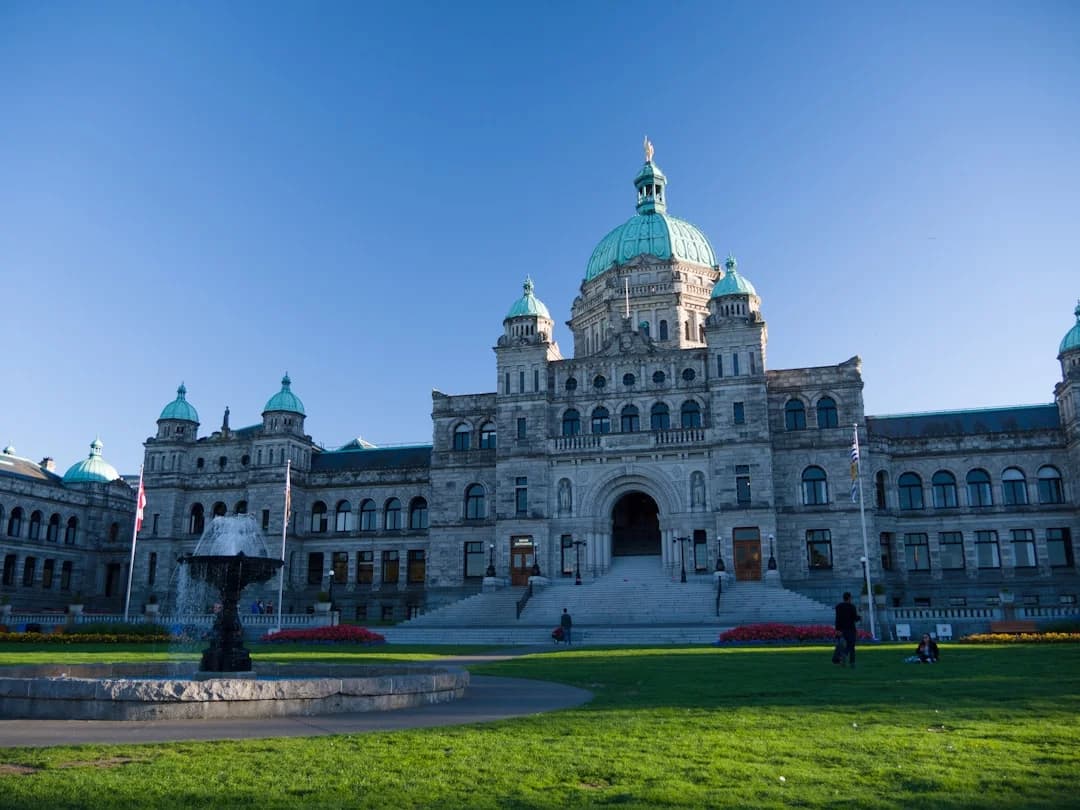
Photo by Mauro-Fabio Cilurzo on Unsplash
British Columbia enters 2026 amid a shifting fiscal landscape as Budget 2026 lays out a plan to protect essential services while steering investment toward health care, education, and strategic economic initiatives. Finance Minister Brenda Bailey framed the budget as a careful, disciplined response to global economic uncertainty, aiming to safeguard what matters most for British Columbians while laying groundwork for future growth. The public release, dated February 17, 2026, outlines a three-year plan that reallocates resources, introduces targeted tax changes, and creates new mechanisms designed to attract investment and accelerate key projects in health, education, and industry. The package signals the government’s balancing act: preserve core services in the near term, implement prudent reforms to revenue, and pursue investment opportunities that could bolster the province’s long-term competitiveness. This news matters not only for households and public-sector workers but also for technology firms, manufacturers, and researchers looking for clearer signals about policy shifts that could affect cost of living, business taxes, and grant opportunities. (news.gov.bc.ca)
Budget 2026 documents reveal a multi-pronged effort to bolster public services while creating new tools for economic development. Among the headline measures are a substantial health-care funding boost—$2.8 billion in new funding over three years—to expand capacity and support frontline workers, plus targeted programs for mental health, addictions treatment, and reproductive health services. Education receives a broad uplift as well, including $634 million in new funding over three years to support teachers, student services, and inclusive learning, with a particular emphasis on adding teachers and school psychologists. In early 2026, provincial leaders are signaling that investments in people—through health care, education, and child care—will be central to achieving a stronger, more inclusive recovery. (news.gov.bc.ca)
Section 1: What Happened
Policy Highlights
Health care expansion and service capacity
Budget 2026 makes health care the single largest spending priority, outlining $2.8 billion in new funding over three years to increase capacity and respond to rising demand for services. The plan specifies hiring more doctors, nurses, and health-care workers and financing the planning, development, and operation of new and expanded hospitals and health-care facilities across the province. An additional $131 million is allocated for intensive mental-health and addictions treatment, including involuntary care spaces, and $34 million annually to provide IVF access for almost 1,800 families. The government notes it is also leveraging federal contributions—$447 million—to support health services for seniors, including long-term care improvements. These health investments are designed to address persistent wait times and workforce shortages while aligning with broader Look West goals that tie skill development to health-sector demand. (news.gov.bc.ca)
“Budget 2026 protects the most critical services that people rely on every day through $5.1 billion in funding to strengthen health care, K-12 education and supports for people who need care and assistance,” the Finance Ministry summarized, underscoring a shield-and-build approach for public services. (news.gov.bc.ca)
Education, child care, and social supports
A cornerstone of Budget 2026 is reinforcing the social-support architecture: $634 million in new funding over three years for K-12 education—strong emphasis on inclusive learning and student services, including a $167 million Classroom Enhancement Fund intended to expand teacher capacity and support for students with diverse needs. In child care, the plan adds a $330 million uplift to ChildCareBC, aimed at keeping fees affordable and preserving access, plus $25 million to expand child care options on school grounds. The budget also earmarks funding for disabilities services and targeted supports for youth and families. These measures reflect a consistent theme in provincial policy: investing in the foundation that enables residents to participate in the economy and pursue skilled trades and higher education. (news.gov.bc.ca)
Tax changes and revenue measures
Budget 2026 rebalances the tax system to temper growth in core services funding while maintaining provincial competitiveness. The first personal income tax bracket rises by less than 0.6 percentage points, from 5.06% to 5.60%, delivering an estimated $76 increase in income tax for the average taxpayer in 2026. The government also notes that more than 40% of taxpayers are expected to see net savings when this change is paired with an elevated B.C. tax reduction credit. In parallel, indexing of tax brackets is paused for 2027–2030, with indexing resuming in 2031. Other revenue measures include an expanded PST base to cover professional services and certain business-to-business transactions, and higher taxes on foreign owners through the Speculation and Vacancy Tax and on certain high-value properties via the Additional School Tax. A new temporary 15% Manufacturing and Processing Investment Credit is introduced to encourage investment in buildings, machinery, and equipment for manufacturing and processing. The Shipbuilding and Ship Repair Industry Tax Credit is extended to the end of 2027, reflecting continued emphasis on B.C.’s maritime sector. (news.gov.bc.ca)
Strategic investments and the capital plan
Budget 2026 establishes a new $400-million British Columbia Strategic Investments Special Account designed to help the province move quickly on major projects and to partner with the federal government in advancing investments that reinforce sovereignty and economic opportunity. The capital plan remains sizable at nearly $38 billion in taxpayer-supported investments over three years, supporting hospitals, schools, transit expansions, and student housing. Recognizing cost pressures and the need for sustainability, the budget also signals a more strategic sequencing of capital projects to manage escalation and debt considerations. The plan emphasizes that the pace of certain capital projects will be adjusted to preserve long-term fiscal health. (news.gov.bc.ca)
Public safety and justice
Budget 2026 includes $139 million over three years to strengthen public safety and improve access to justice, including initiatives to address repeat violent offending and chronic property crime, as well as ongoing investments to support court operations and legal services. The budget underscores a multi-pronged approach to crime and safety, integrating enforcement with social supports and treatment programs where appropriate. The government frames these investments as essential to maintaining a stable environment for families and businesses in communities across British Columbia. (news.gov.bc.ca)
A note on governance and efficiency
Budget 2026 continues the government’s effort to improve efficiency and reduce discretionary spending, building on expenditure management targets announced in Budget 2025. The document indicates plans to reduce the public sector footprint and streamline program delivery, with a focus on ensuring dollars reach front-line services. In addition to personnel changes, the budget outlines measures to improve procurement, expand shared services in non-clinical areas, and pursue targeted efficiency gains across departments. These governance tweaks are positioned as supporting the broader aim of protecting services while funding priority programs. (news.gov.bc.ca)
Timeline and key facts at a glance
- February 17, 2026: Budget 2026 released in Victoria, outlining the three-year fiscal plan and policy changes. (news.gov.bc.ca)
- Health care: $2.8 billion in new funding over three years; $131 million for mental health and addictions; $34 million annually for IVF access; $447 million in federal contributions for seniors’ health services. (news.gov.bc.ca)
- Education and child care: $634 million for K-12 and inclusive learning; $167 million for Classroom Enhancement Fund; $330 million to ChildCareBC; $25 million to expand childcare on school grounds. (news.gov.bc.ca)
- Tax changes: 0.6 percentage-point rise in the first income tax bracket; expansion of the PST base; extension of Shipbuilding Tax Credit to 2027; 15% manufacturing investment credit. (news.gov.bc.ca)
- Deficits and debt: Deficits projected to decline from 2026-27 to 2028-29; debt-to-GDP remains among the lowest in Canada; 2026-27 deficit of about $13.3 billion, decreasing to $11.4 billion by 2028-29. (news.gov.bc.ca)
Section 2: Why It Matters
Economic and Fiscal Implications
Stabilizing essential services in uncertain times

Photo by Kosuke Noma on Unsplash
Budget 2026 is built on the premise that global economic uncertainty necessitates prudent public spending while protecting core services. The health-care investment is framed as a direct response to rising demand and workforce pressures, with a clear emphasis on capacity building, frontline staffing, and hospital expansion. This approach aligns with the province’s pattern of prioritizing health and education as a backbone of social prosperity. Observers note that the scale of health spending—$2.8 billion over three years—signals a long-term commitment to health-system resilience, even as structural reforms and efficiency measures are pursued elsewhere in the budget. For readers following public policy, these investments translate into near-term job growth in health care and related industries, as well as longer-term capacity for residents to access timely care. (news.gov.bc.ca)
Tax policy as a lever for households and business
The tax changes in Budget 2026 reflect a deliberate trade-off: a modest increase in the first income tax bracket to 5.60% is balanced by an enhanced B.C. tax reduction credit, offering net relief to a substantial share of taxpayers, particularly those with lower incomes. The pause on bracket indexing through 2030 is designed to stabilize the revenue base in the near term while preserving long-run revenue. Simultaneously, the expansion of the PST base and targeted taxes on foreign owners and high-value properties are positioned as revenue tools to support service funding without broad tax increases. For policymakers and financial analysts, these shifts illustrate a disciplined approach to revenue that seeks to avoid large-scale tax upheaval while addressing fiscal gaps and investment requirements. (news.gov.bc.ca)
Innovation and industry incentives
Budget 2026’s support for business investment—via a new temporary Manufacturing and Processing Investment Tax Credit (15%) and the extension of the Shipbuilding and Ship Repair Tax Credit—signals a targeted strategy to bolster B.C.’s manufacturing, processing, and maritime sectors. The plan to explore a patent box regime also points to stronger incentives for research and development and intellectual property creation within the province. These measures are particularly relevant for technology and high-growth sectors that rely on competitive tax structures and streamlined permitting processes. Industry observers and financial analysts highlight that such incentives can shorten the capital payback period for new equipment and facilities, potentially attracting private investment and accelerating technology adoption in key sectors. (news.gov.bc.ca)
Education and workforce development as a growth engine
The significant funding for education and skills training—$634 million in three years for K-12 and education-related initiatives, plus $283 million for trades training—reflects a broader policy objective: to align the workforce with in-demand technologies and industries. The Look West framework emphasizes investing in people as a pathway to long-term economic security, and Budget 2026 translates that into concrete programs, such as expanding apprenticeships and enhancing training centers. For tech firms and employers, these investments can expand the pool of local talent with relevant skills, reducing hiring friction and potentially lowering labor costs for high-demand roles. (news.gov.bc.ca)
Impacts on Technology and Market Trends
Operational shifts and efficiency programs
Budget 2026 features an emphasis on efficiency, including a shared services approach to non-clinical functions in health care and broader government operations. This emphasis on back-office consolidation can affect market opportunities for IT, procurement, and enterprise software firms that support large-scale public-sector transformations. Analysts view such efficiency drives as potentially creating demand for digital procurement platforms, data analytics, and cloud-based solutions that help governments deliver services at lower cost. (news.gov.bc.ca)
Capital investment and project pacing
With nearly $38 billion in capital investments over three years, Budget 2026 signals a robust plan for infrastructure and public amenities. The pacing adjustments to the capital program reflect prudent risk management in a volatile funding environment, which can influence project timelines for tech-enabled infrastructure—everything from smart city deployments to digital health record modernization. The establishment of the $400-million Strategic Investments Special Account further signals a commitment to rapid, coordinated investments with federal partners, a development that could influence how tech and construction firms align bids and partnerships in the province. (news.gov.bc.ca)
Who Is Most Affected
- Households and working families: The tax changes, tax credits, and targeted social supports are designed to offset some of the net tax burden while maintaining access to affordable services like health care and child care. The net impact will vary by income, but the budget emphasizes rebates for low-income households and continued support for families through ChildCareBC and related measures. (news.gov.bc.ca)

Photo by Mia de Jesus on Unsplash
- Public sector workers and service users: Increased funding for health care, education, and safety services translates into more job opportunities, better access to care, and enhanced classroom supports. The budget’s emphasis on training and recruitment aims to reduce wait times and improve service levels in multiple domains. (news.gov.bc.ca)
- Businesses and investors: Tax credits for manufacturing and processing investment, along with a strategic investment account, create a more favorable environment for capital deployment in targeted sectors. The government’s exploration of a patent box indicates an interest in keeping intellectual property benefits within British Columbia, potentially attracting tech and R&D activity. (news.gov.bc.ca)
- Local communities and sectors facing cost pressures: The budget acknowledges rising costs in health care and public services, and responds with targeted investments that aim to ease access and improve outcomes, particularly in underserved or high-demand areas like mental health and long-term care. (news.gov.bc.ca)
Section 3: What’s Next
Implementation Timeline and Next Steps
Near-term milestones (2026–27)
- Implement health-care capacity expansion and workforce recruitment plans through the $2.8 billion allocation, prioritizing hospitals and community health facilities and aligning with federal funding where possible. The plan includes spaces for mental health and addictions treatment, and increased access to reproductive health services. Expect updates on hiring targets, facility openings, and capacity metrics as agencies begin to execute. (news.gov.bc.ca)
- Begin scaling up inclusive education supports and the Classroom Enhancement Fund, with specific hiring targets for teachers, school psychologists, and counselors. The education envelope also anticipates capital investments tied to seismic upgrades and enrolment growth, with a multi-year distribution of capital funding. (news.gov.bc.ca)
- Roll out the 15% Manufacturing and Processing Investment Credit and the extension of the Shipbuilding Tax Credit, including guidance for eligible investments and transitional rules for businesses. Industry groups are expected to respond with investment decisions anchored by these incentives, with government and industry bodies coordinating on administration and monitoring. (news.gov.bc.ca)
- Establish the Strategic Investments Special Account and align it with federal opportunities to advance major projects that support sovereignty and economic growth. The account is designed to enable rapid, strategic investments in priority sectors like clean energy, forestry manufacturing, and clean technology. (news.gov.bc.ca)
Medium-term priorities (2027–28)
- Monitor and adjust the capital program pace to balance construction costs with debt-management targets. The budget underscores a strategy to reduce the deficit-to-GDP ratio from 2.9% in 2026–27 toward 2.3% by 2028–29, while continuing to fund essential infrastructure. This involves ongoing reviews of long-term care, hospital, and education capital projects, with potential reprioritizations as conditions change. (news.gov.bc.ca)
- Continue to refine tax measures in response to economic conditions and revenue performance. The 2027 tax year will see continued effects from bracket adjustments, PST expansion, and other measures designed to sustain essential services while preserving a competitive tax environment for working families. Experts will watch for the realized revenue impact and any adjustments the province may consider to support growth in technology and manufacturing sectors. (news.gov.bc.ca)
Long-term outlook (2028–29 and beyond)
- The province aims to maintain a debt trajectory that remains affordable relative to peers, supported by a combination of disciplined spending, efficiency gains, and targeted investments in strategic sectors. The ongoing evaluation of the capital plan will influence future approvals and the sequencing of major projects, with a focus on delivering value to communities and ensuring system-wide resilience. (news.gov.bc.ca)
Closing
Budget 2026 marks a negotiation between preserving core public services and seeding growth across capital-heavy sectors like health care, education, manufacturing, and infrastructure. By pairing a modest tax adjustment with targeted credits and a robust investments program, the government signals a strategy aimed at stabilizing short-term public finances while positioning British Columbia as a competitive hub for skilled labor, innovation, and strategic industry clusters. Readers should expect quarterly updates on health-care hiring progress, school enrollment impacts, and the pace of capital projects as agencies implement these measures.
For those tracking British Columbia’s political and economic trajectory, the key near-term signals are clear: a disciplined approach to revenue and expenditures, a push to expand the skilled trades workforce, and investments designed to unlock private capital and federal collaboration. As the province navigates global economic headwinds, Budget 2026 offers a blueprint for how BC intends to protect essential services while continuing to invest in its future. To stay updated, monitor the Ministry of Finance releases, the BC Budget site, and reputable coverage from BC news outlets and financial analysts. (news.gov.bc.ca)