British Columbia Wildfire Season 2026 Drought Outlook

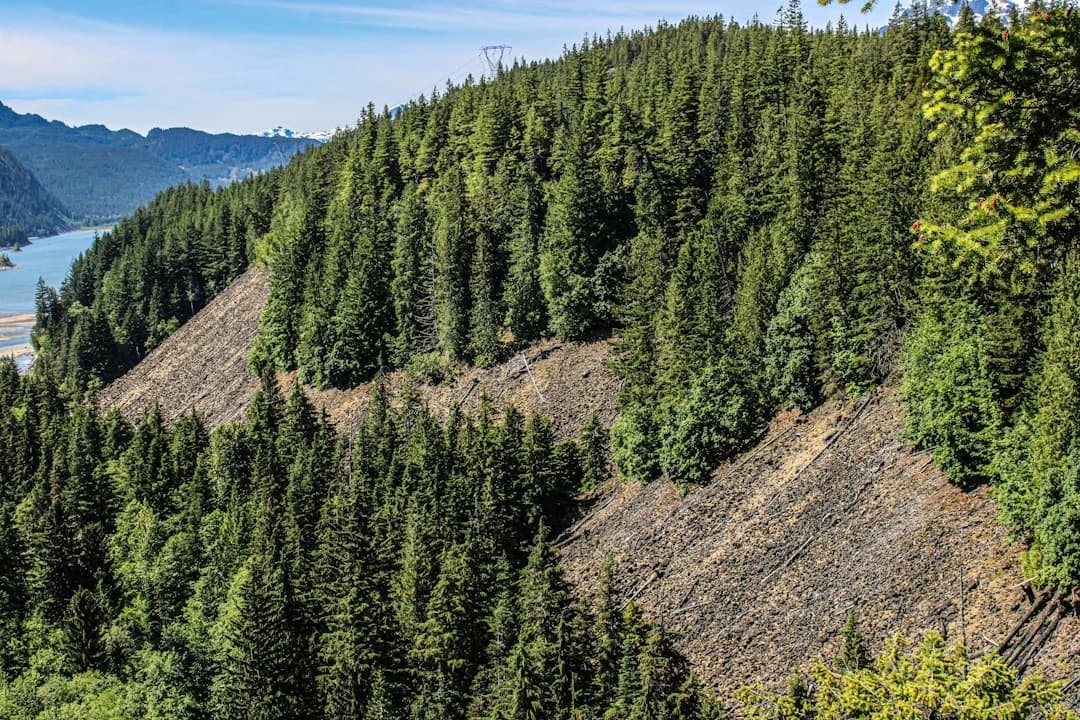
Photo by Peter Robbins on Unsplash
British Columbia is entering a wildfire season in 2026 that officials say could be shaped by persistent drought and hotter, drier conditions across large parts of the province. The latest drought outlook and wildfire preparedness briefings from provincial authorities emphasize that the situation remains dynamic, with risk levels fluctuating as weather patterns evolve through spring into summer. For readers in business, technology, and public policy, the message is clear: preparedness must be data-driven, timely, and adaptable to shifting conditions as the province faces an evolving wildfire landscape. BC Times reports on the British Columbia wildfire season 2026 drought outlook to help readers understand the stakes, the technology-enabled responses, and the market implications that accompany a potentially active fire season. (news.gov.bc.ca)
The outlook underscores a core reality: drought remains a central driver of wildfire risk. Provincial authorities highlight three key factors used to forecast the core wildfire season—drought levels, overwinter snowpack, and periods of prolonged heat without rain. These variables inform not only fire behavior forecasts but also planning for response resources, water management, and infrastructure resilience. The BC Wildfire Service’s seasonal outlooks for 2026 frame the coming months as a period in which conditions could intensify if rainfall remains scant and temperatures stay elevated. In parallel, provincial drought information programs emphasize that water scarcity can compound fire risk, affecting communities, agriculture, and industrial operations that rely on reliable water supplies. (blog.gov.bc.ca)
This coverage also notes that risk is not uniform across the province. Regional assessments point to particular areas where vigilance will be higher because weather patterns and fuel conditions combine to elevate starting and spread potential. For example, northeastern British Columbia has been identified by various outlets as a region of concern for wildfire activity in the 2026 season, reflecting a broader pattern of drought exposure and fire behavior risk in northern and interior zones. Preparing for this possibility will require sustained coordination among provincial agencies, Indigenous communities, local governments, and the private sector involved in fire prevention, emergency management, and resilience planning. (globalnews.ca)
Opening
As the province prepares for the coming wildfire season, the technology and market implications of the British Columbia wildfire season 2026 drought outlook are becoming more visible. Provincial authorities say the wildfire season could be hotter and drier than usual, elevating risk across multiple regions and prompting timelier investments in detection, forecasting, and rapid response capabilities. The public-facing drought outlook and preparedness announcements underscore a broader trend: wildfire risk management increasingly relies on integrated data platforms, real-time weather modeling, and cross-sector collaboration to anticipate and mitigate impacts before fires take hold. This alignment between drought monitoring, fire forecasting, and market responses is shaping how insurers, utilities, municipalities, and technology providers approach risk this year. (news.gov.bc.ca)
From a technology perspective, officials emphasize that accurate forecasting and rapid mobilization hinge on data integration. The seasonal outlooks stress the role of drought indicators, snowpack levels, and heat patterns—data points that feed into computer models, fire weather forecasts, and operational dashboards used by the BC Wildfire Service and partner agencies. In practice, this means more frequent updates to weather forecasts, improved fire behavior predictions, and smarter deployment of personnel and equipment. It also signals growing interest from technology vendors and service providers who offer remote sensing, analytics, and communications solutions to support firefighting, evacuation planning, and community resilience. (blog.gov.bc.ca)
Section 1: What Happened
Announcement and readiness efforts
Provincial authorities have issued formal statements indicating that the 2026 wildfire season could be shaped by ongoing drought conditions and elevated heat. The government’s messaging centers on preparation for a potentially active season and on the need to invest in a strengthened wildfire response framework. In particular, formal announcements emphasize actions to bolster the BC Wildfire Service and to improve drought monitoring and water management as part of a comprehensive risk reduction strategy. These actions are presented as essential to mitigate fire risk, safeguard communities, and maintain essential services during drought-driven emergencies. (news.gov.bc.ca)

The drought outlook itself is a core element of the announced preparedness plan, signaling that officials expect ongoing dryness in some regions and that the province will monitor drought indicators as a key predictor of fire risk. In tandem with this, the government notes that drought monitoring is supported by dedicated portals and operational plans designed to guide water use, fire risk management, and emergency response. The goal is to align wildfire readiness with broader drought response activities, recognizing the interconnected risks that drought poses to water systems, public health, and infrastructure. (news.gov.bc.ca)
Foreseeable risks and outlook
The government’s seasonal outlook for 2026 focuses on three core factors shaping wildfire risk: drought levels, overwinter snowpack, and periods of heat without rain in June. These elements feed into forecasts about fire ignition probability, fire behavior potential, and the likely timing of the peak of the season. By explicitly naming these drivers, authorities aim to provide a transparent basis for planning by municipalities, industries with firefighting or water needs, and insurers assessing risk exposure. The emphasis on drought as a persistent driver aligns with broader climate risk assessments that highlight drought persistence as a key constraint on water availability and on vegetation moisture content that fuels fires. (blog.gov.bc.ca)
Drought risk intersects with infrastructure and industrial operations in several ways. Water restrictions and heightened fire weather can affect hydraulics for hydroelectric facilities, mining operations, and agricultural irrigation, prompting contingency planning and contingency fund considerations. While the public documents do not publish numerical forecasts in this piece, the policy direction clearly points toward more robust drought monitoring, improved water-management protocols, and enhanced collaboration with sectors sensitive to drought-driven disruptions. (www2.gov.bc.ca)
Regional risk focus
Regional analysis has highlighted the Northeast and certain interior zones as areas of heightened concern for the 2026 wildfire season. This focus reflects geographic variability in drought intensity, fuel conditions, and weather patterns. In practical terms, this means that some communities may see earlier warning signals, more frequent fire weather advisories, and a greater need for community-specific preparedness plans. The provincial emphasis on regional risk signals the importance of local data-informed decision-making and the tailoring of response assets to regional needs. (globalnews.ca)

Early actions and timeline
The 2026 wildfire season has been framed by a sequence of official communications and program updates designed to translate drought outlooks into on-the-ground actions. These actions encompass expansions of firefighting capacity, improvements in weather forecasting—specifically fire weather forecasters’ analyses—and the deployment of data-driven tools to guide where and when resources are allocated. While the precise dates of all announcements vary by release, the overarching timeline centers on spring assessments, summer readiness activities, and ongoing monitoring through the season. (blog.gov.bc.ca)
In addition, the federal and provincial governments have coordinated messaging to prepare communities for potential wildfire, drought, and water scarcity impacts. National and regional updates emphasize the interconnected nature of drought risk and wildfire risk and stress the importance of preparedness across multiple jurisdictions and sectors. This alignment across levels of government reinforces the signal that technology-enabled monitoring and cross-sector collaboration will be central to managing the 2026 season. (canada.ca)
Section 2: Why It Matters
Impact on communities and economy
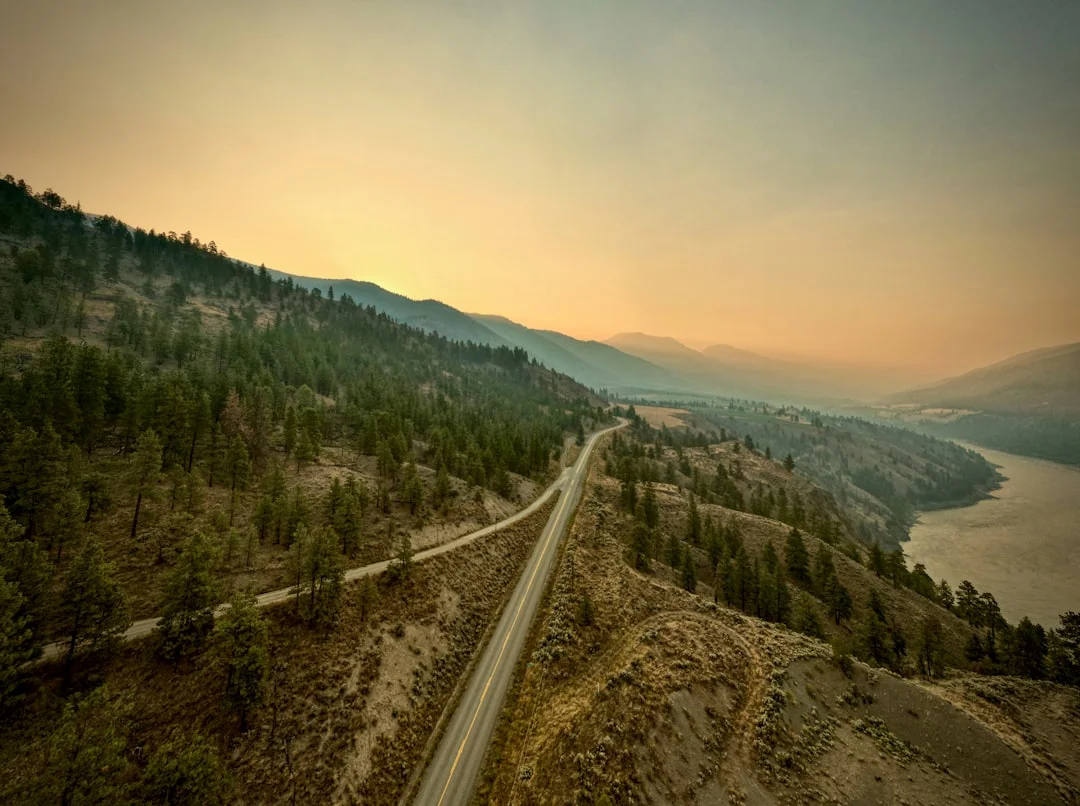
The British Columbia wildfire season 2026 drought outlook has clear implications for communities across the province. Fire risk that intensifies with drought can disrupt transportation networks, threaten critical infrastructure, and affect public health and safety. The drought outlook also highlights water scarcity concerns, which can influence municipal planning, agricultural production, and industrial operations that rely on reliable water supplies. The combination of fire risk and water scarcity can drive changes in land-use decisions, emergency planning, and investment in resilience projects. (news.gov.bc.ca)
For the business community, the outlook translates into heightened interest in risk management solutions, weather-driven forecasting tools, and resilience planning. Insurers and financial institutions tracking wildfire exposure are increasingly incorporating drought indicators and fire weather risk into models that affect pricing, underwriting, and capital allocation. While the public documents do not disclose specific market forecasts, the posture of government agencies and the coverage in national outlets suggest growing attention to technology-enabled risk management and the financial implications of an active wildfire season. (canada.ca)
Implications for technology and market players
Technology and data play a pivotal role in turning drought outlook into actionable risk management and operational decisions. The seasonal outlook framework relies on integrating meteorological data, fuel conditions, and historical fire behavior to forecast potential fire activity. This data-driven approach supports proactive resource allocation, decision support for incident management, and more precise risk communication to communities and stakeholders. In practice, this means heavier reliance on remote sensing technologies, weather modeling, fire danger rating systems, and real-time dashboards that track fuel moisture, wind patterns, and fire behavior indicators. (blog.gov.bc.ca)
The market implications extend to technology vendors and service providers that supply monitoring, analytics, and communications capabilities for wildfire response. As drought conditions persist and the potential for rapid fire spread increases, agencies and private-sector partners may invest more in sensors, drone-based monitoring, satellite analytics, and interoperable data platforms that enable faster situational awareness and decision-making. The broader policy context—support for Drought Information Portals, enhanced water management tools, and cross-border coordination—also creates opportunities for technology-enabled resilience solutions that address multiple facets of drought and fire risk. (news.gov.bc.ca)
Regional and national coverage reinforces the idea that technology and markets will be tested by this season. Reports from Global News and national agencies point to the Northeast and interior regions as zones of concentration for wildfire risk—a reality that puts a premium on targeted sensor networks, rapid response logistics, and risk-aware investment in infrastructure that supports resilience against drought-driven fires. The interplay between weather, drought intensity, and fire behavior remains a central focus for both public agencies and private actors seeking to minimize exposure and protect assets. (globalnews.ca)
Environmental and climate context
The drought-driven risk in British Columbia is nested within a broader climate context in which warmer temperatures and altered precipitation patterns are affecting BC’s fire season timing and severity. Provincial drought-related resources emphasize continuous monitoring and adaptive management to respond to changing conditions. This framing supports a longer-term strategic view: the province is increasingly investing in drought monitoring and water-management capabilities that can buffer communities from drought shocks and reduce the likelihood of extreme fire events. (www2.gov.bc.ca)
Industry observers note that the 2026 outlook aligns with a trend toward longer and more variable fire seasons in parts of Canada and the western United States. While province-specific numbers and predictions vary, the overarching signal is that drought conditions and heat waves are shaping risk profiles, and technology-enabled forecasting and response will be central to staying ahead of fires and protecting communities, economies, and ecosystems. Readers should watch for continued updates from the BC Wildfire Service and partner agencies as the season unfolds and as drought conditions evolve across different regions. (canada.ca)
Regional disparities and climate context
In addition to the broader provincial picture, climate scientists and emergency managers are paying attention to regional variability. Drought can persist in some areas even as others see wetter months, creating a mosaic of risk that requires localized planning and targeted investments. The drought information portals, River Forecast Centre assessments, and official seasonal outlooks all reinforce the need for region-specific contingency planning, especially for communities with limited water storage capacity or critical water-dependent industries. This nuanced approach helps ensure that resources are deployed where they are most needed, preventing bottlenecks and improving resilience across the province. (www2.gov.bc.ca)
Section 3: What’s Next
Timeline and next steps
Looking ahead, BC officials indicate that the ongoing drought outlook will continue to inform planning and resource allocation through the summer. The seasonal outlooks will be updated as new meteorological data becomes available, and the BC Wildfire Service will adjust its ready-for-action posture based on evolving fire weather indices and dryness indicators. For readers in the business and technology communities, this means staying attuned to updates from provincial agencies, monitoring drought indicators, and understanding how forecast shifts could alter risk assessments and investment decisions. The collaboration between weather forecasters, drought managers, and fire agencies underscores a proactive approach rather than reactive firefighting. (blog.gov.bc.ca)
Providers and partners in the risk-management ecosystem should anticipate ongoing demand for integrated data platforms that combine drought metrics with fire weather forecasting. As drought conditions persist or intensify, there may be increases in demand for monitoring services, early warning systems, and decision-support tools that help clients plan for water scarcity, insurance risk, and emergency response. This is particularly relevant for sectors that rely on stable water resources, such as agriculture, energy, and manufacturing, where drought-induced variability can influence operations, costs, and supply-chain resilience. (canada.ca)
What to watch for in the coming weeks and months
- Updates to drought status and water-scarcity advisories from the Province of British Columbia, including any newly released drought outlooks and portals that track evolving conditions. The drought information portal and related resources provide ongoing data that can influence alerts and advisories across sectors. (www2.gov.bc.ca)
- Fire weather advisories, incident management updates, and seasonal outlook refinements from the BC Wildfire Service, including mid-season reviews that reflect changes in fuel moisture, wind patterns, and heat trends. These updates guide decisions about resource deployment, evacuation planning, and community risk communication. (blog.gov.bc.ca)
- Regional risk assessments, particularly for the Northeast and interior zones, as authorities monitor drought severity and wildfire activity. Regional briefings and maps will help stakeholders tailor preparedness measures to local conditions. (globalnews.ca)
- National and international context, including Canada-wide guidance on wildfire preparedness and climate-risk adaptation, which can influence funding, regulatory changes, and cross-border cooperation on fire-management technology and data exchange. (canada.ca)
What this means for readers is clear: the British Columbia wildfire season 2026 drought outlook frames a landscape where technology, data, and market responses converge to manage risk. Agencies will rely on drought monitoring, fire weather analysis, and real-time information to guide decisions; businesses will adapt through enhanced risk analytics, resilient operations, and targeted investments in monitoring and response capabilities; and communities must stay informed through official channels about drought conditions, fire risk, and ongoing preparedness activities. The road ahead will require discipline, collaboration, and a commitment to leveraging technology to reduce harm while maintaining essential services and economic activity during a potentially challenging wildfire season. (news.gov.bc.ca)
Closing
As British Columbia moves deeper into the 2026 wildfire season, the drought outlook and the associated data-driven strategies being deployed by provincial authorities will shape how communities respond, how markets price risk, and how technology supports decision-making. The convergence of drought monitoring, fire forecasting, and market readiness represents a pivotal moment for the province: a test of resilience where precision data, transparent communication, and timely action can reduce impacts and accelerate recovery. Readers are encouraged to follow BC Wildfire Service updates, provincial drought portals, and BC Gov News releases for ongoing coverage and guidance on staying prepared, staying safe, and staying connected as the season progresses. (blog.gov.bc.ca)