Budget 2026 energy transition and clean electricity BC

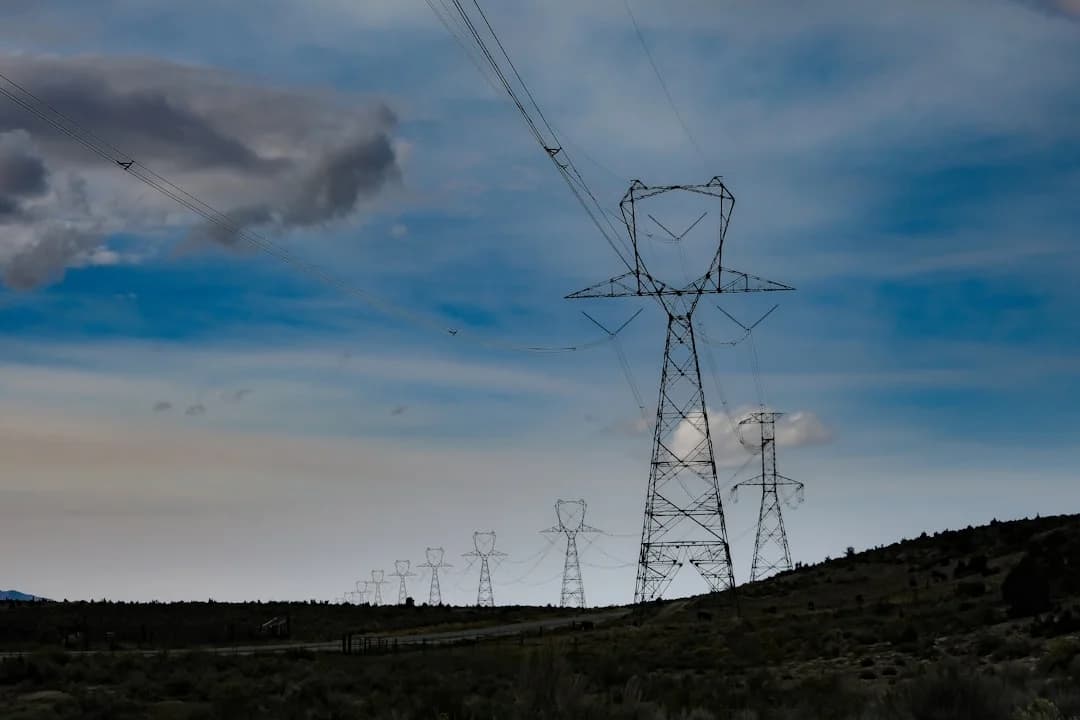
Photo by Rob Martin on Unsplash
British Columbia’s Budget 2026 ushers in a focused push on energy transition and clean electricity, anchoring a three-year fiscal plan that aligns with the province’s Clean Energy Strategy and ongoing grid modernization. The government frames the package as a foundation for electrification across homes, transportation, and industry, supported by BC Hydro’s expansive capital program and targeted funding for innovation and industry decarbonization. The announcement arrives as BC Hydro signals continued growth in demand and a steady cadence of power calls intended to secure affordable, clean energy for British Columbia’s expanding economy. The immediate effect for ratepayers, businesses, and project developers is a clearer timetable for investments, as well as enhanced incentives for efficiency, electrification, and innovation. This is Budget 2026 energy transition and clean electricity BC in action, with hundreds of millions dedicated to programs and millions more routed to strategic infrastructure projects. (bcbudget.gov.bc.ca)
The plan sits within a broader policy context that BC authorities have described as a long-term commitment to a clean energy economy. Powering Our Future: BC’s Clean Energy Strategy emphasizes grid expansion, regular calls for power, and incentives to accelerate electrification while keeping electricity affordable. The strategy highlights that BC Hydro and FortisBC are making record investments in energy efficiency and electrification, and it notes the province’s aim to maintain affordability while diversifying energy sources. The document also stresses the role of regulatory approvals, Indigenous partnership, and innovation funding as integral to success. In parallel, BC Hydro’s integrated resource planning process signals a continuing, data-driven approach to meeting future demand through diverse resources, efficiency, and transmission upgrades. (www2.gov.bc.ca)
Opening
British Columbia’s Budget 2026 centers on energy transition and clean electricity as a core growth lever, with a three-year outlook that prioritizes electrification, grid modernization, and innovation funding. The government’s budget and fiscal plan for 2026/27 through 2028/29 underscores a large-scale capital program and a suite of programs designed to expand clean energy access and drive decarbonization across sectors. The plan also highlights the province’s ongoing commitment to maintaining affordable electricity—an element repeatedly cited by policymakers as essential to competitiveness and social equity, particularly as electrification expands into remote communities and heavy industry. In practical terms, Budget 2026 signals how the province intends to finance and manage a rising demand for clean power while supporting job creation and resilience in the face of transition pressures. This is critical for executives evaluating site selection, for manufacturers planning capacity expansions, and for households weighing the cost-benefit of electrification. (bcbudget.gov.bc.ca)
The Budget 2026 framework reinforces the central role of BC Hydro’s capital program, which was first unveiled in a high-profile plan in early 2024 and remains a cornerstone of the province’s energy strategy. The plan outlines a multiyear capital envelope around grid modernization, transmission expansion, new substations, and electrification initiatives that are designed to support growth while maintaining reliability and affordability. The government’s emphasis on a “clean electricity” pathway reflects a broader policy agenda to reduce emissions from transportation, buildings, and industry by expanding access to low-carbon power. As BC’s economy grows, the province intends to rely on a steady stream of investments in the energy system to power new jobs and industries—while the regulatory framework remains in place to supervise pricing, access, and environmental performance. (bcbudget.gov.bc.ca)
Section 1: What Happened
Announcement and scope
Budget 2026 launches a three-year fiscal plan for 2026/27 to 2028/29 that foregrounds energy transition and clean electricity as structural drivers of growth. The plan sets operating and capital priorities, with total operating spending in the three-year window outlined in the hundreds of billions for the consolidated revenue fund and a capital program that scales to tens of billions of dollars. The document notes that self-supported capital spending by commercial Crown corporations, including BC Hydro, is estimated at roughly $15.3 billion over the same period, underscoring the magnitude of clean-energy infrastructure contemplated in Budget 2026. The plan reiterates the province’s commitment to a clean, inclusive economy supported by modern energy services and electrification across sectors. (bcbudget.gov.bc.ca)
Key investments and programs
-
BC Hydro’s 10-Year Capital Plan: BC Hydro’s multi-year capital program, announced in 2024, totals almost $36 billion for community and regional infrastructure across the province. The plan emphasizes electrification, transmission upgrades, and customer connections, with a stated goal of expanding access to clean electricity to power a growing economy. The plan also highlights major electrification investments and the transmission backbone needed to support new customers and industries. Budget 2026 reinforces alignment with this long-range capital plan, weaving it into the three-year fiscal plan and signaling continued, coordinated execution. (www2.gov.bc.ca)
-
Electrification and emissions reduction investments: Budget 2026 includes substantial funding for electrification and efficiency programs, including approximately $348 million in 2026/27 to support customers in becoming more energy efficient, switching from fossil fuels to clean electricity (including remote communities), and expanding EV charging infrastructure. The budget also references ongoing alignment with BC Hydro’s integrated planning and procurement efforts to secure new clean power sources and support demand growth. (bcbudget.gov.bc.ca)
-
Energy efficiency and rebates: The plan maintains and expands rebate programs to promote energy efficiency, including continued support for programs that lower energy use and bills for households and businesses. The Budget 2026 document notes ongoing coordination with BC Hydro and utility-linked programs to improve efficiency and reduce energy waste as part of the province’s broader CleanBC and electrification goals. This aligns with government messaging in Powering Our Future about making energy efficiency a first-priority pathway to meet growing demand. (bcbudget.gov.bc.ca)
-
Clean Industry Fund and innovation funding: Budget 2026 includes $35 million for the 2026 intake of the Clean Industry Fund, a program focused on reducing emissions from large industrial operations through innovative projects. Since its inception in 2019, the Clean Industry Fund has provided more than $368 million in funding to 173 projects, estimated to achieve 14 million tonnes of greenhouse gas emissions reductions over 10 years. Budget 2026 also sustains the Innovative Clean Energy Fund, which has directed more than $124 million toward pre-commercial clean energy technology, energy efficiency, and related R&D since 2008. These funds are designed to accelerate commercialization and adoption of clean-energy technologies in British Columbia. (bcbudget.gov.bc.ca)
-
Households, industry, and incentive programs: The Budget emphasizes ongoing rebates and incentives to accelerate adoption of clean energy technologies, including Better Homes Better Buildings programs (with more than $60 million allocated in 2026 to support heat pumps and related efficiency upgrades) and continued EV charging expansion. The plan also references a broader strategy to support indigenous partnerships and community-based decarbonization initiatives as part of CleanBC and related strategies. (bcbudget.gov.bc.ca)
Timeline and milestones
-
January 2024: BC Hydro announces its updated 10-Year Capital Plan (2024/25 to 2033/34) with nearly $36 billion in investments, including more than $10 billion for electrification and emissions reduction efforts and major transmission infrastructure. This plan lays the groundwork for the investments reflected in Budget 2026 and subsequent planning cycles. (www2.gov.bc.ca)
-
April 2024: BC Hydro launches a call for power to acquire roughly 3,000 GWh/year of clean electricity; this is part of the province’s ongoing effort to diversify supply, secure affordable power, and support new demand from electrification. The expected outcomes include private investment, job creation, and a broader set of eligible projects to power the grid. (news.gov.bc.ca)
-
October 31, 2025: BC Hydro filed the 2025 Integrated Resource Plan (IRP) with the British Columbia Utilities Commission (BCUC), detailing how the utility will meet future electricity needs across various demand scenarios, including conservation measures, new renewable energy acquisitions, and grid reinforcements. The IRP underscores a continuing, data-driven approach to resource planning that informs Budget 2026 investments. (bchydro.com)
-
2026/27 to 2028/29: Budget 2026 sets the three-year fiscal plan, with capital spending estimated at $52.9 billion across the province for schools, hospitals, roads, hydro projects, and other critical infrastructure. Within this framework, electrification and clean-energy investments are front and center, including annual program expenditures by BC Hydro and targeted funding for efficiency and innovation. The three-year horizon is designed to coordinate with BC Hydro’s capital program and the Clean Industry Fund, ensuring alignment between planning, subsidies, and project delivery. (bcbudget.gov.bc.ca)
-
2028: BC Hydro’s plan anticipates a further call for power, continuing the cadence of competitive calls to secure additional clean generation capacity and diversify the province’s energy mix. The Budget 2026 document notes that BC Hydro’s next call for power is anticipated in 2028, signaling a continued, predictable path for developers and investors. This milestone is critical for project timelines and bankable Power Purchase Agreements (PPAs) as the province scales up electrification. (bcbudget.gov.bc.ca)
Section 2: Why It Matters
Economic impact and job creation
Budget 2026’s energy transition and clean electricity commitments are framed as a driver of economic growth and job creation across British Columbia. BC Hydro’s expansive capital program plus the province’s plan to expand clean power supply is positioned as a backbone for industrial growth, new technologies, and regional development. The Budget explicitly ties capital investments to job creation, with BC Hydro’s multi-year capital plan projected to support thousands of construction and related jobs as grid modernization and expansion proceed. In fact, BC Hydro’s 10-Year Capital Plan was designed to deliver large-scale projects and create tens of thousands of job opportunities across the province over time, reinforcing the link between energy infrastructure and economic vitality. The Budget underscores these outcomes by coordinating with the Crown corporation’s funding and regulatory process to foster steady employment during the construction phase and beyond. (www2.gov.bc.ca)
- BC Hydro’s investments and broader energy programs are connected to a long-term growth strategy. The 2024 Plan identified roughly $36 billion in capital investments, including more than $5 billion for customer connections and nearly $10 billion for electrification and emissions reduction. Budget 2026 extends this trajectory, signaling a multi-year, multi-billion-dollar push that will influence jobs in construction, engineering, project management, and supply-chain sectors. The plan’s emphasis on electrification for homes, businesses, and transportation is expected to spur demand for skilled workers and support regional economic development. (www2.gov.bc.ca)
Impacts on households and businesses
The Budget emphasizes keeping electricity affordable while expanding access to clean energy. The Powering Our Future strategy emphasizes energy efficiency programs that reduce consumption and bills, supported by BC Hydro’s and FortisBC’s investments in efficiency, solar rebates, and battery storage initiatives. By expanding efficiency programs and rebates (such as heat pump incentives and related upgrades), the province aims to lower energy bills for households and reduce the operating costs for businesses that electrify operations. The inclusion of rebates and efficiency funding in Budget 2026 is positioned as a direct benefit to consumers during a period of rapid electrification, while the expansion of EV charging infrastructure reduces range anxiety and supports long-distance travel for electric vehicles. (www2.gov.bc.ca)
Environmental and climate targets
Budget 2026 is anchored in a broader decarbonization objective: enabling low-carbon electrification and supporting climate action across sectors. The Clean Energy Strategy’s emphasis on building out the electricity grid and issuing regular calls for power aligns with the province’s CleanBC Roadmap to 2030 and the longer-term climate targets, including net-zero emissions by 2050. The integration of efficiency, electrification, and clean energy innovation is designed to reduce greenhouse gas emissions from buildings, transportation, and industry while supporting a growing economy. The plan’s focus on electrification and emission reductions is consistent with BC’s climate policy framework, which prioritizes clean electricity as a central lever for decarbonization. (www2.gov.bc.ca)
Broader policy context and market signals
The Budget 2026 announcements sit within a multi-entity policy ecosystem that includes the government’s climate strategy, utility sector planning, and innovation funding. The Powering Our Future strategy lays out a long-range view for expanding clean electricity, modernizing grids, and fostering innovation in energy technologies, which in turn shapes market expectations for developers, financiers, and technology providers. The integrated resource planning process at BC Hydro adds a formal, regulator-driven mechanism to align resource acquisition with demand forecasts, enabling more predictable project timelines and risk management for developers, First Nations partners, and investors. The combination of these policy instruments sends a clear signal to the market: British Columbia intends to deepen its reliance on clean electricity, while maintaining affordability and reliability for all communities. (www2.gov.bc.ca)
What’s Next: strategic implications for sectors and investors
-
Infrastructure and transmission: The Budget’s capital framework and BC Hydro’s plan indicate ongoing priority for transmission upgrades and new substations to connect growth hubs, electrification projects, and renewable energy sources. Expect continued procurement rounds, PPAs, and major engineering contracts linked to the 2026/27 to 2028/29 period, with potential opportunities for Indigenous-backed partnerships and local firms in construction and engineering. The IRP and Budget documents together underscore a regulated, transparent pathway for new transmission projects and generation acquisitions. (bcbudget.gov.bc.ca)
-
Green industrial policy and innovation funding: The Clean Industry Fund and the Innovation Clean Energy Fund are central to Budget 2026’s approach to decarbonizing heavy industry and accelerating the deployment of clean-energy technologies. Investors and project developers can expect ongoing calls for proposals, structured funding cycles, and a pipeline of industrial electrification projects with potential to unlock emissions reductions while delivering measurable return on investment. The programme history and 2026 intake figures underscore a track record of funding activity and impact. (bcbudget.gov.bc.ca)
-
Clean energy procurement and market design: The Call for Power activity, including the 2024 and 2025 calls and the anticipated 2028 call for power, demonstrates a disciplined market-design approach to securing diverse, affordable, clean generation. For developers and financiers, this implies continued opportunities in wind, solar, hydro, and other low-carbon sources, with a regulatory framework that supports long-term PPAs and grid integration. (bchydro.com)
-
Public policy and consumer protection: The ongoing emphasis on affordability and energy poverty reduction, along with time-of-use pricing and efficiency programs, indicates a consumer-facing policy dimension that regulators and utilities will monitor closely. The policy mix seeks to balance budgetary constraints with the need to sustain investments in reliability and resilience as electrification scales up. The Clean Energy Strategy provides a baseline for evaluating policy effectiveness and equity impacts over time. (www2.gov.bc.ca)
Section 3: What’s Next
Near-term milestones (2026–2028)
-
2026: Budget 2026 formally anchors 2026/27 spending on electrification and efficiency initiatives, including $348 million in 2026/27 for electrification programs through BC Hydro and related initiatives, plus $60 million for Better Homes Better Buildings and $35 million for the 2026 intake of the Clean Industry Fund. These commitments are designed to accelerate deployment in remote communities and urban centers alike, with an emphasis on reducing energy consumption and emissions intensity. The 2026/27 plan also confirms ongoing support for innovation funding and the continuation of CleanBC-related programs. (bcbudget.gov.bc.ca)
-
2026–2027: The three-year horizon anticipates continued BC Hydro capital spending, with additional awards under the Energy Efficiency Plan and ongoing transmission and distribution upgrades. The integrated planning framework informs procurement schedules, including the timing of Electricity Purchase Agreements (EPAs) tied to the IRP and calls for power. As a result, developers should monitor BC Hydro’s procurement notices, utility regulatory filings, and federal-provincial funding pipelines that interplay with provincial budget decisions. (bchydro.com)
-
2028: BC Hydro’s next anticipated call for power is expected in 2028, continuing the province’s cadence of competitive solicitations to expand clean energy supply, diversify the generation mix, and support surging electrification demand. This milestone interacts with the utility’s ongoing 10-Year Capital Plan and the province’s policy agenda, potentially creating a robust project pipeline for developers and First Nations partnerships. (bcbudget.gov.bc.ca)
Policy and regulatory watch
-
Utility regulatory alignment: The Budget’s execution will hinge on regulatory approvals and performance under the BC Utilities Commission framework. BC Hydro’s capital plan and the timing of PPAs will require ongoing regulatory oversight to ensure cost efficiency, reliability, and affordability for consumers. The Budget document explicitly positions BC Hydro’s plan within the regulatory environment, signaling continued engagement with the regulator and the public on major capital investments. (bcbudget.gov.bc.ca)
-
Permitting and streamlining for energy projects: The province has advanced permitting reforms to accelerate clean-energy infrastructure, including streamlining processes for transmission lines and wind/solar projects under the Renewable Energy Projects (Streamlined Permitting) Act (as implemented in 2025). This policy backdrop supports the budget’s energy-transition ambitions by reducing lead times for project development while maintaining environmental safeguards. Investors and developers should watch regulatory updates and any policy refinements that affect project timelines. (www2.gov.bc.ca)
-
Industrial decarbonization and innovation funding: The Clean Industry Fund and the Innovative Clean Energy Fund will continue to influence project selection, funding cycles, and the deployment of technology in heavy industry, mining, and other resource-intensive sectors. The 2026 intake and program history provide a roadmap for where funding is likely to be allocated, which will be meaningful for project developers, equipment suppliers, and technology providers seeking public support for decarbonization initiatives. (bcbudget.gov.bc.ca)
What readers should watch for
-
Quarterly and annual reporting on program outcomes, including energy savings, emissions reductions, and job creation from the Clean Industry Fund and Innovation Clean Energy Fund. The Budget notes the expected long-term impact of these programs, and ongoing reporting will help investors assess ROI and policy effectiveness. (bcbudget.gov.bc.ca)
-
Updates to BC Hydro’s capital plan, the IRP process, and EPAs as new projects are advanced. The 2025 IRP and the 2024/25 to 2033/34 capital plan provide a baseline for evaluating the pace of new capacity additions, the mix of generation sources, and the grid upgrades required to support growth in clean electricity and electrification. (bchydro.com)
-
Federal–provincial funding interactions that could unlock downstream investments in transmission, generation, and electrification projects. Federal programs complement provincial initiatives (as seen in related infrastructure investments and grid enhancements) and can influence project timelines and feasibility. (canada.ca)
Closing
Budget 2026 energy transition and clean electricity BC represents a coordinated, data-driven approach to expanding clean power, electrifying the economy, and supporting innovation while preserving affordability for BC residents. The three-year fiscal plan aligns with the province’s Clean Energy Strategy and the BC Hydro capital program, signaling a disciplined path toward greater electrification, more efficient energy use, and stronger decarbonization across sectors. The coming years will test execution across large-scale capital projects, regulatory approvals, and market responses, but the framework provides a clear signal to industries, investors, and households that British Columbia intends to power growth with clean electricity and modern energy infrastructure. Readers should stay tuned to BC Budget releases, BC Hydro procurement notices, and government updates on the Clean Industry Fund and Innovative Clean Energy Fund to track progress and outcomes. (bcbudget.gov.bc.ca)
Stay updated with regular briefings, regulatory filings, and market analyses as Budget 2026 energy transition and clean electricity BC continues to unfold, shaping opportunities for decades to come.