Burnaby approves mixed use tower near transit.. BC Times

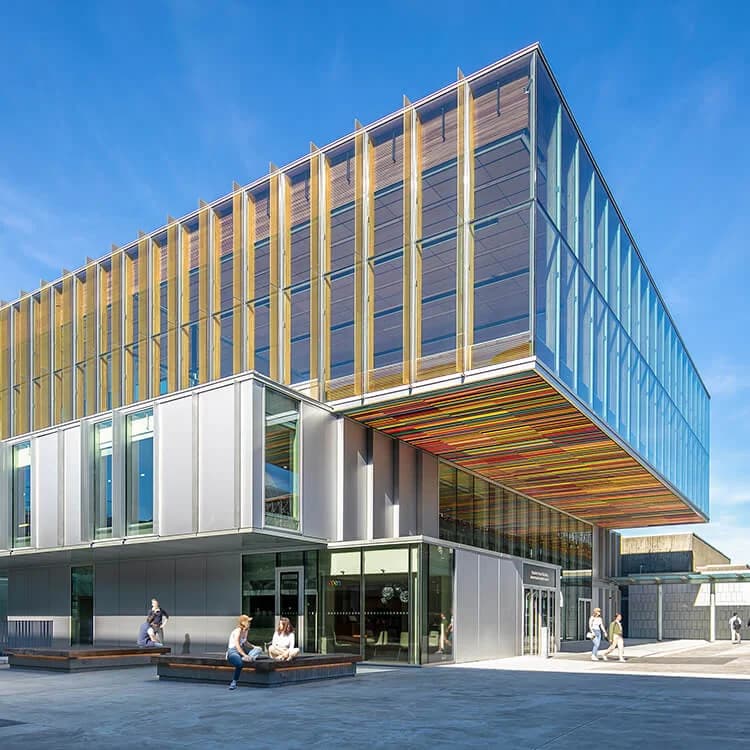
Burnaby approves mixed use tower near transit.. This phrase has become a catalyst for discussions about how cities evolve as populations grow and demand for housing near transit — a principle central to British Columbia’s broader approach to urban development. BC Times, your independent source for British Columbia news and West Coast perspectives, examines what this headline means in practice: the policy framework, the city’s planning history, and the potential outcomes for residents, commuters, and local businesses. The context is clear: as ecosystems of transit-oriented development (TOD) expand, Burnaby’s approach to zoning, density, and public space will influence not only the skyline but the daily rhythms of a city that already hosts major commercial hubs, university campuses, and vibrant neighborhoods. In this article we unpack the layers behind a statement that could shape how communities think about housing, mobility, and the right mix of uses in a compact urban form.
The TOD framework and Burnaby’s planning landscape
Transit-oriented development (TOD) is a policy and planning approach that places high-density, mixed-use development within walking distance of frequent transit services. In British Columbia, TOD is anchored in provincial legislation and local implementation, with zones and bylaws guiding what can be built around SkyTrain stations and major bus exchanges. The province’s TOD framework defines areas within 800 metres of a rapid transit station and 400 metres of certain bus exchanges, shaping density, height, and land-use mixes. Municipalities designated TOD Areas use tiered density and height rules to balance housing, employment, and services near transit corridors. This policy architecture provides the yardstick against which Burnaby’s bylaws and zoning amendments are measured. (www2.gov.bc.ca)
Burnaby’s own zoning reform connected to provincial TOD policy has been ongoing, with updates to permit higher residential densities and to streamline how land is allocated for multifamily housing in transit-rich neighborhoods. The City’s bylaw amendments, designed to align with provincial housing legislation, focus on increasing density in areas well-served by transit, including those near SkyTrain lines and bus rapid-transit corridors. The city’s public materials explain the intent: to enable more housing while preserving neighborhood character and ensuring that amenities keep pace with growth. These changes were rolled out in 2024, with subsequent updates to reflect evolving provincial requirements. (burnaby.ca)
In practice, this means designers, developers, and local governments are measuring how a “mixed-use” tower fits into broader TOD objectives: housing plus workplaces, retail, services, and cultural amenities all within a walkable radius of transit. The province emphasizes that TOD aims to reduce car dependence, shorten commutes, and create more complete communities. For Burnaby, the planning question is how a new mixed-use tower aligns with TOD tiers, the required minimum densities, and the design of public spaces that serve residents and visitors alike. The province’s TOD pages outline the legislative framework and the intended outcomes, which Burnaby’s council and planning staff continually reference as they evaluate new proposals. (www2.gov.bc.ca)
Case in point: Burnaby’s landmark towers near transit have already begun to reposition the city’s skyline. A well-known example is the development at Metrotown and surrounding corridors, where multiple towers have proceeded through council approvals in recent years, reflecting the TOD logic in action. This trajectory isn’t just about height; it’s about the successful integration of housing, retail, and public realm in a density that remains connected to transit networks. The region’s developers and municipal planners frequently point to these projects as practical demonstrations of TOD writ large. (burnabynow.com)
Implications for residents, workers, and businesses
A mixed-use tower near transit is not only an architectural statement; it is a structural shift in how neighborhoods function. On the housing side, higher density around transit stations can diversify housing choices, offering opportunities for different income levels and family sizes. The provincial framework seeks to balance density with amenities, transit reliability, and public realm quality. In Burnaby, this translates into design considerations such as street-front activation, plaza spaces, and safe, welcoming pedestrian environments. The city’s own materials underscore the goal of delivering “high-density forms of development” in urban villages and frequent transit development areas, while also integrating the broader urban fabric. (yourvoice.burnaby.ca)

From a mobility perspective, TOD aims to improve access to jobs and services without relying solely on cars. For Burnaby and the Metro Vancouver region, a new mixed-use tower near transit can shorten commutes for workers and students, enable more efficient use of transit networks, and contribute to reduced traffic congestion. Proponents emphasize that living near frequent transit can support shorter trips, more reliable travel times, and better equity by providing affordable housing options close to employment centers. Critics, however, frequently raise concerns about parking, traffic impacts during peak hours, and the potential for displacement if rents rise too quickly. The provincial and municipal bodies acknowledge these trade-offs and frame TOD as a balancing act among housing, mobility, and affordability. (www2.gov.bc.ca)
Economic effects accompany housing and mobility outcomes. Large mixed-use towers can spur investment in neighboring retail and services, create construction jobs, and generate long-term property tax revenue that municipalities can reinvest in public infrastructure. In Burnaby, the Metrotown and Burnaby Mountain corridors have seen substantial private-sector interest in high-density, transit-adjacent projects. Local media coverage of council decisions on NOVA and Concord Metrotown projects demonstrates how the market responds to TOD signals, with developers seeking to align their proposals with density targets, height allowances, and the availability of transit infrastructure. While not every project will achieve the same scale, the pattern across Burnaby’s TOD areas highlights a city actively integrating housing, employment, and transit to expand the urban tax base. (burnabynow.com)
As Burnaby continues to refine its zoning policies, residents and stakeholders are watching for how these changes will unfold on the ground. The City frequently publishes updates about zoning amendments, density allowances, and transitional guidelines that affect how developers plan projects. The goal is to maintain a high quality of life while accommodating growth and ensuring the long-term vitality of neighborhoods near SkyTrain stations and major bus interchanges. For the public, this means more opportunities to influence design choices, public realm improvements, and the distribution of community amenities. (burnaby.ca)
A closer look at concrete examples and nearby precedents
Two Gilmore Place in Burnaby stands as a high-profile example of how a transit-adjacent development can reach remarkable scale while integrating mixed-use components, including residential towers and retail spaces. Completed in 2024, this tower was designed to be a flagship piece of the Gilmore Place project, located near Gilmore Station and contributing to the corridor’s urban density and activity. It has been cited in industry coverage as a milestone for Burnaby’s TOD ambitions, illustrating both the opportunities and the challenges of delivering large-scale, transit-oriented housing in a major redeveloped corridor. While each project is unique, Two Gilmore Place helps illuminate how density, amenities, and transit interfaces can be orchestrated in a way that supports a broader TOD strategy. (en.wikipedia.org)
Metrotown and surrounding districts have also been the focus of multiple approvals for TOD-aligned towers, reflecting the city’s intent to create vibrant, mixed-use nodes anchored by rapid transit. The Concord Metrotown development, featuring multiple towers and a mix of market and affordable housing concepts, showcases how developers and the city collaborate to deliver a “mixed-tenure” approach that can include market condos, rental housing, and commercial space. The project illustrates the kind of scale Burnaby has embraced in its TOD trajectory, with an emphasis on public realm, pedestrian accessibility, and a diversified housing mix. News coverage of these proposals provides concrete context for what “near transit” can translate to in terms of project scope and community benefits. (burnabynow.com)
Provincial and municipal materials also outline the evolving policy terrain around transit-oriented areas. Burnaby’s housing changes in 2024 were framed as aligning with provincial housing legislation, with a focus on allowing higher residential densities and reducing parking requirements in TOD zones. This policy shift is designed to support housing proximate to transit, reduce single-occupancy vehicle trips, and encourage more walkable, complete neighborhoods. The City’s publications and updates provide a window into how the municipality plans to realize these ambitions while addressing concerns about parking adequacy, traffic patterns, and neighborhood character. (burnaby.ca)
How Burnaby’s plans translate into practical design and architectural outcomes
A tower near transit is more than a tall building; it is a catalyst for a holistic urban environment. Design considerations for TOD towers typically include:

- Street-level activation: Shops, cafes, services, and community spaces that engage pedestrians and create a sense of place along the street.
- Public realm and plazas: Ground-level plazas, pocket parks, and accessible outdoor spaces that invite social interaction and support events.
- Connectivity: Safe pedestrian networks, improved crosswalks, and wayfinding that link the tower to surrounding transit stations and neighborhood amenities.
- Housing diversity: A mix of unit types and tenure to balance market, rental, and affordable housing options within the same development or in adjacent blocks.
- Parking and traffic considerations: Reduced or eliminated parking minimums in TOD areas, with a focus on optimizing transit access and cycling infrastructure to minimize car dependence.
- Sustainability: Energy-efficient building systems, green roofs or terraces, and resilient design to cope with climate-related challenges.
These elements align with the province’s TOD guidance and Burnaby’s zoning amendments, which aim to create dense, walkable environments that still respect neighborhood fabric. The policy framework offers a blueprint, but the actual architectural outcomes depend on the bids, design teams, and public engagement processes that guide each project from concept to construction. The provincial TOD pages and Burnaby’s zoning updates provide the strategic context for developers to plan towers with mixed uses that respond to transit access and community needs. (www2.gov.bc.ca)
A practical, data-informed comparison: TOD rules and what they mean for a Burnaby project
To help readers understand how a hypothetical mixed-use tower near transit might be evaluated, here is a concise comparison of the TOD framework that informs Burnaby’s planning choices. The table below summarizes the tiered approach used in TOD areas around SkyTrain stations and bus exchanges, along with the corresponding minimum heights and densities that the province suggests, which Burnaby may adapt within its local bylaws.
| TOD tier / zone (distance from transit) | Minimum Height (storeys) | Minimum Density (FSR) | Applicability | Notes |
|---|---|---|---|---|
| Tier 1: 0–200 m from SkyTrain | Up to 20 storeys in some zones (Tier 1 inner radius) | Up to 5.0 FSR in some contexts | SkyTrain-adjacent | Closest to rapid transit; higher density expected; local adjustments may apply |
| Tier 2: 200–400 m from SkyTrain | Typically mid-rise to high-rise range | Up to 4.0–5.0 FSR | Near transit | Moderate density emphasis; design must integrate with surrounding street grid |
| Tier 3: 400–800 m from SkyTrain | 8–20 storeys (depending on tier) | 3.0–5.0 FSR | TOD Area peripheral | Balance between density and neighborhood scale; TOD design guidelines may vary by municipality |
| Bus exchanges: 200–400 m inner radius | Up to 12–20 storeys in some zones (varies by bus exchange tier) | 3.0–4.0+ FSR | Frequent bus service | Higher density possible around major bus hubs; parking norms often relaxed or eliminated |
| General TOD policy | — | — | Provincial guidance | Local bylaws determine exact heights, densities, and permissions |
Citations and policy references: provincial TOD framework, including the 800m and 400m thresholds, and the broader concept of TOD areas; Burnaby’s amendments to reflect higher residential densities and TOD alignment; and examples from Burnaby’s recent approvals in transit-adjacent corridors. (www2.gov.bc.ca)
This table is intended to illustrate the policy logic rather than to declare a specific project’s details. Exact numbers—such as storey minimums or floor area ratios—depend on the precise zoning district, the transit hub being referenced, and any transitional provisions adopted by Burnaby’s bylaw amendments. In other words, “Burnaby approves mixed use tower near transit..” signals a TOD-friendly direction that could yield a variety of outcomes depending on site specifics, market conditions, and community engagement. For precise figures, readers should consult Burnaby’s current zoning bylaws and the specific project bylaw package when released. (burnaby.ca)
Case studies and real-world precedents in Burnaby and the region
- Two Gilmore Place (Burnaby): A notable transit-adjacent project completed in 2024, located near Gilmore Station, demonstrating a high-density mixed-use approach that aligns with TOD objectives. The project is widely cited as a milestone for Burnaby’s TOD trajectory, illustrating how towers can integrate residential, retail, and transportation functions in a pedestrian-friendly corridor. (en.wikipedia.org)
-
Concord Metrotown: A large-scale, mixed-tenure development approved by Burnaby council, featuring multiple towers and a blend of market condos, rental housing, and office/hospitality components. This project highlights how TOD towers can contribute to a diverse housing stock while anchoring a major transit node at Metrotown. (burnabynow.com)
-
SFU UniverCity transit-oriented expansion (illustrative precedent): While not the same project, Burnaby’s broader TOD growth around university and campus nodes shows the city’s long-running engagement with elevated density near transit. These examples provide context for how councils evaluate bus exchanges, station-adjacent parcels, and mixed-use towers within TOD guidelines. (burnabynow.com)
-
Provincial TOD guidance (framework and incentives): The Province’s TOD program outlines the legislative framework and design principles that apply to Burnaby’s initiatives, including how TOD areas are mapped and how density and height expectations interact with transit efficiency goals. (www2.gov.bc.ca)
These precedents demonstrate that Burnaby’s leadership has both the policy appetite and the market interest to pursue TOD in a way that can reshape corridors and neighborhoods. The city’s zoning amendments and their alignment with provincial legislation are central to the way new mixed-use towers near transit are considered, designed, and implemented. Readers looking for specifics should review the latest Burnaby council agendas and zoning bylaw amendments, as well as provincial housing legislation changes that influence TOD. (burnaby.ca)
Community perspectives, public engagement, and equity
A central question in any TOD discussion is how residents experience change. Advocates argue that proximity to transit unlocks affordable housing options, reduces reliance on cars, and curates vibrant street life. Critics point to potential displacement, rising rents, and the risk that density outpaces the supply of supporting amenities. The public process around Burnaby’s TOD bylaw updates includes opportunities for community input, feedback on design proposals, and considerations of how new towers interact with existing neighborhoods. The goal is to ensure that the urban benefits of TOD do not come at the expense of local character or affordability. Public engagement is a core element of Burnaby’s planning approach, and the city’s communications emphasize transparency and opportunities for residents to participate in shaping how their neighborhoods evolve. (burnaby.ca)
In the broader West Coast context, TOD aligns with regional priorities around sustainable mobility, climate resilience, and inclusive growth. TransLink’s planning and regional planning documents frequently emphasize the importance of connected, pedestrian-friendly corridors that support a range of transport modes and access to essential services. Burnaby’s policies interact with regional plans to ensure the city participates in a coordinated approach to growth that benefits both residents and the environment. For readers and policymakers, the key takeaway is that TOD is designed to create more livable neighborhoods near transit, with careful attention to housing affordability, street-level vitality, and long-term sustainability. (www2.gov.bc.ca)
FAQ: common questions about Burnaby’s TOD and the keyword scenario
- What does “Burnaby approves mixed use tower near transit..” imply for local zoning? It suggests a move toward higher-density, mixed-use development within transit-accessible areas, consistent with provincial TOD guidance and Burnaby’s recent zoning amendments. The exact permitted height and density depend on the specific TOD tier and zoning district. (www2.gov.bc.ca)
- Will parking requirements be reduced for new towers near transit? In many TOD zones, parking minimums are relaxed or eliminated to encourage transit use and sustainable mobility. Burnaby’s updates reflect provincial changes that reduce or remove parking requirements within TOD areas, especially near frequent transit. (burnaby.ca)
- Are there examples of large TOD towers in Burnaby? Yes. Two Gilmore Place is a recent high-profile example, and Concord Metrotown represents another major TOD project that illustrates how mixed-use towers can operate near a transit hub. (en.wikipedia.org)
Note: This article relies on publicly available policy documents and reports about TOD in British Columbia and Burnaby. Specific project details, numbers, and approvals should be verified against the latest council minutes, zoning bylaws, and official project packages as they become available. The intention is to provide a high-level, data-informed view of what a headline like Burnaby approves mixed use tower near transit.. could signal within the province’s TOD framework.
The BC Times perspective: Independent journalism shaping West Coast discourse
BC Times is dedicated to in-depth reporting on British Columbia, Vancouver, and the Pacific Northwest. In discussing the implications of Burnaby’s TOD moves, the paper aims to present a balanced view that informs readers about zoning changes, housing policy, transit investments, and community impacts. Our coverage seeks to connect the dots between provincial mandates, municipal decisions, and the lived experiences of residents who navigate daily commutes, neighborhoods, and public spaces. As the West Coast continues to evolve, BC Times remains committed to transparent, context-rich reporting that helps readers understand not only what decisions were made, but how those decisions affect the fabric of everyday life.
As a closing thought, consider the broader urban design principle at work: cities thrive when housing, work, and services are integrated in walkable, transit-accessible environments. When Burnaby approves a new mixed-use tower near transit, the outcome will depend on thoughtful design, robust community engagement, and ongoing monitoring to ensure affordability, accessibility, and quality of life for all residents. In the spirit of responsible journalism, BC Times will continue to follow these developments, report on outcomes, and provide readers with the insights needed to participate in constructive public discourse.
Children’s dentist is not only about taking care of their teeth, it's also about taking care of their habits.
Check your project notes, local bylaw updates, and regional planning documents for the latest precise figures and timelines as this topic develops. For now, the policy landscape suggests a future where more people live near transit, more housing options exist near job centers, and public spaces foster everyday vitality along Burnaby’s TOD corridors. The full effect—housing affordability, traffic patterns, neighborhood character, and long-term sustainability—will reveal itself through a combination of well-executed design, community involvement, and sustained political will.