Cascade Renewable Transmission System (Columbia River power line) Update
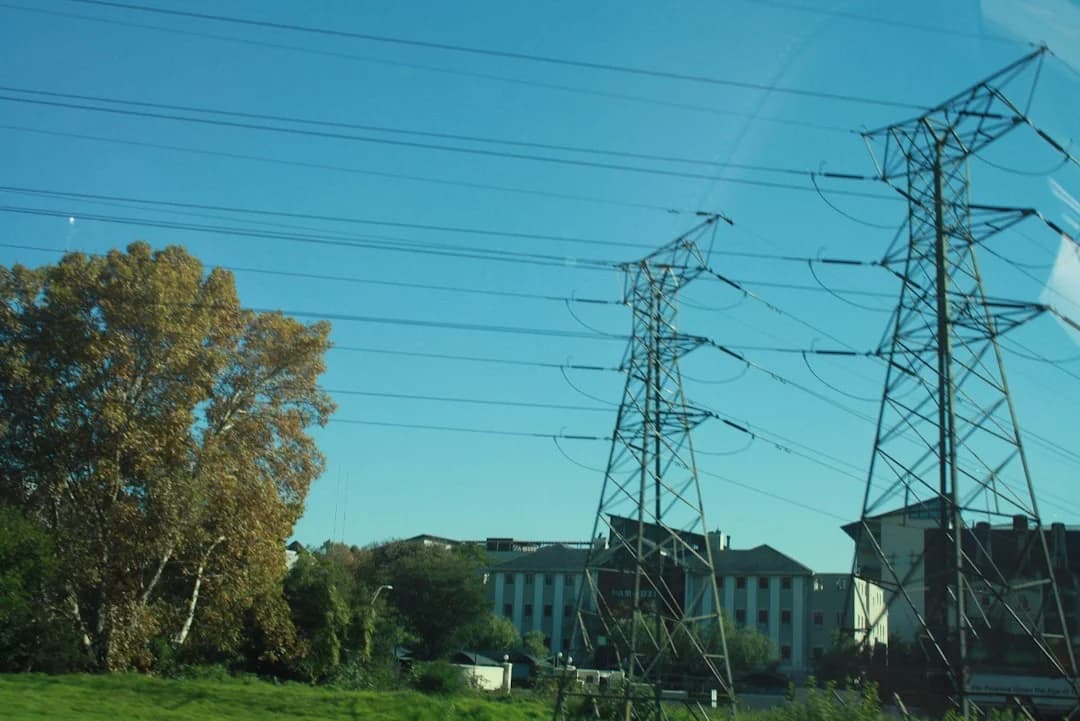
Photo by Zey Ngobese on Unsplash
In an evolving Northwest energy landscape, the Cascade Renewable Transmission System (Columbia River power line) is moving from concept to the regulatory forefront. As of March 2026, regulators, developers, and tribal and environmental groups are racing to chart a path forward for a proposed HVDC cable that would run largely beneath the Columbia River, delivering up to 1,100 megawatts of clean, renewable power from east of the Cascades to demand centers in Oregon and Washington. The project, pitched as a climate-friendly upgrade to regional transmission capacity, has quickly become one of the most consequential energy infrastructure efforts in the Pacific Northwest in recent years. If built, the project would mark the first major transmission line buried under the Columbia River, a design choice intended to limit surface impact and reduce wildfire exposure in a region increasingly shaped by decarbonization goals and policy pressure to expand renewable energy delivery. The current news cycle centers on permitting, environmental review, and tribal consultation as the project negotiates a complex, multi-jurisdictional regulatory process. (axios.com)
As the region seeks to accelerate decarbonization while maintaining grid reliability, supporters argue the Cascade Renewable Transmission System could unlock significant amounts of low-cost, low-emission power from east of the Cascades and move it to fast-growing urban and data-center corridors along the I-5 axis. Opponents—led by environmental and tribal groups—warn that the project could affect water quality, river ecology, and treaty rights, and may set a precedent for future riverbed infrastructure. The balancing act—between rapid transmission expansion and careful environmental and cultural stewardship—is playing out in real time as Oregon, Washington, and federal agencies weigh the project’s merits, risks, and timelines. The news that the project could begin construction as early as 2028 has concentrated attention on permitting milestones, public comment opportunities, and the comparably long lead times typical of large-scale HVDC projects buried in or under major waterways. (axios.com)
What Happened
Announcement and scope of the Cascade Renewable Transmission System
- The Cascade Renewable Transmission System is a proposed 320–400 kilovolt HVDC transmission facility with a target capacity of about 1,100 megawatts. The project’s developers describe a cable bundle buried primarily in the Columbia River bed, extending roughly 100 miles from the BPA Big Eddy substation near The Dalles, Oregon, southwest toward the Portland area, with a pair of converter stations at opposite ends to interconnect with existing AC systems. The project is designed to move clean electricity generated east of the Cascades to western load centers, aligning with regional decarbonization targets and renewable energy policies. The project’s own materials emphasize that the cable will be buried under the river for most of its length, with certain segments underground on land to navigate regulatory and river infrastructure constraints. (cascaderenewable.com)
Engineering approach and route details
- The proposed route is designed to minimize surface disruption while delivering a high-capacity link for renewable resources. The instruction set, as reflected in state and developer materials, indicates most of the HVDC line would be installed in the Columbia River bed across both Oregon and Washington, with approximately 7.4–7.6 miles of land-based burial to bypass the Bonneville Locks and Dam and connect to converter stations near The Dalles and in the Rivergate area of North Portland. The project would require two converter stations—one Eastern near The Dalles and one Western near North Portland—along with a modest amount of above-ground interconnection to adjacent substations. In practical terms, the technology choices include a buried underwater cable bundle and HVDC converter infrastructure to enable efficient long-distance transmission with reduced losses and improved controllability for renewable-dominated power flows. (oregon.gov)
Regulatory posture and current status
- The Oregon Department of Energy (ODOE) reports that the Cascade Renewable Transmission System is under review in Oregon, with public involvement processes ongoing and a preliminary site application progressing in 2026. Washington’s EFSEC (Energy Facility Site Evaluation Council) lists the project as “Application review” with a timeline anchored by a 2025 application date, and ongoing examination of siting, environmental impacts, and compliance. Public comments and interagency coordination are a central feature of the process, with both state-level bodies coordinating with federal agencies such as the U.S. Army Corps of Engineers. The regulatory pathway reflects a multi-jurisdictional process that is typical for cross-border, large-scale HVDC projects of this nature. (oregon.gov)
Key facts, dates, and actors
- Project scope and developers: Cascade Renewable Transmission, LLC (a joint venture including PB CRTS, LLC, a PowerBridge affiliate, and Sun2o Partners) has positioned the Cascade Renewable Transmission Project as a major cross-border HVDC link designed to transfer approximately 1,100 MW of renewable energy between The Dalles and the Portland area. This aligns with publicly stated capacity and alignment with existing interconnections. The developer’s materials emphasize that the cable will be buried underwater for most of its route, with short terrestrial segments to support interconnection points. (cascaderenewable.com)
- Public process and milestones: EFSEC notes the project’s status as “Application review” with timelines reflecting a multi-stage siting process. In Oregon, a Preliminary Application for Site Certificate (pASC) was submitted in February 2026, marking the latest milestone in an ongoing regulatory review. Washington’s EFSEC shows an initial filing in October 2025 and ongoing readiness to handle environmental review and public comment periods. The Army Corps of Engineers is involved for NEPA/CEQ-compliant environmental review, and public comment windows have been established in various jurisdictions. The public record includes a sequence of project orders and amendments dating back to 2023 and continuing through 2026, signaling a multi-year process before any construction can commence. (oregon.gov)
- Financials and scale: Independent reporting and developer materials repeatedly cite an overall project cost near the $2 billion mark and a transmission capacity of about 1,100 MW. The design intends to move a large fraction of regional renewable generation to meet demand in populous West Coast corridors, including Portland’s vicinity and downstream loads. This scale places the Cascade Transmission project among the more ambitious grid upgrades currently under consideration in the Pacific Northwest. (axios.com)
Why It Matters
Grid reliability and decarbonization: a regional electricity backbone
- The Cascade Renewable Transmission System would create a new, high-capacity, low-loss corridor for renewable energy generated east of the Cascades to reach population centers, including the Portland metro region and other demand hubs along the I-5 corridor. Proponents argue that a stable, long-distance HVDC link can alleviate bottlenecks that currently constrain the flow of clean energy to markets with high electrification needs, helping utilities meet decarbonization goals while maintaining reliability in the face of variable wind and solar output. The project’s stated objective of moving up to 1,100 MW of renewable power is designed to address capacity shortfalls and improve the region’s ability to integrate large-scale wind and solar resources. This framing is consistent with the project’s own materials and early media coverage. (cascaderenewable.com)
Environmental and tribal considerations
- The major public discourse surrounding the Cascade Renewable Transmission System centers on environmental and tribal impacts, given the river burial approach and the location within critical fish habitat and culturally significant river corridors. Environmental advocacy groups—such as Columbia Riverkeeper and the Columbia River Inter-Tribal Fish Commission—express concerns about sediment disturbance, possible impacts on water quality, and effects on endangered species and tribal fishing rights. The project has drawn explicit attention to potential habitat disruption, sediment dynamics, and long-term ecological considerations associated with dredging a long stretch of river for installation. Proponents argue that careful engineering and mitigation can minimize these impacts, and point to experience with similar buried HVDC projects elsewhere as evidence of manageable risk. The debate is ongoing and central to the permitting timeline. (axios.com)
Economic and community implications
- Beyond the grid-specific considerations, the Cascade Renewable Transmission System is framed as a generator of regional jobs, tax base enhancements, and broader economic benefits. The project description emphasizes construction employment opportunities and ongoing revenue streams from new renewable energy development that would connect to the new transmission capacity. Communities along the corridor could see economic activity linked to the siting of converter stations, maintenance facilities, and related energy projects. This aligns with typical expectations for large-scale transmission initiatives, though the exact distribution of benefits and the pace of job creation depend heavily on the permitting process and the schedule of connected renewable projects east of the Cascades. (cascaderenewable.com)
Regulatory and stakeholder balance
- The regulatory conversation touches on the tension between urgent grid expansion for clean energy and the long lead times and potential environmental and cultural impacts of a riverbed HVDC project. The Army Corps of Engineers, WA EFSEC, and Oregon DOE have all highlighted the need for rigorous environmental reviews, public comment periods, and interagency coordination with tribal governments. In addition, legal and procedural distinctions—such as the choice to pursue standard federal permitting versus expedited processing—reflect strategic decisions by the project sponsors about how best to align with state-specific siting processes and tribal consultations. The Axios reporting on March 2, 2026, captures this dynamic, including quotes from environmental advocates and the project’s permitting lead, and underscores that the ultimate decision will hinge on evolving science, regulatory findings, and stakeholder consensus. (axios.com)
What’s Next
Regulatory milestones and anticipated timelines
- The project is navigating a multi-layered regulatory path that requires site certification in Washington and Oregon, NEPA/CEQ-compliant environmental review in cooperation with federal agencies, and intergovernmental coordination with tribal authorities. In Oregon, the pASC process is a formal step in the site-certification timeline, and the First Amended Project Order (issued in 2025) set the stage for ongoing analyses and public engagement. In Washington, EFSEC lists the project as in the “Application review” stage, with the timeline anchored by a 2025 application and ongoing environmental review work. Public comment periods and hearings are anticipated as the agencies compile environmental impact statements and site-certification decisions. The pace of these steps will determine whether construction could feasibly begin in the 2028–2030 window that has been floated in public discussions. (oregon.gov)
Environmental impact assessments and public engagement
- A core upcoming milestone is the U.S. Army Corps of Engineers’ environmental review under NEPA for the Columbia River crossing. Public comment windows have already been used in related processes, and the Corps’ EIS would examine hydrology, aquatic ecosystems, fish habitat, navigation, and other resource considerations. The February 2026 public notices and the ongoing state siting actions indicate that the environmental review would be extensive, given the project’s cross-border footprint and the Columbia River’s status as a vital ecological and cultural resource. The Right Now Oregon summary from January 2026 indicates that a Notice of Intent to prepare an Environmental Impact Statement was issued in early January 2026, with a February 2026 deadline for formal public input, illustrating the formalization of the NEPA process in the near term. (rightnoworegon.com)
Industry and market context for grid upgrades
- The Cascade project sits within a broader regional push to expand high-capacity transmission to accommodate growing demand from electrification and to move large quantities of renewable energy across state lines. The project’s scale—covering roughly 100 miles of river corridor and enabling 1,100 MW of transfer—positions it among the larger, technologically sophisticated grid upgrades being considered in the Pacific Northwest. Industry watchers will be watching how other transmission initiatives, regional market dynamics, and federal policy developments influence the Cascade project’s timeline and ultimate viability. The project’s own materials and independent analysis emphasize reliability improvements, environmental compatibility, and economic benefits, while acknowledging the need for thorough regulatory review. (cascaderenewable.com)
What to watch for next
- Key near-term signals include: (1) the completion of the pASC review in Oregon, (2) formal WA EFSEC decisions on the Cascade Renewable Transmission application and any conditions or mitigations attached, (3) NEPA scoping and the initiation of the Corps’ EIS process, and (4) the establishment of public comment windows and stakeholder consultation opportunities across jurisdictions. Observers should expect multiple technical exhibits and interagency coordination briefs as the agencies evaluate route viability, dredging and burial techniques, habitat mitigation plans, and cultural resources protections. The regulatory pathway remains complex, with potential updates to project scope or schedule depending on findings from the environmental reviews and the outcomes of tribal consultations. (efsec.wa.gov)
Closing
As regulators and the project team continue to chart a path forward, the Cascade Renewable Transmission System (Columbia River power line) stands at a pivotal crossroads for Northwest energy strategy. The project promises a high-capacity conduit for clean energy to reach urban and industrial loads while attempting to minimize surface disruption and environmental risk through riverbed burial and selective terrestrial burial segments. Yet the path ahead is not merely technical; it is deeply intertwined with environmental stewardship, tribal rights, economic benefits for rural communities, and the regulatory rigor demanded by multi-state coordination. The coming months will illuminate whether the riverbed transmission concept can secure timely permits, demonstrate robust environmental protections, and deliver the anticipated reliability and economic benefits that backers project. Readers should watch for formal NEPA documentation, state siting decisions, and public engagement opportunities as the regulatory machinery unfolds. The outcome will shape not only the Northwest’s grid architecture but also the region’s approach to balancing rapid clean energy deployment with the cultural and ecological values that define the Columbia River corridor. For ongoing updates, keep an eye on EFSEC’s facility pages, the Oregon Department of Energy’s CRT materials, and the Army Corps of Engineers NEPA process notices, all of which will publish new milestones as stakeholders advance toward a final decision. (axios.com)
PowerBridge and Cascade Renewable Transmission in perspective
- The Cascade Renewable Transmission Project is a flagship example of the growing use of offshore-like or under-river HVDC links to solve transmission bottlenecks in a decarbonizing economy. By moving large blocks of renewable energy efficiently, the project seeks to reduce bottlenecks that have historically constrained West Coast energy markets. Its approach—burying a cable bundle under the Columbia River for the majority of its length, with short land-based burial sections to connect to converter stations—illustrates how developers are rethinking the visual and surface footprint of major transmission lines in densely used river corridors. While environmental and tribal stakeholders raise valid concerns about sediment, aesthetics, and cultural resources, proponents stress the project’s potential to unlock clean energy while limiting wildfire exposure compared with traditional overhead lines. The coming regulatory decisions will determine whether this vision can become a physically real, economically viable transmission asset for the region. (cascaderenewable.com)