Climate-driven Whale Migration and Pacific Northwest Tourism

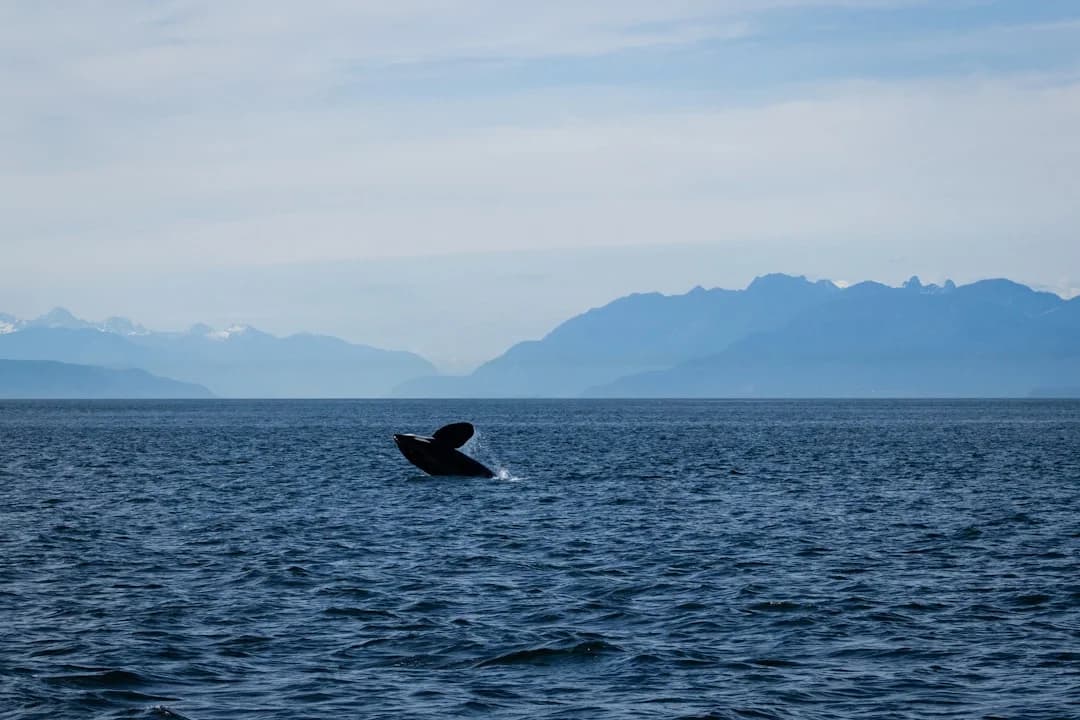
Photo by Ryan Stone on Unsplash
The Pacific Northwest is witnessing a notable reshaping of its coastline economy and coastal experiences as climate-driven whale migration patterns shift through 2025 and into 2026. In the Salish Sea, which spans Washington and British Columbia waters, humpback and Bigg’s killer whales are increasingly visible in areas that have long been less frequented by tourists, while the iconic Southern Resident killer whales remain a focal concern for conservationists and regulators alike. This evolving dynamic—driven by climate-related changes in prey distribution, water temperatures, and migratory timing—has triggered a cascade of responses from tour operators, ferry services, and regional tourism authorities as they adapt to new patterns of wildlife viewing, vessel traffic, and public interest. The development matters not only for wildlife health but also for coastal communities whose economies lean on responsible, data-driven ecotourism as a stable growth channel.
Recent field-season data released by the Pacific Whale Watch Association (PWWA) and corroborated by researchers across the region paint a clear, data-rich picture. In 2025, PWWA reported 50,323 wildlife sightings and 1,429 sentinel actions—the latter describing proactive interventions by professional whale-watching crews to slow, steer, or halt other vessels to protect whales. The number of sightings and the breadth of species observed underscored a shift toward higher daily presence of humpbacks and Bigg’s killer whales in the Salish Sea, with Southern Resident killer whales appearing on hundreds of days but far less consistently than the more abundant taxa. The association’s 2025 Sightings & Sentinel Actions Report, released on April 14, 2026, also notes that humpbacks were reported on 314 days and Bigg’s on 342 days in 2025, reflecting a robust, data-backed uptick in viewing opportunities for coastal travelers and a parallel need for vigilant, science-informed vessel management. These findings align with broader regional reporting that humpback and Bigg’s populations have shown strong presence in recent years, even as SRKW remain under close conservation watch. In the words of Erin Gless, executive director of PWWA, “It’s a remarkable, evolving season—knots of activity, steady sightings, and a growing sense that the Salish Sea has become a more reliable—and more data-rich—watching ground,” a sentiment echoed by researchers tracking daily presence and habitat use. (pacificwhalewatchassociation.com)
This year’s coverage also dovetails with broader technology-enabled monitoring and governance changes that shape how tourism operators and regulators manage interactions with whales. The Salish Sea sees thousands of annual sightings logged by commercial whale-watch vessels, ferries, and independent observers through digital platforms and coast-wide networks. The 2025 year in review for the PWWA app shows a robust uptick in data collection, with more than 50,000 wildlife reports in 2025 alone and a growing cadre of operators adopting best-practice sentinel actions to minimize disturbance and risk to animals. The 2025 report highlights that sentinel actions are increasingly used not only to protect whales but also to demonstrate the industry’s commitment to responsible viewing, a cornerstone of sustainable coastal tourism in the Pacific Northwest. This emphasis on data-driven operations is reinforced by public-facing safety and viewing guidelines that regulate vessel speeds and proximities to whales, with particular emphasis on SRKW protections in Washington waters. (pacificwhalewatchassociation.com)
Opening paragraph 3 will introduce the idea that climate-driven patterns are not only changing where whales go, but how people experience them. For readers seeking a concise lens: the keyword Climate-driven whale migration and coastal tourism in the Pacific Northwest appears here as a living, evolving story—in the Salish Sea, climate variability is shaping when and where watchers can see whales, and how communities monetize those sightings in ways that balance safety, conservation, and visitor satisfaction. The link between climate signals, whale behavior, and tourism demand is not hypothetical; it’s being tracked in near-real time by operators who log sightings, regulators who adjust rules, and communities that adjust marketing and infrastructure to accommodate growing visitor interest. (pacificwhalewatchassociation.com)
What Happened
Salish Sea migration shifts in 2025 and early 2026
The Salish Sea has become a dynamic theatre for cetacean movement as climate-linked shifts in prey availability and ocean temperatures reconfigure traditional migration timing and habitat use. Recent data indicate that Bigg’s killer whales—an ecotype that preys on marine mammals—were observed on a high number of days in 2025, reflecting a broader pattern of stability in certain sub-populations even as Southern Resident killer whales face ongoing conservation pressures. The Pacific Whale Watch Association’s 2025 data show Bigg’s presence on 342 days in 2025, with humpbacks appearing on 314 days, and a broader spectrum of species recorded across months. These patterns were corroborated by independent observers and local research groups, including Orca Behavior Institute (OBI), which documented daily or near-daily Bigg’s sightings throughout portions of 2024 and into 2025. The 2025 report also notes the appearance of many marine mammals beyond the usual cast—fur seals, horned puffins, and even a rare fin whale—underscoring that the Salish Sea’s ecology is becoming more complex and, for observers, more enticing. In May 2026, the PWWA reported the return of Big Mama, BCY0324, to Salish Sea waters after a winter migration, illustrating the ongoing, cyclical nature of humpback dynamics and the role of individual animals in public interest. These events collectively signal a climate-linked reshaping of migratory patterns and seasonal presence that directly influences how operators plan tours and how communities market Salish Sea experiences. (pacificwhalewatchassociation.com)
“New calves are a barometer of ecosystem health,” notes a leading regional observer, and 2025 delivered multiple calves for humpbacks, including the long-running Big Mama lineage. The presence of new calves strengthens public interest in whale-watching but also heightens calls for mindful viewing practices to prevent disturbance during breeding and rearing periods. The PWWA’s 2025 data show that humpback calves were observed in the Salish Sea during the 2025 season, helping to sustain high levels of year-to-year interest in viewing opportunities. This aligns with broader science indicating that humpback populations in the Northeast Pacific have shown resilience and growth in recent years, even as SRKW face cumulative pressures from prey competition, habitat alteration, and entanglement risk. (pacificwhalewatchassociation.com)
2025 Sightings & Sentinel Actions Report: key facts
The 2025 Sightings & Sentinel Actions Report—released April 14, 2026—offers a granular view of whale presence and operator interventions along the Salish Sea. The report states:
- 50,323 wildlife reports were logged in 2025, representing a 12% increase over 2024.
- Bigg’s killer whales were reported on 342 days in 2025, more days than any other whale type.
- Humpback whales were documented on 314 days, followed by minke (154 days) and gray whales (147 days), with Southern Resident killer whales reported on 93 days.
- There were 1,429 sentinel actions—interventions by whale-watch crews to slow, stop, or re-route vessels to minimize disturbance and protect whales; about 68% of vessel-related sentinel actions involved directly contacting other vessels, and the program reported a high compliance rate for vessel behavior following these interventions (over 72% success in affecting vessel response).
These figures underscore three core realities. First, cetacean presence in the Salish Sea remains robust across multiple species, which supports ongoing demand for guided viewing experiences from operators and communities that rely on ecotourism. Second, the volume and distribution of sentinel actions reflect an industry-wide commitment to responsible viewing, a critical factor for maintaining public support and regulatory license to operate. Third, while SRKW presence remains important for conservation dialogue, the data show a more complex, multi-species dynamic that tourism operators are incorporating into season planning, safety training, and consumer messaging. The 2025 report also highlights notable off-season sightings—emphasizing that the Salish Sea remains a year-round observation domain for certain species and that data collection continues to evolve with new reporting tools and cross-border collaboration. The report is based on data gathered through the PWWA App and is used by researchers, ferry captains, and coast guard desks to monitor ecosystem health and guide policy. The data also demonstrate the expanding role of technology in field operations, with operators sharing sightings in near real time to coordinate protective actions and marketing campaigns. (pacificwhalewatchassociation.com)
Industry and regulatory responses to data
The emergence of more frequent sightings across multiple species has prompted a suite of regulatory updates and industry initiatives designed to safeguard wildlife while sustaining tourism. In Washington state, commercial whale-watching and paddle-tour licensing, first established by legislative action in 2019 and launched in 2021, has continued to evolve with the 2025 rule updates, clarifying safe distances and operating zones around SRKW. The most recent rules emphasize the 1,000-yard (approximately 914 meters) buffer around SRKW year-round, with phased adjustments to vessel operations and reporting requirements. Operators are encouraged to adopt best practices such as dynamic routing to reduce cumulative exposure and to engage in ongoing training around whale-protection protocols. These updates are designed to balance economic activity with conservation priorities in one of the world’s most scrutinized whale-watching jurisdictions. Regulators also continue to refine cross-border coordination with Canadian authorities, acknowledging the Salish Sea’s shared geography and bi-national wildlife populations. (wdfw.wa.gov)
The private-sector response has also leaned into data-driven management technologies. The PWWA’s App serves as a central platform for logging sightings and sentinel actions, enabling researchers, regulatory bodies, and ferry operators to coordinate safety and conservation measures. The app’s data has become a core input into policy discussions and educational outreach, with affiliated groups such as Orca Behavior Institute and Bay Cetology contributing to a broader understanding of cetacean distribution. In 2025, the PWWA App processed 50,323 reports, an increase that mirrors the growth in public interest and the expansion of ecotourism activities in the Salish Sea. The industry’s emphasis on responsible viewing is also reflected in public-facing guidelines and training materials that emphasize safe speeds, maintainable distances, and cooperative behavior with conservation partners. The ongoing adoption of technology to support transparent reporting and accountability is a hallmark of the Pacific Northwest’s evolving whale-watching economy. (pacificwhalewatchassociation.com)
Why It Matters
Economic implications for coastal communities

Photo by Ryan Stone on Unsplash
The climate-driven patterns in whale migration and the resulting shifts in viewing opportunities have tangible economic repercussions for coastal communities in both the United States and Canada. Tourism and transportation ecosystems along the Washington coast and Vancouver Island are intertwined with cetacean watching, ferry routes, and visitor services. Washington State Ferries, a backbone of regional mobility and tourism, reported a near-1 million increase in ridership in 2025, pushing total passengers to around 20.1 million for the year and signaling a rebound in domestic travel as audiences returned to more normal patterns post-pandemic. The ferry network’s performance is a bellwether for coastal mobility and tourism demand, which in turn influences hotel occupancy, restaurant activity, and local event calendars tied to whale-watching seasons. While the ferry system’s primary mission is transport, the uptick in ridership has a pronounced secondary effect on waterfront businesses that cater to travelers, such as shipboard tours, coastside attractions, and guided wildlife experiences. The 2025 ridership data also reflect a year that benefited from broader domestic tourism recovery and the region’s appeal as a multi-modal travel corridor. (wsdot.wa.gov)
Destination BC’s market analyses for Washington underscore a steady, year-round demand for experiences that feature the Salish Sea and broader Pacific Northwest coastlines. While the region competes with other North American destinations for international and domestic visitors, the availability of reliable whale-watching opportunities—bolstered by robust field data and cross-border operator networks—supports marketing arms that highlight wildlife experiences as a differentiator for the coast. The latest market profiles show Washington as a sustained draw with seasonal peaks in summer and shoulder months when marine life viewing remains strong, complemented by cross-border itineraries that blend Vancouver Island, Seattle, and coastal communities. This ecosystem of experiences is increasingly reliant on data-driven storytelling that showcases whale migrations as climate-driven phenomena with timely updates for visitors and press alike. (destinationbc.ca)
BC’s tourism research and Destination BC’s market analyses further illustrate a regional economy exposed to the fluctuations of wildlife watching demand, seasonality, and cross-border travel patterns. Tourism data from British Columbia’s research indicates ongoing growth in wages and tourism-related employment, with destinations leveraging the appeal of whale watching to attract visitors across seasons. The cross-border collaboration between Washington-based operators and BC-based cruises, marine sanctuaries, and tourism boards creates a resilient network that can adapt to shifting whale presence while delivering meaningful visitor experiences. The 2025–2026 period is notable for its emphasis on sustainable practices, cross-agency coordination, and transparency in reporting—factors that can help communities weather fluctuating whale-spotting trends while maintaining visitor confidence and ecological integrity. (www2.gov.bc.ca)
Beyond direct visitor spending, the data-driven approach to whale watching has led to a broader application of technology in marketing and education. Operators use live updates, social media feeds, and mobile apps to share sightings with the public in near real time, supporting responsible viewing and community engagement. These practices have become a hallmark of the Pacific Northwest coast’s tourism model, where compelling wildlife experiences are integrated with safety protocols and conservation messaging. Businesses ranging from ferry operators to marine-tour operators emphasize transparency about whale presence and behavior, offering guests a sense of immediacy and relevance in their coastal travel plans. In 2025, the industry’s adoption of sentinel-action reporting also helped demonstrate that tourism operators are actively contributing to whale protection while delivering compelling experiences that attract new visitors. (pacificwhalewatchassociation.com)
Conservation and ecosystem considerations
The climate-driven shifts in whale migration patterns have direct implications for conservation policy and ecosystem management in the Pacific Northwest. NOAA’s ongoing work in the Northwest includes monitoring the Southern Resident killer whale population, a stock listed under the Endangered Species Act, and evaluating critical habitats and human-caused stressors. The Pacific Northwest’s protected areas, including Olympic Coast National Marine Sanctuary, are now the focus of collaborative studies aimed at understanding how distribution changes influence habitat use, prey dynamics, and human activity. The sanctuary’s 2025 reporting on SRKW movements and habitat use highlights how a changing climate can push some resident populations to adjust their seasonal ranges, which in turn informs gear, vessel traffic guidelines, and enforcement priorities. While the SRKW population remains in a precarious status, the improved availability of data across the Salish Sea enables more precise management decisions and more targeted outreach to operators and visitors about best practices in wildlife viewing. (sanctuaries.noaa.gov)
Researchers are increasingly using opportunistic sightings records to map spatio-temporal shifts in mysticete presence across the Central Salish Sea. A 2024 Frontiers in Conservation Science study, along with companion data compilations, shows how humpback, gray, and other baleen whale presence has varied across years and sub-regions, offering insight into how climate-driven oceanographic changes may influence feeding and breeding ground selection. This line of inquiry complements ongoing analytic work from NOAA and university labs that track migratory connectivity in the Northeast Pacific, reinforcing the view that climate variability has a measurable, multi-species effect on where and when whales show up along the Pacific Northwest coast. (frontiersin.org)
Technology, data, and governance in whale watching
The Pacific Northwest’s whale-watching ecosystem is increasingly defined by real-time data collection, cross-border collaboration, and performance standards that reflect both conservation goals and visitor expectations. The PWWA’s data-sharing platforms link captains, researchers, and regulators, enabling rapid responses to whale movements and potential disturbances. The Association’s 2025 report illustrates how sentinel actions translate into safer waterways and more responsible shore-and-water experiences for tourists. Regulators have responded by refining licensing, expanding training requirements, and clarifying distances around SRKW and other sensitive populations. Operators continue to experiment with new guidelines, such as near-real-time alerts to reduce noise and speed when whales are in the vicinity, and the industry’s commitment to public education remains robust. The BC Times’ coverage of 2026-specific tech trends underscores the role of cross-border data sharing and more sophisticated on-water decision-support tools as essential for sustaining coastal tourism in the climate era. (pacificwhalewatchassociation.com)
What’s Next
Near-term outlook for 2026–2027
Industry observers anticipate that the Salish Sea will continue to host diverse cetacean communities as climate patterns persist in shaping prey dynamics and migratory timing. The 2025 data, translated into 2026 reporting cycles, suggest that humpbacks and Bigg’s killer whales will remain common enough to sustain robust viewing opportunities, particularly during spring through late autumn. This forecast aligns with ongoing wildlife-management conversations and cross-border data-sharing efforts that allow operators to tailor itineraries to observed whale distributions while protecting wildlife. The ongoing return of veteran individuals, such as Big Mama, and the regular appearance of calves indicate a resilient, dynamic ecosystem that remains attractive to visitors who want a reliable wildlife experience. It is important to note that SRKW conservation remains a guiding priority, with regulators and researchers continuing to monitor prey availability, entanglement risk, and habitat suitability as climate pressures evolve. The Washington state and British Columbia agencies have signaled continued collaboration to align regulations with the latest science, ensuring that tourism professionals can plan responsibly while delivering high-quality guest experiences. (pacificwhalewatchassociation.com)
What to watch for in the coming seasons
Tour operators and tourism boards will likely emphasize three axes in 2026–2027:
- Data-driven scheduling and marketing: With more frequent, higher-frequency sightings, operators can craft precise seasonal calendars that optimize wildlife viewing opportunities and minimize disturbance, while sharing timely updates with travelers. The PWWA’s ongoing reporting provides a granular dataset that supports these efforts and helps marketers highlight peak months or unique sighting events, such as calf births or unusual species appearances. (pacificwhalewatchassociation.com)
- Cross-border collaboration: The Salish Sea’s cross-border geography makes joint monitoring and policy alignment essential. This includes harmonizing viewing guidelines, safety protocols, and citizen-science initiatives that empower both American and Canadian communities to participate in wildlife protection while delivering meaningful travel experiences. Cross-border tourism partnerships and shared marketing campaigns may become even more central to regional growth. (pacificwhalewatchassociation.com)
- Conservation-first tourism branding: The industry’s data-rich approach supports transparent messaging about wildlife status and viewer etiquette. This branding will likely emphasize respectful viewing, adherence to buffers around sensitive populations, and ongoing research collaborations with academic and nonprofit partners. The emphasis on responsible tourism aligns with long-term sustainability goals, and it helps maintain the legitimacy of whale-watching activities as a legitimate, data-driven economic sector in the Pacific Northwest. (wdfw.wa.gov)
What to watch for: policy and infrastructure shifts
Regulators could implement further refinements to licensing, training, and enforcement. The 2025 rule updates in Washington’s commercial whale-watching licensing program serve as a template for how evolving data can translate into practical rules for operators. Expect continued attention to precision in vessel operations around kennels of SRKW and other protected populations, and possible expansion of dynamic management practices that adjust zones and speeds based on real-time whale presence. In Canada, cross-border policy coordination may focus on standardized reporting, better data interoperability, and joint public education initiatives that reinforce wildlife protection while sustaining an authentic, science-based ecotourism offering. As the climate continues to influence prey dynamics in the Salish Sea, both regulators and industry players will likely emphasize system resilience—ensuring that the tourism sector can respond to shifting whale presence without compromising conservation objectives. (wdfw.wa.gov)
What’s Next (Timeline and Next Steps)
- 2026: Ongoing cross-border data integration and regulatory alignment continue to shape operator practices and public communications about whale watching. Expect updates to licenses, safety guidelines, and best-practice protocols as more sightings data becomes available and field studies advance. Cross-border collaboration remains essential to monitor and manage populations that traverse both U.S. and Canadian waters. (wdfw.wa.gov)

Photo by Ali Kazal on Unsplash
- 2026–2027: Continued use of the PWWA App and similar platforms to log sightings, sentinel actions, and interoperability with ferry and coast-guard operations will influence how operators plan seasonal schedules and how marketing messages are crafted. The growing emphasis on transparency and reef-safe viewing is likely to become a standard expectation among visitors and local residents alike. (pacificwhalewatchassociation.com)
- 2027: Conservation biology and whale-watching enterprise development are likely to converge on a mature, data-driven model that emphasizes ecological health, sustainable visitation, and strong, cross-border governance structures. Observers will watch for shifts in SRKW habitat use and prey dynamics that could alter viewing windows or best-practice norms across the Salish Sea. (sanctuaries.noaa.gov)
Closing
In the face of climate-driven shifts in whale migration and coastal tourism in the Pacific Northwest, the region is learning to blend science with sustainable business practice. The Salish Sea’s changing cetacean mosaic—marked by persistent Bigg’s presence, robust humpback activity, and ongoing SRKW conservation concerns—offers a compelling case study in how data, policy, and people intersect to shape a resilient coastal economy. Operators, regulators, researchers, and visitors are collectively testing and refining the balance between awe-inspiring wildlife experiences and the imperative to protect the very ecosystems that make those experiences possible. As the data continue to accumulate, BC Times will monitor the evolving landscape, report on the latest sightings, and translate complex science into accessible, actionable information for readers across the Pacific Northwest.
The next few seasons are likely to bring more surprises, but they also promise a clearer path for sustainable, data-driven coastal tourism that can adapt to the climate realities shaping whale migration. For travelers and locals alike, this means continuing to read wildlife updates, follow responsibly guided tours, and support initiatives that invest in long-term whale health and habitat protection while keeping the Salish Sea a vibrant, welcoming place for both wildlife and people.