Fairy Creek old-growth deferral 2026 BC Extended

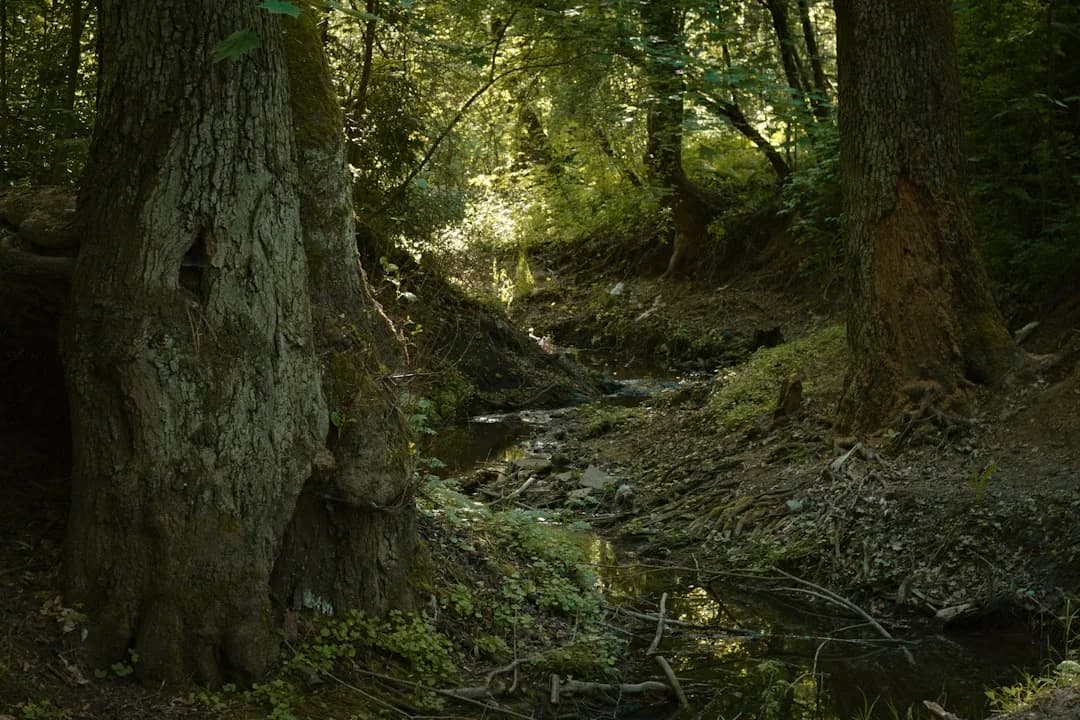
Photo by Konrad Pistol on Unsplash
The British Columbia government has extended the Fairy Creek old-growth deferral 2026 BC, moving the temporary protections for the Fairy Creek watershed through September 30, 2026. The move, announced in late January 2025, preserves roughly 1,200 hectares of Crown land in the Fairy Creek watershed and continues the pause on logging while long-term forest management discussions proceed with Pacheedaht First Nation and other partners. The extension applies to the same forest lands that were deferred in June 2021 at the request of the Pacheedaht First Nation, and the official order covers the entire Fairy Creek watershed, which sits northeast of Port Renfrew on southern Vancouver Island. This latest update underscores the province’s ongoing effort to balance conservation goals with Indigenous-led planning for old-growth forests in one of British Columbia’s most visible coastal ecosystems. (news.gov.bc.ca)
Public officials say the extension is a controlled, time-bound step designed to unlock a longer-term, collaborative approach to forest stewardship in the Fairy Creek region. In the government release, the Ministry of Forests notes that the deferral protects all Crown land within the Fairy Creek watershed and sits within the governance framework of Old Growth Designated Area No. 1. The government emphasizes reconciliation and the central role of Indigenous leadership in setting a pathway toward sustainable, long-term forest planning. The extension was described as part of a broader strategy to align forestry operations with First Nations’ land-use visions, while ensuring habitat protection for species such as the marbled murrelet. The Province also highlighted that 15 forest landscape planning (FLP) projects are underway provincewide, reflecting a broader shift toward collaborative planning. In a quoted passage, Minister Ravi Parmar framed the effort as part of “putting people and communities back at the heart of forestry.” (news.gov.bc.ca)
Section 1: What Happened
Announcement details
- The official news release dated January 29, 2025, confirms that the Province extended the Fairy Creek old-growth deferral 2026 BC through September 30, 2026. The extension is enacted via a legal order that continues temporary protections for the Fairy Creek watershed. The order applies to the same forest lands that were deferred when the designation first came into effect in June 2021. This extension represents a formal, legal reaffirmation of deferral rather than a permanent policy shift. The government notes that the extension aligns with commitments to reconciliation and to protecting BC’s oldest and rarest forest ecosystems. The extension is described as a step in ongoing discussions with the Pacheedaht First Nation on long-term watershed management. (news.gov.bc.ca)
Scope and geography
- Fairy Creek is described as a 1,184-hectare watershed, with 883 hectares classified as old growth. The designation area sits within the traditional territory of the Pacheedaht First Nation and includes Crown land protections covering essentially all land within the Fairy Creek watershed. The Department’s materials emphasize that the extension maintains protection for the entire watershed, reinforcing the provincial stance that the area is a focal point for collaborative forest governance and First Nations-led stewardship planning. In addition to Fairy Creek, Old Growth Designated Area No. 1 includes other blocks on Vancouver Island, such as Central Walbran and Crystalline Creek, but the Fairy Creek designation remains the centerpiece of the 2021 deferral package. (www2.gov.bc.ca)
Legal framework and timeline
- The Fairy Creek deferral sits within Part 13 of British Columbia’s Forest Act, which enables ministerial orders to suspend forestry activities within designated areas. The Fairy Creek Watershed Designated Area No. 1 was established in 2021, with subsequent amendments and extensions through 2023–2025. The 2025 extension to September 2026 follows earlier extensions in 2023 and 2025, reflecting a pattern of multi-year deferrals designed to allow meaningful discussions with First Nations while protecting sensitive ecosystems. The broader context is that five disjunct Old Growth Designated Area No. 1 sites—including Fairy Creek—are at the center of long-term planning efforts that also involve other blocks such as Walbran, Crystalline Creek, Skagit-Silver Daisy, and Stockdale Creek. The government materials also note ongoing open houses and engagement processes for other forest landscape planning efforts across the province. (www2.gov.bc.ca)
A closer look at the extension
- The January 2025 release explicitly states that the deferral protects almost 1,200 hectares of Crown land within the Fairy Creek watershed, a figure the government rounds to the nearest significant measure in public communications. The ministry’s language ties the deferral to long-term management discussions with the Pacheedaht First Nation, and notes that the extension is intended to support a broader reconciliation-oriented approach to forestry planning. The extension makes clear that logging remains paused in the designated area, while a path forward is developed through collaboration and planning exercises, such as forest landscape planning tables that are already underway within other parts of BC. The emphasis is on a transition from rapid decision-making to deliberate, consultative governance around old-growth protections. (news.gov.bc.ca)
Section 2: Why It Matters
Environmental and biodiversity implications
- The Fairy Creek old-growth deferral 2026 BC extension carries with it a signal about BC’s approach to protecting high-value ecosystems during a period of intense public attention on old-growth forests. By maintaining a deferral in the Fairy Creek watershed through Sept. 30, 2026, the province is preserving a habitat that has drawn widespread attention for its coastal old-growth characteristics and its role as a habitat for the marbled murrelet, among other species. The government frames the deferral as part of a broader strategy to protect “the oldest and rarest forest ecosystems” while continuing the long-term planning process with Indigenous partners. This approach reflects a shift toward more deliberate, collaborative ecosystem stewardship rather than immediate resource extraction in contested areas. Critics and supporters alike point to the need for robust ecological baselines and transparent monitoring to ensure that protection translates into measurable biodiversity outcomes. While the extension itself is a political and governance instrument, its ecological rationale rests on the idea that stable, long-term planning can reduce risk to sensitive old-growth stands and maintain ecological connectivity in a fragmented landscape. (news.gov.bc.ca)
Indigenous partnership and governance
- A central element of the Fairy Creek deferral extension is its framing within an Indigenous-led process. The government emphasizes co-governance and co-management with First Nations, specifically naming the Pacheedaht First Nation as a key partner in shaping long-term stewardship of the watershed. The official materials describe a path forward that includes collaboration on resource stewardship plans and meaningful engagement with local communities and First Nations. This reflects a broader BC policy trend toward recognizing Indigenous rights and title in forest planning, with forest landscape planning (FLP) tables identified as a vehicle for inclusive decision-making. The 2025 release underscores the Province’s commitment to reconciliation as a core component of conservation and forest management strategies. (news.gov.bc.ca)
Economic and industry context
- Logging deferrals in Fairy Creek have historically had implications for local industries and the broader timber sector, particularly around access to old-growth stands and related supply chain considerations. The 2025 extension preserves the status quo for the deferral, meaning that immediate harvesting activity within the Fairy Creek watershed remains paused for now, while the long-term plan is negotiated. BC government notes that the extension is intended to facilitate a transition toward long-term forest management rather than an abrupt policy shift, and public reporting consistently highlights that the deferral affects Crown land within the watershed. Environmental groups, industry observers, and local stakeholders have expressed a range of views about the balance between conservation outcomes and economic activity, with many advocating for clear, predictable timelines and transparent metrics to measure progress. The government’s framing of this extension as a step in ongoing collaboration with Indigenous communities aims to create a more stable planning environment for both conservation and future forest utilization. (news.gov.bc.ca)
Section 3: What’s Next
Future management discussions
- The January 2025 extension explicitly references ongoing discussions with the Pacheedaht First Nation on long-term management of the Fairy Creek watershed. Those conversations, in tandem with the broader Old Growth Strategy and the From Review to Action framework, are expected to inform future decisions about whether, when, and how any logging might resume in adjacent blocks or in nearby ecosystems. The government points to the role of FLP tables and partnering mechanisms as venues to translate an initial deferral into concrete plans for safeguarding biodiversity while accommodating sustainable forest use. Observers anticipate that future milestones will include formal agreements on stewardship plans, timelines for assessing ecological indicators, and defined triggers for re-evaluating the deferral as long-term plans crystallize. (news.gov.bc.ca)
Monitoring, transparency, and accountability
- As with other deferral areas, BC’s deferral mechanism is paired with expectations for monitoring and accountability. The deferral is legally enforceable under Part 13, and the government has signaled ongoing engagement with First Nations and industry to design governance structures that can sustain biodiversity protections while enabling responsible forest management in the future. The 2025 government materials highlight a continuing emphasis on transparent processes, including engagement events around FLPs and regular updates on old-growth stewardship progress. For readers tracking the Fairy Creek deferral timeline, the key upcoming milestone remains the September 30, 2026 date, which will likely serve as a checkpoint for reassessing long-term planning outcomes and for evaluating whether additional deferrals or policy adjustments are warranted as the long-term plan evolves. (www2.gov.bc.ca)
Next steps and watch points
- In the immediate term, readers should expect continued government communications about the Fairy Creek deferral, including any new ministerial orders, open houses for related FLP processes, and updates on the status of the Pacheedaht First Nation’s resource stewardship planning. News outlets and industry watchers will also monitor any legal or regulatory developments tied to the deferral and any changes in the status of adjacent areas within Old Growth Designated Area No. 1. The broader context includes BC’s ongoing Old Growth Action Plan, which aims to translate strategic reviews into actionable conservation and land-use outcomes, with Fairy Creek serving as a high-profile case study in collaborative governance and ecosystem protection. (bcbudget.gov.bc.ca)
Closing
The Fairy Creek old-growth deferral 2026 BC extension marks a pivotal moment in British Columbia’s approach to old-growth protection and Indigenous-led forest governance. By extending the deferral through September 2026, the Province signals its commitment to a careful, consultative process that prioritizes ecological integrity while supporting a shared path to long-term stewardship with the Pacheedaht First Nation and other partners. For readers of BC Times, the development is more than a temporary pause on logging; it is a signal that the province intends to embed conservation goals within a collaborative framework that can guide forest policy for years to come. As the long-term management discussions unfold, observers will watch for concrete stewardship milestones, transparent reporting on ecological indicators, and clear timelines that translate intent into measurable protection for Britain’s coastal old-growth forests. Stay tuned for updates from government briefings, Indigenous partnerships, and industry analyses as the Fairy Creek deferral narrative evolves toward a durable, ecosystem-centered future. (news.gov.bc.ca)