FIFA World Cup 2026 in Vancouver: Seven Matches at BC Place

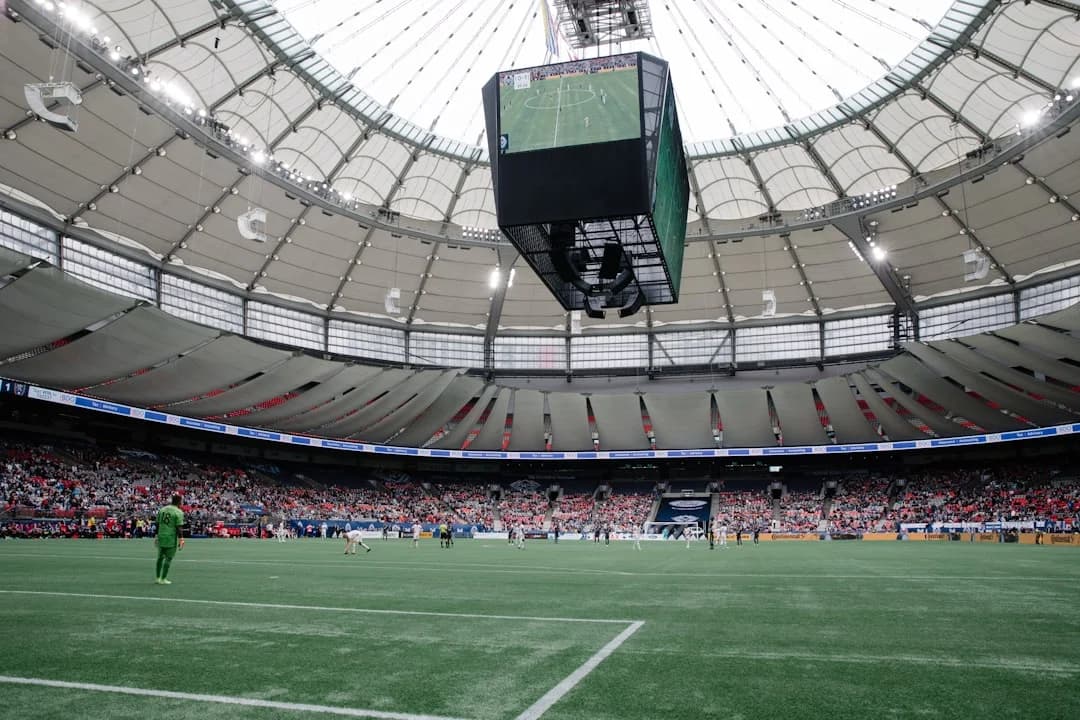
Photo by Hunter Reilly on Unsplash
Vancouver is preparing for a defining summer as FIFA World Cup 2026 in Vancouver brings international attention to British Columbia. BC Place will host seven matches as part of a three-nation, 16-city tournament that will mark a new era for North American soccer. The venue schedule confirms that Vancouver, one of the host cities in Canada, will welcome multiple Group Stage games featuring Team Canada and a pair of knockout-round matches in the competition’s expanded format. With official match allocations now public, local officials, businesses, and fans are recalibrating plans for travel, tourism, and urban infrastructure during the World Cup window in June and July 2026. Vancouver’s role is central to the national narrative of Canada’s first involvement in a FIFA Men’s World Cup and the broader economic and technological playbook that accompanies a mega-event of this scale. The 2026 World Cup is designed to be larger than any prior edition, with 104 matches across 16 cities, and Vancouver’s participation underscores the city’s capability to host at the highest level. (fifaworldcup26.suites.fifa.com)
The event is not merely a series of soccer matches; it is a strategic public‑private moment for Vancouver’s economy, transit networks, and digital fan experiences. Provincial and municipal governments, Destination Vancouver, PavCo, and transport authorities have mapped anticipated benefits, costs, and long‑tail effects that could extend beyond the World Cup itself. Government analyses project meaningful visitor flows and revenue for hotels, dining, and entertainment, while also acknowledging upfront costs and operational risks. The overarching expectation is that the World Cup will energize downtown core activity, diversify tourism markets, and accelerate investments in stadium upgrades, security, and mobility systems. FIFA's own impact assessment frames the tournament as a catalyst for regional growth, with billions in economic ripple effects projected across British Columbia. (news.gov.bc.ca)
Section 1: What Happened
Announcement Overview Canada, Mexico, and the United States will co-host FIFA World Cup 2026, with Vancouver identified as a key Canadian venue. The official FIFA World Cup 2026 suites page confirms that BC Place Vancouver will host seven matches, including two Canadian national team Group Stage fixtures, as part of the Vancouver match slate. This arrangement places Vancouver alongside other Canadian host sites such as Toronto’s BMO Field and Montreal’s venues, marking a milestone for Canadian soccer on the world stage. The Vancouver announcement aligns with FIFA’s broader host-city roster and the tournament’s expanded 48‑team format, which requires multiple venues across three nations. (fifaworldcup26.suites.fifa.com)
Schedule and Venue Details The Vancouver match calendar, released through official FIFA channels and corroborated by Destination Vancouver, outlines seven matches at BC Place between mid‑June and early July 2026. Specific Vancouver dates include June 13 (Group Stage), June 18 (Canada vs. Qatar), June 21 (Group Stage), June 24 (Canada vs. Switzerland), June 26 (Group Stage), July 2 (Round of 32), and July 7 (Round of 16). The schedule shows that Vancouver will host five Group Stage matches, including two Canada fixtures, followed by one Round of 32 and one Round of 16 match. The opening match of the World Cup occurs on June 11 in Mexico City, with Canada’s opener scheduled for June 12 in Toronto; Vancouver then hosts two Canada games as part of the group phase. The schedule highlights the city’s four‑week concentration of activity, which will drive transportation planning, security, and crowd management. (destinationvancouver.com)
Key Facts and Timeline A concise timeline situates Vancouver’s World Cup involvement within the broader event: (a) Vancouver’s seven‑game slate publicly confirmed in late 2025 through official World Cup materials; (b) Transportation and city planning briefings stepping up in early 2026 as the countdown passes the 100‑day mark; (c) June 11–July 19, 2026, the overall tournament window, with Vancouver entry points in mid‑June to early July; (d) World Cup economic impact assessments and long‑tail planning suggesting substantial visitor and revenue benefits for the region. The official FIFA 2026 venue pages and Destination Vancouver resource materials provide the core dates and match allocations, while provincial and city communications outline anticipated benefits and costs. In particular, FIFA’s BC Place venue page confirms seven Vancouver matches including Canada fixtures, and Destination Vancouver provides explicit Vancouver match dates and the framework for surrounding events. (fifaworldcup26.suites.fifa.com)
Economic and Market Context Beyond the pageantry, the Vancouver World Cup hosting plan intersects with a broader economic and tourism narrative in British Columbia. Provincial cost and revenue estimates released close to the one‑year‑out mark project meaningful economic benefits, including more than one million additional out‑of‑province visitors between 2026 and 2031 and more than $1 billion in incremental visitor spending. The FIFA World Cup 26 impact assessment spanning 2023–2026 estimates a $1.7 billion contribution to British Columbia’s GDP, accompanied by job growth across sectors tied to hospitality, transport, and events. City and provincial officials frame the initiative as a long‑term destination marketing lever, designed to sustain Vancouver’s role as an international events hub well after the curtain falls on the World Cup. (news.gov.bc.ca)
Section 2: Why It Matters
Economic Impacts on Local Markets Provincial and city analyses emphasize a multi‑year economic tail from Vancouver’s World Cup participation. The official cost and revenue updates underscore a plan to harness tourism spillover to hotels, restaurants, and entertainment districts, with projections of billions in economic activity across the region and thousands of jobs. Destination Vancouver leaders describe the World Cup as a catalyst that can energize downtowns, hotels, and regional partners, while government briefs quantify the potential for a lasting legacy in visitor economy and business activity. These analyses are reinforced by Destination BC playbooks and provincial communications that position the event as a high‑impact opportunity for tourism growth, workforce development, and international branding. While there are upfront costs, authorities argue that the long‑term benefits—plus the prospect of sustaining interest in British Columbia as a premier global event host—justify the investment. (news.gov.bc.ca)
Tech and Infrastructure Readiness Technology and market trends are central to the Vancouver World Cup narrative. The event is expected to showcase advanced stadium connectivity, data‑driven fan experiences, and robust mobility planning. Recent coverage highlights the role of telecommunications partners in delivering reliable, high‑speed coverage for visiting fans, including Verizon’s sponsorship arrangements intended to ensure seamless mobile service for as many as three million international attendees. The Associated Press report notes a “soft SIM” approach and enhanced data services in stadiums and fan zones, underscoring the criticality of connectivity for on‑site engagement, digital ticketing, and real‑time information delivery. On the ground, TransLink’s March 2026 plan outlines substantial service enhancements—thousands of additional transit trips per day, near‑rush‑hour train frequencies, extended SkyTrain hours, and reorganized access to BC Place to accommodate large crowds. Together, these tech and mobility initiatives reflect a broader trend toward smart stadiums and data‑driven fan experience strategies that will likely persist beyond 2026. (apnews.com)
Stadium Capacity and Event Readiness BC Place is the centerpiece of Vancouver’s World Cup footprint, with a 54,500‑seat capacity configured for varied event types, including concerts and sports. The stadium’s capacity aligns with the scale of World Cup crowd flows, while recent venue updates and renovations position it for high‑profile, multi‑week events. The capacity figure is corroborated by industry coverage that highlights BC Place’s role as a premier Western Canadian venue and its ability to host World Cup matches in a climate that demands flexible seating and hospitality configurations. Venue readiness complements the city’s transit and security planning, creating a relatively integrated model for large‑scale international events. (blog.ticketmaster.com)
Public-Private Partnerships and Community Engagement Vancouver’s World Cup planning hinges on coordinated efforts among government bodies, Pavilion Corporation (PavCo), Destination Vancouver, and city departments. Destination Vancouver and PavCo presentations emphasize the collaborative approach to delivering a world‑class fan experience, ensuring accessibility, and maximizing local benefit. The provincial and municipal communications stress inclusive engagement with Indigenous communities, local businesses, and tourism partners to distribute benefits widely across communities and regions. The Vancouver plan explicitly recognizes the World Cup as an opportunity to showcase cultural diversity and to reinforce the city’s status as a global events destination, while also addressing local concerns about costs, housing, and infrastructure pressure. (news.gov.bc.ca)
Potential Risks and Challenges No major event program is without risk, and Vancouver’s World Cup planning is no exception. Accommodation supply and pricing remain topics of scrutiny, with analyses and industry playbooks examining the potential for a housing shortfall and the need for coordinated lodging strategies to accommodate foreign visitors. Local news coverage has highlighted concerns about hosting costs and the long‑tail economic impact, balanced against FIFA’s robust economic projections. Industry reports and city‑level studies emphasize the importance of proactive planning—ranging from hotel inventory and street closures to transit crowd management and security—to mitigate disruptions and maximize positive outcomes for residents and visitors alike. While the anticipated benefits are sizable, prudent governance and transparent communication remain essential to sustaining public trust. (vancouver.citynews.ca)
Section 3: What’s Next
Upcoming Milestones With the countdown well underway, Vancouver is advancing both operational readiness and fan engagement initiatives. TransLink’s plan anticipates a four‑week congestion window with dramatic service enhancements—daily extra bus trips, escalated SkyTrain frequency, SeaBus adjustments, and intensified crowd management staffing. The plan also highlights dedicated routes and last‑mile strategies to connect fans from transit hubs to BC Place and the FIFA Fan Festival Vancouver. In parallel, the FIFA suite and official venue information continue to refine matchday operations, with a focus on secure perimeter control, pedestrian routing, and one built‑in entrance model to streamline access. The combination of transit upgrades, venue readiness, and fan services sets the stage for a smooth, efficient World Cup experience for locals and visitors alike. (translink.ca)
Ticketing, Tourism, and Local Engagement Tickets will be sold through FIFA’s official channels, with Vancouver hosting five group matches and two knockout events. Destination Vancouver’s published schedule reinforces the notion that fans will have multiple opportunities to attend Canada fixtures and other matches in an efficient geographic cluster, given Vancouver’s central location in the region’s travel network. Destination BC and Destination Vancouver are actively coordinating with tourism partners to align accommodations, travel packages, and local promotions, ensuring that Vancouver–and British Columbia more broadly–benefit from a coordinated marketing push aimed at international visitors and domestic travelers alike. The overall tourism playbook anticipates a long‑term lift in brand visibility and visitor activity in the wake of the World Cup. (destinationvancouver.com)
What to Watch For Readers should monitor key indicators that will reveal the World Cup’s on‑the‑ground trajectory in Vancouver: ticket sales and distribution through official FIFA channels, real‑time transit advisories from TransLink, and post‑event economic impact updates from provincial and city agencies. As infrastructure and mobility plans unfold, local businesses will also be keenly watching occupancy rates, event pacing, and ancillary activity in lodging, dining, and entertainment sectors. The Verizon sponsorship arrangement for visitor connectivity signals an emphasis on digital fan experiences, which could extend into local initiatives such as augmented reality (AR) displays, real‑time data overlays in stadium apps, and fan‑centered services at BC Place and surrounding venues. The World Cup’s visibility in Vancouver will likely accelerate public‑private collaboration around transportation, security, and hospitality, potentially shaping future investments in regional event readiness. (apnews.com)
Closing As Vancouver positions itself for a transformative summer of sports and international attention, the FIFA World Cup 2026 in Vancouver marks a moment of intersection between sport, technology, and regional economic strategy. The seven matches at BC Place are a focal point, but the broader story includes transit planning, digital fan experiences, and a partner ecosystem designed to maximize positive outcomes for residents, visitors, and local businesses. By grounding the coverage in official schedules, government analyses, and transport plans, BC Times aims to provide readers with a precise, data‑driven view of what Vancouver stands to gain—and what it must manage—during this landmark event. For ongoing updates, fans and stakeholders should monitor FIFA’s official communications, City of Vancouver briefings, TransLink advisories, and Destination Vancouver’s World Cup 2026 hub as the tournament approaches. (fifaworldcup26.suites.fifa.com)