FIFA World Cup 2026 Vancouver Fan Festival Hastings Park

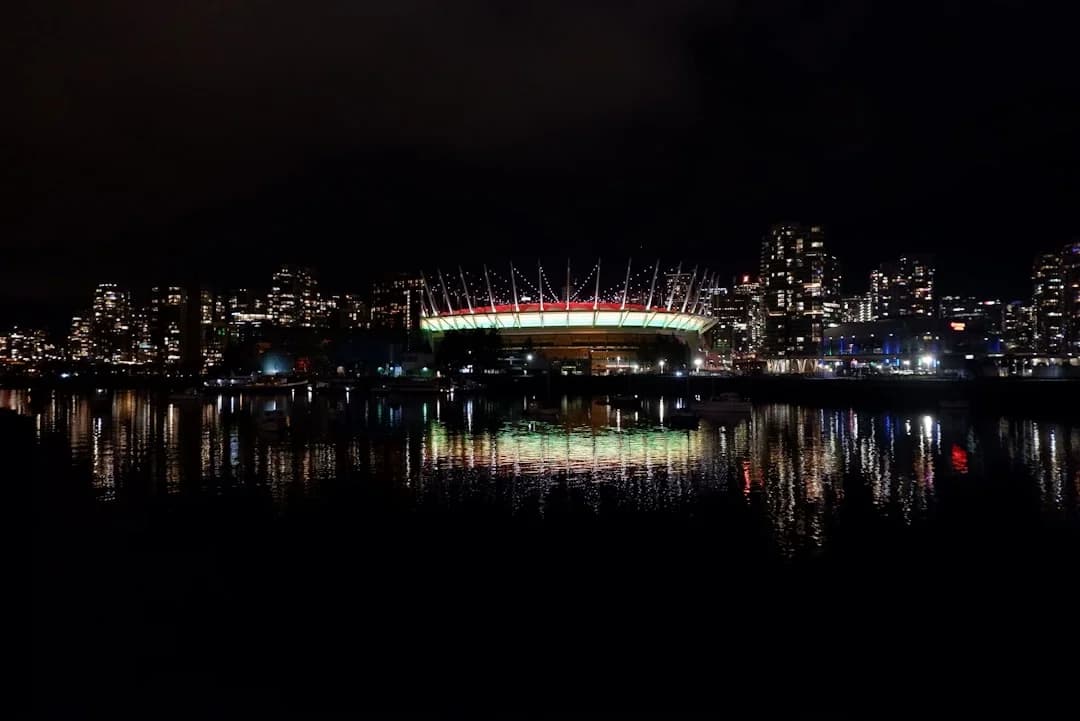
Photo by Itsuka Iwaki on Unsplash
Vancouver is positioned to become a central heartbeat of the FIFA World Cup 2026™ experience this summer, as the city hosts the FIFA World Cup 2026 Vancouver Fan Festival at Hastings Park. The event is designed as a free, city-wide celebration that will run from June 11, 2026, to July 19, 2026, offering live match broadcasts, performances, and culturally rich programming for residents and visitors alike. The official festival site is located at Hastings Park, within the PNE grounds, creating a dedicated outdoor venue where fans can gather, cheer, and celebrate the tournament beyond the stadium. This marks a landmark moment for Vancouver, positioning the city as a premier, inclusive destination for World Cup fans and a showcase for local businesses, artists, and transportation networks. The festival site will be open to the public with free access to the festival grounds, and free general admission for the amphitheatre floor during match viewings, a policy designed to maximize accessibility and community engagement. (vancouver.ca)
Ahead of kickoff, Vancouver’s host committee and city authorities have emphasized a coordinated, data-informed approach to the fan festival experience. The scheduling portal confirms a 28-day event window, featuring more than 100 hours of FIFA World Cup 2026™ live match broadcasts and over 120 artist performances across multiple stages, creating a stadium-like atmosphere throughout the festival grounds. The plan also includes a broad entertainment slate, food offerings from across the province, and cultural programming designed to highlight Vancouver’s creativity and diversity. Local authorities and event organizers are coordinating with transit agencies to ensure smooth access and mobility for attendees, including enhanced bus, SkyTrain, SeaBus, and other transit services during match days. (vancouverfwc26.ca)
The announcement comes as part of a broader provincial and municipal framework to maximize the World Cup’s economic and cultural benefits while maintaining safe, well-managed public spaces. City and provincial officials underscored the festival as British Columbia’s largest fan destination during the tournament, with support for free access at the festival site and free general admission in the amphitheatre floor for match viewings. The event’s branding and design program aims to deliver a consistent visual identity from arrival to the stadium, complementing Vancouver’s city branding while leveraging the “We Are a Force of Nature” motif to convey energy, inclusivity, and readiness for a global audience. The fact sheet and government communications also emphasize volunteer engagement, safety coordination across agencies, and a mobility plan designed to handle large crowds in peak summer conditions. (vancouver.ca)
Section 1: What Happened
Announcement and Venue Details
In mid-March 2026, the City of Vancouver and Government of British Columbia announced key access and logistics details for the FIFA Fan Festival Vancouver. The communications clarified that the festival site at Hastings Park would offer free entry, and that general admission to the amphitheatre floor for match viewings would also be free on a first-come, first-served basis. Premium experiences—such as reserved seating within the amphitheatre and fast-track entry—will be available for purchase for fans seeking a more elevated experience. The amphitheatre floor’s estimated capacity is about 2,600 people per match, underscoring the scale of the on-site viewing experience and the city’s commitment to accessible programming. The festival is scheduled to run from June 11 to July 19, 2026. The overarching message from officials stressed inclusivity and a shared World Cup moment for people across British Columbia and beyond. “Free access to the amphitheatre and free entry to the festival site means thousands of people can come together to celebrate the tournament,” stated Mayor Ken Sim, reflecting the city’s vision for an inclusive, city-wide event. Anne Kang, BC’s Minister of Tourism, Arts, Culture and Sport, echoed the sentiment, framing the festival as a moment to showcase the province’s creativity and hospitality. (vancouver.ca)
The Vancouver-hosted festival is set within Hastings Park, on the PNE grounds, and is designed to be a crucial component of the World Cup experience outside the BC Place stadium. Destination Vancouver reinforces that the festival is a central, city-backed activity, providing a home base for fans to gather, watch matches on big screens, enjoy performances, and engage with local brands and cultural activations. The site’s location in Hastings Park aligns with the city’s long-standing use of that venue for large-scale events, underscoring an established support system for transportation, crowd management, and urban programming. (destinationvancouver.com)
Timeline and Milestones
The festival timeline is anchored by a June 11 start and a July 19 conclusion, spanning 28 days of programming within a broader 39-day tournament window. City and provincial communications indicate ongoing development of the festival’s grounds, branding, and guest experiences, with a focus on ensuring accessibility and safety for attendees. The official schedule confirms a broad slate of on-site activities, including live matches broadcast across multiple screens, large-stage performances, and interactive experiences designed to engage diverse audiences. The schedule page highlights a headline approach that combines sports viewing with live entertainment, making the festival a distinctive, multi-sensory World Cup experience. (vancouver.ca)
Additional milestone-oriented materials, including the FIFA World Cup 2026 Vancouver Fact Sheet, emphasize the renewed PNE Amphitheatre as a central venue, a major investment in Vancouver’s cultural infrastructure, and the broader plan to deliver a world-class fan experience. The fact sheet notes that the festival will be a major component of the host city’s preparations, with design elements, wayfinding, and public space activations aligned to ensure a cohesive experience from arrival to post-match celebrations. It also notes the reliance on a broad network of volunteers and a multi-agency operational approach to safety and crowd management. (media.vancouverfwc26.ca)
Venue and Programming Highlights
Festival programming centers on three core pillars: live match broadcasts on large outdoor screens, a robust entertainment slate, and culinary/cultural programming that showcases British Columbia. Destination Vancouver’s coverage confirms more than 120 artist performances across the festival period, with a lineup that includes major international and Canadian acts, and a chorus of local musicians and performers integrated into the fan experience. The page also highlights a strong emphasis on accessibility, with free entry to the site and free general admission to the amphitheatre floor for match viewings, while offering premium, paid options for fans who want reserved spaces and expedited entry. The festival’s first-weekend and ongoing schedule detail show daily programming across amphitheatre and park stages, with matches scheduled to coincide with peak summer periods and city-wide transit adjustments to accommodate crowds. (vancouverfwc26.ca)
TransLink, the regional transit authority, has laid out a set of service changes to support the FIFA Fan Festival Vancouver, including detours, increased bus service, and enhanced rapid-transit and SeaBus operations on match days. The plan calls for temporary routes and increased frequency beginning in early June and running through July 19, with additional safety and security measures and a focus on minimizing delays for both residents and visitors. The transportation strategy underscores the event’s scale and the need for integrated mobility planning in a major urban environment. (translink.ca)
Section 2: Why It Matters
Economic and Tourism Impacts

Photo by Leviosa Hou on Unsplash
Hosting the FIFA World Cup 2026 Vancouver Fan Festival is framed by a broader economic narrative for British Columbia and Vancouver. Provincial and city officials have highlighted the event as a catalyst for tourism, hospitality, and related sectors, with government authorities providing updated cost projections and anticipated long-term benefits. An economic impact assessment conducted for the broader World Cup footprint indicates that the tournament is expected to deliver substantial tourism-related benefits, including increased visitor spending and multipliers across accommodations, dining, and entertainment sectors. The official communications emphasize that hosting seven World Cup matches in Vancouver remains a major opportunity to attract global attention, stimulate local business activity, and create lasting legacies for communities across the region. While the precise short-term figures are subject to ongoing analysis, the preliminary outlook points to a meaningful uplift in visitor traffic and related economic activity during and after the event window. (archive.news.gov.bc.ca)
Destination BC and Destination Vancouver have also underscored a broader momentum narrative: the World Cup 2026 signals a strategic opportunity to position British Columbia as a premier destination for global events, leveraging the tournament to drive growth in tourism-related sectors and to support longer-term branding and investment. Destination BC has highlighted initiatives like Same Day Game Day to help visitors travel to Vancouver matches from adjacent communities, while Destination Vancouver emphasizes the enhanced visibility of Vancouver’s cultural and culinary scenes as part of the World Cup experience. Collectively, these programs reflect a coordinated effort to translate event-related excitement into sustained economic activity, visitor engagement, and brand-building for the region. (destinationbc.ca)
BC Stats, in coordination with Destination BC, has conducted economic impact work tied to the World Cup, with projections that include short-term visitor spending and longer-term spillovers tied to infrastructure investment and global exposure. The government and industry analyses highlight the World Cup’s potential to attract substantial incremental visitors to the province and to catalyze investment and development in tourism-related sectors. While the precise figures are evolving as the event approaches, the published materials consistently frame the World Cup as a major economic lever for Vancouver, the region, and the province, with potential for significant revenue generation and employment effects across multiple industries. (www2.gov.bc.ca)
In terms of public sentiment and community impact, city officials stress that the festival’s free-access model is intended to maximize inclusivity and community participation, ensuring residents can share in the World Cup experience regardless of ticket status for specific matches. This approach aligns with BC’s broader strategy to balance high-profile international events with local accessibility and social equity. The mayor’s and minister’s remarks emphasize the value of a welcoming, inclusive festival environment as part of Vancouver’s World Cup storytelling. The policy stance reflects a deliberate effort to democratize access to the World Cup experience while still delivering world-class programming and world-stage visibility for local artists, businesses, and cultural organizations. (vancouver.ca)
Technology Deployment and Innovation in Fan Festivals
From a technology and market-trends perspective, the FIFA Fan Festival Vancouver represents a living case study in how host cities blend traditional festival infrastructure with digital and experiential innovations to enhance fan engagement. The on-site experience is anchored by a multi-channel viewing environment where live matches are broadcast on large outdoor screens, complemented by an amphitheatre floor that offers free general admission on a first-come, first-served basis. This setup necessitates sophisticated crowd management, real-time capacity monitoring, and robust entry systems to ensure a smooth fan journey. The accreditation framework, as well as festival operations planning, points to an integrated approach to credentialing, credential verification, and on-site security, all of which rely on digital and streamlined processes to reduce friction for attendees and organizers alike. (vancouverfwc26.ca)
The event’s design program and dressing strategy—featuring a consistent visual identity across installations, signage, and public spaces—reflect contemporary best practices in large-scale event branding and wayfinding. The fact sheet describes how branding and wayfinding are intended to guide fans from arrival to post-event experiences, underscoring the role of design systems in shaping the fan journey. These elements are not merely aesthetic; they support operational efficiency, sponsor integration, and visitor experience metrics. The collaboration among FIFA, the City, and provincial partners demonstrates how technology-forward planning can be scaled for a major international event while maintaining sensitivity to local culture and sustainability goals. (media.vancouverfwc26.ca)
From a market perspective, the festival’s free-entry policy, combined with premium ticket options, creates a two-tiered revenue and engagement model that many contemporary fan events seek to balance: broad accessibility to cultivate mass brand reach and targeted, premium experiences for deeper fan immersion. The premium options—such as reserved seating and fast-track entry—offer a pathway to monetization without restricting the core experience for the majority of attendees. This approach mirrors a broader global trend in event economics where hybrid models blend free access with tiered enhancements to optimize both inclusivity and revenue. It also aligns with city planning goals to maximize public access to major cultural events while maintaining a high-quality, venue-grade experience for certain segments of the audience. (vancouverfwc26.ca)
Community and Stakeholder Perspectives
Community voices and stakeholder groups have been actively engaged in shaping the festival’s approach. The mayor’s remarks emphasize a city-wide, inclusive ethos, while provincial leaders highlight the World Cup as a once-in-a-generation opportunity to showcase British Columbia on the global stage. The collaboration among municipalities, provincial ministries, and sport authorities signals a coordinated strategy to deliver not just a single event, but a broader, multi-year legacy in tourism, infrastructure, and cultural programming. The ongoing communications also stress volunteer recruitment, safety planning, and cross-agency coordination, reflecting a holistic approach to managing a large-scale international festival in a dynamic urban setting. (vancouver.ca)
Section 3: What’s Next
Upcoming Milestones and Run-of-Show
Looking ahead, the FIFA Fan Festival Vancouver is poised to unfold across a 28-day schedule, beginning June 11 and concluding July 19, with daily programming from morning to late evening in many cases. The official schedule indicates that the amphitheatre and park stages will host a rotating slate of live matches and performances, with the final days featuring the culmination of the World Cup tournament, including the FIFA World Cup Final on the amphitheatre stage. The on-site schedule is tightly integrated with BC Place match times, and the festival is designed to operate in tandem with the stadium events, ensuring a seamless fan experience across venues. The schedule also highlights a broad entertainment lineup, with a mix of headlining performances and diverse acts that reflect Vancouver’s cultural diversity. This integration of sports, music, and culture exemplifies a modern approach to festival design that leverages technology and programming to sustain fan engagement throughout the tournament window. (vancouverfwc26.ca)
The transportation plan, developed with TransLink and local agencies, will continue to be refined as the event approaches. Officials are coordinating with operators to ensure increased service levels during peak viewing hours, station access, and event-specific detours where necessary. Attendees are urged to plan ahead and to allow extra time for travel on event days, particularly for evenings when matches end late. The transit plan includes temporary routes, increased frequency, and special event-day schedules designed to handle both the influx of World Cup fans and the city’s regular traffic patterns. The ongoing collaboration among transit authorities, city planners, and event organizers demonstrates how large events can be integrated into a metropolitan mobility framework without compromising residents’ mobility. (translink.ca)
What Audiences Should Watch For
Fans and residents should stay alert for official updates through the FIFA Fan Festival Vancouver portal and the City of Vancouver’s communications channels. The festival’s free-access policy means that, for many events, attendance does not require a ticket, but re-entry and peak times may involve lines or capacity constraints. Those seeking a premium experience can reserve seating and gain expedited access, providing a more predictable and comfortable way to enjoy the festival’s multi-hour programming. Attendees should also monitor the Know Before You Go resources, which outline entry points, security measures, prohibited items, and best practices for enjoying a safe, smooth festival experience. As the schedule and lineup are updated, fans can anticipate a mix of live match broadcasts, on-site concerts, and interactive activations that celebrate both the World Cup and local culture. (vancouverfwc26.ca)
Additionally, the festival’s footprint extends beyond Hastings Park, with associated neighborhood activations and public space programming designed to extend the World Cup atmosphere into surrounding districts. The dressing program and neighborhood activations are part of a broader strategy to integrate festival branding with city life, turning temporary spaces into engaging cultural experiences that resonate with locals and visitors alike. This approach aligns with Vancouver’s broader strategy of using major events to drive cultural and economic benefits while maintaining a sustainable and community-focused legacy. (media.vancouverfwc26.ca)
Closing
As Vancouver prepares to welcome FIFA World Cup 2026 fans, the festival at Hastings Park represents more than a single event; it is a coordinated, data-informed effort to blend sports spectacle with music, culture, and urban mobility. With free access to the festival site and the amphitheatre floor, a robust 28-day schedule of live matches and performances, and a transit plan designed to move large crowds efficiently, the city aims to deliver an accessible, high-energy World Cup experience for a diverse audience. Beyond the immediate entertainment value, the event is framed as a catalyst for tourism, local investment, and cultural exchange, reinforcing Vancouver’s role as a global city on the world stage. Attendees and observers alike should monitor official channels for the latest updates on schedules, lineups, and accessibility details as the tournament approaches. The festival’s success will likely hinge on the coordinated collaboration among FIFA, the City, provincial authorities, transit operators, local businesses, and community groups, all working together to ensure a safe, welcoming, and unforgettable experience for World Cup fans from around the world. (vancouver.ca)

Photo by Albert Stoynov on Unsplash
Notes for readers seeking a quick take:
- The FIFA Fan Festival Vancouver site is located at Hastings Park, with free entry to the festival grounds and free general admission to the amphitheatre floor for match viewings. Premium experiences are available for purchase. The festival runs June 11–July 19, 2026. (vancouver.ca)
- The official schedule confirms a 28-day festival window, with more than 100 hours of live match broadcasts and 120+ artist performances across multiple stages. (vancouverfwc26.ca)
- Transit enhancements and routing changes are planned to support festival attendance, including temporary detours and increased service levels during match days. Fans are advised to plan ahead and use public transit where possible. (translink.ca)
- Provincial and municipal communications frame the festival as a major economic and tourism opportunity, supported by updated cost projections and a comprehensive economic impact narrative. (archive.news.gov.bc.ca)