FIFA World Cup 2026 Vancouver Tourism Momentum

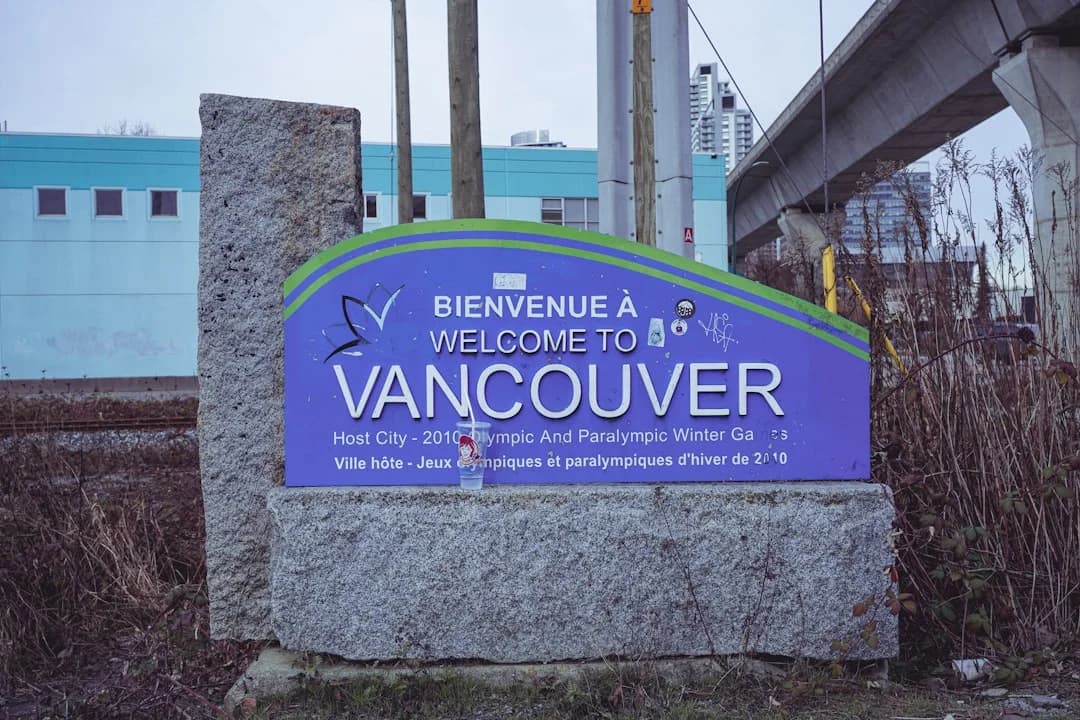
Photo by Chelaxy Designs on Unsplash
Vancouver stands at a pivotal crossroads as FIFA World Cup 2026 enters its North American phase. The city has been confirmed as a host venue, with BC Place set to welcome seven matches in the summer of 2026. This development places Vancouver at the center of a regional tourism surge that organizers and local officials expect will echo for years beyond the tournament’s final whistle. The World Cup schedule, marketing campaigns, and infrastructure investments are all aligned to maximize Vancouver’s exposure to billions of viewers worldwide, while delivering measurable benefits to the province’s hospitality sector and broader economy. This report examines the FIFA World Cup 2026 Vancouver tourism momentum, emphasizing data-driven insights, timelines, and potential implications for travelers, businesses, and policymakers. Early signals point to a substantial uplift in international interest and in-market activity that could reshape how Vancouver and British Columbia position themselves in the global tourism marketplace for the medium term.
National-level momentum for the 2026 World Cup—played across Canada, the United States, and Mexico—has intensified local marketing and partnership efforts in Vancouver and the wider British Columbia region. Destination Vancouver’s latest updates show Vancouver’s role in a 16-city lineup across three countries, underscoring the city’s strategic importance for fans traveling from around the globe. The World Cup’s broader footprint is expected to drive not only event-day attendance but also extended visits for fans seeking to combine soccer with the region’s outdoor recreation, cultural experiences, and world-class dining. National Geographic’s coverage of Vancouver’s 2026 visitation forecast highlights an anticipated arrival of about one million travelers to Vancouver during the tournament year, a figure that aligns with industry expectations around megasporting events in North America. (destinationvancouver.com)
The immediate implications for the local economy are framed by well-documented momentum in tourism marketing and in-market engagement. Destination BC’s campaigns—most notably the ongoing Beautiful Seats initiative—have demonstrated strong digital lift in international interest for Vancouver and British Columbia as a World Cup destination. In its December 2025 phase, the campaign reported substantial increases in destination-related searches, including a 56% to 200% rise in searches for “Vancouver World Cup” and “FIFA Vancouver,” signaling heightened consumer intent and planning activity as the tournament approached. These data points provide a foundational indicator of how the World Cup is reshaping search-driven demand for Vancouver experiences, accommodations, and travel packages. (destinationbc.ca)
The expansion of in-market activity has also translated into more direct business development efforts. Destination BC and Destination Vancouver together highlighted a robust push into Mexico and other key markets, aimed at sustaining demand across the pre-tournament, tournament, and post-tournament windows. A February 2026 Destination BC update described market momentum in Mexico, including in-market events and media opportunities, showcasing BC’s appeal to international travelers and travel trade alike as the Vancouver-host World Cup narrative gains traction. The company’s Mexico-focused outreach underscores the broader strategy of geographic dispersion and long-window consumption that many Canadian destinations aim to deploy around mega-events. (destinationbc.ca)
Opening: The News in Focus
-
The FIFA World Cup 2026 is set to unfold across Canada, the United States, and Mexico, with Vancouver designated as a host city. Vancouver’s BC Place Stadium will host seven matches in June and July 2026, including Canada’s Group Stage fixtures and knockout-round games. The Vancouver schedule is part of a 104-match tournament that will draw fans from around the world to multiple destinations across North America. The specific Vancouver match lineup includes group-stage dates in mid-June, with Canada’s games scheduled on June 18 and June 24, among others, and a broader seven-match slate that positions BC Place as a critical hub in the western region. The tournament’s opening match will occur on June 11, 2026, in Mexico City, with Canada’s campaign kicking off in Toronto on June 12; Vancouver’s involvement follows shortly thereafter as part of the broader Canadian footprint. (destinationvancouver.com)
-
The momentum around FIFA World Cup 2026 Vancouver tourism momentum is being amplified by provincial and municipal policy frameworks designed to manage the event’s costs and to maximize economic spillovers. A 2023 government release outlined a Major Events MRDT financing approach that the City of Vancouver adopted to help cover the costs of hosting the tournament, with a dedicated 2.5% MRDT increment over seven years aimed at funding planning, staging, and security. This mechanism, while fiscal in nature, signals a broader commitment to leveraging megasporting events to boost tourism and related industries over an extended horizon. Destination Vancouver and Destination BC view this as a foundation for a resilient visitor economy that can sustain benefits long after the final whistle. (archive.news.gov.bc.ca)
Section 1 — What Happened
Host city designation and match allocation
Vancouver’s seven-match slate at BC Place
- Vancouver has been designated a host city for FIFA World Cup 2026, with BC Place Stadium in downtown Vancouver slated to host seven matches across the tournament. This includes multiple Canadian fixtures and knockout-stage games, contributing to British Columbia’s status as a top-tier destination for international fans. Destination Vancouver’s official World Cup 2026 page confirms that Vancouver will host seven matches, with a detailed schedule released in December 2025. The opening Vancouver match window runs through mid-July 2026, with BC Place serving as the hub for the western region’s World Cup activity. The Vancouver schedule page lists dates such as June 13 (Group Stage), June 18 (Canada Group Stage), June 24 (Canada Group Stage), June 26 (Group Stage), July 2 (Round of 32), and July 7 (Round of 16), illustrating a tightly packed Western leg of the tournament. (destinationvancouver.com)
The broader North American footprint
- The World Cup 2026 is the first edition to feature 48 teams and to be hosted by three nations, with Vancouver one of 16 North American host cities. The joint Canada-Mexico-United States bid was selected to host, placing Vancouver among a diverse set of venues across the three countries. This multi-city approach aims to maximize bilateral air connectivity, expand fan zones, and distribute tourism demand across a broader geographic area, reducing pressure on any single city while delivering a more expansive fanscape. The official FIFA context places Vancouver in a multi-city calendar that will be watched by billions of viewers worldwide. (fifa.com)
Infrastructure and venue upgrades
- PanamericanWorld and other industry coverage highlight significant capital investments in Vancouver’s stadium and related infrastructure aimed at meeting FIFA standards and delivering a world-class experience for players, teams, and fans. The BC Place upgrade narrative includes a new natural grass pitch, upgraded locker rooms, and enhanced hospitality spaces designed to capture premium sponsorships and extend the venue’s legacy beyond 2026. The emphasis on hospitality upgrades and fan experiences is part of a broader strategy to attract future mega-events and create enduring value for the city’s tourism economy. (panamericanworld.com)
Marketing momentum and early in-market work
- Campaigns such as Destination BC’s Beautiful Seats and IMM 2025 promotions have been central to raising awareness of British Columbia as a World Cup host destination. The Beautiful Seats campaign, which has documented a surge in destination-related searches, provides a measurable signal of growing international interest and intent to travel to Vancouver for World Cup matches or related experiences. IMM 2025 activities generated high-level exposure to FIFA World Cup 26™ messaging among travel media and industry partners, emphasizing Vancouver’s role as a host destination and a catalyst for regional tourism growth. These activities illustrate how public-sector marketing and private-sector collaboration are shaping early demand signals. (destinationbc.ca)
Timeline and key facts
- June 11, 2026: World Cup 2026 opens in Mexico City; Canada’s first match is June 12 in Toronto; Vancouver’s seven-match slate begins in June and continues through early July 2026. Vancouver hosts two Canada fixtures and a mix of group-stage and knockout matches at BC Place, building a window of opportunity for provincial tourism marketing and hospitality readiness. The Vancouver match schedule appears to be front-loaded in mid-June and early July, with a broader inclusive window of events around the stadium. (destinationvancouver.com)
- December 2025: Vancouver’s World Cup 26 organizing bodies publicly confirm Vancouver’s seven-match slate and the broader cross-border event framework. This is complemented by local marketing campaigns and in-market activations that began to ramp up in late 2025 and into 2026. (destinationvancouver.com)
Section 2 — Why It Matters
Tourism demand and capacity planning
The scale of demand and how Vancouver fits

-
National Geographic estimates that Vancouver could see around one million travelers in 2026 as part of the World Cup influx. This projection is significant for Vancouver’s tourism ecosystem, including hotels, transit, and entertainment sectors, and it aligns with national industry expectations for megasporting events in North America. The World Cup’s presence in Vancouver also intersects with the region’s natural appeal and cultural vibrancy, amplifying the city’s global visibility as a destination. (nationalgeographic.com)
-
In addition to event-day audiences, BC’s broader tourism ecosystem anticipates longer-term momentum from World Cup exposure. Destination BC and partners have highlighted the potential for elevated searches and interest across markets, and industry observers note that sustained post-event visitation could follow the novelty of hosting a globally watched sports festival. A key reference point is BC’s projection of five-year momentum that could yield a meaningful lift in visitation and economic activity beyond 2026. (destinationbc.ca)
Economic impact and employment spillovers
- The Vancouver hosting plan is accompanied by an economic blueprint that frames World Cup-related activity as a driver of local jobs, wages, and broader consumer spending. PanamericanWorld’s analysis cites a broader economic impact framework for British Columbia, including estimates of GDP uplift, job creation, and tax revenue linked to the World Cup ecosystem. The article suggests a broader halo effect that could extend to hospitality, aviation, food and beverage, and retail sectors—areas that often realize meaningful uplift during mega-events. This framing helps readers understand why the momentum around FIFA World Cup 2026 Vancouver tourism momentum matters beyond the stadium gates. (panamericanworld.com)
Brand positioning and regional competitiveness
- Destination Vancouver’s coverage emphasizes how hosting a World Cup aligns with the city’s global branding as a premier travel destination. The heavy media attention and international fan engagement associated with Vancouver’s World Cup matches are expected to strengthen the city’s competitive standing for future megasporting events, conferences, and cultural exhibitions. The combination of top-tier stadiums, accessible air service, and a diverse regional portfolio positions Vancouver to leverage the World Cup as a catalyst for a longer-run tourism strategy. (destinationvancouver.com)
Broader context and balanced perspectives
Potential positives and cautions
- Industry observers acknowledge that while the World Cup 2026 Vancouver tourism momentum offers substantial upside, there are caveats and uncertainties. For instance, studies cited in PanamericanWorld discuss the need to ensure capacity aligns with demand, particularly in hospitality and accommodations. A Deloitte-sourced perspective on the Vancouver hospitality ecosystem highlights potential room-night shortfalls and the importance of housing policy flexibility to accommodate visiting fans. Policymakers and industry groups thus face a dual mandate: maximize the tourism upside while mitigating price shocks and supply bottlenecks. (panamericanworld.com)
The role of infrastructure and public policy
- Infrastructure upgrades surrounding the World Cup—ranging from transit improvements to fan festival venues—are framed as long-term enhancements that will benefit residents and visitors long after the tournament. The Broadway Subway project and related urban upgrades are cited in industry analyses as critical enablers of fan experience and mobility, with expected openings aligned to tournament timelines. Public policy instruments, including MRDT-based funding, anchor the financing of these upgrades and signal a clear pathway for sustaining visitor economy gains. (panamericanworld.com)
Section 3 — What’s Next
Timeline, next steps, and watch points
Short-term milestones (2025–2026)

-
IMM 2025: Destination BC’s presence at IMM 2025 in Sydney and London signaled an early, high-profile push to shape international perception of Vancouver as a World Cup host city. The events connected BC with travel media and tour operators, enabling early conversations about in-market readiness, package development, and cross-market promotions. This work laid essential groundwork for the 2026 tourism momentum and the province’s broader marketing strategy. (destinationbc.ca)
-
2026 Mexico City and Canada kickoffs: The World Cup schedule will move through its calendar with the opening match in Mexico City and Canada’s group-stage campaign commencing in Toronto before Vancouver contributes its seven-match slate. Vancouver’s specific match dates—June 13, June 18, June 21, June 24, June 26, July 2, and July 7—create a concentrated window for fan engagement in the city and the region, with tailwinds for local tourism aligned to these dates. The Destination Vancouver page provides a granular schedule and explains how fans will route through the city’s transit corridors around match days. (destinationvancouver.com)
Medium-term considerations (post-2026)
- Post-event momentum: Destination BC highlights the potential for incremental visitors in the five years following the World Cup, a period during which BC could convert World Cup exposure into sustained tourism demand. National and provincial partners emphasize long-tail benefits, including increased brand awareness, repeat visitation, and the attraction of future mega-events. National Geographic’s coverage of Vancouver’s World Cup year reinforces the expectation that the city will be a focal point for global travel interest during and after the tournament. (nationalgeographic.com)
What travelers and local businesses should watch for
-
Travel planning signals: The Beautiful Seats phase, combined with heavy in-market outreach, points to rising international search activity for Vancouver World Cup experiences. For travelers, this translates into more flight options, package deals, and fan-oriented events that extend beyond stadium attendance to encompass Vancouver’s cultural districts, outdoor activities, and hospitality offerings. Local businesses should monitor occupancy trends, pricing dynamics, and availability of guided tours and experiences tied to World Cup dates. Destination BC’s forward-facing data and in-market promotions provide a framework to anticipate demand patterns and adjust inventory, staffing, and marketing messages accordingly. (destinationbc.ca)
-
Hospitality and housing implications: With the World Cup generating tens of thousands of visitors, hotels, short-term rentals, and related services face the challenge of balancing demand with supply. The MRDT framework and related funding mechanisms are designed to help municipalities cover event-related costs while ensuring the visitor economy remains resilient. Businesses should consider flexible pricing, partnerships with local accommodations, and cross-promotion with experiences aligned to the World Cup calendar. Industry analyses indicate that effective coordination between city facilities, transit operators, and tourism partners will be essential to delivering a seamless fan experience. (archive.news.gov.bc.ca)
-
Brand management and long-term effects: Vancouver’s national and international profile will benefit from the World Cup’s broadcast reach. The city’s image as a welcoming, cosmopolitan, nature-forward destination will be reinforced through global media exposure, fan encounters, and the cross-pollination of sports, culture, and business. Destination Vancouver, Destination BC, and other partners stress that the World Cup should serve as a strategic investment in Vancouver’s long-run competitiveness for tourism, conventions, and international events. (destinationvancouver.com)
Closing The FIFA World Cup 2026 Vancouver tourism momentum is more than a one-month spike in interest; it is a catalyst for long-term positioning in a competitive global market. Vancouver’s seven-match slate at BC Place, backed by coordinated provincial campaigns and targeted market outreach, signals a deliberate strategy to convert megasporting-event attention into sustained visitation, higher hotel occupancy, and broader economic benefits for the region. While the upside is substantial—potentially up to a million visitors during the year of the tournament and significant post-event momentum—the landscape requires disciplined execution, capacity planning, and ongoing collaboration among government, industry, and community partners. As Vancouver and British Columbia step onto the world stage, readers and travelers alike should watch for how the city translates global visibility into tangible experiences, year-round tourism growth, and a resilient visitor economy that continues to thrive long after the final whistle.
Travelers can expect continued updates from Destination BC and Destination Vancouver as schedules firm up, marketing programs scale, and new partnerships emerge to sustain the World Cup’s momentum in the Pacific Northwest. For the latest information about Vancouver’s World Cup 26 experiences, follow official channels and check in with local tourism partners to access curated itineraries, ticket information, and travel packages designed to help visitors maximize their World Cup experience while exploring British Columbia’s iconic landscapes and vibrant communities.