Haida Gwaii Undersea Fibre Connectivity: BC Cable Boost

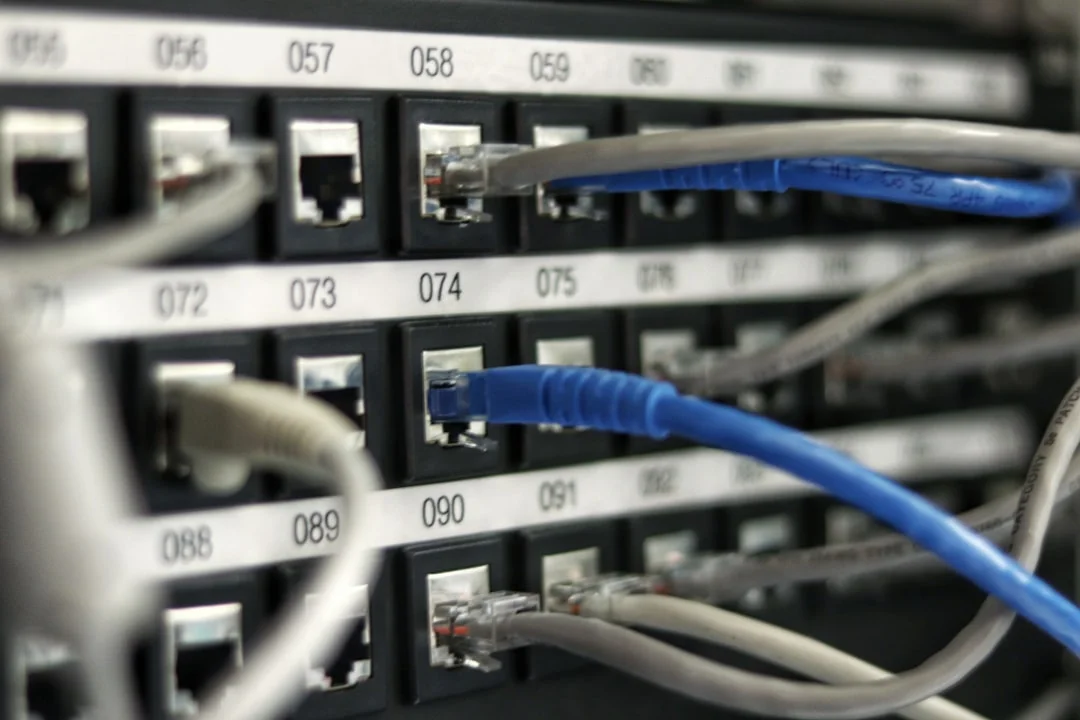
Photo by Jordan Harrison on Unsplash
The BC government’s announcement on March 13, 2026 marks a pivotal moment for Haida Gwaii undersea fibre connectivity. The plan envisions a new subsea fibre-optic cable linking Haida Gwaii to the mainland’s northern coast, a move designed to boost resilience, capacity, and reliability for hospitals, schools, government services, and local businesses. The project, funded through the Northern Development Initiative Trust (NDIT) with up to $24 million, represents a concrete step in BC’s broader push to harden internet infrastructure in rural and remote regions. Construction is slated to begin in spring 2026, reflecting a tight timeline for a complex offshore deployment that must contend with Haida Gwaii’s geographic realities and weather patterns. This development is a core element of the province’s Connecting British Columbia program and Look West strategy, aimed at expanding high‑speed internet to underserved communities across the coast. The Haida Nation’s 50% ownership of the GwaiiTel backbone and the involvement of local partners are underscored as a model for community-led infrastructure that can adapt to local needs while connecting to provincial networks. (archive.news.gov.bc.ca)
This latest investment builds on years of prior connectivity work in Haida Gwaii and along BC’s coast. GwaiiTel, the Norhern Development Initiative Trust program manager for this initiative, has operated the islands’ backbone fibre network for decades, delivering services that support telehealth, emergency response, education, and government operations. The new subsea link is described as a dedicated, high‑capacity connection intended to improve service stability and to expand capacity for an array of critical online activities. Provincial officials emphasize that the project is designed to improve long-term digital resiliency in a region where geography and weather have historically posed infrastructure challenges. The press release and accompanying background materials highlight that the route will connect Haida Gwaii with the mainland’s northern coast, creating a more robust backbone for the region’s digital ecosystem. (archive.news.gov.bc.ca)
The commitment to Haida Gwaii undersea fibre connectivity is also framed within broader national and provincial efforts to expand high‑speed internet access to rural communities. The government notes that since 2006, GwaiiTel has provided a reliable fibre connection among Haida Gwaii communities, and the new link aims to extend that reliability to the mainland, reinforcing continuity of services across health care, tourism, and education sectors. The background materials include messages from Haida Nation leaders who stress the importance of maintaining 100% local ownership of critical infrastructure and of ensuring that new capacity is managed with community input. As one Haida Nation spokesperson put it, the added connection will help secure stable, high‑speed internet for residents, businesses, and public services well into the future. (archive.news.gov.bc.ca)
Section 1: What Happened
Announcement and Funding Details
British Columbia announced on March 13, 2026, a plan to invest up to $24 million through the Northern Development Initiative Trust to support a GwaiiTel subsea fibre‑optic project. The project will deliver a dedicated, high‑capacity connection between Haida Gwaii and the mainland’s northern coast, with the goal of strengthening network resiliency for the region’s digital infrastructure. The funding is positioned as a strategic transport‑network investment under BC’s Connecting British Columbia program, part of the Look West economic strategy designed to expand digital infrastructure, create jobs, and bolster regional economic security. The release attributes the funding to a collaborative effort among the Province, NDIT, the Council of the Haida Nation, and local telecom operator GwaiiTel. It also notes that this project aligns with broader federal‑provincial initiatives to connect remaining under‑served households and communities. Construction is scheduled to begin in spring 2026, reflecting a compressed but coordinated timetable to begin deploying the subsea link while coordinating with local partners. (archive.news.gov.bc.ca)
In the official background materials, provincial ministers stress the importance of reliable connectivity for essential services and the economy. The release quotes Diana Gibson, BC’s Minister of Citizens’ Services, on the essential role that faster, more dependable internet plays in health care, public safety, government services, education, and tourism. The investment is framed as a means to support community needs now and into the future, while recognizing Haida Gwaii’s distinctive geographic and climatic challenges. The plan also references the Connecting British Columbia program, which supports backbone transport networks that enable expanded high‑speed internet to rural and remote areas. (archive.news.gov.bc.ca)
Project Scope and Route
The project’s primary objective is to provide Haida Gwaii with a dedicated, high‑capacity fibre link to the mainland’s northern coast, thereby improving service stability and capacity across the islands’ digital network. The cable is described as a critical addition to the region’s infrastructure, designed to reduce the risk of service disruptions and to enable more robust delivery of telehealth, education, emergency services, and government operations. The official materials emphasize that the fibre route will strengthen essential online services that residents rely on daily, including remote health care delivery and telehealth, emergency response, and government services. The plan notes that Haida Gwaii often experiences weather and geographical conditions that complicate infrastructure deployment, making a resilient, capacity‑rich submarine connection especially valuable. The Haida Nation’s leadership stresses the strategic importance of local ownership and governance, with GwaiiTel serving as the local operator and steward of the expanded backbone. (archive.news.gov.bc.ca)
The background narrative also situates this new link within a continuum of coastal connectivity efforts. The Haida Gwaii News reporting on March 26, 2026 highlights that the new subsea fibre‑optic connection will sit alongside the previously established Connected Coast network, which has linked Haida Gwaii to BC’s fibre backbone and expanded service to multiple coastal communities. While not duplicating the Connected Coast initiative, the new Haida Gwaii link is described as building additional redundancy, capacity, and resilience for the islands, reinforcing the notion that multiple strands of infrastructure can help ensure continuity of service during adverse conditions. The reporting also notes that construction is planned for spring 2026, consistent with the BC government release. (haidagwaiinews.com)
Ownership, Partners and Governance
A notable governance and ownership feature of the project is Haida Nation’s 50% stake in GwaiiTel, the entity responsible for Haida Gwaii’s fibre backbone. The government materials underscore the aim of ensuring that critical infrastructure serving Haida Gwaii remains locally controlled and community‑led, with the Haida Nation and local government partners jointly owning GwaiiTel. The background materials emphasize that the new subsea link will become an extension of a fibre backbone that is 100% owned by the people of Haida Gwaii, reinforcing a model of local stewardship for strategic connectivity assets. The press materials also point to a broader policy aim: to empower Indigenous communities to shape and benefit from digital infrastructure that underpins health, education, governance, and economic activity. Quotations from Haida Nation leadership underline the importance of locally rooted ownership and the role of GwaiiTel in delivering reliable services to island residents and businesses. (archive.news.gov.bc.ca)
Timeline and Milestones
The March 13, 2026 release clearly states that construction will begin in spring 2026. This timing places the project on a near‑term schedule to deploy the subsea cable and integrate it into Haida Gwaii’s existing fibre ecosystem, with expectations that the new link will enter service in the mid‑to‑late 2026 window, subject to regulatory approvals, permitting, and weather considerations. The timeline is echoed in subsequent local reporting, which confirms the spring 2026 start and frames the work within BC’s broader rural connectivity program. The precise commissioning date may depend on the sequencing of submarine cable laying, shore‑end facilities, and interconnection with GwaiiTel’s existing network. (archive.news.gov.bc.ca)
Section 2: Why It Matters
Connectivity Resilience and Service Quality

Photo by Naja Bertolt Jensen on Unsplash
At the core of Haida Gwaii undersea fibre connectivity is resilience. The new subsea cable will provide a dedicated, high‑capacity connection between Haida Gwaii and the mainland, which provincial officials say will strengthen the region’s digital backbone and enhance service stability for essential services. The project is explicitly tied to improvements in telehealth delivery, remote health care, emergency response, and public safety functions—areas where interruptions in connectivity can have immediate, tangible consequences. The BC release cites telehealth, emergency services, government operations, education, and tourism as beneficiary sectors, underscoring the multi‑faceted value of a reliable fibre link in a remote region. Independent coverage from Haida Gwaii News likewise highlights the role such a link can play in stabilizing everyday services and enabling greater continuity of operations during weather events that can disrupt terrestrial networks. (archive.news.gov.bc.ca)
"Reliable connectivity is essential to the economic and social prosperity of communities across Haida Gwaii," the government notes, a statement that reflects the broader policy goal of ensuring high‑quality digital services for residents and businesses alike. The project is framed as a tangible step toward delivering dependable internet access and enabling a more connected island community. (archive.news.gov.bc.ca)
Economic and Social Impacts
Beyond immediate service reliability, the Haida Gwaii subsea link is positioned as a catalyst for broader economic and social outcomes. The BC government’s Look West framework emphasizes infrastructure investments that stimulate job creation, regional development, and stronger economic security. By reinforcing the Haida Gwaii backbone, the initiative supports a range of sectors—health care, education, tourism, and government services—that rely on robust connectivity to operate efficiently and to deliver value to residents. Haida Nation leaders have highlighted that strengthening the fibre backbone will enhance opportunities for learning, entrepreneurship, and community services, while maintaining a strong emphasis on local control and benefits. The new link is described as an enabler for expanding digital services and for enabling remote learning, virtual health programs, and more resilient public‑sector operations. (archive.news.gov.bc.ca)
Haida Gwaii’s unique geographic context—islands separated from the mainland by water and exposed to weather systems—has historically amplified the importance of redundancy in connectivity. By adding a second, independently operated subsea link, the region gains a critical layer of protection against single‑point failures or weather‑related outages. Local reporting notes that Haida Gwaii’s fibre strategy has long emphasized community ownership and long‑term maintenance commitments, echoing the province’s emphasis on durable, locally governed infrastructure. In practice, this means that decisions about upgrades, maintenance schedules, and service standards are more likely to reflect community priorities and needs. (haidagwaiinews.com)
Indigenous Leadership and Local Ownership
A recurring theme in the coverage and the official materials is Indigenous leadership and governance in the project’s design and execution. Haida Nation leadership frames the investment as a way to ensure that critical infrastructure remains under Indigenous control and aligned with community priorities. The project’s governance structure—with GwaiiTel as the operator and Haida Nation holding a 50% stake—illustrates a model of shared stewardship that other coastal communities may look to when planning large‑scale connectivity projects. The background materials present a vision in which Haida Gwaii’s digital future is anchored in local authority, with the province and federal partners providing support, funding, and regulatory alignment rather than dictating strategy from distant capitals. This approach has implications for how infrastructure projects are conceived in other Indigenous regions, offering a real‑world example of how ownership and governance can influence project outcomes, from deployment timelines to long‑term service quality. (archive.news.gov.bc.ca)
Context within BC’s Broader Connectivity Strategy
The Haida Gwaii subsea link is not an isolated endeavor; it sits within a broader portfolio of connectivity initiatives across coastal British Columbia. The Connected Coast program, which aims to extend fibre connectivity to coastal communities, is frequently cited as part of the region’s digital backbone. While the Haida Gwaii link targets a specific, high‑capacity connection to the mainland, the wider strategy envisions a more resilient, interoperable network across coastal BC. Provincial materials and industry reporting point to a concerted effort to connect remaining under‑served households and to support critical public services through backbones and last‑mile solutions. The combination of a dedicated Haida Gwaii link and ongoing connected coast activities reflects a multi‑layered approach to rural digital infrastructure that seeks to balance capacity, reliability, local governance, and broader economic development. (archive.news.gov.bc.ca)
Section 3: What’s Next
Construction Timeline and Next Steps
With the spring 2026 start date set by the government release, the next several months will focus on mobilizing the subsea installation, coordinating with vessel operators, and securing shore‑end facilities on Haida Gwaii and on the coastal mainland segments. The project timeline will involve pre‑lay surveys, permitting, environmental considerations, and supplier engagements for cables, conduit systems, and network termination points. Given Haida Gwaii’s island geography and weather patterns, stakeholders anticipate a careful schedule that accounts for seasonal winds and marine conditions that can influence deployment windows. The initial stages will likely emphasize marine route clearance, subsea route surveys, and alignment with the Haida Nation’s governance processes and community consultation requirements. The collaboration among GwaiiTel, the Haida Nation, local governments, and NDIT will be critical to maintaining the project’s momentum and ensuring that milestones are met on schedule. (archive.news.gov.bc.ca)
Watch Points for Haida Gwaii and BC’s Digital Strategy
Several practical and strategic watch points emerge as the project advances. First, regulatory and permitting processes—both provincial and federal—will shape the pace of installation, especially given environmental stewardship considerations around BC’s coastal waters. Second, the coordination between the subsea cable and shore‑end facilities will determine how quickly the link can be commissioned and integrated with Haida Gwaii’s existing network. Third, the long‑term operation and maintenance framework will be essential to sustaining service quality, particularly in remote communities where specialized expertise and logistics can be challenging. Finally, the extent to which the new link enables expansions in local services—telemedicine programs, online education initiatives, and emergency communications—will influence the perceived value of the investment and its return to Haida Gwaii residents. (archive.news.gov.bc.ca)
Broader Market and Technology Implications
From a market perspective, the Haida Gwaii undersea fibre connectivity project underscores the growing role of Indigenous‑led telecom partnerships in delivering national broadband goals. The collaboration model—shared ownership, local governance, and joint fundraising through provincial and federal programs—offers a blueprint for similar initiatives in other remote regions. The project’s emphasis on resilience and capacity aligns with global trends toward diversifying backbone networks to reduce single points of failure and to support increasing data traffic from health, education, tourism, and government operations. The presence of a 50% Haida Nation stake in GwaiiTel may also influence how future fleet deployment and asset management decisions are approached, potentially shaping maintenance contracts, risk management, and community benefit agreements. As BC’s connectivity agenda continues to unfold, observers will look for metrics on reliability improvements, service levels, and the economic impact of the enhanced digital infrastructure on Haida Gwaii’s businesses and public services. (archive.news.gov.bc.ca)
Closing
The March 2026 plan to advance Haida Gwaii undersea fibre connectivity signals a decisive step in BC’s coastal infrastructure strategy. By linking Haida Gwaii more securely to the mainland, the project aims to deliver tangible benefits in health care, education, public safety, and local commerce, while preserving local ownership and governance through GwaiiTel and Haida Nation leadership. As construction begins in spring 2026, the coming months will test the feasibility of deploying a high‑capacity subsea cable in challenging marine conditions and under a governance framework designed to maximize community benefits. For residents, businesses, and public service providers on Haida Gwaii, the new link promises more reliable connections and greater digital resilience—an outcome that aligns with BC’s broader commitment to universal, high‑quality connectivity across the province. Readers can expect further updates as milestones unfold and as the province, GwaiiTel, and Haida Nation advance the work toward a robust, regionally centered fibre backbone. (archive.news.gov.bc.ca)

Photo by Naja Bertolt Jensen on Unsplash