Health Professions and Occupations Act BC 2026 Goes Live

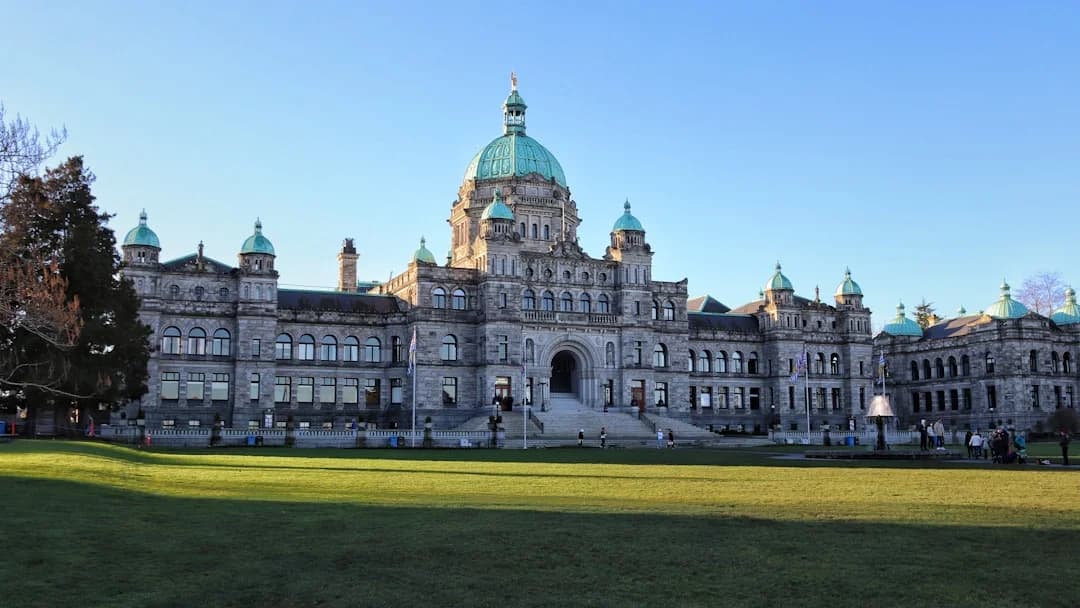
Photo by Mario Mendez on Unsplash
British Columbia’s health regulators moved to a new regulatory regime on April 1, 2026, as the Health Professions and Occupations Act BC 2026 (HPOA) officially took effect. The transition marks a watershed moment for how regulators oversee health professionals and occupations, with a strengthened emphasis on transparency, accountability, and cultural safety. The government and regulatory Colleges say the change will bolster patient safety while modernizing governance across the province’s health-professions landscape. The key questions for clinicians, regulators, and patients alike now center on what changes are immediate, what remains in pilot or phased review, and how the new oversight and discipline framework will operate in practice. The Health Professions and Occupations Act BC 2026 replaces the former Health Professions Act (HPA) and sets the stage for a sweeping update to regulation, boards, and public registries. (www2.gov.bc.ca)
As part of the implementation, BC’s government-backed communications emphasize that the act prioritizes public safety and governance clarity, with a new independent oversight structure designed to monitor regulatory colleges, appoint boards by merit, and publish disciplinary actions on public registries. The regulatory overhaul is supported by the Health Professions and Occupations Regulatory Oversight Office (HPOROO), which began operations in alignment with the April 1, 2026 start date and is tasked with merit-based board appointments and independent discipline oversight. In addition to governance enhancements, the act introduces a shared scope of practice and restricted activities framework intended to balance patient safety with inter-professional collaboration. These elements, together, are expected to reduce ambiguity around who can perform certain high-risk activities and how disciplinary decisions are made and communicated. (news.gov.bc.ca)
Opening
The Health Professions and Occupations Act BC 2026 represents a formal, province-wide reset of how regulated health professions are governed in British Columbia. Beginning April 1, 2026, regulators and colleges commenced operating under a new legal framework, with obligations that include establishing a public registry of disciplinary actions, maintaining anti-discrimination measures, and ensuring boards are selected on merit and competency. This shift not only alters compliance requirements for regulators but also reshapes the day-to-day interactions clinicians have with their licensing bodies, professional colleges, and the public. The implications for patients include stronger safeguards against misconduct and enhanced transparency about licensees’ disciplinary histories, all designed to improve confidence in the health system while keeping the focus on safe, high-quality care. The overarching objective is to align BC’s regulatory model with contemporary standards for accountability, cultural safety, and public participation in professional governance. For readers following health policy developments, the HPOA’s arrival signals a broad and continuing transition in how BC regulates health professionals and health-related occupations, with ongoing reviews planned to refine scopes of practice and governance over the coming months and years. (www2.gov.bc.ca)
What Happened
Timeline of the Transition
- April 1, 2026: The Health Professions and Occupations Act BC 2026 formally comes into force, replacing the Health Professions Act and initiating the province’s modern regulatory regime. The government’s information bulletin and official pages emphasize that the act will take effect on this date, with a staged approach to certain scope-of-practice changes and the establishment of the new Oversight Office. The initial rollout includes public registries, disciplinary processes, and the new governance framework for colleges. (news.gov.bc.ca)
- April 1, 2026 onward: A new Health Professions and Occupations Regulatory Oversight Office (HPOROO) begins operating to oversee six health-professional regulatory colleges, support merit-based board appointments, and oversee discipline through an independent tribunal process. This office acts as an independent, government-backed entity to ensure the public interest is central to college governance and disciplinary outcomes. (hporoo.ca)
- The same date marks the transition to a fully appointed board model for colleges, with boards formed on merit and competency. The CPSBC and other regulators have detailed plans for board changes, and the government has indicated a broader alignment of college bylaws and governance with the HPOA framework. (cpsbc.ca)
Key Facts and Provisions
- Overarching purpose and design: The HPOA broadens the toolkit regulators have to protect the public, focusing on accountability, transparency, and cultural safety. It also aligns BC’s regulation with the province’s reconciliation and Indigenous-specific safety commitments, incorporating anti-discrimination duties and supports for Indigenous people during discipline processes. The act explicitly creates the Oversight Office and an independent Discipline Tribunal, both intended to separate regulatory decision-making from routine government processes while preserving accountability to the public. (www2.gov.bc.ca)
- Public registries and discipline: The designation regulations, discipline processes, and public registries are central to the HPOA’s design. Regulators must publish disciplinary actions on public registries, and the discipline process includes an independent tribunal with a separation of intake, investigation, and adjudication to ensure fairness and public trust. The objective is to make outcomes accessible to patients and employers, reducing uncertainty about how concerns are addressed. (www2.gov.bc.ca)
- New governance architecture: The act contemplates a move to fully appointed college boards, with merit-based selection overseen by the HPOROO. The board appointments process emphasizes diversity and public representation, with the Oversight Office coordinating candidate assessments and recommending appointments to the Minister of Health. This approach aims to improve governance quality and public confidence in regulatory bodies. (cpsbc.ca)
- Scope of practice and restricted activities: BC’s designation regulations under the HPOA establish a shared model of scope of practice and restricted activities intended to promote inter-professional collaboration while protecting patients from risk. The approach includes both broad scope statements and narrowly defined restricted activities that authorize specialized procedures to qualified practitioners. The Ministry of Health has published interpretive guidance to help practitioners understand how restricted activities may be performed under the new framework. (www2.gov.bc.ca)
- Immediate and phased changes: Although many changes take effect immediately on April 1, 2026, BC’s government indicates that a broader review of current scopes of practice would occur in late spring 2026 to assess the potential for future expansions and adjustments. This staged approach gives regulators and colleges time to implement the new framework while continuing to monitor public safety and professional standards. (news.gov.bc.ca)
Why It Matters
Public Safety, Transparency, and Accountability
- Public registries and disciplinary processes: A key promise of the HPOA is to increase transparency around professional conduct. By publishing disciplinary actions and requiring colleges to operate with a clear, accessible record, regulators aim to empower patients and employers with better information about licensees. This transparency is paired with stronger anti-discrimination protections and culturally safe practices throughout the discipline process. The government highlights that these changes are designed to reduce harm and discrimination in health-care settings. (news.gov.bc.ca)
- Independent oversight and governance: The creation of HPOROO and the Discipline Tribunal introduces a level of independent oversight that separates regulatory actions from routine governmental processes. The Oversight Office’s mandate includes merit-based board recommendations, ensuring governance decisions are anchored in professional competence and public interest. This structural change is intended to enhance trust in the regulatory system and improve accountability for colleges serving millions of British Columbians. (hporoo.ca)
Impacts on Regulators, Clinicians, and Patients
- Regulators and colleges: For regulators and regulatory colleges, the HPOA represents a shift to a more formalized, merit-based governance model and a clearer chain of accountability. The new framework requires bylaw updates, alignment of bylaws with the HPOA, and adaptation to the new disciplinary and oversight processes. In particular, CPSBC and other colleges have detailed changes to bylaws to align with the new act, with the expectation that these alignments will further standardize governance practices province-wide. (cpsbc.ca)
- Clinicians and health professionals: Clinicians will experience changes to scope of practice, restricted activities, and professional designation rules that accompany the HPOA. Some changes take effect immediately on April 1, 2026, with ongoing reviews to determine broader scope expansions in the months ahead. The phased approach means clinicians can anticipate new training, documentation, and compliance requirements as bylaws, designation regulations, and related policies are updated. (news.gov.bc.ca)
- Patients and the public: For patients, the most tangible benefits are enhanced protections against discrimination, clearer information about disciplinary outcomes, and a governance framework designed to improve safety and trust in regulated health professions. The inclusive design, alignment with Indigenous rights principles, and emphasis on anti-discrimination measures are intended to address equity concerns within health care and better align regulation with community needs. (www2.gov.bc.ca)
Indigenous Reconciliation and Cultural Safety
- UNDRIP alignment and cultural safety: The HPOA reflects a deliberate effort to strengthen cultural safety and humility within health regulation and practice, aligning with BC’s obligations under UNDRIP and related provincial policy. The act requires regulatory colleges to provide Indigenous support in discipline processes and to adopt anti-discrimination provisions. These elements are central to BC’s broader reconciliation strategy and reflect a policy direction that seeks to reduce structural inequities in health care. (www2.gov.bc.ca)
- Mechanisms to support Indigenous peoples during discipline: The legislation envisions support for Indigenous individuals going through the discipline process, including the possible introduction of Indigenous support workers to facilitate participation and understanding during proceedings. This reflects a broader commitment to ensuring the regulatory system respects Indigenous rights and perspectives. (www2.gov.bc.ca)
What’s Next
Transition and Future Phases
- Transitional timeline and ongoing reviews: While April 1, 2026 marked the formal start of the HPOA, regulators acknowledge that some designations, scope elements, and bylaw updates would unfold over subsequent months. The province signaled a broader review in late spring 2026 to evaluate current scopes of practice and to consider potential expansions. Readers should expect additional regulatory guidance and possible refinement of designation regulations as stakeholders gain experience with the new framework. (news.gov.bc.ca)
- Designation regulations and college-by-college implementation: The HPOA’s designation regulations map the regulated professions and the corresponding limits, exclusive titles, and practice boundaries. This structure provides regulators and colleges with a clear mechanism to define what is allowed for each profession and who can perform which restricted activities. The official HPOA page lists the participating colleges and the designated professions, underscoring that the transition will be implemented through a coordinated schedule across multiple regulatory bodies. (www2.gov.bc.ca)
- Oversight and discipline: HPOROO’s ongoing work will continue to unfold as it oversees six regulatory colleges, supports board appointments, and administers the discipline tribunal framework. The Oversight Office’s role is to ensure colleges act in the public interest, with the discipline tribunal functioning as an independent adjudicatory body for serious misconduct cases. This triad—oversight, governance, and discipline—will shape the province’s regulatory culture in the years ahead. (hporoo.ca)
What Readers Should Watch For
- Early indicators of impact: In the weeks and months following April 1, 2026, readers should monitor regulatory college websites for bylaw updates and new designation regulations. These changes can signal how the new governance model is being operationalized at the practitioner level and whether scope changes are being enacted for specific professions. The CPSBC, BCCNM, and CHCPBC sites provide regular updates on bylaws and regulatory changes as part of the transition. (cpsbc.ca)
- Public registries and disciplinary action disclosures: The public registries will gradually reflect more comprehensive information about disciplinary actions and outcomes. Practitioners and patients should anticipate enhanced transparency, which may influence hiring, credentialing, and patient choice, particularly for professionals who have been subject to disciplinary actions in the past. BC Gov News provides detailed notes on how these updates are being implemented and what readers can expect to see in registries. (news.gov.bc.ca)
- Inter-professional collaboration and team-based care: The shared scope of practice model is designed to support collaborative care models across professions. As designation regulations become fully aligned with the HPOA, there may be broader opportunities for inter-professional practice, which could influence team-based care delivery in clinics, hospitals, and community settings. The official HPOA and scope resources discuss the rationale and intended benefits of this approach. (www2.gov.bc.ca)
Closing
The Health Professions and Occupations Act BC 2026 is now the governing framework for health regulation in British Columbia, and its immediate activation on April 1, 2026 marks the start of a longer journey toward modernized governance, improved public safety, and deeper cultural safety in health care. From the establishment of the independent Oversight Office to the introduction of a discipline tribunal and public registries, the act redefines how regulators, clinicians, and patients interact with a more transparent and accountable system. For readers seeking to understand what changes are most relevant to their roles, the best sources for ongoing guidance remain the provincial government’s official communications, regulator-specific updates, and HPOROO’s ongoing oversight activities. As BC continues the transition, expect phased changes to designation regulations and scope-of-practice rules, with a broader review of practice boundaries slated for late spring 2026 and beyond. Stay informed through government releases, college portals, and the HPOROO’s announcements to understand the precise implications for your profession and practice. (news.gov.bc.ca)
For ongoing updates, readers can consult BC Gov News, the College of Physicians and Surgeons of BC, and HPOROO, which together provide the latest timelines, designations, and governance changes as BC implements the Health Professions and Occupations Act BC 2026. (news.gov.bc.ca)