Indigenous housing funding BC 2026: Updates and trends

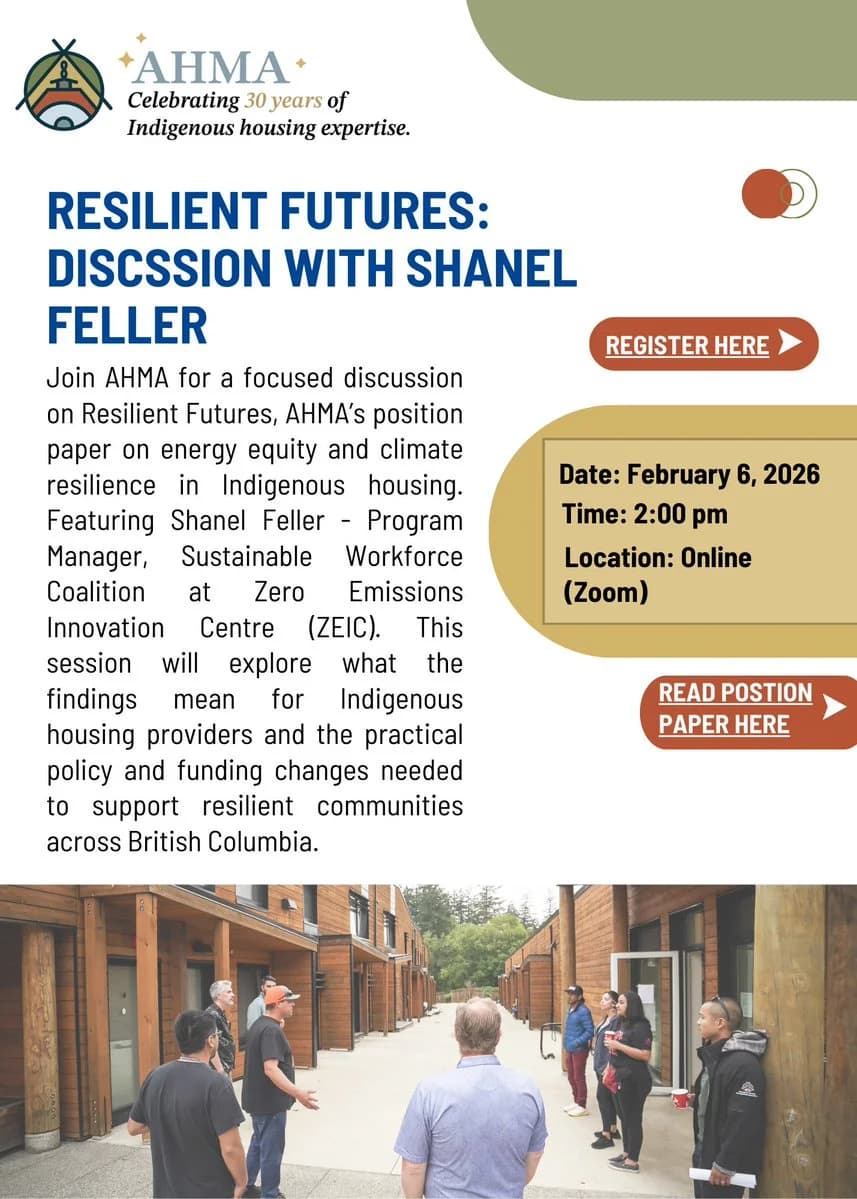
The BC housing landscape in 2026 is shaped by a continuing push to advance Indigenous-led solutions, preserve existing affordable housing, and expand new units across urban, rural, and remote communities. Indigenous housing funding BC 2026 is unfolding through a mix of federal investments, provincial programs, and Indigenous-led initiatives that together aim to reduce housing insecurity for First Nations, Métis, and Inuit communities in British Columbia. This year’s reporting focuses on the scale, timing, and practical implications of these funding streams, with a data-driven lens on who benefits, how quickly projects move from planning to groundbreakings, and where gaps still constrain progress. In short, the latest wave of Indigenous housing funding BC 2026 is about turning announced dollars into durable homes, safer communities, and resilient local economies. (canada.ca)
Opening with the news is not just about headlines; it’s about the real people who stand to gain from more stable, culturally aligned housing. In early 2026, Semiahmoo First Nation and the Government of Canada announced a targeted infrastructure investment intended to unlock housing opportunities in Semiahmoo Territory. On January 15, 2026, Indigenous Services Canada (ISC) and Semiahmoo First Nation confirmed a $6 million federal investment for infrastructure improvements that will support a planned 32-unit BC Housing development on the Semiahmoo Indian Reserve No. 1. This allocation is designed to extend water and wastewater services, facilitate site leveling and road construction, and ensure the project can move from concept to construction with reliable, safe utilities in place. The government described the investment as “community-driven results” that align with a broader strategy to support Indigenous housing by building the foundations for sustainable development. The news release includes quotes from federal and provincial partners emphasizing collaboration and long-term community benefits. (canada.ca)
Section 1: What Happened
Federal and Provincial Infrastructure Investments Accelerate Housing Outcomes
Since 2018, the Province of British Columbia, in partnership with Indigenous communities and the federal government, has pursued an ambitious Building BC agenda that explicitly includes Indigenous housing. The Indigenous Housing Fund (IHF) has been the centerpiece of that effort, with a $1.7-billion commitment intended to deliver more than 3,500 homes across urban, rural, and on-/off-Nation settings. As of September 2024, BC Housing reported that more than 3,220 new affordable homes were open or underway under IHF projects, underscoring a steady, large-scale build-out of Indigenous housing stock. BC Housing notes that the IHF program closed to proposals on May 15, 2024, after a robust round of selections in September 2024 that included roughly 41 new projects and about 1,600 rental homes moving forward. These figures situate the January 2026 Semiahmoo project within a broader, multi-year trajectory of provincial funding designed to expand Indigenous housing opportunities. (bchousing.org)
In parallel with the IHF, the federal government maintains a broad housing investment strategy for Indigenous communities through Indigenous Services Canada (ISC) and related mechanisms. The First Nations On-Reserve Housing Program, administered by ISC, has channeled substantial funding into on-reserve housing since 2016, supporting thousands of units through targeted investments across hundreds of communities. A recent ISC overview highlights that from April 2016 to June 30, 2025, ISC provided about $2.91 billion to support 6,658 housing projects in 611 First Nations communities. These numbers illuminate the scale of federal participation in Indigenous housing and help explain why 2026 developments are often built on years of prior federal-provincial collaboration. The program sits alongside BC-specific funding streams and CHIF-related initiatives that collectively drive progress toward Indigenous housing goals. (sac.gc.ca)
A notable example of federal-provincial collaboration advancing housing infrastructure is the Semiahmoo First Nation announcement in January 2026. The $6 million investment is explicitly aimed at enabling a 32-unit BC Housing project, with associated upgrades to municipal connections and site work. The ISC release positions infrastructure readiness as a critical prerequisite for housing construction, echoing similar approaches across the province where water, wastewater, and road improvements unlock housing development. This project is part of a larger continuum of infrastructure investments that BC and federal partners have used to accelerate Indigenous housing outcomes in British Columbia. (canada.ca)
Meanwhile, the rental market safety net for existing Indigenous and non-Indigenous renters has also received policy attention through the Rental Protection Fund (RPF). Established in 2023 with an initial $500 million provincial investment, the Fund provides capital contributions to non-profit housing organizations and co-ops to acquire at-risk, existing rental properties and preserve long-term affordability. In early February 2026, BC Gov News and AHMA communications highlighted continued progress under the RPF, noting that the program has advanced a series of acquisitions that protect thousands of rental units and keep rents affordable in communities across the province. As of February 2–3, 2026, the province reported milestones including “Protecting more than 2,000 homes” and, by February 3, 2026, the Fund had surpassed its initial acquisition goals in several jurisdictions. This Fund is widely cited as one of the most tangible, near-term mechanisms for preventing displacement and stabilizing housing costs in the years ahead. (news.gov.bc.ca)
In 2025, BC Gov News also highlighted Indigenous-led redevelopment projects advancing under the broader Building BC framework. For example, two redevelopments led by Indigenous housing societies—ʔAqantⱠanam Housing Society in Cranbrook and Fort Nelson Aboriginal Friendship Society in Fort Nelson—were moving toward groundbreakings in spring 2026, with demolitions scheduled for January 2026. The projects—together with other housing upgrades across the province—reflect a deliberate strategy to revitalize aging stock with modern, culturally informed design standards and community-determined priorities. Christine Boyle, BC’s Minister of Housing and Municipal Affairs, underscored the value of Indigenous-led housing initiatives, noting that such projects demonstrate the potential of partnerships to deliver homes that are both affordable and culturally resonant. The press release frames these redevelopments as part of a larger $19-billion housing investment by the BC government since 2017. (news.gov.bc.ca)
To round out the picture, BC’s Indigenous Housing Fund (IHF) program data provides essential context. The IHF, created in 2018, represents a major provincial commitment to Indigenous housing, with funding that supports projects across both on- and off-Nation settings. The IHF program closed to new proposals in May 2024, with BC Housing reporting that more than 3,220 homes had opened or were underway as of September 2024. While IHF is closed to new proposals, its outcomes continue to influence current and future Indigenous housing funding BC 2026 by shaping design standards, rent structures, and the mix of on- vs. off-Nation housing that the province deems eligible for future support under Building BC. (bchousing.org)
Boxed data points and programmatic milestones help anchor the broader narrative of Indigenous housing funding BC 2026. Key historical benchmarks include the initial $550 million Indigenous Housing Fund commitment announced in 2018 to deliver 1,750 units over 10 years, and the ongoing proportional investment across urban, rural, and remote settings. The province’s Indigenous housing strategy emphasizes partnerships with Indigenous non-profits and First Nations, and it explicitly invites collaboration with HousingHub and other Building BC programs to maximize impact. These background details frame why 2026 is a year of intensified activity and expanded partnerships in Indigenous housing. (www2.gov.bc.ca)
Section 2: Why It Matters
Housing Stability and Affordability for Indigenous Communities in BC
The immediate consequence of Indigenous housing funding BC 2026 is more secure homes for Indigenous households in communities large and small. The Rental Protection Fund’s acquisitions have directly protected thousands of units, helping to shield renters from steep rent increases and the destabilization that comes with redevelopment pressure. The Fund’s approach—providing one-time capital contributions to non-profit providers to acquire and preserve at-risk stock—addresses a core housing market failure: the erosion of affordable options as the for-profit market expands. By maintaining long-term affordability, the Fund aids families, seniors, and individuals who operate near the middle-income threshold and would otherwise be priced out of stable housing. The fund’s impact is concretely measured in units protected and people housed, with public updates indicating advancement beyond initial targets. This has implications for community health, school stability, and local economic resilience, particularly in smaller towns and rural areas where housing options are scarcer. (archive.news.gov.bc.ca)

On the infrastructure side, investments like the Semiahmoo First Nation project show how upstream capital—water, wastewater, roads, and utilities—acts as a lever to unlock housing development. Infrastructure readiness reduces the risk and duration of permitting and construction, allowing on-reserve and urban Indigenous housing projects to move from planning to occupancy more quickly. Federal infrastructure investments, in concert with provincial and territorial partners, can shorten timelines for communities that have historically faced higher costs or more complex regulatory hurdles. The January 15, 2026 ISC release makes clear that these are not mere line items but foundational supports for housing that can be safely inhabited and maintained long term. In BC, such investments reinforce a broader equity agenda by ensuring Indigenous households have a direct route to identifying “homes that reflect culture and community priorities,” as described by housing policy leaders. (canada.ca)
The broader policy context matters for the sustainability of housing outcomes. The First Nations On-Reserve Housing Program and similar federal initiatives, together with provincial funds, contribute to a multi-layered funding ecosystem designed to deliver homes in diverse geographies. This year’s activity in 2026 sits within a longer arc stretching back to 2018 when the province launched the Indigenous Housing Fund and, more recently, the Canada–British Columbia housing and infrastructure accords that feed into CHIF (Canada Housing Infrastructure Fund) programs. The horizontal initiative for 2025–2026 includes substantial funding—$848.5 million planned for 2025–2026 under the 5-year window—intended to support Indigenous housing in addition to ongoing provincial programs. The scale of this funding underscores the degree to which Indigenous housing funding BC 2026 is more than a policy concept; it is a live, multi-year financial program with defined milestones and accountability mechanisms. (sac-isc.gc.ca)
Who Benefits and How
Indigenous housing funding BC 2026 touches a broad spectrum of beneficiaries. First Nations, Métis, and Inuit communities receive four primary forms of support: on-Reserve housing initiatives (IHF-aligned projects), urban/rural housing projects coordinated through NICHI and AHMA networks, and targeted infrastructure for new developments on or off reserve. In practical terms, beneficiaries include residents in redeveloped or newly built units, households moved from crowded or unsafe conditions, and older adults who gain safer, accessible housing options as part of multi-unit redevelopment. The Indigenous-led redevelopments announced in late 2025 and expected to begin groundbreakings in 2026 illustrate how these investments translate into tangible housing stock with culturally informed design. BC Gov News notes that the Cranbrook and Fort Nelson redevelopments will create 45 affordable homes through projects led by ʔAqantⱠanam Housing Society and the Fort Nelson Aboriginal Friendship Society, with construction starting in spring 2026 and demolitions beginning in January 2026. The alignment of funding streams with Indigenous governance structures helps ensure that housing decisions reflect community priorities and cultural values. (news.gov.bc.ca)
From an economic perspective, the funding ecosystem supports capacity-building within Indigenous housing providers. The Rental Protection Fund, for instance, not only preserves housing but also strengthens the ability of non-profit providers to acquire and manage properties at scale. This has a compound effect: it expands the sector’s capital capacity, supports job creation in construction and property management, and encourages long-term planning by housing operators who can rely on stable stock and predictable occupancy. Observers note that this approach—combining capital, governance, and on-the-ground expertise—offers a pragmatic path toward reducing Indigenous housing need while maintaining affordability for broader BC communities. The RPF’s growth is often framed as a proof point for cross-sector collaboration among non-profits, housing providers, and public funders. (globenewswire.com)
The Context of Reconciliation and Urban Native Housing
Housing is increasingly framed as a matter of reconciliation and social justice in Canada, with Indigenous housing funding BC 2026 at the center of policy debates. AHMA’s advocacy work and thought leadership highlight the principle that “Housing is reconciliation” and emphasize the need for sustained investment in Indigenous housing that is both culturally safe and economically viable. The January 29, 2026 op-ed in The Hill Times, featured on AHMA’s site, stresses the importance of prioritizing Indigenous housing within broader housing and reconciliation strategies. This contextual lens matters for readers who want to understand not only the numbers but the reasons why housing for Indigenous communities remains a policy priority. The BC government has echoed this viewpoint in its own statements about Indigenous-led projects and the benefits of empowering Indigenous housing organizations to lead development efforts with provincial and federal support. (ahma-bc.org)

Section 3: What’s Next
Timeline, Next Steps, and What to Watch For
The year 2026 is expected to feature a continuation of large-scale housing initiatives, with several notable milestones on the horizon. The Cranbrook and Fort Nelson redevelopments, announced in late 2025, are slated to break ground in spring 2026, with demolitions beginning in January 2026, marking an important transitional moment from planning to construction. Observers will watch how quickly the projects progress through permitting, design finalization, and contractor mobilization, given the potential for supply chain constraints or permitting delays that have affected housing projects in other parts of Canada. Christine Boyle, BC’s Minister of Housing and Municipal Affairs, emphasizes Indigenous-led development as a core strategy, suggesting that the success of these redevelopments will influence future rounds of funding and project allocations under Building BC and CHIF-related streams. (news.gov.bc.ca)
In parallel, ongoing activity around the Rental Protection Fund will continue to shape the province’s housing affordability landscape. Data updates and property acquisitions will provide near-term indicators of the Fund’s effectiveness in stabilizing rents and keeping affordable stock in the market. By early 2026, the Fund had already surpassed some early targets, and public updates suggest continued momentum throughout the year. The Fund’s model—capital contributions to acquire existing, occupied rental buildings and preserve affordability—will be scrutinized for scalability and sustainability, particularly as demand for affordable housing remains strong in both urban centers like Vancouver and smaller communities across the Interior and North. (archive.news.gov.bc.ca)
Beyond these projects, the ISC and NICHI pipelines will continue to channel federal investments into Indigenous housing in BC. NICHI’s 2024 funding announcements for British Columbia and the ongoing 2025–2026 horizontal initiative funding totals illustrate a multi-year stream designed to address urban, rural, and northern Indigenous housing needs. As 2026 unfolds, readers should expect more project announcements, new partnerships with First Nations and Indigenous organizations, and more precise spend-and-build milestones that align with provincial capacity and program timelines. The Canada–BC framework for housing infrastructure continues to be refined, with the Canada Housing Infrastructure Fund (CHIF) providing additional flexibilities for Indigenous communities to pursue housing and infrastructure improvements. The 2025–2026 CHIF framework outlines intake timelines and eligible activities, including Indigenous community infrastructure that supports safe, affordable housing. This confirms that Indigenous housing funding BC 2026 will remain a moving target with multiple lanes of funding operating concurrently. (canada.ca)
What to watch for in the second half of 2026 includes:
-
Groundbreakings and completions for key redevelopments and new builds led by Indigenous housing providers, with performance updates from BC Housing and AHMA. The Cranbrook and Fort Nelson redevelopments are strong signals that Indigenous leadership will drive project design, timelines, and tenant engagement throughout construction and into occupancy. (news.gov.bc.ca)
-
Updated data on housing stock protected or created through the Rental Protection Fund, including geographic distribution of properties and the demographic breakdown of beneficiaries. The Fund’s impact metrics will inform ongoing debates about capital allocation, risk management, and the role of non-profit housing providers in sustaining affordable housing across the province. (archive.news.gov.bc.ca)
-
Policy refinements and funding round opportunities under the Building BC umbrella, including ongoing opportunities to apply through the Community Housing Fund (CHF) and related programs. BC Housing continues to publish guidance on how Indigenous organizations can participate, including eligibility criteria for First Nations, non-profit societies, and housing co-operatives. This is especially relevant for communities seeking to leverage federal CHIF funds in Canada’s broader housing infrastructure strategy. (bchousing.org)
WhatsNext: What Readers Should Know
-
Funding volumes remain substantial, with the province’s Indigenous housing strategy continuing to deploy hundreds of millions of dollars across multiple programs. The 2025 horizontal initiative for Indigenous housing, with planned expenditures of hundreds of millions in 2025–2026, demonstrates the scale and tempo of BC’s approach to this issue. This ongoing level of investment is essential to achieving longer-term outcomes—reducing core housing need, increasing the supply of affordable units, and ensuring Indigenous-led governance in housing development. Readers should track official updates from BC Housing, Indigenous Services Canada, and AHMA for project-specific numbers and timelines. (sac-isc.gc.ca)
-
The integration of Indigenous housing funding BC 2026 with federal housing infrastructure programs points to a coordinated, cross-jurisdiction approach. The CHIF framework and federal–provincial accords mean that communities may see blended funding streams in future years, enabling larger projects and more rapid construction cycles in some regions. As a result, municipal, provincial, and Indigenous partners will need to maintain strong project governance, transparent reporting, and continuous community engagement to maximize positive outcomes. (canada.ca)
Closing
In summary, Indigenous housing funding BC 2026 reflects a coordinated, multi-year strategy to increase affordable housing supply, preserve existing stock, and build infrastructure that underpins durable housing outcomes for Indigenous communities across British Columbia. The opening of new projects, coupled with protective measures like the Rental Protection Fund, underscores a policy environment that prioritizes both immediacy and long-term resilience. While challenges remain—timelines can shift, supply chain disruptions can arise, and demand remains high—the data and current announcements suggest a robust pipeline of housing that is both culturally attuned and financially viable. For readers seeking the latest developments, official releases from Indigenous Services Canada, BC Housing, the Province of British Columbia, and Indigenous housing networks provide ongoing updates and projections. This coverage will continue to illuminate how Indigenous housing funding BC 2026 translates into real homes, community renewal, and progress toward reconciliation.
Readers can stay updated by following monthly briefings from BC Housing, AHMA, and Indigenous Services Canada, and by watching for new project announcements tied to the Building BC framework and NICHI-led initiatives. The coming months will reveal more about how these combined streams of Indigenous housing funding BC 2026 perform in practice, and whether additional measures will be introduced to accelerate groundbreakings, shorten permitting timelines, and expand long-term affordability across the province.