Indigenous-led Coastal Ecotourism and Fisheries Governance

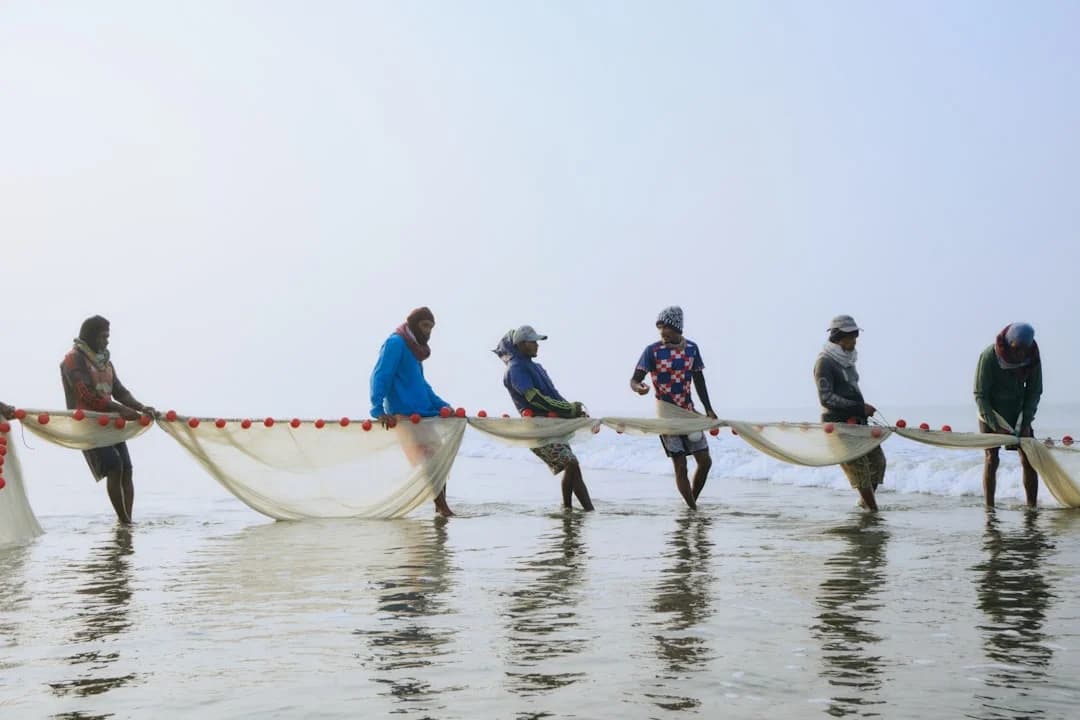
Photo by Kabiur Rahman Riyad on Unsplash
British Columbia’s coastal regions entered 2026 at a pivotal moment for Indigenous-led coastal ecotourism and fisheries governance, with a suite of announcements that blend rights-based governance, market growth, and technology-enabled stewardship. On February 20, 2026, Musqueam Indian Band and the Government of Canada signed three landmark agreements that formalize Musqueam rights and stewardship in fisheries and marine emergency management, signaling a new era of collaborative governance along Vancouver’s coast and in nearby waters. The announcements come amid a broader push by First Nations in the province to shape economic development around sustainable fisheries, Indigenous-led ecotourism experiences, and co-management frameworks that blend traditional governance practices with modern enforcement and monitoring. These developments are not isolated events; they fit into a growing pattern of Indigenous leadership influencing coastal policy and markets across British Columbia. (canada.ca)
In a related signal of 2026 momentum, Prime Minister Mark Carney and Indigenous leadership from the Coastal First Nations–Great Bear Initiative met in Prince Rupert on January 13, 2026 to discuss the Oceans Protection Plan and a five-year funding pathway for Indigenous-led ocean governance and conservation. The federal government pledged to renew funding for the 2026-27 period and to present a detailed five-year pathway by spring, reinforcing a long-term commitment to co-management and Indigenous stewardship as core components of Canada’s ocean strategy. The meeting underscored a shared view that true ocean protection requires sustained investment in governance, science-based decision-making, and the inclusion of Indigenous knowledge systems in marine planning. (pm.gc.ca)
Market signals followed quickly. On April 15, 2026, the Walcan Quinsam River Pink Salmon fishery in British Columbia became the first First Nations-led fishery in the province to achieve certification to the Marine Stewardship Council (MSC) standard. The MSC certification marks a meaningful milestone in Indigenous governance of coastal resources, providing a globally recognized label that can help connect BC’s coastal communities to premium markets while underscoring sustainable fisheries practices. The certification highlights Indigenous leadership in aligning ecological stewardship with market access, a trend that is increasingly visible in BC’s coastal economy. (msc.org)
Opening with a look at the core developments and their immediate significance helps readers understand why Indigenous-led coastal ecotourism and fisheries governance matters now. The muscled alignment of rights, stewardship, and market recognition is accelerating a broader transformation across BC’s coast—one that blends traditional governance with contemporary stewardship frameworks, driving economic opportunity while safeguarding ecological integrity.
Opening
In 2026, British Columbia’s coastal communities witnessed a synchronized set of developments that highlight Indigenous-led coastal ecotourism and fisheries governance as both driver and beneficiary of market and policy change. The Musqueam agreements delivered through federal-provincial collaboration provide formal pathways for rights recognition and sustainable management in fisheries and marine operations, establishing governance channels that Indigenous communities can steer. The same period saw Indigenous-led ecotourism partnerships broaden, with collaborations that connect visitors to authentic coastal experiences while ensuring that Indigenous voices shape marketing, product design, and community benefits. Adding to the momentum, Haida Gwaii and other Indigenous nations advanced co-management discussions that could redefine how marine resources are governed, protected, and financed through shared decision-making and long-term planning. And in the market arena, MSC certification of a First Nations-led fishery demonstrates that Indigenous governance can translate into verifiable sustainability credentials that appeal to global buyers and consumers. This confluence of policy, industry, and market signals is reshaping the trajectory of Indigenous-led coastal ecotourism and fisheries governance across the Pacific Northwest. (canada.ca)
Section 1 — What Happened
Musqueam agreements recognize rights, stewardship, and fisheries
On February 20, 2026, the Musqueam Indian Band and the Government of Canada signed three landmark instruments intended to recognize Musqueam rights and strengthen stewardship and fisheries governance. The agreements cover rights-based fisheries arrangements, a community stewardship framework, and a marine emergency management collaboration designed to improve resilience across Musqueam waters and adjacent coastal areas. The press materials emphasize that these agreements are part of a broader reconciliation framework and reflect long-standing Musqueam governance practices, now put into formal, bilateral instruments with federal support. The announcements also acknowledge that Musqueam’s governance practices have historically guided intercommunity relationships and will continue to inform how fisheries are managed in the region. The government and Musqueam described the arrangements as a meaningful step forward in reconciliation and in recognizing Indigenous contributions to regional economies and ecological health. > “Today’s announcement marks a meaningful step forward in reconciliation with Indigenous Peoples and in recognizing their historic contributions to the economic development of the region and of Canada.” (canada.ca)
The significance of these agreements extends beyond symbolism. They establish formal channels for Musqueam voices to influence fisheries management, enforcement, and resource allocation, including joint decision-making on stock monitoring, habitat protection, and community benefits. In practice, this translates to governance mechanisms that can guide ecotourism planning, seafood supply chains, and coastal development in ways that reflect Musqueam priorities around renewal of cultural and ecological capital. Canadian government sources framed the agreements as part of a broader suite of milestones—building on earlier steps such as the Musqueam Self-Government Agreement initialed in 2025 and related revenue-sharing arrangements—that collectively signal a shift toward more robust Indigenous governance in Canada’s western coastal regions. The Musqueam announcements align with a broader pattern of rights-based fisheries governance and Indigenous-led ocean stewardship across British Columbia, with implications for both conservation outcomes and coastal economies. (canada.ca)
Indigenous-led ecotourism and conservation partnerships expand
A concurrent development in 2026 underscored that Indigenous-led coastal ecotourism governance is increasingly integrated with private-sector collaboration and destination marketing, amplifying Indigenous voices in coastal experiences. Indigenous Tourism BC (ITBC) announced collaborative marketing partnerships with Fairmont Vancouver Airport and Fairmont Waterfront on March 10, 2026. These partnerships aim to position Indigenous coastal experiences more prominently within Canada’s tourism ecosystem, linking Indigenous-owned and -led experiences to global hospitality networks while preserving cultural integrity and governance oversight by Indigenous communities. The partnerships illustrate how Indigenous-led ecotourism governance can be reinforced through strategic alliances with major hospitality brands, enabling authentic storytelling and revenue sharing that respects Indigenous governance structures. The move also reflects a broader policy environment in British Columbia that seeks to grow Indigenous tourism as a core component of the Look West strategy, supporting sustainable development and Indigenous economic sovereignty through responsible marketing, capacity building, and community-led product development. (indigenousbc.com)
Industry observers highlight that such collaborations are not merely marketing exercises; they are governance-enabled pathways that empower Indigenous communities to set terms, protect cultural capital, and ensure that tourism development aligns with ecological and social safeguards. The Canadian and provincial governments have repeatedly signaled that Indigenous-led tourism is a strategic asset, capable of delivering both economic benefits and cultural preservation when underpinned by governance agreements, community ownership, and transparent benefit-sharing arrangements. Tourism sector policymakers and Indigenous leaders point to these collaborations as a template for scaling Indigenous ecotourism governance without compromising ecological integrity or community control. (www2.gov.bc.ca)
Haida Gwaii management plan engagement and co-governance progress
In Haida Gwaii, the evolving co-governance framework for aquatic resources is moving toward formalization. The G̱ayG̱ahlda Kwah hlhládaa Changing Tide Framework for Reconciliation includes representatives from the Council of the Haida Nation (CHN), Fisheries and Oceans Canada (DFO), and Gwaii Haanas Parks Canada. Engagement sessions for the Yaaguun Gandlee (red sea cucumber) management plan were scheduled with a final revision to be presented to the Aquatic Management Council for approval in March 2026. This process exemplifies a tangible shift toward Indigenous-led governance models that co-manage marine resources, incorporate traditional knowledge, and integrate contemporary science and monitoring. The Haida Nation’s fisheries pages and related governance documents indicate a steady progression of policy and plan development within a formal co-management setting, with a clear timetable for final adoption in 2026. (haidanation.ca)
Together, these Haida Gwaii developments reflect a broader trend in which Indigenous nations are steering resource governance through formal councils, joint management agreements, and collaborative decision-making processes. Observers note that the framework aligns with a tripartite conservation approach that seeks to balance ecological integrity with Indigenous rights and sustainable economic activity. While the precise governance outcomes will unfold over the coming months, Haida plan developments signal a model that could influence other coastal nations—both within British Columbia and beyond—seeking durable, rights-based approaches to marine resource management. (www2.gov.bc.ca)
Section 2 — Why It Matters
Economic impact and market relevance for coastal Indigenous communities
Economic analyses conducted in recent years underscore the material benefits of Indigenous-led conservation and governance. A 2025 Coast Funds study titled Building a Conservation Economy highlighted how First Nations in the Great Bear Rainforest and Haida Gwaii leveraged a $60-million economic development fund to generate substantial and measurable benefits. The study, released November 20, 2025, reported that investments across 235 projects yielded $808 million in province GDP and $1.77 billion in gross output, with about 373 full-time jobs supported on average per year over 17 years when adjusted to 2024 dollars. The impact illustrates how Indigenous-led conservation and ecotourism initiatives can drive economic diversification, job creation, and local revenue streams while preserving ecological capital. The report also notes significant household income gains and ongoing capacity-building in communities that steward coastal ecosystems. These figures are not just numbers; they reflect a governance model in which Indigenous leadership translates into tangible prosperity, resilience, and self-determination for coastal nations. (coastfunds.ca)
Beyond regional case studies, the broader national data on Indigenous tourism and its contribution to the economy reinforce the link between governance, market growth, and community well-being. Government and industry reports released in 2024–2026 indicate that Indigenous tourism can generate substantial annual revenue, support thousands of jobs, and empower Indigenous communities to shape visitor experiences that respect culture and ecological stewardship. For example, Look West: Tourism Sector Action Plan and related publications emphasize the role of Indigenous tourism as a growth engine with a defined path to scale through investment in infrastructure, capacity building, and partnerships with industry players. While the figures vary by province and community, the overall message is clear: governance that centers Indigenous leadership and ecological stewardship yields meaningful economic outcomes that extend beyond tourism receipts to broader community well-being. (www2.gov.bc.ca)
The coastal ecotourism and fisheries governance model is increasingly being linked to market recognition and certification programs that add credibility and value to Indigenous-led products. The MSC certification of the Walcan Quinsam River Pink Salmon fishery is a concrete example of how Indigenous governance can translate into third-party sustainability credentials that support premium pricing, market access, and consumer trust. The MSC program has become a widely recognized standard, and the BC-based Walcan Quinsam River fishery’s certification demonstrates both ecological stewardship and governance legitimacy at the product level. This development complements broader government commitments to sustainable seafood and Indigenous-led economic development across coastal communities. (msc.org)
Policy alignment and governance innovations
The 2026 policy environment around Indigenous governance of coastal resources integrates fisheries management with broader coastal protection and conservative land-use planning. A tripartite Framework for Nature Conservation, updated in 2026, emphasizes collaboration among federal, provincial, and Indigenous authorities to implement shared conservation objectives while respecting Indigenous rights and knowledge systems. The framework is designed to support innovation, job creation, and targeted investments that address ecological needs and community prosperity. In parallel, provincial efforts to identify Indigenous-led conservation opportunities in northwestern BC—through planning partnerships with Nations like Tahltan, Taku River Tlingit, Kaska Dena, Gitanyow, and Nisga’a—aim to clarify land-water governance boundaries and provide greater certainty for investors and communities alike. The policy environment thus increasingly recognizes Indigenous governance as a legitimate, integral component of Canada’s conservation economy. (www2.gov.bc.ca)
In this context, Indigenous-led coastal ecotourism and fisheries governance is not merely a cultural or ethical objective; it is a robust political and economic strategy that can attract investment, support local entrepreneurship, and help coastal communities manage complex environmental and market dynamics. Early 2026 developments show that the pathway to durable governance rests on three pillars: formal rights-based arrangements and co-management mechanisms; market-driven incentives such as certification and branding for Indigenous experiences; and strategic investments in infrastructure, training, and partnerships that improve resilience and quality of life for coastal communities. (canada.ca)
What technology and data bring to governance and markets
Technology and data-enabled stewardship are becoming central to Indigenous-led coastal ecotourism and fisheries governance. One notable example is the collaboration between Seair Seaplanes and Veritree to support kelp-restoration initiatives along British Columbia’s coastline. The program emphasizes community-led planting and ongoing monitoring of kelp sites, linking restoration gains to coastal resilience and potential ecotourism experiences anchored in healthy marine ecosystems. Projects like kelp restoration demonstrate how Indigenous communities can integrate cutting-edge restoration platforms with local governance to monitor outcomes, verify progress, and transparently share results with visitors and investors. These technological tools help align ecological goals with tourism and fisheries governance objectives, ensuring that real-time data informs decision-making and community benefits. (skiesmag.com)
In addition, the MSC’s ongoing certification work and other independent assessments provide public, auditable data on stock status, management effectiveness, and ecosystem health. The Walcan Quinsam River certification process, for instance, involved a formal assessment and final determination in March 2026, illustrating how third-party verification supports trust in Indigenous-led supply chains and ecotourism products. As markets increasingly rely on evidence-based sustainability credentials, Indigenous governance models that couple rights-based decision-making with transparent monitoring and certification can gain a durable competitive advantage. (fisheries.msc.org)
Section 3 — What’s Next
Timeline and near-term steps for governance and markets
Looking ahead, several near-term milestones are likely to shape the trajectory of Indigenous-led coastal ecotourism and fisheries governance in British Columbia. Haida Gwaii’s aquatic-management processes are moving toward formal approval of the Yaaguun Gandlee management plan by March 2026, with final adoption expected soon after. If approved, this plan would set a precedent for co-management of high-value resources and could be extended to other resource categories in the region, reinforcing a governance model that integrates traditional Haida practices with federal and provincial oversight. The Haida Nation’s documented directions and engagement process provide a concrete blueprint for other nations seeking to formalize co-governance across fisheries and mariculture. (haidanation.ca)
On the economic and tourism side, BC’s Look West: Tourism Sector Action Plan, released in March 2026, positions Indigenous experiences as a cornerstone of growth, with explicit references to authentic Indigenous experiences driving economic impact and creating jobs. The plan anticipates continued investments in Indigenous tourism infrastructure, capacity-building, and destination development coordinated through Indigenous Tourism BC and regional partners. The result should be a more resilient tourism sector that balances growth with community governance and ecological safeguards. The Look West plan framework is designed to support sustainable growth through partnerships with Indigenous operators, marketing campaigns that reflect Indigenous leadership, and the scaling of Indigenous-owned ecotourism experiences across coastal BC. (news.gov.bc.ca)
In the fisheries space, federal and provincial commitments to funding Indigenous-driven conservation and governance are likely to continue expanding. The January 2026 CFN–Prime Minister meeting highlighted renewed Oceans Protection Plan funding and a five-year pathway for governance initiatives, signaling sustained federal support for Indigenous-led enforcement, monitoring, and community-led conservation projects. As more nations sign similar agreements and more communities formalize co-management structures, BC’s coastal economies could see expanded opportunities in sustainable seafood, ecotourism offerings, and habitat restoration projects funded through federal programs and private-sector partnerships. (pm.gc.ca)
What to watch for in the months ahead
-
Implementation of Musqueam governance agreements: The practical rollout—including stock monitoring protocols, species-specific management plans, and joint decision-making timelines—will be a key area to observe. Expect quarterly reporting on progress, stakeholder engagement, and adjustments to shared management practices as community governance structures take on more operational responsibilities. (canada.ca)
-
Haida Gwaii plan adoption: If the Yaaguun Gandlee management plan is approved in March 2026, it could serve as a replicable model for other Indigenous nations seeking to codify co-governance arrangements for other marine resources. Watch for formal constitutional updates, management councils, and cross-jurisdictional coordination that integrates Haida governance with federal and provincial authorities. (haidanation.ca)
-
Certification-driven market growth: The MSC certification for the Walcan Quinsam River Pink Salmon fishery demonstrates how governance advances can unlock premium markets. In 2026–2027, suppliers and buyers alike will be watching for expansion of MSC-certified fisheries and the expansion of Indigenous-led supply chain transparency. Expect more BC fisheries to pursue MSC or other sustainability certifications as governance models mature and investor confidence grows. (msc.org)
-
Indigenous-tourism market evolution: With Look West and ITBC-driven initiatives, Indigenous-led coastal ecotourism is likely to see more partnerships with major brands and more authentic, locally controlled experiences. The sponsorships and collaborative marketing efforts around Indigenous experiences are likely to increase, while communities maintain governance control over guest experiences, cultural interpretation, and benefit-sharing. The macro trend is a more robust, sustainable Indigenous tourism sector that contributes to local employment, entrepreneurship, and regional resilience. (www2.gov.bc.ca)
-
Technology-enabled stewardship: Projects like kelp-restoration partnerships with Veritree and Seair Seaplanes demonstrate how digital monitoring and restoration platforms can support community-led conservation. In 2026 and beyond, expect more Indigenous communities to adopt and adapt digital stewardship tools that help track restoration outcomes, verify ecological health, and demonstrate impact to visitors, partners, and funders. This fusion of technology and governance will likely accelerate, shaping both ecological results and tourism offerings. (skiesmag.com)
Closing
As British Columbia’s coastal nations expand their governance reach over marine resources and coastal economies, Indigenous-led coastal ecotourism and fisheries governance stands at the intersection of rights realization, market opportunity, and ecological resilience. The 2026 milestones—ranging from Musqueam rights-based fisheries agreements to Haida Gwaii co-management progress, from Indigenous tourism partnerships to MSC-certified fisheries—signal a durable shift in how coastal resources are governed and valued. These developments are not isolated moments; they are part of a longer arc in which Indigenous leadership shapes policy, markets, and technology-enabled stewardship to create sustainable, prosperous coastal futures for communities along BC’s rugged and culturally rich shores. To stay updated on these evolving governance arrangements and market trends, follow official government releases, Indigenous nation communications, and reputable industry analyses that document progress in Indigenous-led coastal ecotourism and fisheries governance. The coming months will reveal how these governance innovations translate into measurable ecological outcomes, stronger coastal economies, and more authentic Indigenous visitor experiences that reflect the region’s enduring cultural and ecological heritage. (canada.ca)