Indigenous-led Salmon Restoration Partnerships Transform BC

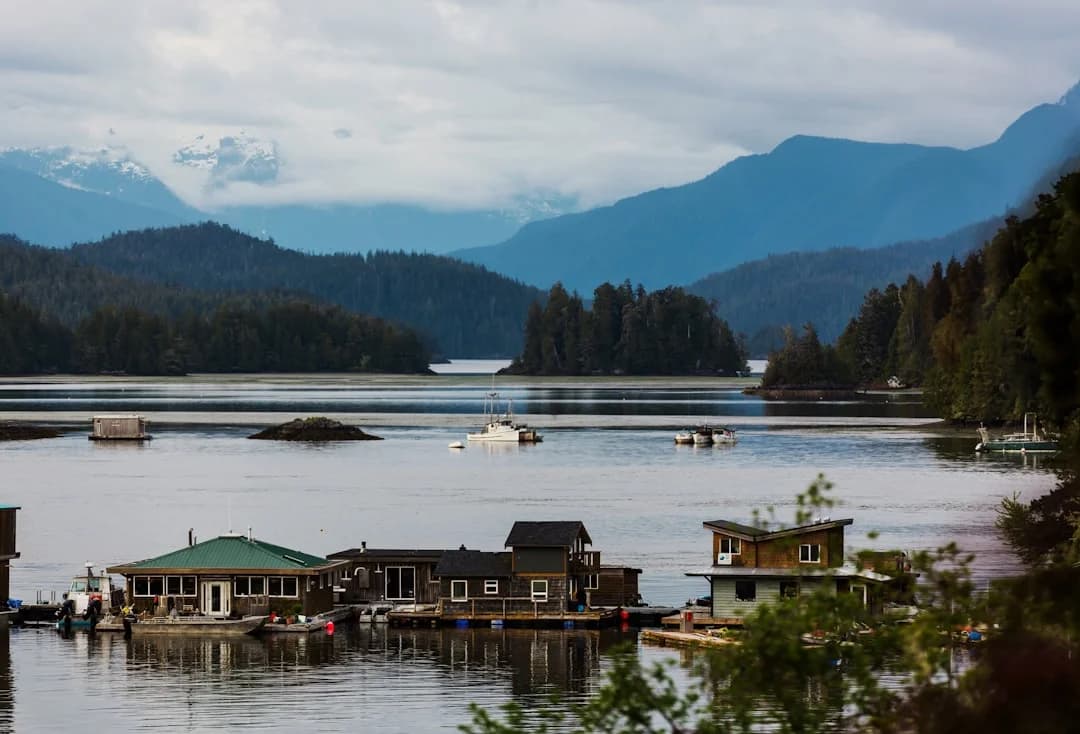
Photo by Caroline Ross on Unsplash
Indigenous-led salmon restoration partnerships are already reshaping how coastal British Columbia manages and recovers wild salmon stocks. A broad, multi-year federal-provincial-indigenous effort announced in early 2026 marks a turning point in collaborative stewardship, blending Indigenous knowledge with advancing science and new technologies. The news arrives as Canada confirms a major infusion of funding aimed at continuing and expanding Pacific salmon recovery work across British Columbia and Yukon, reinforcing the role of Indigenous leadership in shaping the region’s shared fisheries future. On April 7, 2026, the Government of Canada announced an additional $412.9 million to carry forward actions under the Pacific Salmon Strategy Initiative (PSSI) for another five years, signaling a sustained, partnership-driven approach to restoration and protection. This development comes on the heels of a years-long acceleration in habitat restoration, hatchery modernization, and Indigenous-led conservation programs that have linked federal funds, provincial priorities, and First Nations in a common recovery agenda. The central takeaway for BC readers is clear: Indigenous-led salmon restoration partnerships are now a defining framework for planning, funding, and evaluating restoration activities across coastlines that rely on salmon both ecologically and culturally. (canada.ca)
In practical terms, the new funding complements ongoing initiatives under the Pacific Salmon Strategy Initiative, which has already mobilized a broad network of collaborators—more than 40 First Nations and Indigenous fisheries organizations, 60 Indigenous harvest transformation projects, and hundreds of partner organizations—to push habitat restoration, selective harvesting improvements, and habitat protection across British Columbia and Yukon. The program’s first phase (2021–2026) laid a foundation that federal officials say will guide long-term recovery, with a trilateral accord aligning conservation, protection, and recovery activities among Canada, British Columbia, and BC First Nations. In the most recent reporting, the initiative highlighted concrete outcomes: hundreds of habitat projects, expansion of hatchery modernization, and new adaptive management approaches to fisheries that increasingly reflect Indigenous leadership. The overall arc signals an era in which Indigenous-led restoration partnerships are central to how BC’s coastal ecosystems are stewarded and monitored, with a measurable impact on communities dependent on salmon. (canada.ca)
Section 1: What Happened
Announcement Details and Scope
- The Pacific Salmon Strategy Initiative (PSSI) was launched in 2021 with the objective of protecting, conserving, and restoring wild Pacific salmon in British Columbia and Yukon. On April 7, 2026, the Government of Canada announced an additional $412.9 million to continue actions under PSSI for another five years, signaling a renewed commitment to Indigenous-led collaboration in salmon recovery. This expansion explicitly recognizes Indigenous leadership as a core pillar of the strategy’s ongoing implementation. (canada.ca)
- The first phase of PSSI (2021–2026) emphasized deepening partnerships with Indigenous Peoples, along with other stakeholders, to align conservation, protection, and recovery activities for wild Pacific salmon. The program’s emphasis on collaborative governance has included a trilateral accord among Canada, British Columbia, and BC First Nations to coordinate actions across governance boundaries. The aim is to translate science and Indigenous knowledge into concrete conservation and habitat restoration results across the region. (canada.ca)
Timeline and Key Milestones
- Phase 2 of BCSRIF (the British Columbia portion of the Salmon Restoration and Innovation Fund) has progressed through 2023–2026, with 73 active projects delivering outcomes that blend Indigenous knowledge with Western science and new technologies. This phase supports restoration, habitat protection, and research that underpins wild salmon recovery, and it is positioned to continue through the renewed funding period. The program’s results indicate a strong emphasis on Indigenous participation, capacity-building, and collaborative monitoring. (dfo-mpo.gc.ca)
- In 2024, summer drought-related restoration work continued across 75 areas with 60+ partners, advancing urgent restoration efforts to help wild salmon reach critical spawning habitats. The collaboration extended to more than 40 First Nations and Indigenous fisheries organizations, underscoring how Indigenous leadership drives the prioritization and execution of restoration work in specific watersheds and habitats. (canada.ca)
- The year 2024–2025 saw ongoing investments in hatchery modernization, with 70+ conservation hatcheries upgraded or rebuilt and 100+ partner-run hatcheries supported to sustain community-based stewardship. Improved hatchery science and production processes were part of a broader strategic shift toward integrating Indigenous-led stewardship with mechanistic improvements in propagation and release planning. (canada.ca)
Notable Projects and Partnerships
- Redd Fish Restoration Society is a prominent example of Indigenous-led restoration in practice. In April 2026, Redd Fish announced a collaboration with Hesquiaht, Ahousaht, and Tla-o-qui-aht First Nations in Clayoquot Sound to restore salmon habitats and watersheds prioritized by these nations. This project is funded through the Watershed Security Fund (WSF), a collaborative program that includes the First Nations Fisheries Council (FNFC), the Real Estate Foundation of BC (REFBC), and the First Nations Water Caucus. The Redd Fish project allocates $400,000 to examine root causes of salmon decline and accelerate habitat recovery, including landslide stabilization and targeted watershed interventions. The WSF represents a broader strategy to channel funding to Indigenous-led watershed and habitat restoration efforts across the province. The emphasis on direct collaboration among Nations reflects a wider shift toward co-management and co-design of restoration activities. (hashilthsa.com)
- The Watershed Security Fund’s co-funding approach has supported 26 community-based projects across British Columbia, distributing $6 million to beneficiaries that include habitat restoration, flood management, and watershed health improvements. The program integrates philanthropic and government resources to empower First Nations and other Indigenous groups to implement place-based restoration actions with measurable community and ecological benefits. The funding mechanism is described as providing a foundation for ongoing Indigenous-led stewardship and collaboration across watersheds that matter most for salmon health. (hashilthsa.com)
- Across British Columbia, Indigenous-led salmon restoration partnerships are reinforced by broader sectoral initiatives, including Salmon Parks led by the muwač̓atḥ (Mowachaht/Muchalaht) First Nation, which demonstrates how Indigenous nations are using land and water stewardship tools to protect spawning streams and estuary habitats. The Salmon Parks model emphasizes Indigenous governance, local ecological knowledge, and culturally grounded conservation practices as essential components of long-term salmon resilience. (salmonparks.ca)
Section 2: Why It Matters
Economic and Employment Impacts
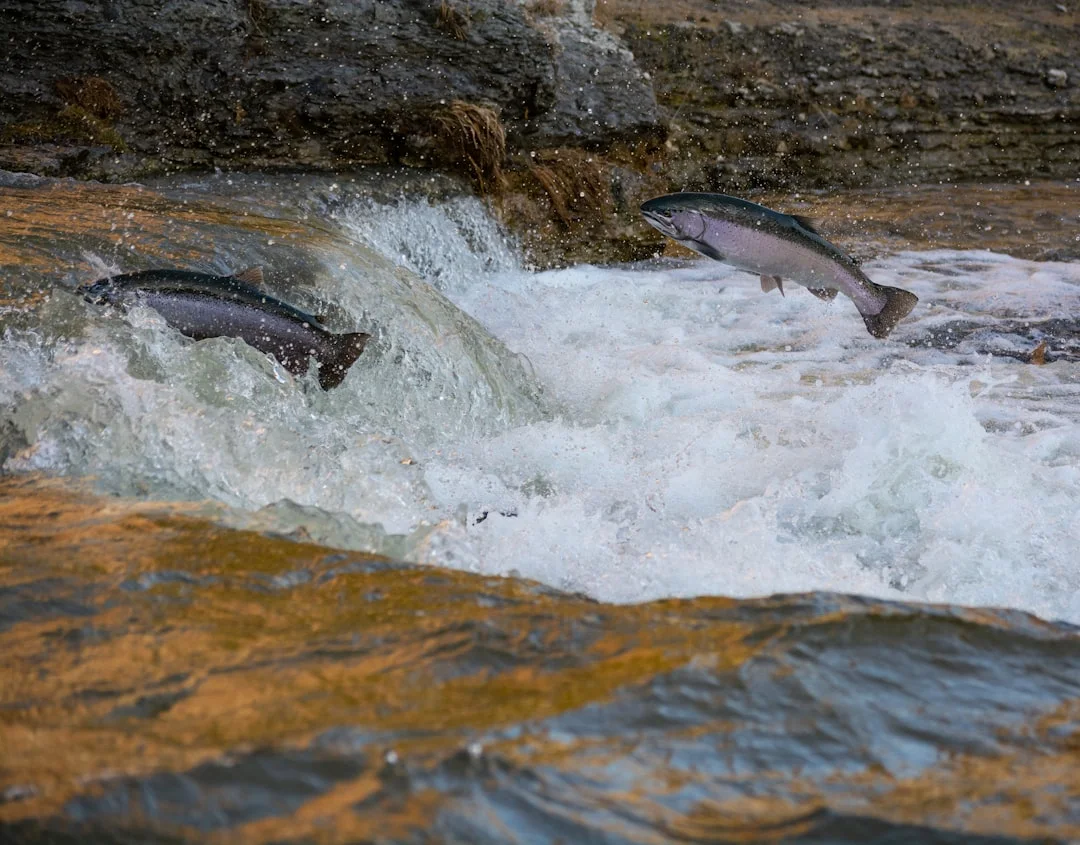
- The PSSI, together with BC SRIF and partner programs, has activated a broad network of organizations that directly contribute to restoration outcomes and employment in coastal communities. In the first phase (2021–2026), the program worked with more than 40 First Nations and Indigenous fisheries organizations on 60+ Indigenous Harvest Transformation projects, advancing selective fishing methods, improved monitoring, and reduced impacts on vulnerable stocks. The initiative also engaged over 443 partners to deliver habitat restoration, emergency drought response, and conservation projects across British Columbia and Yukon. These numbers illustrate how Indigenous-led restoration partnerships are translating into on-the-ground activity and local employment, with a focus on capacity-building within Indigenous communities. (canada.ca)
- By the time Phase 2 was well underway, BC SRIF-supported projects totaled 73, with a continued emphasis on integrating Indigenous knowledge and Western science. The program’s annual results summaries for 2023–2024 and 2024–2025 highlighted a growing portfolio of restoration, monitoring, and habitat protection activities, providing a cornerstone for long-term sustainable fisheries and coastal economies that depend on salmon. The expansion of partner networks and the creation of new positions in research, restoration, and management demonstrate a broader economic uplift linked to Indigenous-led partnerships in salmon recovery. (dfo-mpo.gc.ca)
- The 2026 PSSI renewal signals ongoing investment in restoration, research, and innovation, ensuring these economic effects persist beyond a single funding cycle. Economic activity tied to restoration projects—ranging from hatchery operations to habitat improvements and watershed management—translates into local employment opportunities, contracting with Indigenous-led organizations, and capacity-building across communities with a stake in healthy salmon populations. The overall approach is designed to sustain not only fish populations but also the people and communities who rely on them for culture, nutrition, and livelihoods. (canada.ca)
Cultural and Community Impacts
- Indigenous-led salmon restoration partnerships embody a governance model in which First Nations and Indigenous organizations play a central role in decision-making, planning, and project execution. The trilateral coordination among Canada, British Columbia, and BC First Nations for conservation and recovery reflects a governance framework that places Indigenous voices at the forefront of salmon stewardship. The emphasis on Indigenous-led strategies is not merely symbolic; it translates into practical decisions about how and where restoration work is conducted, which habitat areas are prioritized, and how monitoring data is interpreted in the context of traditional knowledge. (canada.ca)
- The Ha-Shilth-Sa report on Redd Fish Restoration Society’s work with Hesquiaht, Ahousaht, and Tla-o-qui-aht highlights how Indigenous leadership shapes watershed restoration at the community level. The project’s focus on root causes of salmon decline—such as historical watershed disturbance from logging, mining, and other land-use activities—reflects a culturally grounded approach to salmon stewardship, one that integrates traditional knowledge with contemporary restoration science. The funding and collaboration model used by the Watershed Security Fund demonstrates a pathway for communities to exercise oversight, plan restoration work, and track outcomes in a way that aligns with cultural values and long-term community well-being. (hashilthsa.com)
- Salmon restoration efforts, including the Salmon Parks initiative, also illustrate how Indigenous-led conservation can generate cultural continuity. By protecting critical spawning grounds and watersheds through Indigenous governance, communities maintain connections to salmon as a central cultural resource, ensuring that restoration outcomes support both ecological resilience and cultural vitality. These efforts reinforce the idea that healthy salmon populations are inseparable from the communities that steward them and that traditional knowledge is a critical complement to scientific methods. (salmonparks.ca)
Environmental and Scientific Significance
- The PSSI and BC SRIF initiatives advance a multi-disciplinary approach to restoration that combines habitat protection, adaptive management, and strengthened hatchery programs. The government’s announcements emphasize the modernization of hatcheries and the expansion of conservation hatcheries, alongside improvements in monitoring, climate resilience, and research capacity to better understand the factors limiting salmon population growth. The integration of Indigenous knowledge with cutting-edge science is framed as a strength that enhances the effectiveness and credibility of restoration actions, enabling communities to observe, measure, and refine practices in real time. (canada.ca)
- The 15.7 million square meters of habitat restored during Phase 1, along with the removal of nearly 695,000 kilograms of fishing gear and the retirement of 538 commercial licenses to reduce harvest pressure, exemplify tangible environmental gains and shifts toward more sustainable governance of salmon resources. These outcomes reflect a broader trend toward using a mix of regulatory reforms, habitat restoration, gear management, and selective harvesting to rebalance ecosystems while maintaining community livelihoods. While the long-term ecological results will continue to unfold, the current data indicate meaningful progress in habitat restoration and stock recovery in diverse BC coastal watersheds. (canada.ca)
Section 3: What’s Next
Short-Term Next Steps
- The renewed PSSI funding sets the stage for ongoing Indigenous-led salmon restoration partnerships across the Pacific region. The forthcoming period will emphasize continuing collaboration with Indigenous communities, provincial and territorial governments, harvesters, stewardship organizations, academic institutions, and non-governmental partners to implement new restoration projects, expand habitat protection, and refine monitoring and evaluation frameworks. The planning horizon includes new initiatives to support wild salmon and cross-border cooperation as part of a broader strategy to reverse long-term declines. The focus on strong, durable partnerships is a core feature of the plan moving forward. (canada.ca)
- Within British Columbia specifically, the continuation of BC SRIF-funded projects suggests that communities will see ongoing opportunities to participate in restoration work, apply Indigenous Knowledge in innovative ways, and leverage technology to monitor salmon populations and habitat health. The BC SRIF results show a sustained appetite for project-based funding that couples community capacity with scientific rigor, potentially accelerating the pace of habitat recovery and the reintroduction or enhancement of key life-history stages for salmon. (dfo-mpo.gc.ca)
Long-Term Outlook
- The long-term outlook for Indigenous-led salmon restoration partnerships in BC is tied to policy continuity, fund renewal, and the strength of cross-jurisdictional collaboration. The PSSI’s planned five-year extension signals confidence in a model that centers Indigenous leadership in conservation, research, and management. If the trilateral accord remains a working framework, and Indigenous groups retain decision-making influence over restoration priorities and funding allocations, BC’s coastal ecosystems and their communities could experience improved resilience to climate impacts, habitat degradation, and changing ocean conditions. The renewal also aligns with broader international and regional trends toward ecosystem-based management that recognizes Indigenous rights, knowledge, and governance as essential components of successful conservation. (canada.ca)
Closing
As BC continues to chart a path forward, the story of Indigenous-led salmon restoration partnerships is increasingly one of collaboration, data-driven decision-making, and tangible environmental improvements. The ongoing investments in habitat restoration, hatchery modernization, and Indigenous governance reflect a shared commitment to restoring wild salmon while safeguarding the cultural and economic fabric of communities that depend on these iconic species. For readers seeking real-time updates, government statements, project reports, and community announcements remain the most reliable sources for tracking progress across watersheds, partnerships, and funding allocations.
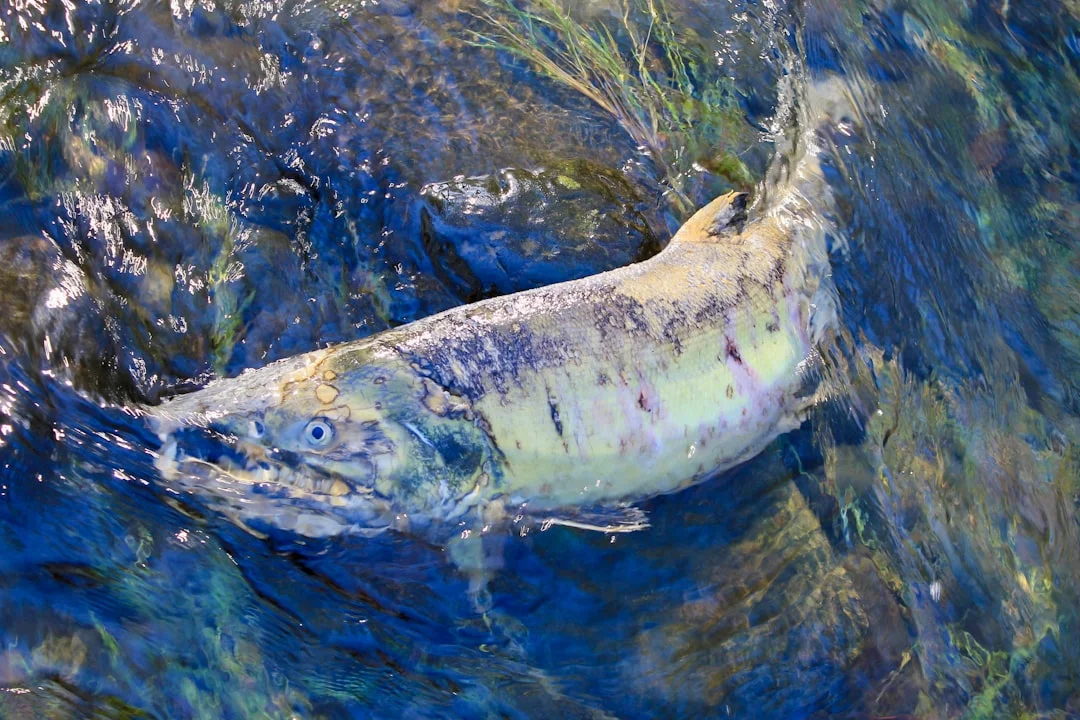
Stay tuned for updates from federal and provincial agencies, Indigenous organizations, and local stewardship groups as more projects move from planning to implementation and measurable outcomes begin to accumulate across British Columbia’s coastlines. The coming months are expected to bring new partnership announcements, additional grant allocations, and updates on habitat restoration progress that will shape the trajectory of Indigenous-led salmon restoration partnerships for years to come. In BC, where rivers and estuaries weave together ecological systems with deep cultural meaning, the collaboration between Indigenous nations and government agencies stands as a model for how complex environmental challenges can be addressed with inclusive leadership, rigorous science, and community-driven action. (canada.ca)