Langley Launches Affordable Housing Project..

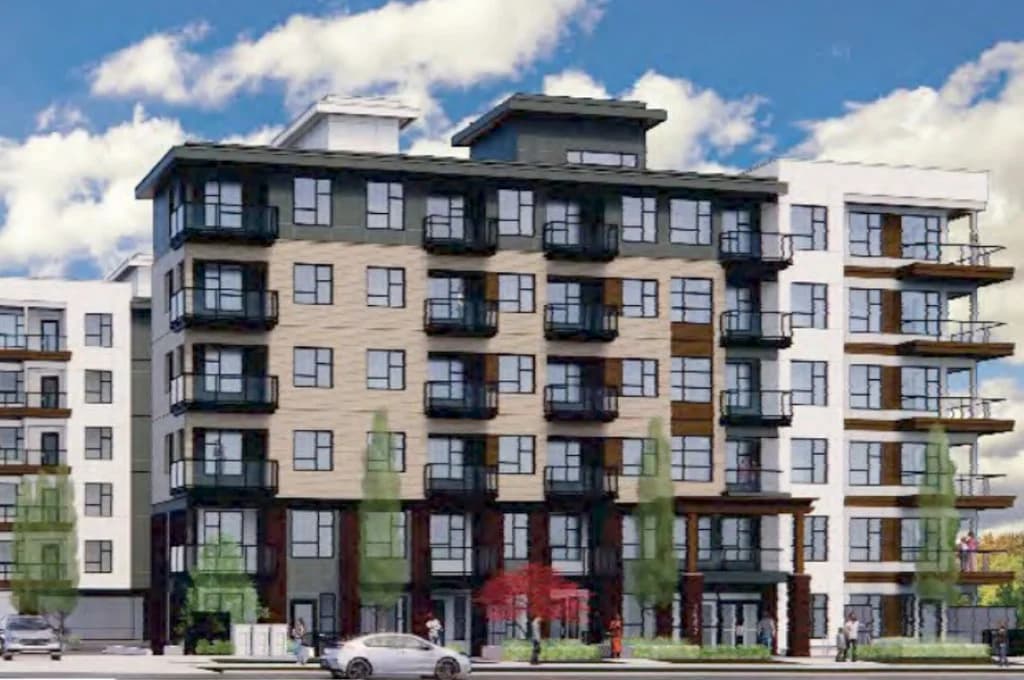
langley launches affordable housing project.. As BC Times, we report on how Langley’s housing conversation is evolving, weaving local politics, urban planning, and community voices into a larger West Coast perspective. Our independent journalism covers British Columbia, Vancouver, and the Pacific Northwest, with a focus on local news, environment, and community life. In this feature, we examine what it would mean for Langley, for families who need homes, and for the region’s development trajectory when a municipality brands a new affordable housing project. While this article reflects the context and public information available, it is also a careful map of what’s known and what remains to be clarified as the project progresses. langley launches affordable housing project..
The West Coast housing challenge: why Langley matters
British Columbia has long wrestled with housing affordability, a theme that ties together municipal budgets, provincial policy, and the lived experiences of thousands of households. Across the province, governments have sought to streamline permitting, accelerate construction, and attract private partners to deliver rental housing that is attainable for people with modest incomes. In Langley, a municipality in the Fraser Valley that borders the Metro Vancouver region, housing policy intersects with land use, transportation access, and the needs of a growing community. As BC builds toward more diverse housing options, Langley’s approach offers a lens into how small- and mid-sized communities balance affordability with quality of life, local identity, and fiscal responsibility. For context, the provincial push through programs such as BC Builds and the broader BC Housing framework aims to connect builders, land, and municipalities to expedite projects that deliver homes faster. (archive.news.gov.bc.ca)
In Langley, as in many parts of British Columbia, the housing conversation sits at the crossroads of multiple priorities: economic resilience, workforce stability, and social inclusion. When a municipality proclaims that it is launching an affordable housing project, it signals not just a construction effort but a public commitment to a long-term strategy for community stability. The Langley case study, including the Jennie Gaglardi Place project (opened to tenants in 2024), illustrates how provincial funding, municipal support, and non-profit partners converge to deliver rental homes that are affordable for households with low to moderate incomes. This pattern—public funding, partnership with non-profit housing societies, and a focus on mixed-use, multi-bedroom configurations—has become a recurring theme across the region. (news.bchousing.org)
BC Times has observed that Langley’s housing story is not a single project but a series of linked efforts designed to create long-term housing supply in a context where demand remains strong. The province’s housing strategy emphasizes speed-to-build, supportive services where needed, and land partnerships. In Langley specifically, the Township’s governance and the Province’s support have aligned on a path that could serve as a template for adjacent communities, while also raising questions about scalability, funding cycles, and how to maintain affordability as neighborhoods evolve. The ongoing conversation in Langley reflects the broader BC policy landscape, which seeks to unlock land, streamline approvals, and connect social housing with the fabric of everyday life. (news.gov.bc.ca)
“In the midst of a housing crisis, homes like these will help ensure people can remain in the communities they know and love.” This sentiment, echoed by provincial and local leaders during the Jennie Gaglardi Place opening, captures the practical and emotional stakes of affordable housing in Langley and across British Columbia. The statements from Ravi Kahlon, the minister responsible for housing, underscore the urgency of action and the need for collaboration among government, non-profits, and developers. (vancouver.citynews.ca)
How Langley’s affordable housing project framework fits into BC’s broader strategy
Langley’s potential project (and related developments in the township) sits within a provincial toolkit designed to speed up construction while ensuring affordability and quality. The BC government has established programs to couple ready-to-go land with development partners, a model that can accelerate timelines and reduce the usual friction that slows housing projects. In Langley, land and partnerships play a pivotal role, with municipal support and provincial backing enabling the development of rental housing that targets lower- and middle-income households. The provincial framework emphasizes good planning, sustainable design, and community amenities that support a high quality of life for residents. (archive.news.gov.bc.ca)

Langley’s housing activity also includes ongoing projects and planned redevelopments that show how the community intends to diversify its housing stock: seniors housing, family-friendly units, and a mix of market-rate and below-market options. In parallel, the Township’s own housing page highlights the policy lens on affordable housing and the tools available to local government to encourage more density and more diverse housing types in appropriate zones. These policy constructs—zoning flexibility, development incentives, and expedited approvals—provide a backdrop for Langley to consider when evaluating the potential scale and scope of a new affordable housing project. (tol.ca)
A particularly concrete example of Langley’s progress is Jennie Gaglardi Place, a five-story building with 98 units, which opened to residents in March 2024. The project is a collaboration among government, a local housing society, and the province, and it demonstrates how affordable rental housing can be integrated into a mixed-use urban form with ground-floor amenities and parking. The project’s opening was framed as a catalytic step in addressing housing needs and strengthening community connections. This example provides tangible context for understanding the potential structure and outcomes of any future Langley initiative that uses the same playbook. (news.bchousing.org)
Jennie Gaglardi Place: a local milestone and a model for replication
Jennie Gaglardi Place stands as a concrete, public-facing example of how Langley can translate policy into housing that serves real people. Owned and operated by the CLA Housing Society, the building offers a mix of studio, one-, two-, and three-bedroom homes designed for households with low and moderate incomes. Key features include a ground-floor amenity room, kitchen, washrooms, storage, laundry facilities, and outdoor spaces for dining and play. Parking is provided, with a careful balance between underground and surface options to maximize usability and community access. Rents range from modest levels (e.g., $500 for a studio) to higher but still affordable tiers for larger units. The project’s success is framed by the province’s larger investment in housing, and by the local determination to partner across sectors to achieve results. (news.bchousing.org)
This case also demonstrates how a housing project intersects with community organizations and municipal governance. The Langley Local Immigration Partnership (LLIP) and Langley Community Services Society have played roles in coordinating services and ensuring residents have access to needed support networks. In official statements and local promotion, the emphasis is on stability, community integration, and long-term tenure for residents. The Jennie Gaglardi Place example is often cited in news coverage and industry analysis as a prototype for provincial-municipal-non-profit collaboration. (langleylip.ca)
Financing, land, and the mechanics of affordable housing delivery
A recurring theme in Langley and across BC is the combination of land and capital incentives to unlock affordable housing faster. The land is frequently provided or reduced-cost by the municipality, while provincial housing authorities and non-profit housing societies help finance and manage the project. This combination reduces some of the typical financial barriers to entry for affordable rental housing and accelerates construction timelines in a market where land prices and building costs remain high. For Langley, provincial announcements and industry coverage highlight the use of public land, partnerships with housing societies, and a commitment to a multi-phase approach that expands the stock over time. The timeline for completion often includes early occupancy within a year or two of groundbreaking, with more units gradually coming online as funding streams and regulatory approvals align. (archive.news.gov.bc.ca)

In Langley’s ongoing housing discussions, BC Builds and the broader BC Housing framework are central. BC Builds is described as a mechanism to fast-track housing development by linking builders with ready-to-deploy land and municipalities that are ready to facilitate permitting. This mechanism is designed to shorten the typical development cycle and bring more homes online to address urgent needs. As projects like Jennie Gaglardi Place demonstrate, the practical effect is a more predictable path from concept to occupancy, albeit within the constraints of financing cycles, construction labor markets, and ongoing affordability targets. (canada.constructconnect.com)
A practical framework: models, tables, and decision factors
Langley can consider multiple models for affordable housing delivery, each with distinct trade-offs. The following table presents a high-level comparison of common approaches in BC, illustrating how a hypothetical Langley project might align with policy objectives, pricing, and community goals. Note that the exact numbers for any hypothetical Langley project should be anchored to local planning data, market conditions, and provincial funding decisions as they become available.
| Model type | Typical unit types | Target income tier | Likely funding/ownership structure | Pros | Cons |
|---|---|---|---|---|---|
| Market-rate plus affordable set-asides | Studio to 3-bedroom units; some units sold or rented at market rate | N/A (varies by unit) | Mixed public/private with affordable set-aside units | Leverages private capital; broad spectrum of residents | Affordability depends on market dynamics; requires ongoing subsidy for set-aside units |
| Rent-geared-to-income (RGI) or deeply affordable rental | Studio to 2-bedroom units | 30% of median income or lower | Public subsidy; non-profit management | Strong affordability guarantees; stable incomes for tenants | Higher subsidy burden; limited supply |
| Mixed-use, mixed-income with public land | 1–3 bedrooms; ground-floor community space | Low to middle income | Public land, provincial support, non-profit operator | Integrated community amenities; long-term stewardship | Complex financing; requires robust governance |
| Seniors and accessible housing redevelopment | 1–2 bedrooms; accessible design | Seniors and disabled households | Public funding; targeted grants | Supports aging populations; universal design benefits all | Phasing challenges; specialized service requirements |
Langley’s actual decisions will hinge on land availability, community needs, and the ability to assemble financing with provincial and federal support. In the Langley context, examples such as Jennie Gaglardi Place reveal that successful projects combine a clear articulation of demand, a credible operating partner, and a governance framework that ensures long-term affordability. The Township’s housing page emphasizes that affordable housing is defined by the share of income households spend on housing costs and acknowledges the extended policy toolkit available to municipalities to encourage more units over time. This is a reminder that the Langley project, if and when it advances, will be part of a broader policy and funding ecosystem rather than a standalone effort. (tol.ca)
Community impact: voices from Langley and beyond
Affordable housing projects in Langley are not simply buildings; they affect neighborhoods, schools, local businesses, and the social fabric of the community. When households secure stable housing, families can invest more confidently in education, job training, and community involvement. Employers in Langley and the surrounding region often view stable housing as a factor that supports workforce retention and productivity. Community organizations and service providers emphasize the importance of wraparound supports—language access, housing navigation, and elder care services—to help residents thrive in their new homes. Public statements from provincial and local officials during the Jennie Gaglardi Place opening illustrate how housing policy is framed as a community development issue—one that requires coordination across government, non-profits, and the private sector. (vancouver.citynews.ca)

Here are two representative quotes from public reporting that capture the public mood around the Langley housing effort:
“These 98 homes will provide affordable, stable places to live for people in Langley, improving their quality of life and helping strengthen community connections.” — Ravi Kahlon, Minister of Housing, during the Jennie Gaglardi Place launch. (news.bchousing.org)
“The Township of Langley is committed to providing housing solutions that meet the needs of our growing community. We are always happy to partner with the Province and other organizations to help deliver affordable housing options.” — Eric Woodward, Mayor of the Township of Langley, in coverage of the project. (businessexaminer.ca)
Together, these voices underscore a governance philosophy in which housing is a platform for community vitality, rather than a standalone commodity. In this sense, Langley’s effort can be framed as part of a West Coast pattern—cities and towns that pair land, policy, and partnerships to expand the housing inventory while preserving neighborhood character and public services.
Lessons from Langley for communities across British Columbia
From a journalistic and policy perspective, Langley’s developing approach to affordable housing offers several takeaways that other communities can apply:
- Early, explicit collaboration among municipal planners, non-profit housing operators, and provincial bodies can shorten timelines and improve project outcomes. The Jennie Gaglardi Place example demonstrates how a multi-party partnership can deliver a defined number of units within a clear regulatory and funding framework. (news.bchousing.org)
- Public land incentives and streamlined permitting are powerful levers. Langley’s experience aligns with BC Builds’ aim to connect builders with ready-to-use land, enabling faster project delivery and reduced risk for developers and funders. (canada.constructconnect.com)
- Mixed-income and mixed-use configurations can sustain neighborhoods by integrating supportive services, amenities, and housing diversity. The broader BC policy environment emphasizes these design principles as part of resilience and inclusivity in communities. (archive.news.gov.bc.ca)
- Transparent communication about rents and unit mixes helps communities understand affordability and manage expectations. Public-facing project details—unit counts, price bands, and timelines—provide a shared reference point for residents, stakeholders, and potential participants in future projects. (news.bchousing.org)
A key caveat, reflecting the constraints of any evolving local project: while the Langley case provides a useful framework, actual implementation details—such as unit mix, rent bands, construction method, and schedule—will depend on ongoing planning, funding allocations, and community input. Our review draws on publicly available cases and policy statements to illustrate the potential trajectory rather than to imply a fixed blueprint. For readers and stakeholders, staying tuned to municipal communications and provincial releases will yield the most up-to-date specifics as Langley’s plan progresses. (news.gov.bc.ca)
A closer look at the timeline, milestones, and what remains unknown
Given the publicly available information, Langley’s affordable housing activity has included notable milestones such as the 2024 opening of Jennie Gaglardi Place and ongoing discussions about additional projects under BC Builds and related initiatives. However, any new Langley project branded as a dedicated “Langley launches affordable housing project..” would require confirmation of official announcements, project scope, funding envelopes, and partner organizations. The public record shows a pattern of short- to mid-term milestones—groundbreakings, tenant move-ins, and official openings—that align with provincial timelines for large housing developments. The timeline for future Langley projects may include additional phases, expansion into other parts of the township (e.g., Aldergrove or Willoughby areas), and potential expansions of services and amenities to support residents. Provisional timelines cited in public releases suggest fall 2027 occupancy targets for larger redevelopments, but these numbers are project- and site-specific and require verification for any new Langley initiative. (canada.constructconnect.com)
For readers seeking precise, current details about a specific Langley project, the best sources are official announcements from the Township of Langley, the Province of British Columbia’s housing ministry, and the housing societies involved in the project. In the meantime, readers can use the Jennie Gaglardi Place example as a working model for how a Langley initiative could be structured and communicated, including how rents are set, how units are distributed by size, and how ground-floor amenities interact with the residential core. (news.bchousing.org)
Frequently asked questions and practical takeaways
- What counts as affordable housing in Langley and BC? In Langley and across BC, housing affordability is often defined by housing costs that do not exceed roughly 30 percent of household income, with targeted programs and subsidies designed to keep rents within reach for low- and moderate-income households. The Township of Langley’s own materials emphasize these definitions and the policy tools available to support affordable housing. (tol.ca)
- How does BC Builds influence Langley projects? BC Builds is a provincial program intended to accelerate housing development by connecting builders with ready-to-go land and municipalities. In Langley, it supports faster permitting and project readiness, which can shorten development timelines for affordable housing. (canada.constructconnect.com)
- What role do non-profit housing operators play? Non-profit housing societies, such as CLA Housing Society in Langley, typically operate the buildings, manage rents, and provide resident services. They serve as essential partners in delivering stable, long-term affordable housing. (businessexaminer.ca)
- What are the potential community benefits beyond housing units? Beyond units, these projects often include ground-floor amenities, outdoor spaces, and connections to transit, schools, and local services. They can strengthen community ties, support local employment, and create opportunities for social and economic integration. The Jennie Gaglardi Place model demonstrates these elements in practice. (news.bchousing.org)
Langley’s path forward: a thoughtful, data-informed approach
If Langley advances a new affordable housing project under the banner of langley launches affordable housing project.., several prudent steps will help ensure success:
- Clarify project scope and target units: Establish a transparent unit mix by bedroom type, income band targets, and occupancy goals to align expectations with community needs and funding criteria. This clarity supports better planning, communication, and governance.
- Strengthen public-private-non-profit partnerships: Build a coalition that includes the Township, the Province, housing societies, and lenders to ensure stable operations and long-term affordability. The experience from Jennie Gaglardi Place illustrates how these partnerships can work in practice. (news.bchousing.org)
- Align land use and zoning with housing goals: Work within the Township’s zoning framework to allow for higher density where appropriate, while maintaining neighborhood character and infrastructure capacity. The Township’s housing page highlights the policy tools and considerations involved in affordable housing. (tol.ca)
- Communicate clearly with residents: Provide ongoing updates on unit availability, rents, timelines, and support services. Transparent communication helps build community trust and support for future phases.
- Prioritize accessibility and inclusivity: Design units and common areas to be accessible and adaptable to a range of household needs, including seniors and families with children. The Langley case demonstrates how multi-bedroom configurations and ground-floor amenities contribute to inclusivity. (news.bchousing.org)
As BC Times continues to observe Langley’s housing landscape, we will monitor official statements, funding announcements, and project milestones to bring readers accurate, up-to-date information about any Langley launch. The broader regional context—BC Builds, BC Housing programs, and partnerships with non-profit housing societies—will continue to frame how Langley and other communities approach affordable housing in the years ahead. The West Coast perspective remains that housing affordability is not merely a construction target but a community-building enterprise that shapes our schools, parks, workplaces, and daily rhythms.
Closing reflections: language, tone, and the reader’s takeaway
langley launches affordable housing project.. This phrase captures a moment when policy, community ambition, and practical design converge to shape a place where families and workers can find stable homes. For BC Times readers—an audience that values independent journalism about British Columbia, Vancouver, and the Pacific Northwest—this topic sits at the heart of what makes a region livable and resilient. Our coverage is guided by a commitment to accuracy, context, and thoughtful analysis, always aiming to translate policy details into meaningful insights for residents and stakeholders.
In the broader arc of West Coast housing, Langley’s path illustrates how local choices—land use decisions, partnerships, and public funding—can collectively move a community toward a more affordable, inclusive future. While the specifics of any future Langley project remain to be confirmed, the public record provides a useful blueprint for what such a project could look like, how it could be financed, and what outcomes communities might expect. As always, BC Times will continue to track developments, share data-driven analysis, and present the voices of residents, officials, and service providers who are shaping Langley’s affordable housing journey.
Children's dentist is not only about taking care of their teeth, it's also about taking care of their habits.