Metro Vancouver Braces for Heavy Rain Today…..

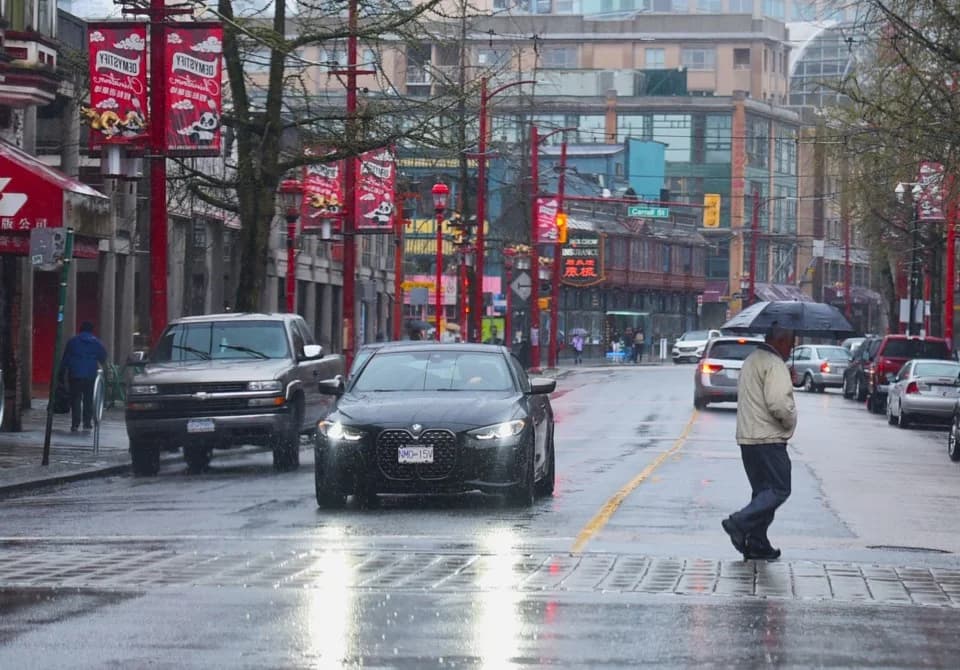
Metro Vancouver braces for heavy rain today….. The phrase has become part of local weather chatter as meteorologists warn that a series of fronts and atmospheric rivers could dump significant rainfall on the South Coast. For BC Times, an independent newsroom covering British Columbia, Vancouver, and the Pacific Northwest, this weather event is more than a headline. It’s a test of infrastructure, preparedness, and community resilience across Metro Vancouver and the broader regional economy. In this article, we examine what the forecast means for residents, commuters, and local institutions, how officials plan to respond, and what families can do to stay safe when rain is heavy and persistent. As BC Times frames it, this coverage reflects our commitment to in-depth reporting on local news, politics, environment, and West Coast culture, offering practical guidance while keeping scrutiny on public processes and potential gaps in readiness.
Why the forecast matters: meteorology behind Metro Vancouver’s rainy season challenges
Understanding why Metro Vancouver braces for heavy rain today….. begins with regional climate patterns and the geography of the South Coast. The region sits along a moist, westerly corridor where atmospheric rivers can feed subtropical moisture into coastal British Columbia. When these systems interact with upslope terrain on the North Shore and the Sea-to-Sky corridor, rainfall totals can accumulate quickly, leading to localized flooding and street ponding, even if overall rainfall totals might seem average for February. Environment Canada and local forecasting partners have repeatedly warned that the Vancouver area is susceptible to heavy rain events that stretch across multiple days, with the heaviest downpours often clustered in the afternoon and evening periods. This pattern has been seen in recent winters and is a focal point for municipal resilience planning. For readers following Metro Vancouver emergencies, this means being prepared for rapid shifts in conditions, with drivers asked to slow down on slick surfaces and residents urged to monitor updates from official channels. (vancouver.citynews.ca)
To set the stage, several warning systems and authorities issue time-sensitive advisories when rain becomes heavy. Environment Canada’s rainfall warnings and alerts are a key signal for North Shore communities, Burnaby, Coquitlam, Maple Ridge, and surrounding areas that may bear the brunt of a heavy front or atmospheric river. In recent years, warnings have become more precise about which neighborhoods are most at risk and when (for example, the North Shore mountains and areas near Howe Sound often see higher accumulations). This is not merely a weather story; it’s a test of evacuation routes, drainage capacity, and the ability of local services to respond quickly to rising water and downed trees. (vancouver.citynews.ca)
A note on local weather data and how readers can interpret it
Forecasts in Metro Vancouver are nuanced. They discuss timing (which dayparts are most at risk), intensity (mm of rain per hour in some bursts), and secondary hazards (gusty winds, localized flooding, and road pooling). In practice, residents should treat a forecast of heavy rain as a cue to check primary sources for updates, pack an emergency kit if advised, and adjust plans accordingly. Local outlets—ranging from CityNews Vancouver to district communications—often publish the evolving details so communities can adapt quickly. For example, City News and other local broadcasters have reported on rainfall warnings and the potential for widespread rainfall totals to reach triple-digit millimeters in some zones during peak periods. While forecasts evolve, the underlying risk—flooding of low-lying streets, water in basements, and power outages—remains present during these events. (vancouver.citynews.ca)
Impacts to people, property, and daily life across Metro Vancouver
When Metro Vancouver braces for heavy rain today….., the consequences unfold across several domains: mobility and commuting, housing and urban infrastructure, local economies, and community well-being. The following sections synthesize what’s known from recent rain events and official guidance, focusing on practical implications for households, businesses, and public services.

Mobility and transportation: navigating slick roads and potential closures
Rain-heavy days typically transform road conditions. Puddling, reduced visibility, and wind-driven spray can affect driving safety, while hydroplaning risks rise on pavement. Transit agencies and road authorities routinely issue advisories to allow extra travel time, especially on major corridors near the North Shore and Howe Sound, where rainfall intensity can be more pronounced during frontal passages. Commuters may experience delays, and drivers are advised to check DriveBC road conditions and local alerts before heading out. Local broadcasters often highlight chokepoints and alternate routes, helping residents minimize exposure to flood-prone intersections. (vancouver.citynews.ca)
Housing and property: flood risk and drainage considerations
Low-lying streets and neighborhoods near streams or retention basins can be particularly vulnerable to surface flooding during heavy rain events. City of Vancouver and district pages emphasize practical steps households can take to reduce risk, such as ensuring catch basins near property entrances are clear of leaves and debris and verifying that sump backwater valves are functioning. These measures help water flow away from streets and structures, lowering the chances of basement flooding and driveway puddling. In addition, local authorities remind residents to be mindful of power outages and to prepare emergency kits for extended rainfall scenarios. (vancouver.ca)
Public services and utilities: resilience planning and response
Public utilities and emergency management agencies coordinate to respond to weather-driven incidents. The immediate priorities include clearing storm drains, addressing downed trees, and ensuring critical intersections remain passable where possible. The City of Vancouver and neighboring jurisdictions routinely publish updates on service status, road closures, and shelter options during prolonged rainfall events. These communications aim to minimize risk and keep residents informed as conditions evolve. (vancouver.ca)
Economic and business disruption: small business and supply chains
Heavy rain events disrupt retail, hospitality, and service sectors through closing times, interrupted logistics, and reduced foot traffic. While forecasts indicate potential rain persistence, many businesses prepare by adjusting staffing, securing outdoor setups, and planning for customer access impacts. In months with heavier-than-typical rainfall, the Olympic-level endurance of local supply chains and the adaptability of small businesses become visible. Our reporting draws on local updates and official advisories to present a grounded view of how Metro Vancouver’s economy absorbs rain shocks and recovers. (vancouver.citynews.ca)
How BC Times frames this event: our coverage approach and context
BC Times is dedicated to independent journalism covering British Columbia, Vancouver, and the Pacific Northwest. In reporting on Metro Vancouver braces for heavy rain today….., we combine meteorological context, local government actions, and community voices to provide a comprehensive picture. Our coverage emphasizes accountability in public communications, preparedness, and resilience-building across municipalities. We highlight the perspectives of residents who live in flood-prone neighborhoods, business owners in the affected corridors, and municipal staff coordinating response efforts. This approach aligns with our one-liner: BC Times - Independent journalism covering British Columbia, Vancouver, and the Pacific Northwest. In-depth reporting on local news, politics, environment, and West Coast culture. (vancouver.citynews.ca)
“Children's dentist is not only about taking care of their teeth, it's also about taking care of their habits.” This is a reminder that resilience, like preventive care, starts with everyday actions—and those small steps add up when a heavy rainfall event arrives. (Proverb-inspired reflection for readers adapting to wet weather)
Practical preparedness: 7 steps for households and communities
As Metro Vancouver braces for heavy rain today….., residents can take concrete steps to reduce risk, protect property, and maintain safety. The following listicle offers a practical blueprint that families, apartment dwellers, and small business owners can use in the coming days. Each item aligns with guidance from local authorities and emergency preparedness resources.

- Inspect and clear drainage near your property
- Clear leaves, sediment, and debris from catch basins and storm drains adjacent to your home or business.
- Inspect exterior drainage systems and ensure downspouts are directed away from foundations.
- Coordinate with neighbors to ensure a larger drainage area remains unobstructed.
- Test and maintain backflow prevention
- Verify that sump pumps and backwater valves are functioning correctly.
- If you’re unsure, consult a licensed plumber to perform a quick check.
- Keep a dry-run battery backup on hand for sump systems.
- Prepare an emergency kit for heavy rain and power outages
- Water, nonperishable food, flashlights, batteries, a first-aid kit, and essential medications.
- Battery-powered radio for weather updates, and a charger with a power bank.
- Important documents and contact lists stored in a waterproof container.
- Plan for safe transportation and evacuation if needed
- Identify alternative routes and transit options in case primary roads flood or are blocked.
- Share your plan with trusted neighbors or family members, especially if you have mobility needs.
- Allow extra travel time, particularly in the North Shore and Howe Sound precincts where heavy downpours can be localized.
- Protect vulnerable spaces and belongings
- Move valuables from basements or ground-floor storage to higher shelves.
- Use sandbags or flood barriers if you’re in a known flood-prone zone (and if local guidance permits).
- Secure outdoor furniture and equipment to prevent projectiles during gusty winds.
- Stay informed with official alerts and local updates
- Monitor Environment Canada rainfall warnings and city communications for Metro Vancouver.
- Sign up for emergency alerts if your community offers them, and bookmark reliable local news sources.
- Maintain safe driving practices and travel planning
- Check road conditions before commuting, especially in the morning and evening peak.
- Maintain a safe following distance, reduce speeds on wet surfaces, and use headlights in rain.
- If advised to stay off the roads, follow guidance from municipal authorities and emergency responders.
These steps are practical, evidence-based measures that reflect the current urban-rain reality in Metro Vancouver. They build on the idea that readiness is a daily practice, not a single event, and that local governments emphasize these routines to minimize losses during heavy rain incidents. (vancouver.ca)
A closer look at local responses: municipal and regional actions
Municipalities across Metro Vancouver activate emergency operations centers as needed, coordinate drainage clearing, and issue travel advisories when forecasts indicate heavy rainfall. The City of Vancouver’s flood-prevention resources emphasize practical homeowner actions, like catch-basin adoption and sump valve checks, as well as reporting mechanisms for leaks and floods. West Vancouver and other districts maintain updated rainfall warnings and safety guidance for residents during intense rainfall events. These official actions reflect a broader regional emphasis on proactive maintenance, rapid response, and public communication during heavy rain episodes. (vancouver.ca)
Case in point: past heavy rain events and what they taught the region
Recent rainfall surges have produced measurable impacts across Metro Vancouver. For example, in late January 2026, Environment Canada issued rainfall warnings across parts of the region with projected totals reaching up to 90–125 millimetres in the storm’s peak window, prompting widespread caution and temporary disruption to travel and daily routines. These events highlight the critical importance of the River Forecast Centre’s advisories and district-level readiness. In parallel, 2025 saw significant precipitation events that set new daily rainfall records at Vancouver International Airport and across the South Coast, underscoring the evolving risk profile and the need for resilient infrastructure and adaptive planning. While the specifics vary by event, the recurring theme remains: heavy rain events test drainage capacity, emergency response, and community resilience in a region famous for its rainy reputation. (vancouver.citynews.ca)
The role of infrastructure and policy: building resilience for Metro Vancouver
Long-term resilience to heavy rain requires a mix of green and gray infrastructure, policy coordination, and community engagement. Key elements include:

- Drainage capacity and maintenance programs to prevent street flooding and sewer backups.
- Catch-basin adoption programs that empower residents to maintain local drainage points.
- Sump-backwater valve inspections and backflow prevention measures to protect basements and lower levels.
- Public communication channels that provide timely alerts, route closures, and safety guidance.
- Investment in green infrastructure to manage stormwater, reduce runoff, and increase ecosystem resilience.
City pages and regional reports emphasize these components as part of ongoing resilience-building. The emphasis is not only on immediate response but also on planning for future climate variability—an approach that aligns with broader West Coast environmental journalism and regional governance. (vancouver.ca)
A short comparative look: what to expect in different Metro Vancouver zones
Rainfall distribution in Metro Vancouver during a heavy event can be uneven. Some zones near the mountains, Howe Sound, and the North Shore may receive higher totals, while central urban corridors experience more continuous but less intense rainfall. A compact table helps readers visualize typical patterns during a multi-day heavy rain event (totals and likely impacts are illustrative based on recent warning patterns and public guidance; always consult current forecasts for your neighborhood):
| Area (typical risk zones) | Estimated Rainfall (mm) | Timeframe | Likely Impacts |
|---|---|---|---|
| North Shore (along mountains) | 60–125+ | Afternoon to overnight | Street flooding, hydroplaning, potential road closures |
| Howe Sound corridor | 50–110 | Overnight to morning | Landslides risk in steep terrain, drainage strain |
| Central Vancouver (city core) | 30–70 | Daytime heavy bursts | Pooled water on arterials, transit slowdowns |
| Fraser Valley outskirts | 40–90 | Evening into overnight | Overflow from wetlands, stream rise, localized flooding |
| General urban areas | 20–60 | Throughout event | Catch basins manage street flow, occasional power outages |
Note: Values are representative of warning patterns and publicly available guidance; actual totals vary with each storm system. For precise forecasts, consult Environment Canada and municipal advisories. (vancouver.citynews.ca)
Expert perspectives and public sentiment: listening to the region
During heavy rain events, experts emphasize preparedness and the shared responsibility of residents, businesses, and governments. A recurring sentiment is that the region’s infrastructure has matured in many respects, but continually benefits from proactive maintenance and community engagement. Proverbial wisdom—“Hope for the best, prepare for the worst”—captures the mindset that informs both personal preparedness and policy design. In Metro Vancouver’s context, this translates to practical steps like catch-basin maintenance, sump checks, and clear communication channels so people can act quickly when rain intensifies. The public conversation around rain events also reveals a cultural emphasis on resilience, neighborhood cooperation, and a willingness to adapt routines to protect property and lives. (vancouver.ca)
Future outlook: climate trends, urban planning, and ongoing coverage
Forecasts and historical records suggest that heavy rain events may become more frequent or intense in the Pacific Northwest, driven by broader climate variability and atmospheric patterns. City planners and regional agencies are increasingly embedding climate resilience into infrastructure design, zoning, and emergency response protocols. For readers of BC Times, this translates into ongoing coverage that probes the efficacy of drainage upgrades, the pace of green infrastructure deployment, and the transparency of public-facing risk information. Our reporting will continue to connect meteorological forecasts with everyday impacts on families, schools, businesses, and the West Coast creative economy that thrives in our climate. (vancouver.ca)
Frequently asked questions (FAQs)
-
How should I prepare for Metro Vancouver braces for heavy rain today…..?
- Check Environment Canada alerts and your municipal site for updates.
- Clear outdoor drains, test sump pumps, and have an emergency kit ready.
- Plan extra travel time and identify alternative routes.
-
What areas are most at risk?
- Areas near the North Shore, Howe Sound, and other low-lying transportation corridors tend to experience higher accumulations, but forecasts can shift. Local advisories indicate which neighborhoods are in the path of strongest rain bands. (vancouver.citynews.ca)
-
Where can I find official guidance?
- Environment Canada rainfall warnings, City of Vancouver flood-prevention resources, and district pages (e.g., West Vancouver) provide the most actionable guidance during events. (vancouver.citynews.ca)
Closing reflections: turning rainfall into resilience
Metro Vancouver braces for heavy rain today….. is a weather story, but it’s also a recurring test of the region’s resilience. The combination of meteorological realities, robust drainage strategies, proactive community engagement, and transparent public communication shapes how well people and institutions weather wet episodes. BC Times remains committed to providing in-depth reporting on how weather events intersect with local politics, environment, and West Coast culture—covering not only the immediate impacts but also the longer arc of adaptation and preparedness that define life in our rain-prone corner of the world. Our aim is to help readers stay informed, prepared, and connected to the evolving story of Metro Vancouver’s climate and community response.
Quotation interlude: wisdom for weather and readiness
“Prepare for the worst, hope for the best.” This old adage resonates in communities facing weather hazards, reminding us that proactive steps—whether cleaning a catch basin or updating an emergency plan—are the best defense against sudden downpours and rising waters. (Attributed to a timeless proverb, echoed by community organizers and local officials in emergency preparedness conversations.)
Richer look at readiness: a final listicle of local actions and resources
- Adopting catch basins and maintaining property drainage (City of Vancouver guidance).
- Verifying sump pump functionality and backwater valves (municipal flood-prevention resources).
- Leveraging Environment Canada rainfall warnings to plan commutes and travel.
- Coordinating with neighbors on shared drainage and flood-response plans.
- Planning for power outages with backup lighting and essential supplies.
- Keeping emergency contact lists and local shelter information ready.
- Staying informed through trusted local media outlets and official channels.
These steps illustrate how a community can turn forecast uncertainty into practical, shared resilience. The City of Vancouver and its regional partners provide the framework, but the day-to-day readiness ultimately rests with households, businesses, and neighborhoods taking action before, during, and after heavy rain events.