News
Nature-based Coastal Resilience BC & Pacific Northwest 2026
Data-driven, impartial update on Nature-based coastal resilience advancements in British Columbia & the Pacific Northwest projected for 2026.
By Craig Burrows · May 16, 2026 · 13 min read
 By Craig Burrows · May 16, 2026 · 13 min read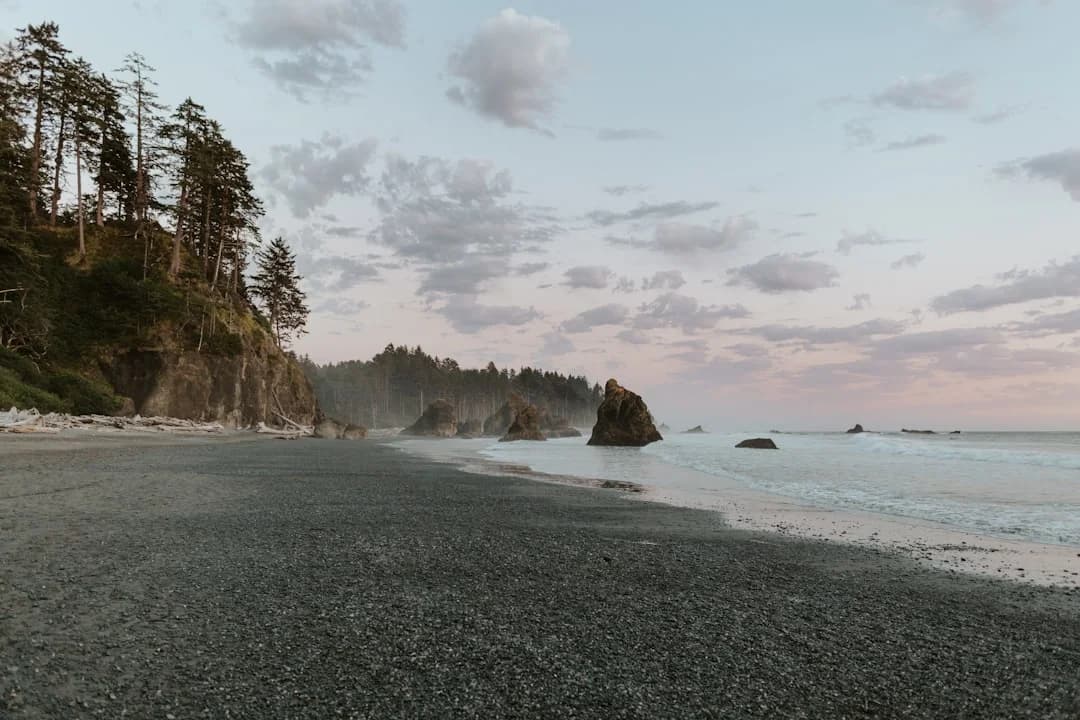
The year 2026 marks a meaningful shift in how coastal communities across British Columbia and the broader Pacific Northwest approach protection, adaptation, and ecosystem health. As storms intensify, storms become more frequent, and sea levels inch upward, agencies and researchers are leaning increasingly on nature-based coastal resilience strategies to reduce risk while supporting habitat and livelihoods. This year’s activity underscores a growing alignment among federal, provincial, state, academic, and Indigenous organizations to integrate nature-based solutions into infrastructure planning, land-use decisions, and community-led resilience initiatives. The overarching goal is clear: build resilient coastlines that support people, ecosystems, and economies without sacrificing the natural systems that sustain them. This evolving landscape is being shaped by a suite of policy updates, funding programs, and cross-border collaborations anchored in science, transparency, and measurable outcomes. In 2026, Nature-based coastal resilience BC & Pacific Northwest is no longer a niche concept but a working regional framework that informs budgets, project design, and long-range planning across jurisdictions. This article tracks what happened, why it matters, and what comes next for readers who rely on data-driven, timely reporting.
Across the Pacific Northwest, communities face a common set of coastal risks—from shoreline erosion and flooding to habitat loss and water-quality pressures. A growing body of evidence and policy momentum suggests that nature-based approaches can deliver multiple co-benefits, including flood mitigation, habitat restoration, and enhanced recreational and cultural value. In Canada, the federal renewal of the Pacific Salmon Strategy Initiative and related nature-based infrastructure investments are amplifying a regional focus on integrated coastal resilience, while in the United States, research centers, universities, and extension programs are expanding capacity to plan, finance, and implement NbS projects at scale. These dynamics are not only technical; they are political and economic, with funding cycles, partnership models, and community engagement processes driving the pace of implementation. The result is a 2026 landscape where Nature-based coastal resilience BC & Pacific Northwest is increasingly a standard lens through which resilience portfolios are evaluated and prioritized. This report synthesizes the latest developments, the actors involved, and the key implications for coastal communities, investors, and policymakers.
What Happened
Cross-border momentum and stakeholder convenings
Early in 2026, regional workshops and policy discussions highlighted a coordinated push toward nature-based coastal resilience across the Pacific Northwest. In January 2026, a series of workshops hosted in Oregon and supported by state and local agencies, as well as philanthropic partners, brought together planners, engineers, ecologists, and community groups to discuss NbS options and funding pipelines. The conversations underscored an urgent need to translate scientific findings into implementable projects that communities can afford and manage over time. The sessions served as a proving ground for cross-border information sharing and to align state and provincial resilience commitments with community realities. This momentum is reflected in subsequent policy and funding announcements and is consistent with ongoing reporting on regional flood and erosion risk management in the broader Northwest. (pew.org)
British Columbia’s funding and programmatic updates
BC’s resilience funding ecosystem continued to expand in 2026, with a particular focus on natural infrastructure and climate-adaptive shoreline management. The Disaster Resilience and Innovation Funding (DRIF) program, updated in January 2026, is explicitly designed to help First Nations and local governments bolster their capacity to withstand climate-driven hazards, including events that threaten coastal zones. The program invites expressions of interest with an approaching deadline, signaling an active pipeline for NbS-based projects—such as living shorelines, sediment management guided by natural processes, and ecosystem restoration that reduces flood risk while restoring habitat. This funding plays a strategic role in advancing Nature-based coastal resilience in coastal municipalities and Indigenous communities across British Columbia. (www2.gov.bc.ca)
Canada’s Nature Strategy and Pacific Salmon Strategy Initiative
Across the broader region, Canada’s Nature Strategy refresh in April 2026 reinforced commitments to nature-based approaches as part of the national climate and biodiversity agenda. A focal point of the renewal is the Pacific Salmon Strategy Initiative, which is receiving additional resources to restore habitat, strengthen science-based management, and support Indigenous and community-led stewardship. The policy frame explicitly links coastal resilience with salmon habitat, recognizing salmon as foundational to coastal livelihoods and ecosystems. The renewed initiative includes a substantial investment (an additional $412 million) to accelerate habitat restoration and improved governance around salmon populations in coastal British Columbia and adjacent areas. This is a landmark showing of how NbS and nature-based infrastructure are becoming central to regional resilience strategies. > Pacific salmon are foundational species to life in coastal British Columbia and for innumerable communities along their migratory rivers and streams. (canada.ca)
Pacific Northwest research, training, and capacity-building
Educational and research institutions in the region are expanding capacity to plan and implement NbS at scale. In Washington, the Washington Sea Grant program announced the Coastal Resilience Fellowship, a multi-year effort to build local capacity for resilience planning, community engagement, and applied science. The fellowship program emphasizes hands-on experience with resilience design, risk communication, and community partnerships, signaling a longer horizon for NbS expertise within the region’s universities and extension networks. The program is part of a broader ecosystem of NbS-focused training and knowledge-sharing activities that connect academic research with real-world coastal protection and habitat restoration efforts. (wsg.washington.edu)
Indigenously led coastal resilience and traditional knowledge integration
In 2026, Indigenous-led coastal resilience initiatives and knowledge integration gained greater visibility as part of the NbS ecosystem. Projects and partnerships emphasizing Indigenous knowledge, customary stewardship, and co-management approaches appeared across the region, with the aim of strengthening coastal resilience while honoring rights, stewardship ethics, and local governance. While not every initiative is at the same scale, the trend toward Indigenous-led co-design and governance continues to shape NbS planning with a growing evidence base for social and ecological benefits. A notable example is the broader discourse surrounding Indigenous coastal adaptation and collaborative science in the Pacific Northwest. (envirolink.org)
Regional platforms and tools for NbS diffusion
Efforts to diffuse NbS knowledge and best practices are being advanced by regional platforms. For instance, the Resilient Coasts Canada (Resilient-C) platform, developed at the University of British Columbia, provides coastal communities with a matchmaking and knowledge-sharing hub. The platform maps coastal hazards, documents risk-reduction actions, and helps communities connect with peers undertaking similar resilience work. In parallel, programs such as Green Shores in British Columbia provide science-based resources for homeowners, developers, and local governments to implement nature-based shoreline solutions that address erosion, flooding, and habitat restoration. These tools help scale NbS from pilot projects to replicable, community-wide practices. (resilient-c.ubc.ca)
Regional physical science and climate context
Scientific analyses and monitoring underscore the climatic drivers behind NbS adoption. Recent work in the U.S. Pacific Northwest highlights how large-scale climate oscillations (ENSO and PDO) influence shoreline dynamics, storm tracks, and erosional patterns, reinforcing the value of adaptive, nature-based shoreline management that can respond to shifting ocean and atmospheric conditions. The USGS report, published in early 2026, frames shoreline position anomalies in the Pacific Northwest as part of a broader climate-driven context in which NbS approaches offer flexible, scalable adaptation options. (usgs.gov)
Additional regional developments and commentary
Across the broader region, related policy and practice developments are shaping the NbS landscape. For example, discussions about equity and coastal protection in urban Vancouver-area contexts emphasize integrating climate science with decolonized design approaches to transform shorelines into resilient, nature-based spaces. These conversations reflect a growing recognition that coastal resilience planning must address not only physical risk but also social justice, governance inclusivity, and long-term community well-being. (ncceh.ca)
Why It Matters
Strengthening communities against rising coastal risks

The Pacific Northwest faces a confluence of hazards—coastal flooding, shoreline erosion, riverine flooding, and climate-driven variability in storm intensity and precipitation. NbS approaches are being positioned as valuable complements to hard infrastructure by enhancing natural habitat, improving water quality, and creating buffers that reduce wave energy and flood exposures. The convergence of funding, policy, and practice in 2026 reflects a risk-management philosophy that favors layered, diversified protection strategies. This approach is consistent with a growing body of regional analyses and practical case studies that show NbS projects can deliver durable protective benefits while delivering ecological co-benefits. (www2.gov.bc.ca)
Economic implications and market signals
Funding programs at the provincial and federal levels—such as the BC DRIF and the Pacific Salmon Strategy Initiative—signal a broader appetite for investing in natural infrastructure and ecosystem-based resilience. When governments sequence grants, technical guidance, and governance reforms, it reduces implementation risk for municipalities and Indigenous communities and helps unlock private-sector and philanthropic capital for NbS projects. The renewed Pacific Salmon Strategy Initiative is particularly notable because it links habitat restoration with climate resilience, fisheries sustainability, and Indigenous stewardship—areas of significant economic and cultural importance along the coast. These policy signals help create a more stable market environment for NbS vendors, engineers, ecologists, and community organizations that are building resilience projects. (canada.ca)
Environmental integrity and habitat co-benefits
Nature-based shoreline projects—such as living shorelines, habitat restoration, and sediment management guided by natural processes—deliver more than flood protection. They restore and maintain critical habitats for fish, birds, and other wildlife, improve water quality, and provide recreational and aesthetic value that communities rely on for livelihoods and well-being. Programs like Green Shores for Homes and Shoreline Development in British Columbia illustrate how nature-based planning can yield long-term environmental and social benefits while integrating with local zoning and infrastructure planning. In parallel, capacity-building efforts and knowledge-sharing platforms help practitioners monitor outcomes and adapt approaches as conditions evolve. (crd.ca)
Indigenous knowledge integration and governance
The NbS agenda in 2026 places greater emphasis on Indigenous-led stewardship and co-management as core elements of resilience. Co-design and community governance are increasingly recognized as essential for the effectiveness and legitimacy of coastal resilience measures. This shift aligns with broader national and regional policy movements that foreground Indigenous rights, traditional ecological knowledge, and community-driven decision-making as essential components of nature-based solutions. While the pace and scale of Indigenous-led NbS across British Columbia and the Pacific Northwest vary by jurisdiction, the trend toward inclusive governance and knowledge exchange remains a central theme of 2026 resilience discourse. (envirolink.org)
The science-policy bridge and actionable knowledge
The NbS ecosystem in 2026 is characterized by closer ties between science, policy, and practice. University research, government guidelines, and community case studies are increasingly connected through platforms like Resilient-C and formal funding programs. This bridge is crucial for translating climate science and coastal dynamics into actionable design criteria, performance metrics, and post-project evaluation. The objective is not only to describe risk but to demonstrate measurable reductions in exposure and improvements in ecological health, enabling communities to justify continued investment in nature-based strategies. (resilient-c.ubc.ca)
What’s Next
Short-term timeline and next funding cycles
Looking ahead, several near-term milestones will shape Nature-based coastal resilience BC & Pacific Northwest in 2026 and beyond. In British Columbia, the DRIF program maintains a rolling intake for expressions of interest, with a May 1, 2026 cutoff date for current structural project proposals. Communities and First Nations applying for support should anticipate rapid pre-application screening, followed by formal project approvals and funding disbursements if proposals meet eligibility criteria and align with resilience objectives. This funding mechanism is intended to accelerate NbS implementation while ensuring robust project design, cost-effectiveness, and measurable outcomes. (www2.gov.bc.ca)
Policy and programmatic milestones across Canada and the U.S.
Canada’s Nature Strategy renewal and the Pacific Salmon Strategy Initiative are expected to drive a wave of habitat restoration and nature-based infrastructure projects through 2026 and into 2027. The plan envisages ongoing investments in habitat restoration, scientific monitoring, and Indigenous-led stewardship, with a particular emphasis on salmon habitat and coastal resilience. While the specifics of project pipelines may vary by region, the overarching direction is clear: NbS-based protection and habitat restoration are becoming an integral part of climate resilience planning in Canada’s coastal zones. The $412 million funding commitment signals a major scale-up in support for these efforts. (canada.ca)
In the United States, capacity-building activities and research initiatives are expanding. The Washington Sea Grant Coastal Resilience Fellowship is expected to produce a cadre of trained professionals who can bridge science, policy, and community engagement, thereby accelerating the deployment of NbS in coastal communities along the Pacific coast. As with cross-border NbS work, the emphasis will be on evidence-based planning, community involvement, and transparent evaluation of project performance. (wsg.washington.edu)
How communities can prepare for NbS deployment
Municipalities, Indigenous governments, and regional agencies that plan to adopt Nature-based coastal resilience BC & Pacific Northwest 2026 strategies should prepare by strengthening governance frameworks, building data and monitoring capacity, and aligning land-use planning with NbS co-benefits. Tools like Green Shores resources, the Resilient-C platform, and practical coastal-risk risk assessment guides can help communities identify vulnerabilities, compare retrofit approaches, and track outcomes over time. Coordinated funding approaches—combining DRIF, national strategies, and regional grants—will be essential to sustain momentum and scale. (crd.ca)
What to watch for in the longer term
The NbS trajectory across the BC and Pacific Northwest region will depend on continued political support, demonstrated project success, and the integration of Indigenous knowledge into planning and delivery. Observers will be watching for: (1) the number and geographic distribution of NbS projects funded under DRIF and related programs; (2) measurable improvements in coastal resilience metrics, such as flood depth reduction, shoreline stabilization, and habitat restoration indicators; and (3) how cross-border collaboration translates into standardized best practices that can be replicated in other coastal jurisdictions. Early 2026 optimism about NbS deployment remains contingent on timely implementation, transparent reporting, and sustained funding beyond pilot phases. (www2.gov.bc.ca)
Case-study context: living shorelines and habitat restoration
Several case studies and ongoing pilots illustrate what NbS looks like in practice across the region. In British Columbia, nature-based shoreline management projects illustrate how living shoreline techniques can reduce erosion while preserving natural processes and habitat values. In Oregon and Washington, NbS pilots emphasize sediment dynamics, dune restoration, and wetlands-enhanced flood protection, all designed with community engagement and long-term maintenance in mind. While every site presents unique design challenges, a common thread is the explicit linking of resilience benefits with ecological co-benefits, climate adaptation, and community well-being. These patterns align with national and regional policy priorities and are reflected in program guidelines and funding calls issued in 2026. (crd.ca)
What’s Next (Continued)
Next steps for reporters, practitioners, and residents

Photo by Joshua Ralph on Unsplash
For reporters covering Nature-based coastal resilience BC & Pacific Northwest 2026 developments, the most actionable angles include following funding announcements, project rollouts, and community engagement outcomes. For practitioners, the priority is aligning NbS projects with the criteria of DRIF and similar grant programs, while ensuring robust monitoring and adaptive management. Residents and local stakeholders should stay informed through municipal notices, province-wide updates, and Indigenous-led planning sessions, which increasingly incorporate NbS considerations into shoreline management and adaptation planning. Cross-border collaboration will continue to shape both policy and practice as communities learn from each other’s experiences and demonstrate measurable resilience gains. (www2.gov.bc.ca)
What success would look like in 2027
By late 2027, Early indicators of success for Nature-based coastal resilience BC & Pacific Northwest 2026 could include a growing portfolio of NbS projects with documented risk reductions, stronger habitat restoration outcomes, and improved community preparedness for extreme weather events. Success would also be reflected in sustained funding streams, increased capacity among local governments and Indigenous organizations, and more widespread use of knowledge-sharing platforms and decision-support tools. While progress will not be perfectly even across all communities, 2026–2027 efforts should lay the groundwork for a more resilient regional coastline that balances protection with ecological integrity and cultural values. (www2.gov.bc.ca)
Closing
Across British Columbia and the broader Pacific Northwest, Nature-based coastal resilience is no longer a theoretical concept but a practical, funded, and measurable approach to protecting people and ecosystems. The combination of provincial disaster resilience funding, renewed national strategy investments, and targeted university and NGO programs creates a comprehensive ecosystem for NbS deployment. Communities that align planning with science, governance with Indigenous leadership, and finance with measurable outcomes will be best positioned to navigate the climate risks of the coming decade. As 2026 unfolds, readers can expect ongoing reporting on project announcements, implementation milestones, and the emerging lessons learned from NbS deployments across coastal British Columbia and neighboring regions. The year ahead will reveal how far this regional NbS agenda can push resilience, and how readily communities will translate policy and funding into tangible coastal protection and habitat gains.
—
Note: The reporting matrix above reflects publicly reported actions and programs as of early 2026. Readers are encouraged to consult local government updates and program portals for the latest details on project eligibility, deadlines, and funding availability. Key sources include the British Columbia Disaster Resilience and Innovation Funding program update, Canada’s Pacific Salmon Strategy Initiative, and regional NbS platforms and university programs that are actively shaping how Nature-based coastal resilience BC & Pacific Northwest 2026 is implemented on the ground. (www2.gov.bc.ca)