North Shore Trails Reopen After Storm Damage.

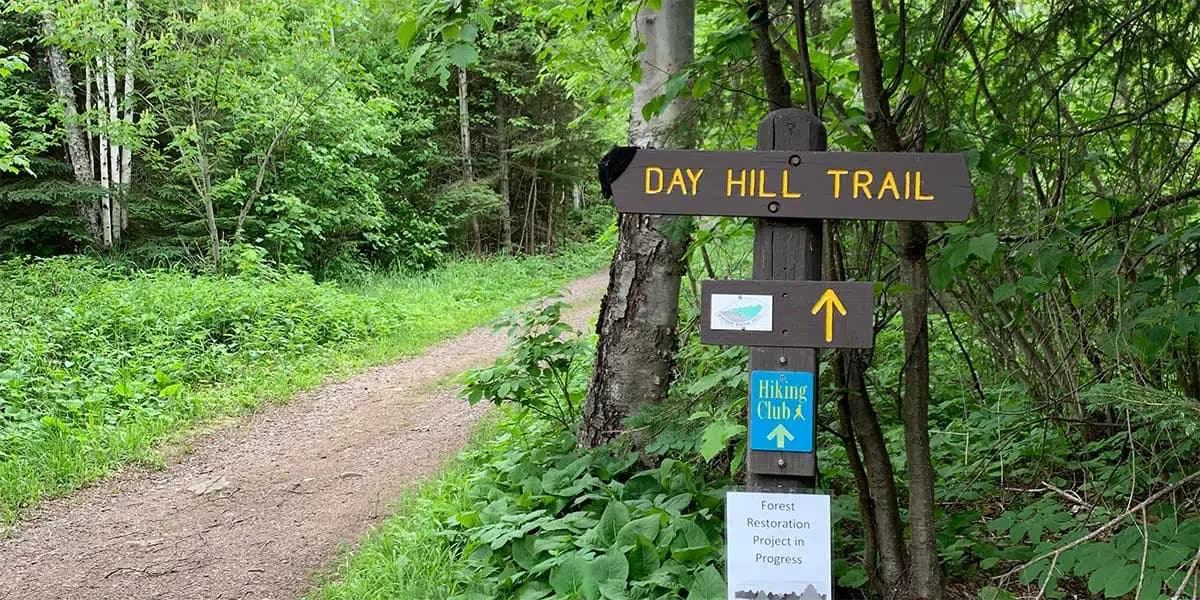
Today, BC Times—Independent journalism covering British Columbia, Vancouver, and the Pacific Northwest—brings you an in-depth look at how North Shore Trails Reopen After Storm Damage. As communities on Vancouver’s North Shore begin to regain access to cherished paths, residents, hikers, and local businesses are watching every update from municipal crews and provincial agencies. The question on many lips is not only when, but how, these trails will come back to life after a season of high water, landslides, and washed-out routes. The moment when the North Shore Trails Reopen After Storm Damage marks more than a simple outdoor update; it signals communal resilience, careful restoration, and a renewed sense of place along British Columbia’s coast. The local narrative is evolving, and BC Times is here to chronicle it with clarity, context, and verifiable detail.
"In every walk with nature, one receives far more than he seeks." — John Muir
The storm impact on North Shore trails and communities
The North Shore has a long history of rugged terrain meeting heavy weather. In October 2024, atmospheric river events caused widespread damage to trails, parks, and infrastructure across the region. City crews in North Vancouver reported washed-out sections and damaged boardwalks in key urban trail corridors, underscoring why closures were put in place and remained in effect as repairs began. Local government communications highlighted that certain trail segments would stay closed for an extended period to ensure public safety and to protect fragile streamside environments. These initial closures were part of a coordinated, safety-first response to a severe weather pattern that affected many urban green spaces. (vancouver.citynews.ca)
The City of North Vancouver provided ongoing updates, noting that some trails—such as those in Heywood Park’s Ravine Greenway and Mahon Park—suffered notable damage including washouts and eroded banks. City officials emphasized the importance of barricades and signage to prevent unsafe use while restoration work proceeded. The public was urged to respect closures and to stay informed via official channels as crews worked to restore access. These closures illustrate a key theme in North Shore recovery: public safety cannot be rushed, even as the appeal of a beloved trail calls people back to the woods. (cnv.org)
In parallel, regional emergency management agencies reinforced that closures were part of a broader climate-resilience effort. The North Shore’s experience mirrors a wider regional pattern: storms test infrastructure, but they also catalyze investment in safer, more resilient trails. For residents who rely on these outdoor spaces for recreation, commuting, and mental health, the duration of closures has real implications—from weekend hiking plans to small-business activity around trailheads and parks. As one local official framed the situation, the goal is to restore access while safeguarding against future storm-related hazards. (cnv.org)
The reopening process: how trails come back to life
When a storm-damaged trail network begins the process of reopening, several core steps come into sharp focus. First, safety assessments are conducted by qualified staff to identify immediate hazards—fallen trees, unstable banks, washed-out crossings, and compromised boardwalks. These assessments determine which segments can be reopened in stages and which require more extensive engineering solutions. In many North Shore cases, authorities prioritize reopening lightly damaged paths first to restore essential access while planning longer-term stabilization work. This phased approach helps minimize overall disruption and reduces the risk of re-damage from seasonal weather changes.

Second, restoration work typically involves a combination of debris removal, slope stabilization, bank reinforcement, and, where needed, re-routing around unstable areas. In situations where slope stability or culverts are involved, engineers may design temporary crossings or reinforced retaining structures to ensure the long-term integrity of the trail network. These technical tasks often require dry weather windows, specialized equipment, and close coordination with local habitat stewards to protect sensitive riparian zones. The City’s updates during the 2024 storm period emphasized that restoration can be a multistage process, with some sections expected to remain closed for technical reasons but others gradually re-opening as safety could be assured. (cnv.org)
Third, communication and signage play a central role throughout reopening. Trail users rely on official advisories, closure maps, and real-time updates to plan their visits. City staff and emergency management partners typically publish periodic bulletins detailing closures, detours, and anticipated timelines. In the North Shore context, residents were directed to monitor alerts and to follow barricades and posted notices as trails came back online in a controlled, safe manner. This communication loop helps protect hikers, wildlife, and the broader community while authorities complete the necessary improvements. (cnv.org)
Fourth, reopening is not a one-day event but a process that often requires adjustments. Some segments may reopen while nearby stretches remain closed due to ongoing repairs or safety concerns. This reality underscores why many North Shore routes reopen gradually and why a single reopening date is rarely the end of the story. It also highlights the importance of ongoing monitoring, maintenance funding, and community patience as crews finalize stabilization work and restore full access. (vancouver.citynews.ca)
Case examples from the broader region: what reopening looks like in practice
Across British Columbia, the storm season left a number of parks and trails with significant damage, testing the resilience of local agencies and communities. For example, Golden Ears Park—one of the province’s most visited outdoor destinations—suffered extensive storm damage in late 2024, with roads, parkways, and trails affected. By early 2025, repair work had progressed, and essential access began to reemerge, with camping and park operations gradually reopening as conditions allowed. This example illustrates how large-scale storm recovery can unfold in parallel with smaller-scale North Shore trail repairs, sharing a common timeline of assessment, stabilization, and phased reopening. (nsnews.com)
Reporting from regional outlets confirms that, while these reopenings vary by site, the pattern is consistent: initial closures yield to cautious, staged accessibility as engineers verify trail stability and safety. In late 2024 and early 2025, North Shore communities observed that some trails would stay closed longer due to the complexity of repairs, while others—where conditions permitted—were opened with clear guidance for hikers. This phased approach helps protect both the environment and the public while enabling communities to reconnect with familiar spaces in a controlled manner. (vancouver.citynews.ca)
For readers who want a concrete sense of timelines, regional coverage highlighted that some closures could extend for months, especially where structural damage or slope instability was involved. As weather patterns continue to pose new challenges, authorities emphasize the need for ongoing risk assessment and adaptive management. This reality is a reminder that even as trails reopen, a commitment to safety, maintenance, and climate resilience remains ongoing work for local governments and park authorities. (vancouver.citynews.ca)
Impacts on hikers, communities, and the local economy
The reopening of trails after storm damage reverberates through multiple layers of the North Shore community. Local hikers regain access to cherished routes that connect neighborhoods with forests, waterfronts, and scenic overlooks. For many families, these trails are a staple of weekend routines and a source of physical activity for all ages. When closures persist, it can disrupt routines, shift plans, and place additional burdens on families who rely on nearby outdoor spaces for recreation and mental health benefits.

Beyond recreation, trail reopenings support local economies. Trails drive foot traffic to trailhead businesses, restaurants, gear shops, and community events that celebrate West Coast living. The North Shore is home to a robust outdoor culture, where residents and visitors alike value access to nature as part of daily life. When closures occur, small businesses feel the squeeze, and the narrative shifts toward recovery, funding, and resilience planning as communities work to minimize future disruption. The experience of the North Shore parallels broader conversations in British Columbia about climate adaptation, infrastructure resilience, and sustainable tourism. (cnv.org)
From a cultural perspective, the reopenings carry symbolic weight. They represent more than an itinerary for hikers; they reflect a coastal identity that blends urban living with wild spaces. The West Coast ethos—resilience, community spirit, and a willingness to repair and rebuild—permeates how residents talk about trails that have stood for generations. It’s a narrative that BC Times is committed to covering with depth: the science behind restoration, the decisions of authorities, and the voices of everyday hikers who chart the trails week by week.
As with any major outdoor initiative, the reopening process invites questions about safety, access, and future risk. Community input, volunteer stewardship, and transparent reporting will remain essential as the North Shore continues to adapt to shifting weather patterns and to invest in trail maintenance, habitat protection, and climate resilience. In short, the North Shore Trails Reopen After Storm Damage is not a single milestone but a stepping-stone in a longer arc of stewardship and shared responsibility.
Practical guides for hikers as trails reopen
- Check official sources before you head out: trail advisories, closure maps, and the latest updates from municipal and regional authorities are the most reliable guides for safe access. In North Vancouver, for example, local agencies routinely publish updates to help hikers avoid dangerous sections while restoration work proceeds. (cnv.org)
- Respect closures and detours: barricades and signage are there for your safety and for protecting recovering habitats along stream corridors and unstable banks. Following these guidelines reduces the risk of injury and supports faster, safer reopening of additional segments. (cnv.org)
- Plan for a phased visit: even after a broader reopening, some trails may reopen in stages. Having flexible plans and backup routes can help you enjoy outdoor time without adding stress to a crew that’s still finishing repairs. (vancouver.citynews.ca)
- Stay informed through North Shore Emergency Management: alert apps and official bulletins provide real-time information about weather, closures, and safety recommendations. This is especially important during transitional weather periods that can trigger further changes in trail access. (cnv.org)
- Consider safety and climate literacy: understanding floodplain dynamics, slope stability, and erosion can help hikers assess risk and respond appropriately if conditions shift during a visit. This knowledge also informs long-term planning for safe, resilient trail networks.
A structured look: comparing pre-storm, during, and post-storm realities
| Phase | Key Characteristics | Practical Implications | Sources |

|---|---|---|---| | Pre-storm baseline | Trails were open with regular maintenance schedules; standard safety protocols in place. | Routine hiking plans; regular trail maintenance cycles. | Local government histories; general BC trail management. | | During storm damage | Atmospheric rivers caused washouts, boardwalk damage, and eroded banks; closures implemented. | Immediate safety closures; detours; emergency response coordination. | CNV updates; City News coverage. (cnv.org) | | Post-storm reopening | Phased access as assessments confirm safety and repairs complete; some sites reopen quickly, others take months. | Restored trail access in stages; ongoing monitoring; continued maintenance investments. | CNV communications; regional reporting on park reopenings. (cnv.org) |
This structured view helps readers understand not just what happened, but how decisions unfolded and what to expect as the North Shore continues its recovery. It also provides a clear, repeatable model for neighboring regions that faced similar weather-induced disruptions.
Voices from the ground: quotes, community input, and expert notes
Local authorities and park rangers emphasize safety first, but they also acknowledge the emotional and cultural value of trails. The following synthesized perspectives reflect a typical mix of official guidance and community sentiment that you might hear echoed in public forums, town halls, and local news coverage:
- A park services supervisor might stress, “We want to bring trails back as quickly and safely as possible, but one unsafe section can stall a broader reopening.” This sentiment aligns with the phased approach described by North Shore agencies. (cnv.org)
- A long-time hiker might say, “These trails are part of our weekly routine; it’s reassuring to see crews assessing risks and making steady progress toward reopening.” Such community voices drive the case for sustained maintenance beyond immediate repairs. (vancouver.citynews.ca)
- An environmental steward could note that “restoration work isn’t just about making paths usable; it’s about protecting riparian habitats and ensuring that recovery is resilient to future storms.” This perspective helps readers appreciate the broader ecological context of reopening decisions. (cnv.org)
Data gaps and where to find the latest updates
Despite robust reporting, there are details that require direct confirmation from official sources for absolute accuracy, including:
- The exact list of trails affected within the City of North Vancouver and District of North Vancouver, and which segments have reopened versus those still under repair. Local government sites and emergency management portals are the best places to verify. (cnv.org)
- The precise reopening dates for specific North Shore trails and whether any temporary detours remain in effect. News coverage often notes timelines, but official advisories provide the authoritative timetable. (vancouver.citynews.ca)
- The scope of ongoing improvements, including any new engineering measures intended to increase resilience against future storms. This information tends to appear in municipal capital plans or park service updates. (cnv.org)
If readers want the most current status, they should consult North Shore Emergency Management resources and the City of North Vancouver/North Vancouver District park updates. For broader context on regional recovery efforts and park reopenings, district and provincial outlets provide ongoing coverage and advisories. (cnv.org)
The BC Times perspective: journalism, community, and West Coast culture
BC Times — British Columbia News & West Coast Perspectives — is dedicated to independent journalism that covers local news, politics, environment, and West Coast culture. The North Shore trails narrative is a fitting case study for how communities respond to climate-driven challenges: with transparency about risk, commitment to public safety, and a long-term view toward resilient, sustainable outdoor spaces. Our reporting emphasizes credible sources, firsthand accounts, and an ongoing dialogue with readers about how best to balance access with stewardship.
From a policy lens, the experience of the North Shore highlights several recurring themes in British Columbia: the importance of proactive trail maintenance funding, the need for climate adaptation in park design, and the value of community engagement in wilderness management. These themes resonate beyond the North Shore to communities across Canada, where storm events increasingly test the resilience of natural infrastructure and the social fabric that depends on it.
As readers reflect on North Shore Trails Reopen After Storm Damage, they should keep in mind that reopening is not merely a calendar date. It’s the culmination of field assessments, engineering verification, habitat protection, and coordinated communication with hikers and residents. It’s also a signal that local journalism—covering the details of closures, the science behind restorations, and the human stories of recovery—remains essential to a healthy public discourse.
FAQs for trail users and curious readers
Q: When did North Shore trails start reopening after storm damage? A: Openings progressed in stages, guided by safety assessments and restoration progress. Specific trail-by-trail reopen dates were announced by local authorities as work advanced. For the most current status, check official city and district advisories. (cnv.org)
Q: Which trails were most affected on the North Shore? A: Reports indicated that trails in Heywood Park, Ravine Greenway, and Mahon Park experienced notable damage, with sections washed out or eroded. The exact list of impacted trails can be found in official closure notices released by local governments. (cnv.org)
Q: What measures are in place to prevent future damage? A: Reopening plans typically include slope stabilization, bank reinforcement, and engineered crossings where necessary, along with improved monitoring and maintenance funding to enhance resilience against future storms. (vancouver.citynews.ca)
Q: Where can I get real-time updates about North Shore trail conditions? A: Official North Shore Emergency Management channels, combined with city and district park updates, provide the most reliable, up-to-date information. Residents are encouraged to use those channels and obey posted signs and closures. (cnv.org)
Q: How does this local story fit into the broader BC recovery narrative? A: The North Shore experience reflects a province-wide pattern of storm damage, phased reopenings, and ongoing investment in climate resilience—an important public-interest topic that BC Times continues to track with cross-jurisdictional reporting. (vancouver.citynews.ca)
Closing thoughts: looking forward to safer, more resilient trails
The road back to full trail access on the North Shore is a careful, site-specific process that prioritizes safety, ecological protection, and community trust. As crews complete stabilization work and comprehensive assessments, hikers can look forward to renewed opportunities to connect with nature in a region known for its dramatic landscapes and outdoor culture. The phrase North Shore Trails Reopen After Storm Damage captures more than a logistical milestone; it embodies a communal commitment to rebuild responsibly, learn from climate-driven events, and keep West Coast trails accessible for generations to come.
For BC Times readers, this is more than a regional update—it’s a lens on how British Columbia responds to extreme weather with proactive planning, collaborative problem-solving, and storytelling that honors both the science and the people who rely on these spaces. As we continue to monitor developments, we will keep you informed with precise timelines, safety guidance, and human-interest perspectives that illuminate the ongoing North Shore recovery journey.