Our Gathering 2026 Vancouver: Tech and Indigenous Futures

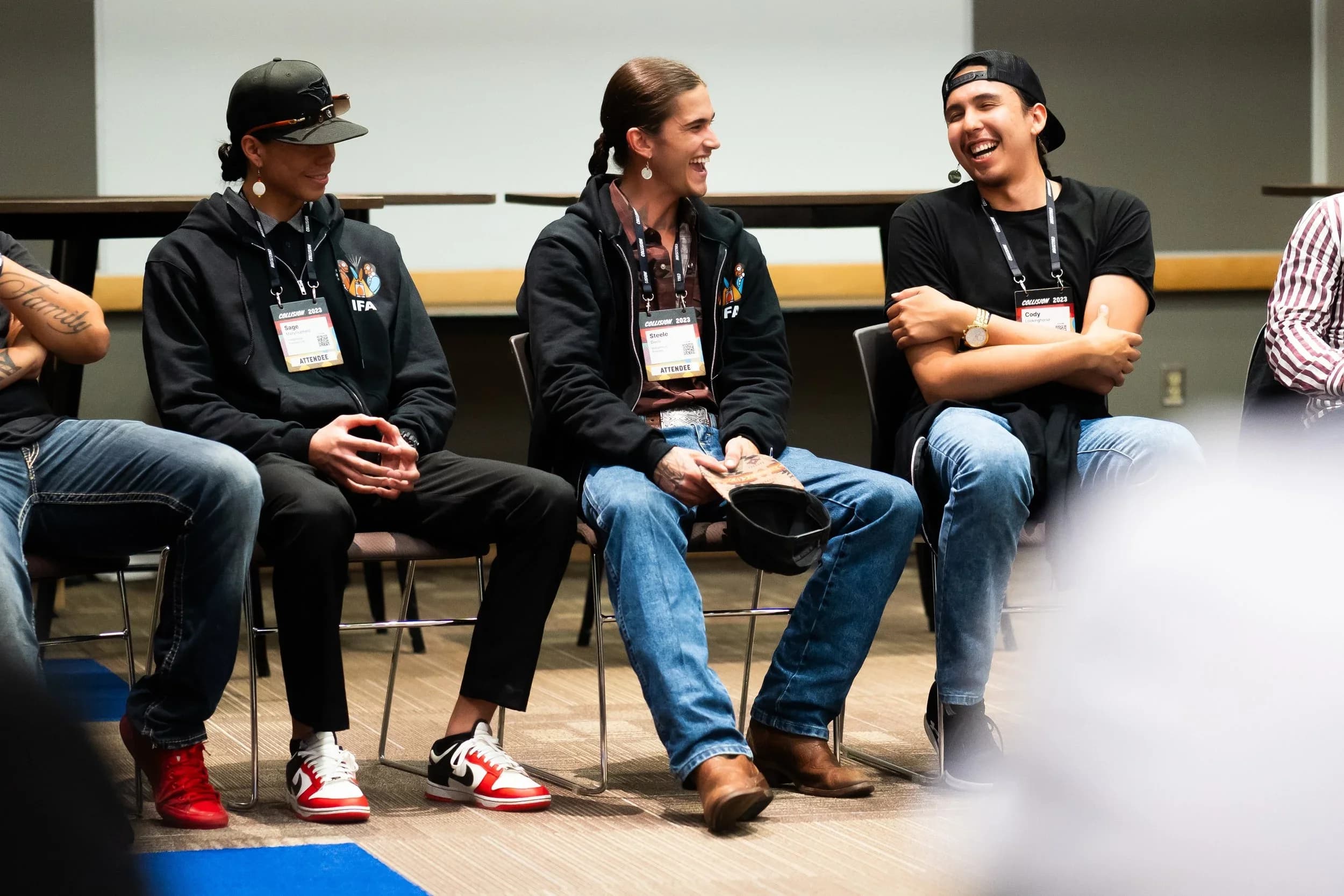
The BC Times newsroom is closely watching Our Gathering 2026 Vancouver, the 12th annual assembly organized by the First Nations Leadership Council. The event is scheduled for February 18–20, 2026, at the Westin Bayshore in Vancouver, with participants drawn from across the province. Delegates from 201 First Nations in British Columbia will convene in person and online to explore a broad agenda spanning governance, housing, emergency management, and child and family services. The gathering is co-hosted with Indigenous Services Canada and Crown-Indigenous Relations and Northern Affairs, underscoring the event’s cross-jurisdictional focus on reconciliation, policy alignment, and intergovernmental collaboration. This year’s gathering situates discussions at the intersection of Indigenous sovereignty and modern governance, highlighting how data governance, housing finance, and technology-enabled services shape outcomes for communities across BC. (fnlc.ca)
The event’s organizers emphasize dialogue that blends tradition with contemporary policy demands, aiming to accelerate progress under the framework of the United Nations Declaration on the Rights of Indigenous Peoples (UNDRIP) and BC’s Declaration on the Rights of Indigenous Peoples Act. In recent years, BC has committed to aligning provincial laws with UNDRIP and to implementing a robust action plan through the Declaration Act Secretariat, with annual progress reporting to the legislature. Our Gathering 2026 Vancouver is positioned as a testbed for collaboration across government, Indigenous governments, and service providers to translate commitments into tangible housing, security, and child welfare improvements. The significance of this year’s gathering is amplified by broader public policy developments in BC and Canada around Indigenous self-government, housing funding, and data sovereignty—topics that resonate with the event’s technology-augmented approaches to service delivery and governance. (declaration.gov.bc.ca)
Opening perspectives from BC policymakers and Indigenous leadership suggest that 2026 will be a year of increased emphasis on measurable outcomes, transparency, and accountability in Indigenous-led housing initiatives, along with continued work toward aligning laws with UNDRIP. The Declaration Act, enacted in 2019, requires the government to bring provincial laws into alignment with UNDRIP and to develop an action plan in consultation with Indigenous peoples. The act also mandates annual progress reporting, which creates a framework for monitoring how events like Our Gathering 2026 Vancouver influence policy trajectories and funding allocations in housing and related supports. As BC moves toward more explicit governance models that recognize Indigenous sovereignty in resource and community development, the gathering could serve as a focal point for testing practical pathways—especially in how data governance and digital service delivery can support improved housing outcomes and child welfare services. (declaration.gov.bc.ca)
What qualifies this year as particularly noteworthy for technology and market observers is the way housing, infrastructure funding, and Indigenous governance intersect with data governance and digital services. BC’s Indigenous housing programs, including the Indigenous Housing Fund and the Community Housing Fund, have accelerated the pace of Indigenous-led housing development on and off reserve. Public data releases and annual reporting associated with the Declaration Act offer visibility into progress and gaps, enabling market analysts to gauge the effectiveness of public investments and regulatory changes. The latest public-facing materials outline a multi-year funding approach designed to expand Indigenous housing while improving governance and oversight, a trend that could influence private sector partnerships, municipal planning, and financial markets focused on social infrastructure. For readers focused on technology and markets, the implications are clear: digital partnerships, transparent performance metrics, and culturally informed governance structures are increasingly central to realizing housing and social outcomes. (declaration.gov.bc.ca)
Section What Happened
Event Details
When and where
Our Gathering 2026 Vancouver is slated for February 18–20, 2026, with programming spanning plenary sessions and breakout discussions. The venue is the Westin Bayshore Vancouver, located at 1601 Bayshore Drive, offering in-person attendance with virtual participation options to ensure broad access for delegates across BC. The event hours and scheduling are designed to accommodate cross-First Nations participation, Government of Canada officials, and Indigenous organizations, reflecting a multi-stakeholder approach to policy dialogue. The scheduling details emphasize a three-day pattern typical of large-scale governance forums, featuring opening plenaries, sector-specific sessions, and late-afternoon briefings. The organizers emphasize a hybrid format to maximize participation while maintaining a strong on-site presence on Vancouver’s coastline. The event is co-hosted with Indigenous Services Canada and Crown-Indigenous Relations and Northern Affairs, signaling high-level collaboration across federal and provincial levels. (fnlc.ca)
Participants and structure
Participation is expected to include delegates from roughly 201 First Nations across British Columbia, spanning coastal communities, interior nations, and urban Indigenous organizations. The structure comprises plenary talks, breakout sessions, and collaborative workshops focused on housing policy, emergency management, child and family services, and the implementation of the UN Declaration Act in provincial law. The three-day cadence aims to balance policy dialogue with practical, on-the-ground planning for program delivery and funding coordination. The event’s leadership notes a commitment to inclusive participation, enabling both in-person and virtual engagement to accommodate geographic diversity and time-zone differences across the province. (fnlc.ca)
Core topics and outcomes
Key topics for Our Gathering 2026 Vancouver include UNDRIP alignment, housing strategies (including on- and off-reserve initiatives), emergency management planning, and child welfare programs. The agenda underscores the need for collaboration between Indigenous communities, federal departments, and provincial ministries to align policies with Indigenous rights and community priorities. While the event remains a forum for dialogue, organizers frequently emphasize that discussions are intended to translate into concrete action—annual reporting, revised funding frameworks, and new partnership agreements that improve service delivery for Indigenous families, seniors, and youth. The presence of the Declaration Act framework as background context means participants will be evaluating not just policy proposals but how to operationalize laws and standards in daily governance. (declaration.gov.bc.ca)
Section Why It Matters
Why It Matters
Governance, reconciliation, and data sovereignty

The significance of Our Gathering 2026 Vancouver extends beyond the immediate policy topics. The event sits at the intersection of reconciliation commitments and practical governance reforms shaped by BC’s Declaration on the Rights of Indigenous Peoples Act (Declaration Act). The act places UNDRIP at the core of provincial law and requires ongoing consultation with Indigenous Peoples, as well as annual progress reporting. For analysts, this means a living policy environment where official action plans, legislative updates, and annual reports create a measurable backdrop for evaluating Indigenous governance and collaboration with non-Indigenous institutions. The conference’s focus on UNDRIP alignment and action planning provides a real-world lens on how legal frameworks translate into program design and service delivery. Researchers and market observers will be watching not only for policy pronouncements but for the emergence of data governance practices that respect Indigenous rights and enable transparent accountability. (declaration.gov.bc.ca)
Housing finance, supply, and market implications
Housing remains a central pillar of BC’s reconciliation agenda. The province has invested heavily in Indigenous housing funds, including the Indigenous Housing Fund and the Community Housing Fund, with a commitment to scaling up supply and improving affordability for Indigenous families. By late 2023, BC reported substantial progress in Indigenous housing projects, and funding streams have continued through 2024 and 2025, with ongoing reporting on outputs like units completed and under construction. For market watchers, this indicates a targeted approach to expanding social housing while leveraging public capital to unlock private and blended finance for Indigenous-led developments. The outcomes of Our Gathering 2026 Vancouver could influence future funding cycles, project approvals, and collaborative models with First Nations housing entities. The data-driven emphasis of BC’s housing initiatives, combined with UNDRIP-aligned governance, creates a unique market signal for developers, lenders, and municipal planners. (declaration.gov.bc.ca)
Technology, data governance, and service delivery
A notable dimension of the event’s framing is how technology and data governance influence governance and service delivery in Indigenous communities. The Declaration Act’s emphasis on consultation, co-operation, and the alignment of provincial laws with UNDRIP intersects with modern data governance concepts, including Indigenous data sovereignty and the use of digital platforms to coordinate services such as housing, emergency management, and child welfare. BC’s antiracism and reconciliation resources emphasize engaging with Indigenous leadership on data governance and decision-making processes, acknowledging Indigenous authorities’ rights to govern data about their communities. In practice, this translates to designing digital tools and governance processes that support transparent, respectful interactions among governments, service providers, and Indigenous nations, while safeguarding privacy and cultural considerations. Our Gathering 2026 Vancouver is likely to surface concrete proposals for data-sharing agreements, joint dashboards, and interoperable systems that align with Indigenous governance norms and provincial reporting requirements. (antiracism.gov.bc.ca)
Broader regional and national context
BC’s approach to UNDRIP and the Declaration Act sits within a broader Canadian context in which provinces and the federal government are increasingly focused on reconciliation, Indigenous self-determination, and inclusive economic development. The BC model—combining law alignment, action plans, and annual reporting—offers a practical blueprint for other jurisdictions seeking to implement UNDRIP in a way that is both principled and actionable. Observers will be watching whether the outcomes of Our Gathering 2026 Vancouver yield scalable pathways that can inform other provinces’ governance reforms, especially in areas where housing, social services, and Indigenous governance intersect with markets and technology. This cross-jurisdictional relevance underscores the event’s potential to influence policy design beyond BC, particularly as Indigenous organizations explore new partnerships and funding mechanisms. (leg.bc.ca)
Stakeholder implications: who benefits and how
- Indigenous communities and nations: The event centers on housing and child welfare—areas with direct, tangible impact on family stability, housing security, and intergenerational well-being. By advancing housing programs and strengthening governance alignment, communities can realize improved outcomes and more control over development on and off traditional territories. BC’s progress reports and action plans provide a framework for accountability that communities can reference in negotiations with government and industry partners. (declaration.gov.bc.ca)
- Municipalities and housing developers: The BC housing programs and funding commitments create opportunities for partnerships with municipalities and Indigenous housing developers. Public reporting and evidence-based progress metrics help lenders and investors assess risk and opportunity in Indigenous-led housing projects, potentially unlocking blended capital and reducing funding gaps. (declaration.gov.bc.ca)
- Federal partners and service providers: As Indigenous Services Canada and Crown-Indigenous Relations and Northern Affairs participate in the event, the gathering can influence federal–provincial coordination on housing, emergency management, and child welfare—areas where federal funds and national policy alignments can be optimized through cross-jurisdictional collaboration. The event’s outcomes could signal priority areas for future funding cycles and intergovernmental agreements. (fnlc.ca)
- Private sector and technology firms: With an emphasis on data governance, digital service delivery, and Indigenous-led housing initiatives, technology providers may find opportunities to support interoperable platforms, data-sharing arrangements, and culturally informed product designs that respect Indigenous data sovereignty. The broader market signal is a preference for partners who can deliver privacy-preserving, consent-driven, and governance-aligned digital solutions for social infrastructure. (antiracism.gov.bc.ca)
What’s Next
Immediate post-event expectations
As with prior Our Gathering iterations, the February 2026 conference is expected to culminate in a set of recommendations, action items, and potential agreements among participating First Nations, federal partners, and provincial ministries. The post-event phase will likely include the drafting or updating of action plans under the Declaration Act framework, with a focus on translating plenary discussions into concrete funding requests, policy adjustments, and program design improvements. The annual reporting mechanism embedded in BC’s Declaration Act will provide a structured avenue for monitoring progress and publicly communicating results to communities and stakeholders. Observers will look for early signals of how the event’s outcomes influence housing fund allocations, program delivery timelines, and intergovernmental agreements related to Indigenous governance and data sovereignty. (declaration.gov.bc.ca)
Timeline and milestones to watch
- February 18–20, 2026: Our Gathering 2026 Vancouver takes place at the Westin Bayshore, with in-person and virtual participation options. This is the moment when cross-jurisdictional teams converge to shape shared agendas on housing, sovereignty, and child welfare within the UNDRIP framework. (fnlc.ca)
- Mid-2026: Preliminary post-event briefings and stakeholder meetings may occur to translate discussions into draft action plans, updated funding proposals, and new collaboration agreements. These early activities would align with ongoing Declaration Act requirements and public reporting cycles. (declaration.gov.bc.ca)
- 2026–2028: Ongoing progress reporting under the Declaration Act will illuminate how the event’s themes influence legislative alignment, program effectiveness, and Indigenous-led governance outcomes in housing and related services. Annual reports will provide measurable indicators such as housing units completed, program uptake, and intergovernmental agreements. (declaration.gov.bc.ca)
What to watch for in policy and markets
- Data governance and Indigenous sovereignty: Expect increased attention to data sovereignty agreements, consent frameworks, and governance models that empower Indigenous communities to control and benefit from data related to housing, health, and social services. The antiracism and reconciliation initiatives in BC highlight how Indigenous data governance is anticipated to shape policy design and program management. (antiracism.gov.bc.ca)
- Housing funding and project pipelines: The Indigenous Housing Fund and the Community Housing Fund infrastructure will likely yield new project announcements, partnerships, and completion milestones. Market watchers should track units completed or underway, native-led housing initiatives, and any shifts in funding formulas or eligibility criteria that could affect project viability and investor interest. (declaration.gov.bc.ca)
- Policy alignment with UNDRIP: The Declaration Act remains a living framework; the annual reporting cycle and updates to action plans will serve as a primary source of data on progress toward aligning provincial laws with UNDRIP. Analysts should monitor the Secretariat’s guidance, annual reports, and legislative amendments that reflect evolving commitments to Indigenous rights and governance. (declaration.gov.bc.ca)
Closing
Our Gathering 2026 Vancouver represents a pivotal moment for Indigenous governance, housing policy, and technology-enabled public service delivery in British Columbia. By bringing together hundreds of First Nations delegates, federal partners, and provincial leadership, the event creates a platform for advancing reconciliation commitments in a way that is both principled and practical. The convergence of housing metrics, data governance discussions, and UNDRIP-aligned policy planning signals that BC is continuing to test new models of collaboration—models that could influence how markets, governments, and Indigenous communities work together to improve outcomes for families, communities, and nations.
As BC Times continues to follow developments from Our Gathering 2026 Vancouver, readers can expect ongoing coverage of housing program updates, governance reforms, and the emergence of technology-enabled solutions that respect Indigenous rights and promote measurable social impact. For the latest information, stay tuned to our ongoing coverage and the official announcements from the First Nations Leadership Council and partner organizations. The event’s outcomes will unfold over the coming months and will be tracked through official progress reports and subsequent policy developments.
In the months ahead, BC policymakers, Indigenous leaders, and market participants will be watching closely to see how the insights from Our Gathering 2026 Vancouver translate into tangible improvements in housing access, governance transparency, and child welfare supports across British Columbia. The outcome will not only shape the next steps for Indigenous communities within the province but may also offer a replicable model for other Canadian jurisdictions pursuing UNDRIP-aligned reforms, data governance reforms, and targeted social investments.