Pacific Northwest Clean-energy Investment 2026

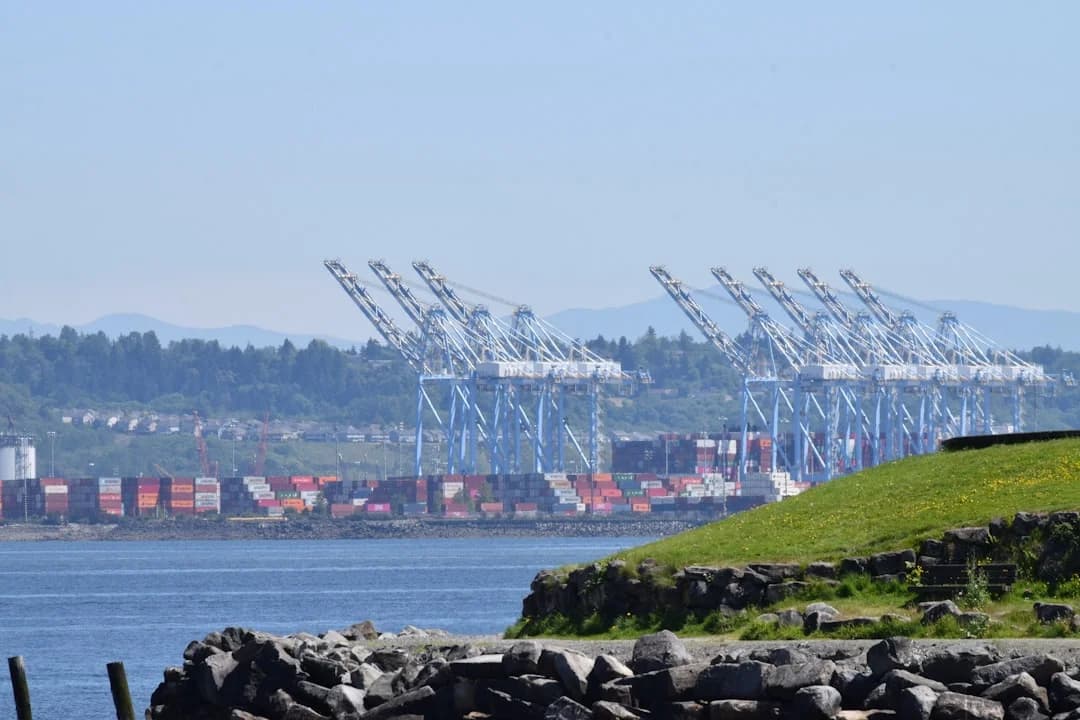
Photo by fr0ggy5 on Unsplash
The Pacific Northwest is in the midst of a defining moment for its clean-energy future, with 2026 shaping up as a pivotal year for what many observers describe as a wave of Pacific Northwest clean-energy investment 2026. Across British Columbia, Washington, Oregon, and neighboring jurisdictions, policymakers, utilities, and private developers are accelerating a suite of large-scale storage, transmission, and renewable projects designed to modernize the grid, reduce emissions, and strengthen energy security. The immediate implication is a more resilient regional grid and a more integrated cross-border energy market, even as the region contends with permitting bottlenecks, stakeholder concerns, and the need to align rapid deployment with environmental and cultural priorities. This coverage draws on the latest developments reported in early 2026, including federal approvals for major storage initiatives, legal and regulatory actions affecting dam operations, and regional planning efforts that signal how the next decade could unfold for clean-energy investment in the Pacific Northwest. The story is especially timely given ongoing policy shifts and strategic investments that promise to reshape the region’s energy mix and economic footprint in 2026 and beyond. This is a moment that matters for ratepayers, Indigenous communities, and local economies alike, and it will require careful monitoring of timelines, budgets, and regulatory decisions as the year progresses. The following report provides an evidence-based, data-driven snapshot of what happened, why it matters, and what to expect next in the broader arc of Pacific Northwest clean-energy investment 2026.
Federal and regional action in early 2026 highlights how the region is moving from plan to project. In January 2026, federal regulators approved a significant energy-storage initiative in the eastern Gorge, a project that represents a milestone for pumped-storage deployment in the Pacific Northwest and a tangible step in aligning renewable generation with grid reliability. The Gorge project, known as the Goldendale Energy Storage Project, will operate on privately owned land east of Biggs Junction on the Washington side of the Columbia River. It comprises two 60-acre reservoirs connected by a tunnel and is designed to store excess wind and solar energy by pumping water to an upper reservoir when supply exceeds demand, releasing it to generate electricity when needed. FERC issued a 40-year license for Rye Development to operate the facility, signaling a long-term commitment to a large-scale storage asset that developers say could power a city the size of Seattle for as long as 12 hours during peak demand periods. This development is a cornerstone of the 2026 Pacific Northwest clean-energy investment narrative because it demonstrates how storage capacity can be accelerated through federal licensing processes, private investment, and site-specific engineering. The project follows the region’s broader storage trend, as utilities and developers explore a mix of pumped storage and battery storage to address near-term variability and long-duration resilience needs. In confirming the license and outlining the project’s design, Rye Development emphasized grid reliability and affordability as central objectives, a theme that resonates with utility demand for cost-effective, scalable storage solutions as the region transitions away from fossil fuels. The Gorge storage project’s approval illustrates a broader shift toward integrative storage strategies that blend transmission planning, land-use approvals, and multi-jurisdictional coordination, all of which are central to the Pacific Northwest clean-energy investment 2026 story. (axios.com)
Within weeks of the Gorge storage approval, a separate legal development underscored ongoing regional attention to hydropower operations and fish passage. A federal judge in Oregon ordered changes to dam operations on the Columbia and Snake rivers to support salmon populations, a decision tied to a decades-long legal effort to reconcile hydropower, navigation, and environmental protections. The ruling comes in the wake of a 2023 settlement with the Biden administration proposing substantial federal investments in salmon restoration alongside tribal clean-energy projects. The court’s decision reflects the delicate balance the region must strike: advancing clean-energy infrastructure while honoring treaty rights and preserving culturally important waterways. The ruling did not close the broader policy debate about how to optimize hydropower, flood control, and renewable integration, but it did highlight the regulatory and intergovernmental dimensions of Pacific Northwest clean-energy investment 2026. For stakeholders, the takeaway is that regulatory clarity and judicial guidance will continue to shape project timelines and community engagement as the year unfolds. The decision also underscores how environmental governance remains a central, sometimes contentious, driver of investment pace in the region. > “One of the foundational symbols of the West, a critical recreational, cultural, and economic driver for Western states, and the beating heart and guaranteed resource protected by treaties with several Native American tribes is disappearing from the landscape,” wrote U.S. District Judge Michael Simon in the related proceedings, underscoring the high stakes involved in river management decisions. (apnews.com)
In parallel with federal approvals and regulatory actions, the private sector is advancing storage and transmission projects that illustrate the region’s evolving investment landscape. A notable example is the BrightNight and Cordelio Power joint venture’s Greenwater Energy Storage Project near Tacoma, Washington. This project, a 200-MW/800-MWh standalone battery energy storage facility, is designed to provide grid services and secure firm power to Puget Sound Energy (PSE). The project received substantial project financing—approximately $400 million—and is expected to come online in 2027, with the utility anticipating operation by mid-year 2027. The Greenwater project is positioned to help manage grid congestion along the Interstate 5 corridor and to support the integration of expanding renewable resources, a hallmark of the Pacific Northwest clean-energy investment 2026 trend toward more sophisticated storage assets that can respond rapidly to changing grid conditions. Industry observers note that this approach reflects a broader shift toward targeted storage investments that complement regional hydropower capacity and transmission upgrades. BPA’s earlier pledge to invest roughly $3 billion to expand transmission capacity in Washington and Oregon further underscores this trend, highlighting how storage and transmission enhancements are converging to unlock new renewable resources and stabilize supply. These developments collectively illustrate how private capital is mobilizing to complement public investment, a key feature of the 2026 Pacific Northwest clean-energy investment narrative. (utilitydive.com)
These investments occur alongside regional policy and planning actions designed to accelerate clean-energy deployment while maintaining grid reliability and affordability. Washington’s and Oregon’s policy environments, as well as cross-border coordination, are shaping the conditions under which investments proceed. A January 2026 analysis by Oregon Public Broadcasting and ProPublica highlighted Washington’s position as a laggard in national clean-energy growth, prompting state agencies to intensify efforts to expedite permitting, interconnection, and grid upgrades. The Washington Department of Commerce, Ecology, the Energy Facility Site Evaluation Council, and the Utilities and Transportation Commission have convened to streamline processes, identify transmission bottlenecks, and consider new authorities or mechanisms to finance critical infrastructure projects, including new transmission corridors and microgrid concepts. The profiling of 19 priority projects—ranging from wind and solar to storage and transmission enhancements—shows policymakers aiming to reduce permitting timelines, coordinate across state agencies, and align incentives with federal tax credits and mortgage securities that favor clean-energy deployment before deadlines in 2026 and 2027. The OPB-ProPublica reporting injected urgency into the dialogue, and Washington state officials indicated an intent to marshal state resources to support interconnection studies and expedited project reviews, a move that could materially accelerate the pace of Pacific Northwest clean-energy investment 2026. (opb.org)
Section 1: What Happened
Announcement Details
- Gorge Energy Storage Project approval: Federal regulators granted a 40-year operating license for the Goldendale Energy Storage Project, a pumped-storage facility in the eastern Gorge area on the Washington side of the Columbia River. The project features two 60-acre reservoirs connected by a tunnel and a turbine, enabling energy storage during periods of surplus wind and solar and generation during peak demand. The license approval marks a major milestone for long-duration storage in the Pacific Northwest clean-energy investment 2026 landscape and signals a structural shift toward gravity-based storage solutions in the grid’s balancing toolkit. The project’s proponents frame it as a key component of grid reliability, with developers noting the potential to power a major city for hours during high-demand events. The license also brings scrutiny from tribal and environmental groups that have raised concerns about cultural artifacts and first-food access, illustrating the continuing importance of balancing energy needs with cultural and environmental stewardship in the region. The FERC decision, along with the detailed project design, demonstrates how public and private actors are collaborating to advance long-duration storage in a region historically dominated by hydroelectric generation. (axios.com)
Timeline
- December 9, 2025: BrightNight and Cordelio announce the Greenwater Energy Storage Project near Tacoma, a 200-MW/800-MWh standalone battery facility, with $400 million in project financing. The timeline indicates the facility is expected online by mid-2027, reflecting a multi-year development window from permitting to commissioning. This project is emblematic of the Pacific Northwest clean-energy investment 2026 emphasis on deploying large-scale storage to complement existing hydro assets and transmission upgrades. (utilitydive.com)
- January 23, 2026: Feds approve Gorge energy project (Goldendale Energy Storage Project) with a 40-year operating license for Rye Development. This milestone underscores the accelerating pace of storage investments in the region’s grid modernization agenda and sets the stage for construction milestones and interconnection work in 2026–2027. (axios.com)
- January 26, 2026: Washington state officials unveil a sweeping effort to accelerate renewable-energy project development, with focus on 19 priority projects and cross-agency coordination to clear permitting and interconnection hurdles before federal tax-credit deadlines in July 2026. This development signals a policy-driven acceleration of Pacific Northwest clean-energy investment 2026, with potential downstream effects on project budgets, timelines, and job creation. (opb.org)
- February 26, 2026: Federal court order requiring narrow changes to Columbia and Snake river dam operations to aid salmon populations, reflecting ongoing balancing of environmental protections with energy infrastructure needs. The ruling follows a long-running dispute over dam operations and is part of a broader regional dialogue on how to optimize hydro resources alongside new clean-energy resources. (apnews.com)
- February–March 2026: The Northwest Power and Conservation Council outlines the Ninth Power Plan development timeline, with a public draft due mid-2026 and adoption planned for late 2026. The Ninth Plan emphasizes load growth, transmission expansion, and emerging technologies as central forces shaping the Pacific Northwest clean-energy investment 2026 landscape, including the role of battery storage, hydrogen, and potential long-duration storage alongside more conventional resources. (nwcouncil.org)
Key Facts
- Gorge project configuration: A pumped-storage facility with two 60-acre reservoirs; one adjacent to the Columbia River and another positioned up a ridge, connected by a tunnel and turbine. The system would enable energy storage by pumping water uphill when wind/solar output exceeds demand and releasing it through a turbine to generate electricity when demand rises. The license term is 40 years, reflecting a long-duration asset in the region’s energy portfolio. The project’s capacity and operational mode align with the region’s growing emphasis on storage to balance supply and demand, particularly as solar and wind penetration increases and transmission upgrades continue. (axios.com)
- Greenwater Energy Storage Project: 200 MW / 800 MWh standalone battery facility near Tacoma, with financing of about $400 million. Expected online by mid-2027, this project illustrates a near-term expansion of battery storage on the West Coast corridor, complementing ongoing transmission investments to ease congestion and support renewable integration. The project’s financing and timeline highlight the role of private capital in accelerating grid-scale storage deployment in the Pacific Northwest clean-energy investment 2026 narrative. (utilitydive.com)
- Washington policy acceleration: Washington state agencies are mobilizing to accelerate 19 high-priority renewable-energy projects by coordinating between Commerce, Ecology, and other agencies and exploring incentives and mechanisms to expedite interconnection and transmission upgrades. The objective is to unlock projects that could benefit from federal tax credits before deadlines in July 2026, reflecting the cross-cutting policy levers that influence investment decisions in the region. The broader context includes the need to address transmission constraints and ensure that projects connect to Bonneville Power Administration’s network in a timely manner. (opb.org)
- Dam operation and salmon protections: The Feb. 2026 court ruling on Columbia and Snake river dam operations demonstrates how environmental protections and energy infrastructure initiatives intersect in the Pacific Northwest. The ruling confirms that changes to dam operations are being considered and implemented to support salmon populations, which remains a critical environmental and cultural issue in the region. The ruling’s scope and timing affect energy production planning, hydropower economics, and regional stakeholder engagement in Pacific Northwest clean-energy investment 2026. (apnews.com)
- Ninth Power Plan and regional planning: The Northwest Power and Conservation Council’s Ninth Plan process, with an anticipated public draft in mid-2026 and adoption by November 2026, signals an organized, long-range approach to resource mix, transmission expansion, and demand-side strategies. The plan emphasizes the role of data-driven modeling, scenario analysis, and stakeholder input to shape the region’s energy investments over the next two decades, including storage, hydrogen, offshore wind, and potential small modular nuclear options as part of a diversified portfolio. The plan’s development timeline and its emphasis on new resource options illustrate how public planning complements private investment in Pacific Northwest clean-energy investment 2026. (nwcouncil.org)
Section 2: Why It Matters
Economic and Grid Impacts
- Storage as a pillar of reliability and price stability: The Gorge energy storage facility and the Greenwater project underscore a central trend: storage is increasingly viewed as essential for grid reliability, energy security, and price stability in a region characterized by hydropower, renewable growth, and transmission constraints. Analysts and utility executives note that battery storage and pumped storage help smooth seasonal and daily fluctuations, reduce curtailment, and provide firm capacity during peak periods. The Gorge project’s long-duration storage capability and the BrightNight-Cordelio battery project together illustrate how the region is deploying a mix of storage technologies to address both short-duration flexibility and long-duration resilience. This multi-technology approach aligns with the Northwest’s broader planning discussions about how to ensure adequacy of supply amid rapid demand growth and new electrification initiatives. (axios.com)
- Transmission and interconnection as investment accelerants: The BPA’s commitment to invest around $3 billion to expand transmission capacity in Washington and Oregon, together with Bonneville’s broader system expansion plans, highlights how transmission upgrades are a critical enabler of clean-energy investment in the Pacific Northwest. Without robust transmission and faster interconnection studies, even high-quality renewable projects may struggle to reach the grid in a timely fashion, limiting the region’s ability to deploy new capacity and achieve policy objectives. The region’s investment dynamics thus hinge on aligning storage, generation, and transmission components in a coordinated, cost-effective manner. (utilitydive.com)
Environmental Stewardship and Tribal Engagement
- Balancing energy goals with cultural and ecological priorities: The Gorge project’s permitting process has invoked strong local and tribal concerns about cultural sites and traditional foods that rely on the land and waterways in the area. The regulatory process and the court ruling regarding dam operations reflect a broader trend in which environmental justice, Indigenous rights, and ecological stewardship are integral to how the region designs and implements clean-energy investments. Stakeholders emphasize the importance of transparent consultation, equitable distribution of benefits, and protection of culturally significant landscapes as part of any long-term investment plan. These considerations are not merely ethical; they have practical implications for project timelines, permitting costs, and community acceptance. The ongoing dialogue around dam operations and salmon recovery highlights how environmental policy remains a decisive factor in the pace and nature of Pacific Northwest clean-energy investment 2026. (apnews.com)
- Public trust and accountability in how funds are deployed: The region’s public- and private-sector investments are shaped by a broader expectation that funds allocated to climate and clean-energy initiatives will deliver measurable benefits for communities and ecosystems. EPA and federal grant programs in the broader Pacific Northwest region have historically supported tribal and community-led clean-energy projects, underscoring the importance of transparent reporting, effective governance, and rigorous oversight in ensuring that investments translate into real emissions reductions, job creation, and local resilience. While this article cites ongoing investments and planning efforts, it also underscores the need for robust oversight to maximize both environmental and economic returns. (epa.gov)
Policy Alignment and Cross-Border Implications
- Cross-border coordination as a driver of investment: The 2025–2026 window has seen formal intergovernmental engagement on cross-border decarbonization paths, permitting coordination, and best practices in the Pacific Northwest. The policy snapshots indicate ongoing alignment across British Columbia, Washington, and Oregon, which can help reduce regulatory friction, harmonize incentive programs, and accelerate project approvals. In a region where Canada and the United States share a complex energy landscape, policy coherence is a practical lever for accelerating Pacific Northwest clean-energy investment 2026. The policy instruments and 2026 milestones show a shared priority around clean energy, methane reductions, and fuel-standard programs that can support cross-border investment in renewables, storage, and grid infrastructure. (bctimes.ca)
- Strategic planning for long-term energy resilience: The Ninth Plan’s emphasis on long-duration storage, clean baseload options, and the interplay with hydrogen and data-center-driven load growth demonstrates how regional planning is increasingly oriented toward a diversified, resilient energy portfolio. The Council’s focus on load fore-casting, scenario analysis, and transmission planning—across a multi-state footprint—provides the analytic backbone for investor confidence. By detailing the risks and opportunities associated with different resource mixes, the Ninth Plan helps investors gauge the risk-adjusted returns of different project types, from pumped storage to battery storage to potential future technologies. This rigorous planning environment supports more predictable investment in Pacific Northwest clean-energy investment 2026. (nwcouncil.org)
Who It Affects and Broad Context
- Utilities, developers, and local economies: The Gorge storage project and Greenwater battery facility illustrate direct impacts on regional utilities (e.g., PSE) and the suppliers and contractors engaged in construction, operation, and maintenance. These investments typically generate local jobs, supply-chain opportunities, and tax revenue, while also influencing electricity rates through capacity payments, debt service, and operations costs. The coordinated approach between private developers and public utilities is a hallmark of the Pacific Northwest clean-energy investment 2026 landscape, showing how capital, policy, and engineering come together to deliver measurable benefits.
- Communities and environmental advocates: The ongoing environmental and cultural considerations associated with large hydropower modifications and new storage projects signal an ongoing need for inclusive stakeholder engagement. Public forums, tribal consultations, and environmental reviews remain integral to project progression, indicating that the region’s clean-energy ambition must be harmonized with robust community participation and environmental safeguards. The evolving policy and regulatory environment in Washington and Oregon is a clear signal that stakeholder engagement will be central to the successful deployment of 2026 investments. (apnews.com)
Section 3: What’s Next
Near-Term Milestones
- Construction and commissioning timelines for Gorge and Greenwater: The Goldendale Energy Storage Project’s 40-year license sets the stage for construction activities to proceed, subject to final permit conditions and any potential appeals. The project’s developers have indicated that construction timelines will be dependent on regulatory clearances, engineering milestones, and land-use approvals, and the broader storage market in the Pacific Northwest clean-energy investment 2026 landscape suggests a multi-year ramp for this kind of pumped-storage asset. For BrightNight’s Greenwater project, the mid-2027 online target places the facility on a parallel timeline with other regional storage initiatives and transmission upgrades. Utilities and developers will be watching interconnection processes, permitting lead times, and grid studies that influence the pace of development. (axios.com)
- Policy and interconnection acceleration efforts: Washington’s and Oregon’s legislative and regulatory actions in early 2026 indicate that cross-agency collaboration will intensify in the coming months. The state Commerce Department and related agencies have signaled ongoing efforts to streamline project reviews, facilitate transmission investments, and enhance interconnection studies with Bonneville Power Administration. As federal tax credits and incentives reach critical deadlines in 2026, expect continued policy-driven momentum aimed at reducing permitting timelines and unlocking additional project potential. The OPB-ProPublica reporting serves as a barometer for policy urgency and the scale of projects under consideration, suggesting that more projects could accelerate into construction if permitting and interconnection challenges are addressed in a timely manner. (opb.org)
Longer-Term Outlook
- Ninth Power Plan adoption and its implications: The Ninth Plan’s draft release is targeted for mid-2026, with formal adoption planned by November 2026. This process will articulate a preferred resource mix, project sequencing, and investment priorities for the region through 2046. The modeling framework will evaluate the role of short-duration storage, pumped storage, offshore wind, hydrogen, and, potentially, small modular nuclear options as part of a balanced and reliable grid. The plan’s outcomes will influence investment appetite, project timelines, and debt financing strategies for utilities, developers, and public agencies engaged in Pacific Northwest clean-energy investment 2026. (nwcouncil.org)
- Transmission expansion and regional planning: The Western Interconnection and WestTEC (Western Transmission Expansion Coalition) studies will inform the region’s transmission expansion path through 2035 and beyond. The combination of transmission planning, resource adequacy standards, and cross-border policy alignment will shape the region’s ability to accommodate new renewables and storage assets, potentially reducing bottlenecks and speeding interconnection for multiple projects. In a region facing persistent load growth, these studies are critical to maintaining reliability and affordability while enabling investment in a broader set of technologies. (nwcouncil.org)
Closing
The Pacific Northwest clean-energy investment 2026 story is unfolding as a coordinated, multi-layered effort that blends federal authorization, state policy, regional planning, and private capital into a broader narrative of grid modernization. The Gorge pumped-storage approval and the Greenwater battery project illustrate both long-duration and short-duration storage strategies being deployed in parallel to modernize the region’s energy mix. The regulatory order on dam operations emphasizes the ongoing importance of environmental considerations in energy planning, while Washington’s and Oregon’s policy accelerants suggest a future where permitting and interconnection are more tightly managed to accelerate project delivery.
As 2026 progresses, the public will hear more about timelines, budgets, and the actual pace at which these investments translate into new capacity on the grid. The Ninth Plan process, with its mid-2026 draft and late-2026 adoption target, will provide a transparent framework for evaluating which technologies and projects should proceed first, based on cost-effectiveness, resilience, and regional needs. The cross-border collaboration with British Columbia adds another layer of strategic importance to the Pacific Northwest clean-energy investment 2026 narrative, offering opportunities for shared infrastructure, policy alignment, and synchronized investments in decarbonization across the region.
Readers who want to stay informed about developments should follow official agency updates from the U.S. Bonneville Power Administration and Northwest Council briefings, track project-specific announcements from Rye Development, BrightNight, and Cordelio Power, and monitor state-level policy activity in Washington and Oregon. Industry watchers expect continued emphasis on battery storage, pumped storage, and transmission upgrades as core levers for accelerating clean-energy deployment in the Pacific Northwest, alongside ongoing dialogue about environmental stewardship, Indigenous rights, and equitable access to the benefits of a faster transition to a low-carbon energy system. The momentum around Pacific Northwest clean-energy investment 2026 is unmistakable, even as stakeholders acknowledge the need for continued dialogue, rigorous planning, and careful execution to ensure that the region’s energy future is reliable, affordable, and just.
In short, the year 2026 is establishing itself as a watershed for Pacific Northwest clean-energy investment, with storage breakthroughs, strategic transmission investments, and coordinated policy action driving the region toward a more innovative, resilient, and decarbonized energy system. As the months unfold, observers should watch closely for project milestones, interconnection decisions, regulatory rulings, and the release of the Ninth Power Plan to gauge the trajectory of investment, the pace of construction, and the region’s ability to translate policy and planning into tangible, measurable progress for ratepayers, communities, and ecosystems alike. The path ahead is complex, but the signals are clear: a disciplined, data-driven approach to investment in 2026 is accelerating the Pacific Northwest’s shift toward a cleaner, more sustainable energy future.