Pacific Rim Whale Festival 2026: Tech & Tourism Trends

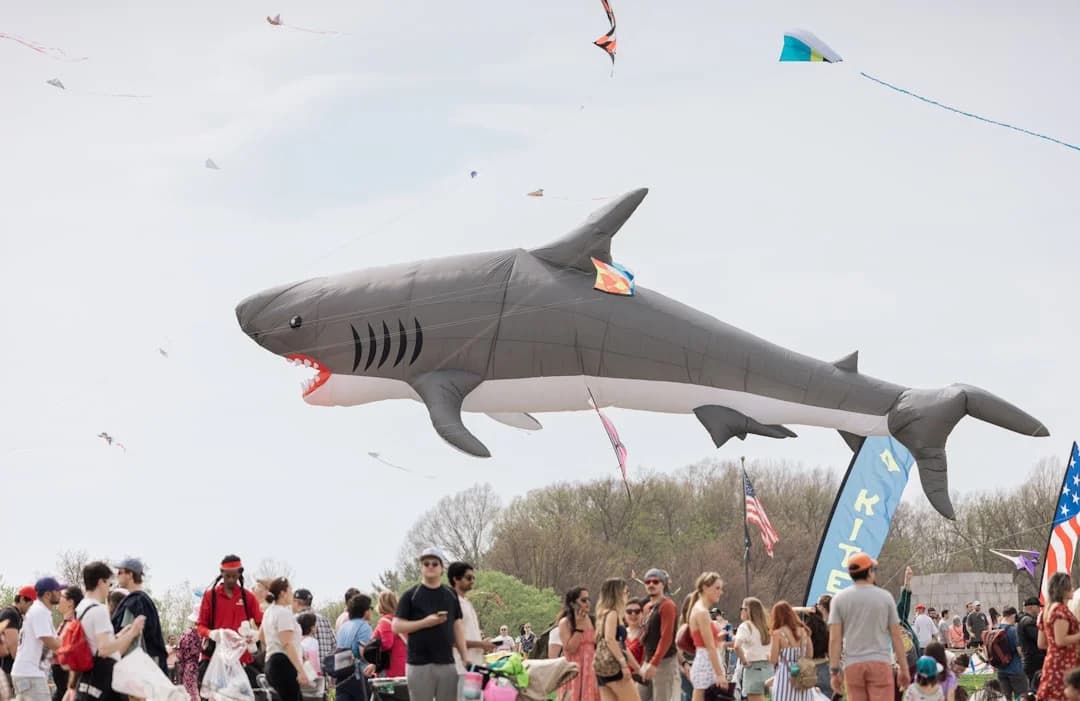
Photo by Connor Gan on Unsplash
The Pacific Rim Whale Festival 2026 is set to unfold March 14–21 across Tofino, Ucluelet, and the Pacific Rim National Park Reserve on Vancouver Island’s west coast. The event calendar, released by the Pacific Rim Whale Festival Society, confirms a week of programs that celebrate the annual migration of Pacific gray whales and strengthen the region’s coastal culture, conservation mindset, and visitor economy. For BC Times readers, this annual festival represents more than ocean-themed parades and kid-friendly activities; it’s a living case study in how coastal communities meld culture, science, and tourism into a single, data-driven itinerary. The festival’s 2026 schedule explicitly notes that the week-long program spans multiple venues in Tofino and Ucluelet and the surrounding park reserve, with a mix of free and ticketed experiences designed to attract families, tech enthusiasts, and ecotourists alike. The official calendar also highlights a “Whale Fest Special” discount with participating whale-watching operators for March 14–21, signaling coordinated marketing to drive visitation during peak migration. (pacificrimwhalefestival.com)
Beyond the public-facing calendar, the festival’s program for 2026 underlines a deliberate emphasis on technology, science communication, and Indigenous knowledge, all aimed at broadening the audience while maintaining rigorous conservation standards. One example is a technology-forward presentation on drone-based health assessments of gray whales off the west coast of Vancouver Island, part of a broader line-up that includes talks on whale health, habitat protection, and cultural teachings. This year’s slate also features hands-on workshops, nature journaling, and community cleanups, illustrating a balanced approach to education, engagement, and stewardship. The inclusion of such events reflects a broader trend in coastal event ecosystems: using accessible tech and citizen-science-informed programming to boost public understanding of marine ecosystems while supporting local economies. A notable example within the 2026 program is Flights Over Greys, a drone-based research initiative presented as part of the festival’s education track. (pacificrimwhalefestival.com)
Opening the festival with a parade and a market, the Pacific Rim Whale Festival 2026 also foregrounds the region’s Indigenous and coastal communities. The festival is described as an annual celebration of the Pacific gray whale migration to the northern feeding grounds, with events designed to educate visitors about marine life, celebrate local arts and crafts, and reinforce coastal stewardship. The event’s host communities—Tofino and Ucluelet—are underscored as part of a shared cultural landscape that includes Pacific Rim National Park Reserve and Nuu-chah-nulth Nations, with a pledge to honor local laws and traditional knowledge. This framing situates the festival not simply as a tourism occasion but as a collaborative platform for Indigenous-led education and stewardship. (pacificrimwhalefestival.com)
Section 1: What Happened
Key Dates and Venue Footprint
The Pacific Rim Whale Festival 2026 is scheduled for March 14–21, 2026, spanning the coastal towns of Tofino and Ucluelet and the Pacific Rim National Park Reserve on Vancouver Island. The official site confirms the dates and emphasizes that the festival operates across multiple venues in the two towns and the adjacent park, reflecting a distributed, community-driven program rather than a single centralized venue. The calendar page also notes that the festival features two types of events—Button Events and Ticketed Events—with a donor-style “button” system that provides access to the full range of activities once purchased. The Whale Fest Special, a promotional element encouraging participation in whale-watching tours during the festival week, is another example of coordinated, cross-venue marketing. (pacificrimwhalefestival.com)
The 2026 calendar highlights a variety of marquee events around the opening weekend, including Parade of Whales and Wonder (Tofino) on Saturday, March 14, and Baleen Bash (closing party) slated for the weekend around March 21. The parade route runs through central Tofino, with post-parade markets and exhibitions at the Tofino Community Hall. The closing Baleen Bash is described as the festival’s grand finale, taking place at the Tofino Community Hall, with headline artist details still to be announced at the time of publication. These events anchor a week that also features workshops, art nights, and family-friendly activities—demonstrating a full-immersion model that blends culture, learning, and entertainment. The festival’s calendar entries also reveal a wide array of additional events, from printmaking workshops to tidepool journaling, illustrating a dense, participatory program designed to appeal to a broad audience. (pacificrimwhalefestival.com)
Several individual events illustrate both the traditional and the tech-forward dimensions of the 2026 program. Examples include Lino Printmaking with Ivy Cargill-Martin, an Indigenous artist-led workshop designed to connect visitors with local heritage through art; Indoor Eco-Community Spring Market, a local-market hub that follows the parade; and Grey Whales in Crisis? Update with Dr. Jim Darling, a timed talk about the status of Eastern North Pacific gray whales after the Unusual Mortality Event. The latter is presented by Dr. Jim Darling, a noted marine biologist, and is staged at Remote Passages Marine Excursions on Wharf Street, illustrating how venues are integrated into the community landscape to maximize accessibility and learning impact. The calendar also lists Whales Spotting From Shore events at Amphitrite Point and other shore-based watching opportunities, which align with the festival’s broad goal of public engagement through practical, low-cost experiences. These entries underscore the festival’s approach: mix high-profile science talks with accessible, hands-on activities that invite visitors to participate in ongoing conservation conversations. (pacificrimwhalefestival.com)
Notable Events and New Additions
A standout element of the 2026 program is the explicit integration of research-oriented programming alongside cultural and recreational activities. The “Flights Over Greys” initiative, introduced as a drone-based method for assessing body condition and health indicators in gray whales, represents a direct bridge between technological innovation and marine science, offering festival attendees a firsthand look at how modern toolkits—drones, high-resolution imaging, and data analytics—are used to monitor migratory populations in nearshore habitats. The presentation’s framing within the festival’s calendar signals a broader acceptance and promotion of applied tech in conservation storytelling. The event listing notes this as an educational talk designed to introduce the public to new research methods and their implications for whale health and population monitoring. (pacificrimwhalefestival.com)
Additionally, the festival’s schedule features a Nuu-chah-nulth Teachings in Modern Time session led by Nicki Love McCarthy of Hesquiaht First Nation and Yuułuʔiłʔatḥ communities, highlighting the program’s commitment to Indigenous knowledge and cultural exchange as a core element of the week. This inclusion reinforces the festival’s role as a platform for intergenerational learning, language and cultural preservation, and contemporary relevance within environmental stewardship. The listing indicates that this session, conducted in partnership with Parks Canada’s Pacific Rim National Park Reserve, is a button event, meaning attendees can access it with festival buttons. The presence of such programming emphasizes the festival’s dual mission: celebrate natural heritage while elevating Indigenous voices in shaping conservation narratives. (pacificrimwhalefestival.com)
Other program notes demonstrate the festival’s emphasis on public participation and community collaboration. For instance, the Nature Journaling – Tidepools event offers a guided, hands-on activity in which participants capture observations about the marine environment, tying science literacy to experiential learning. The schedule also includes a Bamfield Marine Science Centre trip with Jamies Whaling Station, which blends field experiences with hands-on marine science education, providing a template for how coastal ecotourism can pair tourism with accessible, inquiry-based learning. The Bamfield trip entry, with a depart point at Jamies Whaling Station in Ucluelet and a return from Bamfield Marine Science Centre, is described as an all-ages adventure that includes a boat ride and a behind-the-scenes look at marine science facilities. The detailed logistics—departures, timings, and location logistics—illustrate the festival’s emphasis on clarity and reliability for participants. (pacificrimwhalefestival.com)
A final, high-impact element is the Baleen Bash closing party, scheduled for March 21, 2026, at the Tofino Community Hall. The event, described as the grand finale of the 38th Annual Pacific Rim Whale Festival, is expected to feature live music from a headline artist (to be announced) and ticketing, with access controlled via pre-purchased tickets. The closing party highlights the festival’s experiential dimension—music, nightlife, and community connection—while maintaining the program’s conservation and education priorities. This event, like the others, is positioned as a community-focused capstone that aggregates participants from across the region for an evening of celebration and reflection on the week’s learnings and experiences. (pacificrimwhalefestival.com)
Section 2: Why It Matters
Tourism, Community Resilience, and Economic Impacts
The Pacific Rim Whale Festival 2026 is more than a cultural and scientific celebration; it functions as a catalyst for regional tourism activity and coastal economic resilience. The festival’s cross-town footprint—Tofino and Ucluelet—means visitors are drawn to multiple anchor points across the west coast of Vancouver Island, stimulating local businesses, accommodations, restaurants, and service providers. In 2026, the festival’s calendar explicitly promotes cross-venue participation through discounted whale-tour offers for attendees bearing the 2026 festival button, a strategic move designed to boost local tourism capacity during the peak migration window. This integration of marketing across operators helps align consumer demand with service capacity, a dynamic that is particularly crucial in smaller resort towns where seasonal fluctuations can stress infrastructure. The event’s emphasis on dockside and on-land experiences—plus the option to participate in free activities such as the shore-based whale-watching programs—helps broaden the festival’s appeal to families and budget-conscious travelers, potentially increasing per-visitor spend across the week. (pacificrimwhalefestival.com)
Regional tourism officials and local media point to Vancouver Island’s broader eco-tourism strategy as a driver of sustained visitor interest in springtime coastal activities. The festival’s timing—coinciding with gray whale migration—aligns with shoulder-season travel, offering an opportunity for regional stakeholders to maintain tourism momentum beyond the summer peak. In Tofino and Ucluelet, festival programming also dovetails with other regional attractions, including Pacific Rim National Park Reserve and local cultural experiences, creating a multi-day itinerary that extends visitor stays and disperses economic activity across different neighborhoods and seasons. While precise, festival-specific economic impact figures for 2026 are still being compiled, the festival’s history of drawing thousands of attendees and spanning dozens of events across multiple venues suggests a meaningful, if seasonal, contribution to the local economy. Community organizations like the Tofino Chamber of Commerce list the festival among marquee events that shape annual tourism calendars, underscoring its role as a staple in the area’s economic and cultural landscape. (business.tofinochamber.org)
Technology, Conservation, and Public Engagement
The 2026 festival demonstrates how technology and data-driven approaches are increasingly integral to marine conservation storytelling. The Flights Over Greys presentation and related drone-based health assessment research exemplify how modern tools can provide noninvasive insights into whale body condition, fat reserves, and overall health during migration periods. This is not just a novel exhibit; it represents a growing trend in which academic and NGO partners collaborate with festival organizers to translate advanced research into accessible, audience-friendly formats. The festival’s programming thus functions as a living lab for public engagement with applied marine science, enabling residents and visitors to observe, discuss, and potentially participate in ongoing research. The inclusion of such tech-forward content—alongside traditional interpretive activities and Indigenous knowledge sessions—reflects a balanced approach to science communication that accommodates diverse audiences while maintaining rigorous standards for accuracy and ethics. Dr. Jim Darling’s presentation on gray whale status after the Unusual Mortality Event (UME) exemplifies how the festival situates local concerns within a broader, cross-border scientific narrative. (pacificrimwhalefestival.com)
From a market perspective, the festival’s dual-event structure—Button Events and Ticketed Events—offers a model for flexible monetization that can scale with demand. The Button Event model lowers the barrier to entry for attendees while providing a predictable revenue stream for organizers and partner venues. The calendar’s “Whale Fest Special” discount arrangement with participating whale-watching operators encourages cross-selling across adjacent tourism products, potentially increasing average visitor expenditures. In the context of British Columbia’s broader tourism landscape, the festival’s push toward accessible, family-friendly programming aligns with province-wide trends toward sustainable, nature-based tourism that emphasizes outdoor activity, wildlife experiences, and Indigenous-led storytelling. While macro-level tourism statistics are not broken out specifically for the Pacific Rim Whale Festival, the festival’s alignment with regional strategies and its ongoing partnerships with Parks Canada and local Indigenous communities position it as a meaningful, data-informed contributor to coastal economic vitality. (pacificrimwhalefestival.com)
Indigenous Knowledge, Cultural Preservation, and Community Empowerment
The 2026 program foregrounds Indigenous teachings and leadership as a core component of the festival’s value proposition. The Nuu-chah-nulth Teachings in Modern Time session highlights the festival’s commitment to integrating traditional knowledge with contemporary conservation science. This approach not only enriches the educational experience but also strengthens relationships with First Nations communities—an essential dimension for any event that operates within the traditional territories of Nuu-chah-nulth First Nations, including Tofino, Ucluelet, and the Pacific Rim National Park Reserve. The festival’s land acknowledgement and partnerships with the Nuu-chah-nulth nations—articulated on the official site—underscore a broader movement within Canadian ecotourism to center Indigenous stewardship as a foundation for sustainable economic and cultural development. Such integration supports long-term social license for the festival and helps ensure that tourism benefits flow to local communities in culturally respectful ways. (pacificrimwhalefestival.com)
Section 3: What’s Next
Timeline, Next Steps, and What to Watch
As we move toward March 2026, there are several concrete milestones readers should watch for. First, the official festival calendar continues to be updated with new events; the site notes that “new events may pop up in the program,” so readers should monitor the calendar regularly as March 14 approaches. The festival’s two-tier admission model (Button and Ticketed Events) means potential attendees should secure their access early, given capacity limits on some ticketed experiences. The “Whale Fest Special” discount for whale tours during March 14–21 provides a practical incentive for travelers to book ahead, and it’s a signal to operators that the festival week is a peak period for the local tourism sector. For readers planning a trip or a business alignment, staying in touch with the festival’s social channels or subscribing to press updates is advisable. (pacificrimwhalefestival.com)
Second, the calendar’s explicit emphasis on tech-enabled and science-forward programming suggests continued expansion in drone-based research demonstrations, coastal monitoring workshops, and public-facing data storytelling. The Flights Over Greys project, introduced to the festival’s program in 2026, could become a recurring feature if the partnership with researchers and local organizations endures beyond this year. Observers should look for follow-up reports or supplementary sessions that dive deeper into drone data collection methodologies, ethical considerations, and how such data translates into actionable conservation strategies. The festival’s alignment with Parks Canada and Indigenous partners also suggests ongoing collaborations on interpretation, place-based education, and habitat protection messaging, which may yield new events focused on stewardship, field science, and community engagement in the years ahead. (pacificrimwhalefestival.com)
Third, the Baleen Bash closing party on March 21 is positioned to serve as a capstone event that could influence festival branding and fundraising goals in future years. With a headline act yet to be announced, organizers may pursue strategic partnerships and sponsorships that leverage the festival’s growing profile as a premier west-coast wildlife celebration and eco-tourism magnet. For tourism businesses, the closing party signals a potential pattern: using major-night events to drive longer visitor stays and cross-market promotions, contributing to longer average stays and higher per-guest spend in the shoulder season. Local hospitality operators, transport services, and venues will likely calibrate staffing, inventory, and marketing plans around these big-ticket moments. (pacificrimwhalefestival.com)
Closing The Pacific Rim Whale Festival 2026 presents a multi-faceted opportunity for readers to observe how coastal communities blend conservation science, Indigenous knowledge, and modern tourism into a coherent, data-informed experience. The festival’s March 14–21 schedule, with a mix of high-profile talks, hands-on workshops, cultural exchanges, and public outings, demonstrates how technology and community engagement can co-create value for visitors and locals alike. The event’s emphasis on drone-enabled whale health assessments, real-time educational programs, and cross-venue marketing illustrates a broader trend toward experiential, science-based ecotourism that is both informative and economically viable for the Tofino-Ucluelet corridor. As planners continue to refine the 2026 program and track its economic and environmental outcomes, BC Times will monitor the festival’s progress and report on its impact across tourism metrics, conservation outcomes, and community partnership strength. To stay updated, readers should check the festival’s official calendar, subscribe to press updates, and follow partner organizations such as Parks Canada and Ocean Wise for complementary science and conservation news. (pacificrimwhalefestival.com)