Pattullo Bridge Replacement Opening 2026: Four Lanes Debut

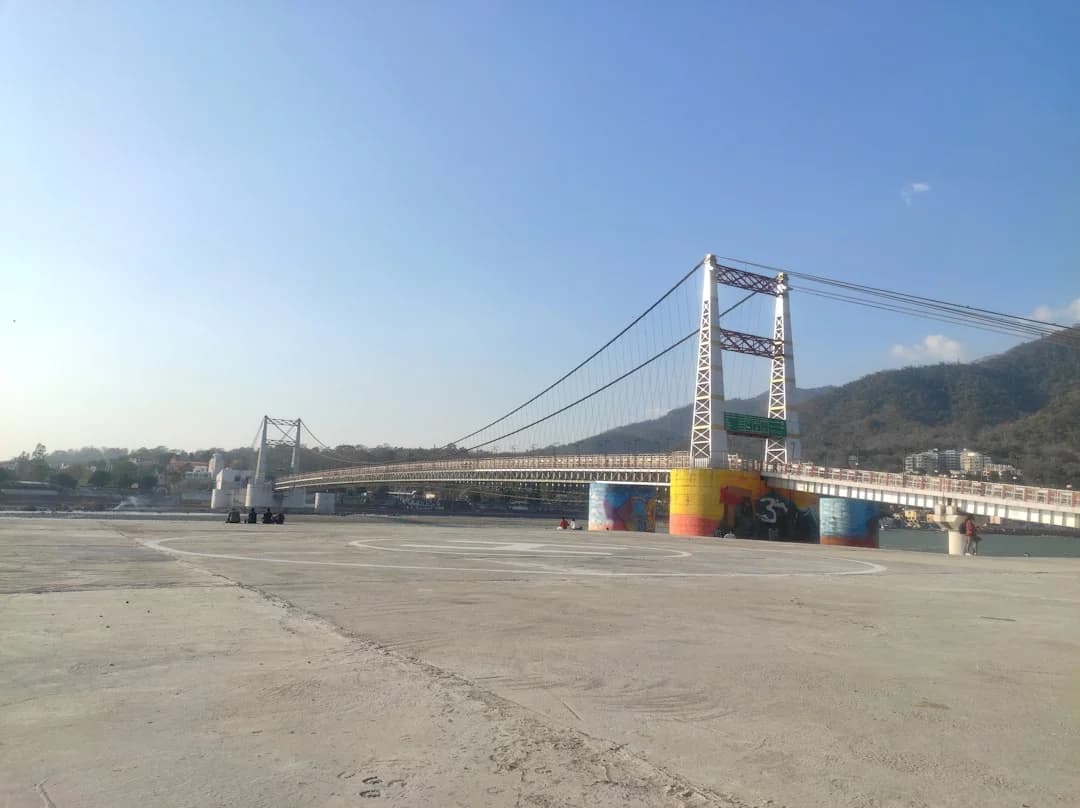
Photo by Het Suthar on Unsplash
In a milestone move for Metro Vancouver’s transportation network, the Pattullo Bridge replacement opening 2026 milestone was achieved when the stal̕əw̓asəm Bridge opened to four lanes on February 14, 2026. The new crossing, part of a long-running replacement project that reimagines the Surrey–New Westminster corridor, marks a decisive shift in how the region moves people and goods across the Fraser River. The opening came after months of preparation, temporary closures, and a carefully choreographed ramp and detour plan designed to minimize disruption while delivering a safer, more reliable crossing for decades to come. As planners highlighted, the opening of the stal̕əw̓asəm Bridge is more than a construction milestone—it signals a new era for regional mobility, with modern design features tailored to boosting safety, efficiency, and resilience in an era of growing demand. “The stal̕əw̓asəm Bridge is a new regional landmark,” summarized Transportation Minister Mike Farnworth as the project reached this milestone, underscoring the bridge’s role in shaping travel patterns for commuters, truck drivers, pedestrians, and cyclists alike. (news.gov.bc.ca)
With the four-lane opening, travelers now navigate a crossing designed to handle current volumes with improved safety margins and better multimodal access. The Provincial government’s update confirms that all four lanes on the stal̕əw̓asəm Bridge opened to vehicle traffic on Saturday, February 14, 2026, at approximately 7 a.m., while the Pattullo Bridge itself moved into deconstruction mode. The Pattullo Bridge, which opened in 1937 and linked Surrey with New Westminster for nearly a century, has been permanently closed to vehicle traffic, marking the end of an era and the completion of a two-bridge transition that reshapes the regional transit spine. The same update notes that pedestrians and cyclists will still access the replacement network via dedicated paths, with some paths opening to walkers and riders later in spring 2026 as connections are completed. (news.gov.bc.ca)
Opening paragraphs are followed by a detailed look at what happened, why it matters, and what comes next. This coverage adheres to a data-driven, neutral perspective, focusing on verifiable milestones, timelines, and the practical implications for readers across the region.
What Happened
Timeline of the Pattullo Bridge Replacement
The Pattullo Bridge replacement project has unfolded over more than a decade, with official planning and corridor studies dating back to the mid-2010s. In June 2014, regional authorities determined that the existing Pattullo Bridge would be demolished and replaced with a new four-lane crossing, a decision that set the course for decades of planning and construction. By 2024, the project’s visibility and urgency had risen, as provincial and municipal partners sought to advance the replacement amid age-related structural concerns and evolving safety standards. Contemporary reporting confirms that late-2025 had been identified as a target opening window for the new structure, reflecting a shift from earlier schedules amid complex construction logistics and supply chain realities. ENR’s coverage of the late-2025 target emphasizes that the new bridge would open toll-free and include separated pedestrian and cycling paths on both sides, with demolition of the Pattullo Bridge to occur concurrently with the new crossing’s ramp and connection work. While that late-2025 projection framed expectations, the project advanced to a precise February 2026 opening for the four-lane stal̕əw̓asəm Bridge, along with the permanent closure of the Pattullo Bridge to vehicle traffic. (enr.com)
Concrete milestones in February 2026 included the decision to permanently close the Pattullo Bridge to vehicle traffic on February 14, 2026, as crews redirected traffic onto the new stal̕əw̓asəm Bridge. The New Westminster and Surrey corridors saw coordinated detours, with the new bridge’s four lanes opening at roughly 7 a.m. on February 14 and with a staged decommissioning of the old structure beginning soon after. This sequence was reflected in official project notices, including the Pattullo Bridge Replacement Project’s own February 13, 2026 update, which stated that access to the stal̕əw̓asəm Bridge would be available via McBride Boulevard and the new Royal Avenue on-ramp in New Westminster and King George Boulevard in Surrey, while the Pattullo Bridge would close for deconstruction. The update also notes that deconstruction would proceed in phases with roadway detours signposted to guide drivers through the transition. (pattullobridgereplacement.ca)
The opening of the stal̕əw̓asəm Bridge is not just about the moment of four lanes becoming available; it also marks the transition toward a broader, multi-year program of deconstruction and site consolidation. The BC government’s release underscores that with the stal̕əw̓asəm Bridge now fully open, Pattullo Bridge demolition has begun, and crews are actively removing sections of the old structure to realize new road connections and multi-use paths. The process is designed to minimize disruption while delivering essential improvements such as a modern seismic-resilient design, barrier-separated walking and cycling facilities, and safer lane configurations. The project’s details emphasize a toll-free four-lane design intended to accommodate current volumes and future growth in the corridor. The combination of four lanes and enhanced pedestrian/cyclist facilities is central to the project’s aim of improving safety, reliability, and efficiency for all users. (news.gov.bc.ca)
Key factual details about the stal̕əw̓asəm Bridge design and immediate post-opening operations include:
- Four wider lanes with a central median and barrier-separated walking and cycling lanes on both sides, optimized for safety and efficiency. This configuration supports a more robust multi-modal network than the Pattullo Bridge previously offered. (news.gov.bc.ca)
- The bridge’s opening includes a phased approach to pedestrian and cyclist access, with routes and paths to be completed in spring 2026. A dedicated multi-use path connection will be added on the east side, with additional access planned in the weeks and months following the opening. (news.gov.bc.ca)
- On-ramp and detour changes occurred as part of the transition; notably, the on-ramp from Columbia Street to the stal̕əw̓asəm Bridge was scheduled to open in summer 2026, with a series of detours and temporary closures in place to keep traffic moving through the corridor during deconstruction. This schedule is documented in Pattullo Bridge Replacement Project communications. (pattullobridgereplacement.ca)
From the infrastructure side, the replacement project has documented its phased pace. The Columbia Street loop ramp to the Pattullo Bridge closed on February 14, 2026, and Columbia Street between McBride Boulevard and Elliot Street saw a temporary four-to-six-week local closure beginning February 26, with detours directing drivers to alternative routes such as Royal Avenue or Front Street. These detours were intended to limit disruption while the replacement networks were connected to the stal̕əw̓asəm Bridge and the new Columbia on-ramp. All these details appear in official project communications and the City of New Westminster’s roadworks pages. (newwestcity.ca)
Key Facts About the stal̕əw̓asəm Bridge
The stal̕əw̓asəm Bridge—also known as the Riverview Bridge in English—represents the central feature of the Pattullo Bridge replacement project. Its four-lane configuration, toll-free status, and modern design are repeatedly highlighted by provincial and municipal authorities. The project’s name, stal̕əw̓asəm, translates to “a space where you can view the river,” a reflection of the bridge’s strategic location along the Fraser River corridor and its cultural recognition of local First Nations—Musqueam Indian Band and Kwantlen First Nation. The official naming and design details appeared in government communications and project updates, which note that the bridge was designed with modern seismic, structural, and roadway standards to better serve a growing region. The public updates also emphasize that while four lanes were opened on the stal̕əw̓asəm Bridge on February 14, pedestrians and cyclists would have access to newly connected paths in spring 2026, reinforcing the project’s emphasis on multimodal mobility. (news.gov.bc.ca)
In addition to lane geometry and multimodal facilities, the project’s communications establish the replacement as toll-free, a significant distinction from many large bridge projects that rely on tolls to amortize construction costs. The toll-free status is an important element of public acceptance and user experience as commuters adapt to the new crossing. The project materials and TransLink communications confirm this characteristic of the stal̕əw̓asəm Bridge, reinforcing the goal of broad accessibility across the region. (newwestcity.ca)
Traffic Shifts and Access Changes
With the stal̕əw̓asəm Bridge fully opening, traffic patterns across the corridor shifted dramatically. The Pattullo Bridge’s permanent closure to vehicle traffic—announced in February 2026—means that all cross-river traffic must use the new crossing for vehicle movements between Surrey and New Westminster. The official notices emphasize that detour routes and detours will be clearly signposted, with traffic control personnel deployed to assist as needed. This rapid transition required a coordinated approach from city authorities, TransLink, and the Province to minimize congestion and ensure safety for motorists, cyclists, and pedestrians at a time when road networks were undergoing significant reconfiguration. A key detail is the ongoing connection work for pedestrian and cyclist paths, with the east-side multi-use path to be available in spring 2026, complementing the four-lane vehicle crossing. (newwestcity.ca)
The on-ramp connections and local detours have been a focal point for the weeks surrounding the opening. For example, the Pattullo Bridge Replacement Project’s February 13 update outlines the on-ramp and detour arrangements, including the temporary closure of the Columbia Street loop ramp to the Pattullo Bridge and the temporary local closure of Columbia Street between McBride Boulevard and Elliot Street for several weeks. Traffic will be diverted to alternate routes, and local access to businesses along Columbia Street will be maintained. These specifics illustrate how governments managed a complex transition to support both through-traffic and local access as the replacement project was completed. (newwestcity.ca)
The result is a revised mobility landscape for the region. The stal̕əw̓asəm Bridge’s four-lane configuration and the pedestrian/cyclist accommodations are expected to reduce bottlenecks, shorten commute times for certain corridors, and improve consistency of travel times across the Fraser River. TransLink and the Province indicate that the new crossing aligns with broader regional mobility strategies, including improved goods movement efficiency and enhanced safety for all users. As the project progresses into subsequent phases—such as final connections for multi-use paths and roadworks around the Columbia on-ramp—the transportation system will continue to adapt to shifting traffic flows and the ongoing decommissioning of the Pattullo Bridge. (translink.ca)
Why It Matters
Mobility Improvements and Regional Connectivity

Photo by Michel Meuleman on Unsplash
The Pattullo Bridge replacement opening 2026 marks a fundamental upgrade in regional connectivity. The stal̕əw̓asəm Bridge’s design—four lanes with a central median and barrier-separated walking and cycling lanes on both sides—addresses long-standing capacity challenges and safety concerns associated with the former Pattullo Bridge. By expanding the crossing to four lanes and adding dedicated walking and cycling facilities, the project enhances multimodal travel options and supports a more resilient transportation network. Provincial communications emphasize that the replacement aligns with modern seismic and roadway design standards, improving reliability for both commuters and freight movements across the Fraser River. These improvements are expected to yield measurable benefits in travel times, safety outcomes, and the overall efficiency of the regional road network. (news.gov.bc.ca)
The transition to a toll-free, four-lane bridge also has broader economic and logistical implications. A toll-free crossing lowers the direct cost of cross-river trips for residents and businesses, potentially influencing traffic volumes and route choices in nearby corridors. While tolling policies for large crossings are often a point of debate, the project’s stated objective has been to deliver an accessible, efficient crossing without ongoing toll revenue collection on this particular alignment. The Engineering News-Record coverage of late-2025 targets documents these toll-free expectations and the project’s broader cost structure, which is relevant for understanding the market and public policy context surrounding the replacement. (enr.com)
The new bridge’s effect on goods movement cannot be overstated. The stal̕əw̓asəm Bridge is a crucial link for regional supply chains, enabling more predictable truck routes between Surrey, New Westminster, and points beyond. The official project communications emphasize that improved cross-river reliability supports the movement of goods to and from West Coast ports and inland distribution hubs, helping to reduce delays and the risk of lane-for-lane conflicts during peak periods. These shifts are particularly important for industries that rely on just-in-time delivery schedules, manufacturing supply chains, and regional retail networks. In short, the Pattullo Bridge replacement opening 2026 is not merely a local milestone—it has implications for the regional economy and the broader logistical ecosystem that keeps the Lower Mainland operating smoothly. (news.gov.bc.ca)
Cultural Recognition and Indigenous Partnerships
A notable dimension of the Pattullo Bridge replacement project is its naming and cultural recognition. The stal̕əw̓asəm name (meaning “a space where you can view the river”) is part of a broader effort to acknowledge Indigenous presence and stewardship in the project area. The naming reflects collaboration with Musqueam Indian Band and Kwantlen First Nation, and the bridge’s identity incorporates First Nations art and language elements on crossbeams and through public communications. This cultural dimension matters beyond symbolism: it signals a broader trend toward embedding Indigenous perspectives in major infrastructure projects, with potential long-term impacts on design processes, community engagement, and local acceptance. The official communications underline this dimension, highlighting the name and its significance as part of a broader community partnership. (news.gov.bc.ca)
Public Safety and Resilience Considerations
From a safety and resilience standpoint, the replacement project prioritizes modern design standards. The new stal̕əw̓asəm Bridge’s lane geometry, barrier separation for pedestrians and cyclists, and seismic-ready construction collectively contribute to reducing risk exposure for users and enhancing the corridor’s resilience to natural hazards and heavy traffic. The project’s communications emphasize improved safety for all users and better alignment with contemporary traffic engineering practices. In addition, the decommissioning of the Pattullo Bridge—while a complex process—removes an aging structure from service and reduces the likelihood of unplanned closures caused by structural concerns. The combination of a modern crossing and the controlled, phased demolition of the old bridge supports a safer, more predictable transportation system for the region. (news.gov.bc.ca)
Community Impacts and Local Access
Local communities along the corridor have been watching this project closely for years, and the opening of the stal̕əw̓asəm Bridge has immediate implications for neighborhoods on both sides of the Fraser River. Residents and business owners faced temporary disruptions during the closure and demolition, yet the long-term trajectory points toward improved access, reliability, and safety. The City of New Westminster and TransLink have emphasized ongoing construction updates and detour information to support those who live or work near the construction zones. The on-ramp openings and detour schedules discussed in project notices illustrate how regional authorities have managed local access issues as the replacement progressed. As spring progresses into summer 2026, the opening of the east-side multi-use path and the Columbia Street on-ramp connection is expected to further integrate the new crossing into the city’s active transportation network. (newwestcity.ca)
What’s Next
Ongoing Deconstruction and Roadway Connections
With the stal̕əw̓asəm Bridge fully open, the Pattullo Bridge replacement project continues with the deconstruction of the old Pattullo Bridge, the completion of remaining road connections, and the integration of multi-use paths across the corridor. According to official notices, removal work will proceed in phases, starting with a section of the Pattullo Bridge over Columbia Street and the construction of the new Columbia on-ramp and E. Columbia multi-use path overpass. This phased approach aims to keep traffic flowing where possible while accelerating the removal of the old structure and the finalization of new connections. The communications also specify that the Columbia Street loop ramp closure begins on February 14, while a local closure of Columbia Street between McBride Boulevard and Elliot Street is planned for late February into early spring, with detours in place. The timing and sequencing reflect a careful balance between progress and stability for local businesses and residents. Pattullo Bridge Replacement Project materials provide the most explicit details on timing, detours, and next steps. (newwestcity.ca)
The on-ramp from Columbia Street, the East Columbia multi-use path, and related pedestrian/cyclist routes are scheduled to connect in spring and summer 2026, with a final layout that supports a continuous active transportation network between Surrey and New Westminster. The project’s communications also note that access for pedestrians and cyclists on the east side will open in spring 2026, while continued path connections and shuttle options for cyclists may be used during interim periods. This phased approach aligns with a broader public transportation and active transportation strategy for the region, increasing the potential for non-vehicular mobility to complement improved vehicle flow across the river. (news.gov.bc.ca)
Timing, Updates, and What to Watch For
As the replacement project moves into its next stage, readers should stay alert for updates from multiple sources, including BC Gov News, TransLink, and the Pattullo Bridge Replacement Project website. The official pages provide the most reliable, up-to-date information on traffic patterns, detours, and upcoming openings, including pedestrian and cyclist access changes and the status of demolition work. In particular, the Pattullo Bridge Replacement Project site’s active transportation updates and the on-ramp opening timeline serve as essential references for residents who plan trips that involve the Columbia Street corridor. The project materials emphasize that detours and temporary changes will be signed and monitored, with transportation authorities available to assist as needed. As the region continues to adapt to the new four-lane stal̕əw̓asəm Bridge, readers should watch for announcements regarding the finalization of pedestrian paths, the opening of additional connections, and any adjustments to traffic management plans. (pattullobridgereplacement.ca)
What Readers Should Watch For
- Spring 2026: Opening of the east-side multi-use path connections to the stal̕əw̓asəm Bridge. This phase is critical for pedestrians and cyclists who rely on safe, separated routes between Surrey and New Westminster. The government release confirms that pedestrians and cyclists will gain access via the east side path in spring 2026, with additional path connections to follow. (news.gov.bc.ca)

- Summer 2026: Columbia Street on-ramp to the stal̕əw̓asəm Bridge is planned to open, enabling smoother access from points along East Columbia and adjacent streets. This milestone is documented in Pattullo Bridge Replacement Project communications. (pattullobridgereplacement.ca)
- Late 2026 and beyond: Deconstruction of the Pattullo Bridge continues, with removal expected to take approximately two years from the opening of the stal̕əw̓asəm Bridge. Those familiar with the project know that demolition activities will continue into 2027 as connections to the new roadway network are finalized and the old structure is removed. The government’s update confirms a multi-year demolition window and ongoing site work. (news.gov.bc.ca)
Closing
The Pattullo Bridge replacement opening 2026 represents a landmark upgrade for the Lower Mainland’s transit and logistics infrastructure. By delivering a four-lane, toll-free stal̕əw̓asəm Bridge with dedicated walking and cycling facilities, provincial and municipal partners have sought to enhance safety, reliability, and multimodal mobility across one of the region’s most contested river crossings. The opening of the four lanes on February 14, 2026, coupled with the Pattullo Bridge’s permanent closure to vehicle traffic and the ongoing demolition, marks the culmination of years of planning, negotiation, and hard-fought execution. As readers in BC Times, readers across Metro Vancouver will continue to observe how this new crossing reshapes travel times, congestion patterns, and the region’s overall movement of people and goods. Stay tuned to official channels for updates on pedestrian and cyclist access, road detours, and new connections as spring 2026 unfolds into summer and beyond. For ongoing details, consult pattullobridgereplacement.ca and DriveBC for current traffic patterns and detours, along with BC Gov News releases for the latest milestones and milestones. (news.gov.bc.ca)
As BC’s transportation story evolves, the stal̕əw̓asəm Bridge will continue to play a central role in shaping how residents, commuters, and businesses navigate one of Canada’s most dynamic regions. The opening is more than a date on a calendar; it is a signal of progress toward a safer, more connected province where infrastructure investments align with growing regional demand and a resilient, future-ready transportation system.