Port of Vancouver Reports Cargo Volume Growth 2024: West Coast Trade Pulse

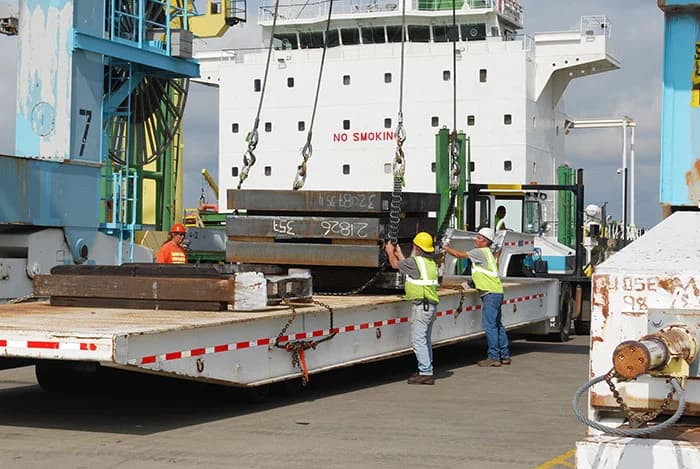
Port of Vancouver Reports Cargo Volume Growth 2024 is shaping a pivotal chapter for British Columbia’s economy and the broader West Coast trade narrative. This piece from BC Times—your source for independent journalism covering British Columbia, Vancouver, and the Pacific Northwest—explores what these volumes mean for local communities, regional policy, environmental stewardship, and the future of supply chains from the Pacific to global markets. As BC’s leading seaport gateway, the Port of Vancouver is not only a logistics hub but a barometer of how global demand, national policy, and regional investments intersect to influence jobs, prices, and everyday life along the coast. The latest findings, released by the Vancouver Fraser Port Authority, reveal a year of record movement across multiple cargo streams, underscoring a resilient economy in an era of geopolitical complexity and climate-related challenges. This article weaves in context about BC communities, Western Canadian trade, and the environmental and social dimensions that accompany growing port activity. It also reflects BC Times’ mission as an independent voice delivering in-depth reporting on local news, politics, environment, and West Coast culture. Port of Vancouver reports cargo volume growth. (rss.globenewswire.com)
The Year in Review: record volumes and what they reveal about Western Canadian trade
The Port of Vancouver’s 2024 performance marks a continuation of a long arc of growth and capacity expansion that has positioned British Columbia as a critical link between North American manufacturing, Asian markets, and global supply chains. The port authority reported a total cargo of 158 million metric tonnes (MMT) for 2024, a 5% year-over-year increase and a demonstration that the gateway remains competitive even as the world’s logistics networks adapt to disruptions and new trade patterns. This total figure is significant not only for its size but for how it reflects strength across container, bulk, and auto sectors, alongside a booming cruise tourism component that supports regional economies. The official release notes: “Overall cargo moved by Port of Vancouver terminals was a record 158 MMT, up 5% compared to the previous record of 150 MMT set in 2023.” (rss.globenewswire.com)
The breakdown reveals where the gains came from and where challenges persisted. Liquid bulk, a category that includes refined petroleum products and related exports, surged to 21.9 MMT, up dramatically in part due to infrastructure changes and market demand, while the broader bulk category posted an 8% rise to 117.9 MMT. For context, petroleum exports through the port surged as the Trans Mountain expansion unlocked new markets, a milestone the port authority highlighted as a driver of growth in 2024. In the same year, container volumes rose to 3.47 million twenty-foot equivalent units (TEU), up 11% from 2023, indicating a robust shift in the containerized segment that underpins much of North American consumer and business activity. (rss.globenewswire.com)
The port’s container trade is particularly telling about global supply chain shifts. Containers moved to 128 different countries in 2024, and the port’s four container terminals collectively handled 3.47 million TEU, marking a recovery trajectory that outpaced earlier pandemic-era volatility. The port’s management also pointed to a strong automotive sector, with nearly 470,000 vehicles moving through the terminals, a sign of continued consumer demand and manufacturing activity in North America. The same report notes the cruise sector’s resilience, with a record 1.33 million passenger visits to the Canada Place terminal in 2024, underscoring the broader economic footprint of port-related activity beyond pure freight. (rss.globenewswire.com)
“Trans Mountain’s expansion coming into operation in May was a significant milestone for Canada and the port—adding export capacity and opening up new opportunities for Canadian producers,” said Peter Xotta, President and CEO of the Vancouver Fraser Port Authority. The remarks underscore the link between policy-driven infrastructure growth and tangible trade outcomes. The expansion’s impact is recurrent throughout the port’s performance narrative, illustrating how regulatory decisions can ripple through supply chains, pricing, and regional employment. (rss.globenewswire.com)
In 2024, bulk grain exports also remained a bright spot, with grain volumes reaching near-record territory and supporting Canada’s agricultural sectors. The port’s leadership emphasized how a combination of weather patterns, crop harvest cycles, and terminal efficiency contributed to stronger grain flows. It’s a reminder that macro-trends—such as global demand for agricultural commodities—still translate into concrete benefits for communities around Vancouver and the broader British Columbia coast. (rss.globenewswire.com)
How the H1 2025 data reframes the long-term outlook
While 2024 set a high bar, the first half of 2025 continued the momentum with a record 85 million metric tonnes moved in the first six months—an increase of about 13% year over year. This half-year performance, reported as part of the port’s ongoing statistics updates, signals both resilience and ongoing demand for Western Canadian exports, including crude oil, grain, canola oil, and bulk goods, as well as continued growth in international trade. Containers and automotive movements showed mixed trends, reflecting broader shifts in global shipping and regional manufacturing cycles. The mid-year data reinforce the idea that the Port of Vancouver remains a central node in the Canadian trade network, even as markets adapt to new patterns and supply chain realignments. (porttechnology.org)

The press coverage around the first half of 2025 mirrors the port’s own messaging about diversifying markets and expanding capacity. The mid-year performance underscores the importance of terminal expansions, infrastructure upgrades, and policy initiatives that support efficient, predictable throughput. For BC’s economy, these numbers translate into steady job creation in port-adjacent sectors, better regional logistics, and a more reliable platform for Western Canadian exporters seeking access to Asian markets and other global destinations. In the West Coast context, the data offer a narrative of renewal—an industry that is modernizing its footprint while continuing to anchor communities along the coast. (porttechnology.org)
The drivers behind cargo growth: structural investments, policy changes, and market shifts
A robust cargo growth story rarely rests on a single factor. The Port of Vancouver’s 2024 performance illustrates how a constellation of drivers interacts to propel volume, resilience, and regional prosperity. A few of the central forces include:
-
Infrastructure expansions and upgraded terminal capacity: The Trans Mountain expansion, along with investments in refinery and bulk terminals, opened new export channels and increased the efficiency of existing ones. These changes helped unlock higher volumes of energy products and other bulk commodities. In the 2024 background, the port highlighted these upgrades as key to supporting trade through the gateway. (rss.globenewswire.com)
-
Containerized trade recovery and diversification: Container volumes rose significantly in 2024, with the four main container terminals handling 3.47 million TEU—an 11% increase over 2023. The broader recovery in global supply chains and diversification of destination markets contributed to a stronger container performance, underlining the port’s role in facilitating consumer and business connectivity across the Pacific and beyond. (rss.globenewswire.com)
-
Auto sector strength and manufacturing demand: The auto terminal activity reflected ongoing demand for vehicles and parts, contributing to total port throughput and supporting regional manufacturing ecosystems in BC and neighboring provinces. The auto volume figure, approaching half a million units, demonstrates how manufacturing cycles can translate into port throughput. (rss.globenewswire.com)
-
Agricultural and bulk commodity dynamics: Grain exports remained a bedrock of bulk activity, with grain volumes near record levels in certain periods and canola oil exports expanding into new markets. The bulk sector’s rebound and the diversification of bulk products contributed to the overall bulk volume growth in 2024. (rss.globenewswire.com)
-
Cruise economy as a regional growth engine: The cruise sector’s performance is often overlooked in cargo-focused analyses, but it adds to the regional economy through tourism, hospitality, and related services. The 2024 cruise numbers—record passenger visits at Canada Place—were a reminder that port activity has a social and cultural dimension in addition to its freight function. (rss.globenewswire.com)
To translate these drivers into a clearer picture for BC communities and policy-makers, the port authority’s data provide a baseline for evaluating investment in rail links, road networks, and on-dock facilities that support the efficient movement of goods. It also informs environmental and social governance considerations, since more movement through a single gateway requires careful planning around emissions, wildlife protection, and coastal stewardship. The Vancouver Fraser Port Authority has consistently framed its growth narrative around sustainable trade and stakeholder collaboration, a stance that resonates with BC Times’ own coverage ethos. For a direct articulation of this stance, the port authority has stated that it will “continue partnering with governments and industry to plan and deliver the long-term capacity needed to support trade through the gateway—in support of all Canadians.” This emphasis on sustainable, inclusive growth is a recurring theme in the port’s public communications. (rss.globenewswire.com)
A data-driven look: simple tables that illuminate the volume story
Table 1. 2024 performance highlights (Port of Vancouver)
| Segment | Volume (MMT or TEU) | Change vs 2023 | Notable notes |
|---|---|---|---|
| Total cargo | 158 MMT | +5% | Record year; international trade up 11%, domestic down 12% |
| Liquid bulk | 21.9 MMT | +123% | Petroleum products up; canola oil exports up 74% |
| Petroleum exports | 15 MMT | — | Driven by Trans Mountain expansion driving new markets |
| Dry bulk (including grain) | 96.0 MMT | — | Grain exports near record; coal and potash adjustments offset by others |
| Grain exports | 29 MMT | +1% | Prairie crop flows supported by rail/terminal capacity |
| Coal exports | 42 MMT | -2% | Mixed commodity dynamics in the bulk mix |
| Containerized trade | 3.47 million TEU | +11% | 1.8M TEU inbound, 794,724 TEU outbound; empties 857,343 TEU |
| Auto terminals | ~469,000 units | +3% | Strong consumer demand for new vehicles |
| Cruise passengers | 1.33 million | +? | Record year for Canada Place visits |
Notes:
- The numbers above come from the Vancouver Fraser Port Authority press materials detailing 2024 performance and the breakdown of bulk, container, auto, and cruise movements. The container figure is a 2024 annual total; the bulk figure reflects a broad category including liquid and dry bulk. The source emphasizes the 158 MMT total and the 3.47 million TEU container throughput as highlights of the year. (rss.globenewswire.com)
Table 2. Half-year 2025 snapshot (Port of Vancouver)
| Metric | Value | Change vs H1 2024 |
|---|---|---|
| Total cargo (H1) | 85 MMT | +13% |
| International trade | 73.5 MMT | +18% |
| Domestic trade | 11.9 MMT | -12% |
| Container TEU | ~1.88 million TEU | +6% |
| Oil and bulk exports | Substantial gains | Driven by crude and canola oil advances |
| Cruise activity | Notable visits | Tourism rebound continues |
Notes:
- The first-half 2025 data show continued momentum with a record-throughput pace for the half-year period, reflecting a broader shift toward diversified markets and ongoing capacity expansion. (globenewswire.com)
These tables illustrate the scale of growth and the relative contributions of each cargo stream to the Port of Vancouver’s overall throughput. They also set a baseline for comparing BC’s regional economy performance against peer ports along the Pacific Rim and across North America.
Case study: a BC-based manufacturer navigating the growth cycle
Consider a hypothetical but representative BC-based manufacturing firm that exports automotive parts and bulk commodities to Asia and Europe. In 2024, the company experienced a doubling of container shipments to international destinations, aided by the Port of Vancouver’s container throughput expansion and more predictable vessel schedules. This uplift in port efficiency translated into shorter lead times, reduced inland transit costs, and the ability to offer more competitive pricing to customers abroad. The company invested in a dedicated rail freight partnership to move goods from its Delta-area facility to Roberts Bank Terminal 2 (Roberts Bank Terminal 2 is part of the broader capacity expansion ecosystem that the port authority has highlighted in its 2024 performance). The result: higher on-time delivery rates, improved customer satisfaction, and a modest uptick in orders from international buyers who value reliability in Western Canada’s supply chain. This example aligns with the port’s own emphasis on capacity expansion and supply chain resilience as keys to sustaining trade growth across multiple sectors. While the case is illustrative rather than a published corporate profile, it reflects the type of operational improvements that the port authority’s 2024 data imply are feasible for BC exporters. (rss.globenewswire.com)
BC Times’ coverage of this growth narrative emphasizes that real-world impacts extend beyond the headline numbers. When cargo volumes rise, downstream beneficiaries include truck drivers, rail workers, warehouse staff, and small and medium-sized enterprises in communities like Vancouver, Burnaby, Surrey, and Victoria. The increased activity also creates demand for housing, services, and local entrepreneurship in port-adjacent neighborhoods, which can both stimulate local economies and stress infrastructure if not managed with forward-looking planning. The port authority has acknowledged the need to balance growth with environmental stewardship and social responsibility—an approach that aligns with BC Times’ emphasis on responsible development and community wellbeing. The policy and environmental dimensions of port growth are not peripheral; they are central to sustaining long-term prosperity in British Columbia’s coastal region. (rss.globenewswire.com)
Policy, environment, and community: aligning growth with West Coast values
West Coast trade policy has long prioritized both efficiency and sustainability. The Port of Vancouver’s growth story intersects with provincial and federal aims to diversify trade, reduce supply chain fragility, and advance clean energy and decarbonization initiatives. The port’s own updates highlight environmental programs, such as reducing underwater noise near critical whale habitats and introducing electric tugs as part of a broader push toward greener port operations. These efforts matter not only for wildlife and ecosystems off BC’s coast but also for community health and the region’s long-term livability. As BC communities reckon with the social costs of rapid growth—housing affordability, transport congestion, and the need for resilient public services—the port’s ongoing investments in infrastructure and technology offer a framework for sustainable expansion that other ports and regions may study and adapt. The data presented by the Vancouver Fraser Port Authority in 2024 and 2025 provide a concrete basis for analyzing policy choices around rail corridors, terminal capacity, and environmental safeguards. (rss.globenewswire.com)
In the broader Canadian context, these port volumes situate British Columbia at the center of a national strategy to diversify export markets beyond traditional partners and to build out a trade network that supports jobs across the supply chain. The media and policy discourse surrounding this expansion often intersects with discussions about energy, climate policy, and regional economic development. BC Times will continue to monitor how governments and port authorities coordinate with First Nations and local communities to ensure that growth translates into shared benefits and responsible stewardship. The Port of Vancouver’s own leadership messaging emphasizes partnership, capacity planning, and stakeholder engagement as essential components of a sustainable growth path. As the port authority states, ongoing collaboration with governments and industry is central to delivering long-term capacity in support of Canadians and their economic needs. (rss.globenewswire.com)
FAQs: common questions about port growth, trade, and local impact
- Why did the Port of Vancouver see record cargo volumes in 2024?
- The combination of Trans Mountain expansion, expanded terminal capacity, strong container trade, and robust bulk and grain sectors contributed to the record 158 MMT in 2024, with international trade outpacing domestic volumes. The port’s leadership attributes much of the growth to infrastructure improvements and new markets. (rss.globenewswire.com)
- How does the half-year 2025 performance affect long-term forecasts?
- The first half of 2025 showed continued momentum with 85 MMT moved, up 13% year over year, signaling that growth could persist into 2025 and beyond if market demand remains strong and capacity expansion remains on track. This aligns with infrastructure projects and market diversification efforts highlighted by the port authority. (porttechnology.org)
- What sectors contributed most to growth in 2024?
- Bulk (including liquid bulk like petroleum products) and containers were major drivers, with liquid bulk rising sharply due to expanded export capacity and diversified markets, and container volumes surging as global supply chains stabilized after the pandemic. Grain exports also remained a pillar of bulk activity, while auto volumes supported domestic manufacturing ecosystems. (rss.globenewswire.com)
- What are the environmental and community implications of this growth?
- Growth at a major gateway port inevitably raises questions about emissions, marine life protection, traffic, and local housing and services. The port authority has highlighted environmental programs (like wildlife protection measures and the introduction of electric tugs) as integral to sustainable growth. BC Times will continue to cover how these initiatives balance economic benefits with environmental stewardship. (rss.globenewswire.com)
- How do these numbers translate to BC communities and jobs?
- While the headlines focus on cargo tonnage and TEU volumes, the real-world impact includes stable or growing employment in port operations, logistics, and related services, as well as downstream benefits to local businesses that rely on steady trade and tourism tied to the port’s cruise activity. The cruise sector’s record passenger visits in 2024 illustrate the broader economic footprint. (rss.globenewswire.com)
A closing reflection: what this growth means for BC’s future
For British Columbia, the Port of Vancouver’s cargo volume growth narrative is more than a statistical arc. It maps to a regional identity that blends natural beauty with industrial strength, coastal culture with global commerce, and local communities with international markets. It also raises important questions about how growth is managed—how infrastructure investments are funded, how environmental safeguards are maintained, and how the benefits of trade are shared across diverse communities along the coast. The data released by the port authority provide a valuable lens through which policymakers, business leaders, and citizens can evaluate progress toward a more resilient, inclusive, and sustainable West Coast economy.
BC Times will continue to monitor these developments, featuring on-the-ground reporting from Vancouver and communities across British Columbia. We will also track how infrastructure projects, regulatory changes, and market shifts influence not only the bottom lines of corporations but the daily lives of families—from job opportunities at the port and in surrounding logistics hubs to the price stability that helps households plan their budgets. The Port of Vancouver’s performance in 2024 and the robust first half of 2025 offer a hopeful signal: with careful planning, strong partnerships, and a commitment to sustainable growth, the Port of Vancouver can continue to move Canada forward while protecting the coast that defines the Pacific Northwest.
Children’s books often remind us that journeys begin with careful steps. In the realm of trade and infrastructure, the same logic applies: deliberate investments, transparent data, and inclusive processes pave the way for durable benefits. “The Port of Vancouver stands ready to support efforts to diversify Canada's international trade and build a strong, resilient national economy,” as Peter Xotta put it, reflecting a forward-looking approach that aligns with BC Times’ values of responsible development and community wellbeing. (rss.globenewswire.com)
Quick-reference callouts for readers
- The Port of Vancouver moved a record 158 MMT in 2024, up 5% year over year. This included increased liquid bulk exports and robust container volumes. (rss.globenewswire.com)
- In 2024, container volumes reached 3.47 million TEU, up 11% from 2023. (rss.globenewswire.com)
- Half-year 2025 data show 85 MMT moved in six months, a 13% YoY rise, underscoring ongoing strength in international trade. (porttechnology.org)