Regenerative Tourism Vancouver Island: a New Blueprint

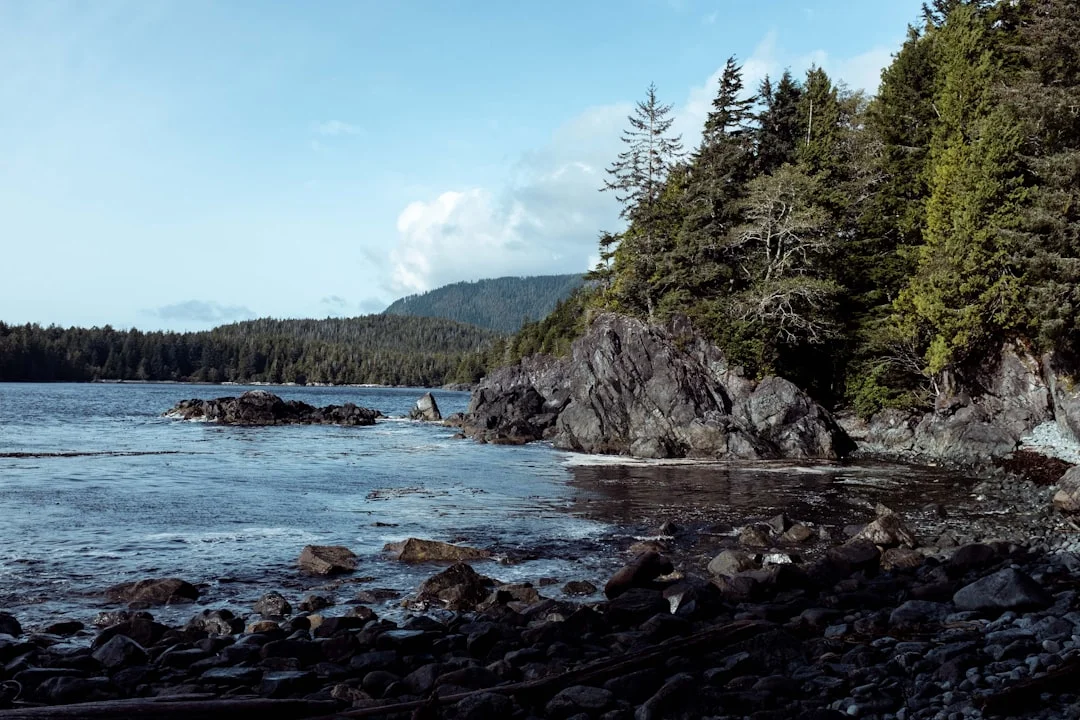
Photo by Jan Kronies on Unsplash
Vancouver Island is emerging as a testing ground for regenerative tourism, where destinations aim not only to minimize harm but to actively improve ecosystems, communities, and local economies. In January 2026, Vancouver Island renewed its Biosphere Destination certification, signaling sustained commitment to regenerative practices that align with the United Nations Sustainable Development Goals. The renewal, which followed an external audit and ongoing action plans, reinforces the island’s standing as a leader in responsible travel and opens doors to new partnerships and funding streams designed to advance regenerative outcomes across communities from Victoria to Port Renfrew. This development matters for travelers seeking meaningful experiences and for local businesses seeking resilient, long-term market opportunities rooted in stewardship. (biospheretourism.com)
Beyond certification renewals, island-wide planning and public-private collaborations are accelerating regenerative tourism strategies. A 2026 Vancouver Island North MRDT Plan outlines a concrete blueprint to expand regenerative practices through partnerships with Destination BC, Indigenous Tourism BC, and regional operators, including a dedicated focus on year-round demand, climate-conscious product development, and capacity-building initiatives. The plan highlights specific actions to weave regenerative principles into marketing, product development, and visitor experience, signaling a coordinated regional push to make regenerative tourism Vancouver Island a durable economic and environmental asset. (rdmw.bc.ca)
In the northern reaches of the island, community-led projects are demonstrating how regenerative tourism can take root at the local level. For example, Sointula’s bike program—supported by Destination BC’s Visitor Services Experience Enhancement Grant—launched in 2024–2025 and expanded through 2026, transforming visitor mobility into a low-impact, experiential activity that strengthens local businesses and preserves place-based storytelling. The initiative, which includes whale-named bikes and wayfinding systems, illustrates how regenerative tourism Vancouver Island can be practiced through everyday guest experiences that foster connections with communities and ecosystems alike. (destinationbc.ca)
Across the island, a broader movement is coalescing around destination stewardship and regenerative practices. The 4VI Destination Stewardship resources describe a framework for regenerative and reciprocal tourism that integrates environmental protection, Indigenous self-determination, and inclusive economic development. The approach emphasizes governance, community engagement, and action-oriented metrics to ensure that tourism investments translate into tangible improvements for habitats, cultures, and local livelihoods. This framework provides context for why regenerative tourism Vancouver Island is becoming more than a slogan—it's becoming a measurable strategy across multiple regions and organizations. (4vigroup.com)
In ports-to-park corridors like Juan de Fuca, long-form planning documents have explicitly framed regenerative tourism as a core objective. The 2016–era Regenerative Tourism Plan for the Juan de Fuca Corridor—though older—established a model in which Indigenous leadership, land and water stewardship, and sustainable visitor management are treated as interdependent priorities. The plan’s emphasis on responsible trail use, ecological protection, and Indigenous collaboration serves as a historical touchstone for more recent regenerative efforts along the coast and informs contemporary strategy discussions in the region. (sooke.ca)
To ground the discussion in research and data, Vancouver Island University’s Rural Tourism Research Hub highlights a growing academic and practitioner emphasis on regenerative tourism as a driver of rural resilience. VIU’s framing centers on sustainable and regenerative tourism as a pathway to supporting local economies, protecting cultural heritage, and safeguarding natural environments. The research orientation signals that technology-enabled measurement, community co-management, and innovative service design will likely be central to the island’s regenerative tourism agenda in the coming years. (management.viu.ca)
Section 1: What Happened
Biosphere renewal signals renewed commitment to regenerative tourism
- In January 2026, Vancouver Island renewed its Biosphere Destination certification, a milestone that publicly reaffirms the destination’s alignment with SDGs and its ongoing commitment to regenerative practices across environmental, social, and governance dimensions. The renewal is described as a validation of continuous improvement and a platform for future action plans managed by Destination Vancouver Island and partner organizations. This formal recognition strengthens the island’s credibility as a regenerative tourism Vancouver Island model and supports transparent reporting of progress to visitors and investors alike. (biospheretourism.com)
Vancouver Island North MRDT Plan formalizes regenerative tourism commitments
- The 2026 One-Year Tactical Plan for Vancouver Island North (VINT) articulates a strategic shift toward eco-conscious and regenerative tourism practices, with explicit references to collaboration with Destination BC, 4VI, and Indigenous Tourism BC to advance regenerative approaches. The plan prioritizes content-driven, partnership-based marketing, and the deployment of programs that encourage low-impact travel while celebrating Indigenous heritage and natural landscapes. It also identifies concrete actions to address environmental stewardship, digital marketing, and visitor experience enhancements in the North Island corridor. (rdmw.bc.ca)
- A key feature of the plan is the Regenerative Tourism Workshop, framed as more than a toolkit and described as a consciousness shift intended to embed regenerative concepts into the way operators design experiences, manage resources, and engage communities. The plan also highlights performance measures tied to tourism marketing efficiency, co-branded campaigns, and regional collaboration, signaling a data-driven, results-focused approach to regenerative outcomes in Vancouver Island North. (rdmw.bc.ca)
Sointula’s bike program as a practical test case
- Destination BC’s coverage of Sointula’s bike program notes that the community implemented a bike rental and wayfinding initiative with a strong emphasis on accessibility, storytelling, and local collaboration. The 2024–2025 actions, evaluated in 2026, demonstrate how regenerative tourism Vancouver Island can translate into tangible visitor experiences—slowing down travel, increasing local spend, and reducing carbon-intensive activities. The program’s expansion plans for 2026 point to a broader strategy of year-round, low-impact tourism development across the islands. (destinationbc.ca)
Destination Stewardship and regenerative framework development
- The 4VI Destination Stewardship resources articulate a formal framework for regenerative and reciprocal tourism across Vancouver Island. The CARE Framework and Destination Stewardship Strategy describe a governance and implementation structure designed to translate regenerative principles into practice—across environmental protection, Indigenous leadership, and community well-being. This work underpins ongoing regional efforts to align marketing, product development, and policy with regenerative outcomes. (4vigroup.com)
Regional planning that embeds regenerative tourism
- The Juan de Fuca Corridor Regenerative Tourism Plan, developed under BC leadership, explicitly positions regenerative tourism as a core objective for communities from Sooke to Port Renfrew. It emphasizes Indigenous partnership, landscape stewardship, and visitor-management tools designed to minimize the impacts of growth while delivering authentic experiences. The plan references collaboration with Indigenous Nations, local governments, and provincial agencies to implement regenerative actions across multiple themes, including outdoor recreation, cultural authenticity, and infrastructure improvements. (sooke.ca)
Academic and industry validation of regenerative tourism
- VIU’s Rural Tourism Research Hub confirms that regenerative tourism is not merely a policy label but an area of active inquiry and application in rural British Columbia. The center’s work highlights the importance of measuring outcomes, supporting local economies, and fostering collaboration among communities to ensure regeneration translates into tangible benefits. This research framework feeds into practical initiatives observed on Vancouver Island and informs capacity-building efforts for local operators. (management.viu.ca)
Section 2: Why It Matters
Economic resilience and diversified demand
- The regional tourism profile for Vancouver Island, published by Destination BC in 2025, shows that the VI region generated about $3.2 billion in gross tourism spending in 2022, with tourism employment totaling roughly 26,300 and a significant share of BC’s overnight tourism revenue attributed to the region. This scale underscores why regenerative tourism Vancouver Island matters: sustainable, regenerative practices can protect and strengthen a large and diverse visitor economy that supports thousands of jobs and a broad mix of businesses. The data also highlight the potential for regenerative initiatives to improve resilience against shocks by spreading demand across multiple seasons and communities. (destinationbc.ca)
Seasonality, season extension, and new product development
- Destination BC’s Infinite Coast Destination Development Strategy, released in July 2026, reframes coastal travel as an extended, year-round experience. The strategy emphasizes longer visits, multi-day journeys, and regeneration-focused storytelling along Vancouver Island’s Pacific edge. By promoting off-season opportunities, Indigenous-led experiences, and nature-based activities, the Infinite Coast strategy aligns with regenerative tourism Vancouver Island goals and can help stabilize revenue across shoulder seasons. This is particularly relevant for island communities that have historically relied on peak-summer tourism. (destinationbc.ca)
Indigenous leadership and community equity
- Regenerative tourism Vancouver Island increasingly emphasizes Indigenous leadership, co-management, and economic equity. The 4VI Destination Stewardship framework and the Juan de Fuca Corridor plan both foreground Indigenous partnerships, capacity-building, and governance mechanisms designed to share benefits and stewardship responsibilities with Indigenous communities. This alignment with Indigenous priorities is central to regenerative outcomes and informs how marketing, experiences, and infrastructure investments are conceived and implemented. (4vigroup.com)
Research-driven decision-making and metrics
- VIU’s focus on regenerative tourism research provides a foundation for data-driven decisions. By integrating measurements of environmental impact, community well-being, and economic outcomes, the island’s regenerative tourism initiatives can be tracked, compared, and refined. This approach helps ensure that investments in regenerative design translate into measurable improvements rather than isolated green rhetoric. (management.viu.ca)
Market signals and consumer trends
- The Destination BC regional profile and the Sointula bike program example illustrate a broader shift in traveler preferences toward sustainable, regenerative experiences. Visitors increasingly seek authentic connections with local communities, respect for ecosystems, and transparent sustainability practices. As regenerative tourism Vancouver Island gains momentum, these market signals suggest longer stays, higher repeat visitation, and stronger brand affinity for destinations that demonstrate real regenerative outcomes. (destinationbc.ca)
Operational implications for businesses
- The MRDT Plan and 4VI materials indicate that regenerative practices require coordinated action across multiple stakeholders, including operators, parks, Indigenous nations, and regional districts. For businesses, this means aligning product development with stewardship principles, participating in training and certifications, and engaging in transparent reporting of environmental and social metrics. The practical emphasis on partnerships, storytelling, and visitor experience design highlights the need for businesses to invest in capacity, staff training, and data collection to realize regenerative ROI. (rdmw.bc.ca)
Section 3: What’s Next
Implementation timelines and upcoming milestones
- The Infinite Coast strategy provides a forward-looking timetable and collaboration framework for implementing regenerative tourism across the coastal corridor. With the strategy published in 2026 and engagement activities already completed, the next phase will involve partner-led pilots, shared metrics, and coordinated marketing initiatives designed to drive sustainable growth while protecting community values and natural assets. Stakeholders across Vancouver Island, the Sunshine Coast, and adjacent regions are expected to align on priority routes, experiences, and Indigenous-led opportunities as implementation ramps up. (destinationbc.ca)
Continued collaboration and funding pathways
- The alignment among Destination BC, ITBC, 4VI, and regional bodies suggests continued funding and collaboration opportunities for regenerative initiatives. The 2026 Destination BC plan framework and the MRDT strategy both point to an era where regenerative projects are eligible for co-op marketing funding, grants, and public-private collaborations that reward responsible growth, innovation, and community-led benefits. Operators and communities should prepare to participate in funding programs and shared marketing campaigns that emphasize regenerative outcomes. (destinationbc.ca)
Monitoring, accountability, and consumer education
- As regenerative tourism Vancouver Island expands, ongoing monitoring and transparent reporting will be essential to maintain credibility with travelers and funders. Biosphere’s certification and the Destination Stewardship CARE Framework provide mechanisms for external audits, annual action planning, and public reporting. For readers, this means that the island’s regenerative progress will be visible through audits, dashboards, and public-facing performance profiles, enabling informed choices about where to travel and which operators meet regenerative standards. (biospheretourism.com)
What to watch for in the near term
- In the near term, expect continued emphasis on year-round, low-impact experiences, Indigenous-led tourism developments, and regenerative product offerings (such as storm-watching packages, wildlife-friendly itineraries, and conservation-focused activities). The Sointula bike program serves as a model that could inspire similar community-driven projects along other parts of Vancouver Island. Watch for new partnerships, expanded stewardship programs, and enhanced visitor-management initiatives designed to balance growth with ecological and cultural integrity. (destinationbc.ca)
Closing
As regenerative tourism Vancouver Island moves from doctrine to delivery, the region’s approach blends rigorous standards with practical, on-the-ground action. The Biosphere Destination renewal in January 2026, the North Island MRDT plan’s regenerative workshop, and the Infinite Coast strategy together form a multi-layered blueprint for how to grow travel responsibly while expanding the region’s economic opportunities. This convergence of certification, policy, and community-led projects signals that regenerative tourism Vancouver Island is less a trend than a sustained, data-driven program aimed at resilience—one that travelers, operators, and residents will watch closely in the months ahead.
For readers seeking more information, keep an eye on regional reports from Destination BC and 4VI, updates from Vancouver Island’s Destination Stewardship initiatives, and VIU’s research outputs that track regenerative tourism outcomes. As the island continues to test and refine regenerative models, stakeholders across communities from Sooke to Port Hardy will help determine which practices endure and which new ideas emerge to sustain both people and place.
If you’re planning a visit, consider choosing operators and experiences that align with regenerative tourism Vancouver Island principles—prioritizing Indigenous-led programs, conservation-minded activities, and accommodations that publish measurable sustainability data. The goal is simple and ambitious: to travel in ways that restore, renew, and respect the landscapes and communities we treasure.