Stal̕əw̓asəm Bridge (Riverview) Opens Four Lanes

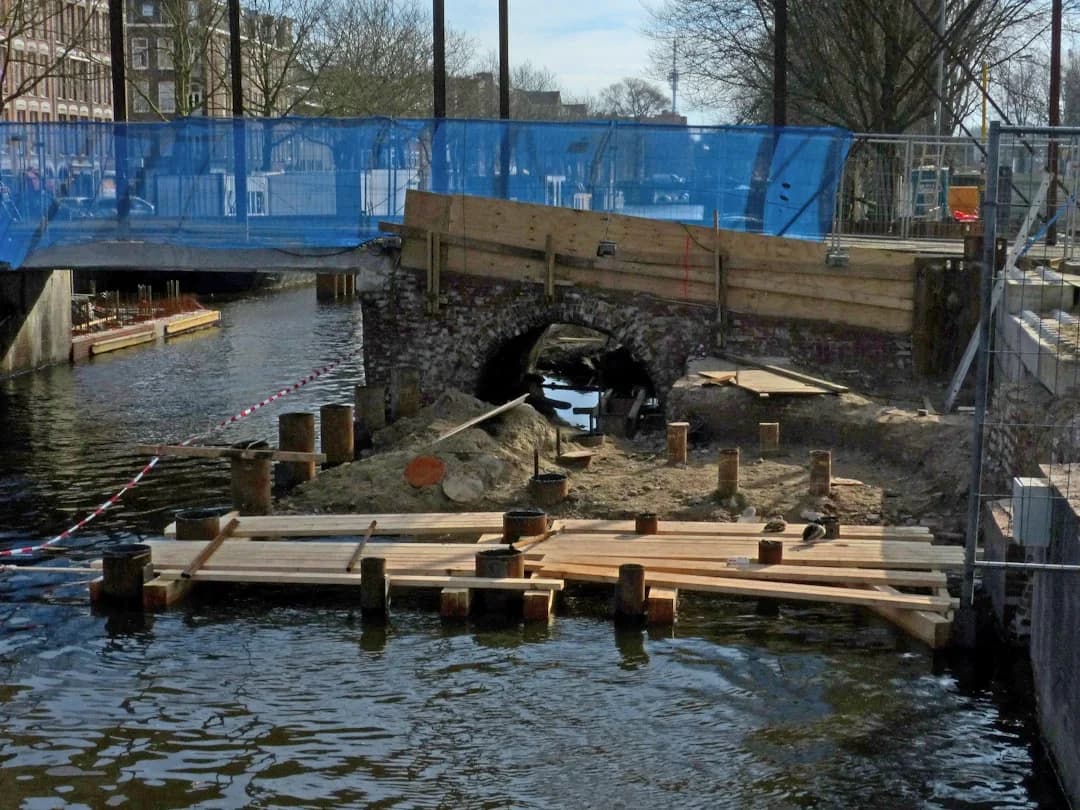
Photo by Fons Heijnsbroek on Unsplash
The stal̕əw̓asəm Bridge (Riverview) opens four lanes, marking a pivotal milestone in the Pattullo Bridge Replacement project and signaling a new era for cross-river travel between Surrey and New Westminster. On February 14, 2026, the last remaining cross-river lane closures were removed, and all four lanes were opened to vehicular traffic. The moment gains significance not only for commuters but for regional planning, traffic management, and corridor safety. The opening aligns with provincial announcements and project milestones that emphasized a safer, more efficient, and cycle- and pedestrian-friendly crossing. This development follows months of phased transitions, lane-shift experiments, and temporary access changes as traffic moved from the Pattullo Bridge to the stal̕əw̓asəm Bridge (Riverview). (news.gov.bc.ca)
The immediate impact extends beyond the four-lane capability. The new crossing introduces a centre safety median barrier, wider vehicle lanes, and dedicated walking and cycling lanes, all designed to improve safety and reliability for a growing regional population. Provincial officials and project partners highlighted the goals of reducing congestion, improving travel times, and delivering a resilient infrastructure asset that can adapt to future traffic volumes. The bridge’s four-lane configuration also supports freight movement, commercial traffic, and multi-modal accessibility, which matter for regional supply chains and the broader Metro Vancouver economy. These features were underscored in official communications ahead of and during the opening window. (news.gov.bc.ca)
Opening with the most newsworthy detail, the stal̕əw̓asəm Bridge (Riverview) opens four lanes, replacing the Pattullo Bridge and reconfiguring the Surrey–New Westminster commute. The opening occurred on a weekend when the Pattullo Bridge was permanently closed to vehicle traffic, initiating a new phase in the Fraser River crossing strategy for the region. As of 7 a.m. on February 14, 2026, drivers and delivery crews could use all four lanes on the new crossing, with phased alignments and tie-ins to surrounding road networks continuing in the weeks that followed. This milestone is a culmination of years of design, regulatory approvals, and construction, and it arrives at a moment when regional transportation authorities have been emphasizing safer, more efficient, multi-modal crossings across the Fraser River. (translink.ca)
Section 1: What Happened
A milestone in Pattullo Bridge Replacement
The stal̕əw̓asəm Bridge (Riverview) officially reached four-lane operation as part of the Pattullo Bridge Replacement Project, a comprehensive effort to replace the aging Pattullo Bridge with a modern, four-lane, cable-stayed crossing. The project team, led by Fraser Crossing Partners in collaboration with Aecon, confirmed that the four-lane configuration is now the primary vehicular route between Surrey and New Westminster. This milestone is not only a traffic upgrade; it is a strategic alignment with regional growth plans, anticipated population increases, and evolving freight patterns that require a more robust river crossing. The bridge is designed with four lanes per direction? No — four total lanes (two northbound, two southbound) with plans for potential expansion in the future, should demand warrant it. Acknowledgments from project partners emphasized the crossing’s capacity to support a multimodal corridor, including walking and cycling facilities separate from motor vehicle traffic. This structure supports safer commutes and a more reliable connection as regional travel patterns continue to shift. (aecon.com)
Timeline of openings and closures
- December 2025: The first milestone toward a full four-lane opening occurred as traffic began shifting onto the stal̕əw̓asəm Bridge in phases, with early access limited to select lanes and ramp connections to ease the transition from the Pattullo Bridge. Reports noted a staged approach to traffic management during the transition, including temporary lane closures to support tie-in work and safety testing. These early openings laid the groundwork for a complete relocation of traffic onto the Riverview crossing. (miss604.com)
- December 24, 2025: Northbound access began through a partial opening, marking a visible step toward full capacity. Local outlets and regional outlets tracked this milestone as part of the corridor’s phased reopening, while continuing construction and traffic-management activities remained in force on adjacent segments. (miss604.com)
- February 14, 2026: All four lanes opened to vehicle traffic, and the Pattullo Bridge was permanently closed to vehicular traffic. This date was widely reported by provincial agencies and project partners as the definitive moment when the Riverview crossing took over as the primary Fraser River crossing for Surrey–New Westminster commuters. The closure of Pattullo to traffic was accompanied by ongoing tie-in work and final safety enhancements on the surrounding road network. (news.gov.bc.ca)
- Early 2026 onward: Curtain-level closures and tie-in works continued to wrap up, with official communications emphasizing pedestrian and cyclist infrastructure once all surrounding ramp connections and multi-use pathways were completed. The project’s public communications indicated that pedestrian and cyclist access would be rolled out in stages once major vehicular work concluded, maintaining safety and continuity for non-motorized users. (archive.news.gov.bc.ca)
Key features and design details
- Four-lane capacity with a centre safety median barrier: The Riverview Bridge was designed to accommodate four lanes of traffic in total, with a barrier-protected center median intended to reduce cross-median conflicts and improve safety for vehicles traveling in both directions. This feature is a defining element of the bridge’s safety philosophy and aligns with best practices for modern river crossings. (news.gov.bc.ca)
- Wider lanes and dedicated multi-modal paths: The new crossing provides broader vehicle lanes, a dedicated walking and cycling path, and barrier-separated pedestrian facilities. These design choices reflect a broader regional emphasis on multi-modal mobility and safe, integrated transportation options for all users. (aecon.com)
- Cable-stayed design and bridge span details: The Riverview Bridge incorporates a cable-stayed design, which supports longer spans across the Fraser River and offers structural efficiency for a four-lane crossing. The overall length and span configuration contribute to a robust crossing capable of serving regional demand for decades. The bridge spans roughly 1,235 metres across the Fraser River, with cable-supported spans totaling about 570 metres. (acciona.com)
Timeline and context of the Pattullo Bridge replacement
The replacement of the Pattullo Bridge has been a multi-year undertaking driven by safety, reliability, and capacity considerations. The old Pattullo Bridge, which had served the corridor for nearly a century, faced structural and maintenance challenges that made a replacement essential for long-term regional mobility. The four-lane Riverview crossing is designed to deliver a safer driving experience, reduce congestion, and provide a more resilient link between Surrey and New Westminster. Transportation authorities emphasized that the new bridge would connect to King George Boulevard in Surrey and McBride Boulevard in New Westminster, with phased tie-ins to adjacent ramps and corridors to support a smooth transition for all users. The project’s public communications also noted ongoing coordination with DriveBC for traffic management and detour planning during the transition period. (news.gov.bc.ca)

Section 2: Why It Matters
Impacts on commute and regional traffic
The four-lane stal̕əw̓asəm Bridge (Riverview) represents a material shift in how the region moves people and goods across the Fraser River. With all four lanes now in operation and the Pattullo Bridge permanently closed to traffic, commuters who previously crossed via Pattullo have a new primary route that offers greater capacity and improved safety features. Early data from traffic monitoring and transit planners suggested that the Riverview crossing would shoulder a significant portion of the previous Pattullo Bridge volume, allowing for more predictable travel times and reduced bottlenecks during peak periods. These effects are especially meaningful for residents and workers in Surrey and New Westminster, as well as for regional freight movement that relies on a reliable river crossing to maintain supply-chain stability. Provincial agencies and transit authorities cited improved travel reliability, especially for peak-hour commuters, as a direct outcome of the new bridge’s design and capacity. (news.gov.bc.ca)
A central aim of the project was to reduce the risk of traffic incidents and to provide safer conditions for non-motorized road users. The centre median barrier and separated walking and cycling lanes are intended to reduce cross-traffic conflicts and encourage more people to consider active transportation options for local trips. While the immediate effect on travel times depends on day-to-day traffic patterns and the time of day, the presence of four lanes on the Riverview crossing offers a more robust framework to manage sudden traffic surges, incidents, or weather-related disruptions that commonly affect river-crossing corridors. Ultimately, the improved reliability supports regional economic activity by shortening commute times for workers and enabling just-in-time freight movements that depend on consistent crossing access. (news.gov.bc.ca)
Safety, accessibility, and multi-modal improvements
A notable dimension of the Riverview crossing is its explicit emphasis on safety and multi-modal accessibility. The bridge features a barrier-separated walking and cycling path, which provides a safer, more predictable space for pedestrians and cyclists separate from vehicle lanes. This design choice aligns with broader BC and Metro Vancouver goals to promote active transportation and to improve safety for all users crossing major river corridors. The combination of four lanes, a center median barrier, and dedicated multi-use paths contributes to a safer, more inclusive crossing experience for residents, visitors, and workers. Public communications from the project team highlighted safety improvements as a core objective, emphasizing that the bridge would better accommodate today’s traffic while supporting safer interactions between drivers and vulnerable road users. (news.gov.bc.ca)

Photo by Max Zhang on Unsplash
Economic and urban planning implications
The Riverview crossing sits at a strategic juncture for regional planning, linking the city centers of Surrey and New Westminster and reinforcing a broader corridor that connects to other key urban and suburban areas in the region. From an economic standpoint, the four-lane crossing supports ongoing growth in the Metro Vancouver area by improving access to commercial centers, reducing travel times for commuters, and stabilizing the movement of goods and services across the Fraser River. Local business associations and provincial ministries have framed the bridge as a critical infrastructure component for long-term growth in the region, with anticipated positive effects on real estate development, employment access, and service delivery. While specific post-opening traffic and economic indicators will require detailed data collection and analysis over the next months, the early phase suggests a favorable shift in regional mobility and connectivity. The project has also been associated with broader public-sector goals around tolled or non-tolled crossings, user pricing considerations, and long-term maintenance strategies that seek to balance capital investments with ongoing operating costs. (news.gov.bc.ca)
Real-world perspectives from authorities and industry partners
Industry commentary has highlighted the technical and logistical achievements of the Riverview Bridge project. A representative statement from the project’s contractor and engineering partners underscored the complexity and scale of the crossing, noting that the opening of four lanes reflects years of planning, engineering excellence, and collaborative effort. The bridge’s completion is viewed as a milestone that showcases BC’s capability to deliver large-scale, critical infrastructure projects that modernize regional mobility while prioritizing safety and multi-modal access. The official announcements and press materials emphasized that the new crossing would serve the region for decades to come, with resilience to weather events, earthquakes, and other contingencies that might otherwise disrupt cross-river travel. As with any major public works project, the Riverview crossing is subject to ongoing monitoring, maintenance cycles, and periodic updates to ensure it continues to meet the needs of a rapidly growing region. (acciona.com)

Section 3: What’s Next
Remaining work and ramp connections
Even after the four-lane opening, there are typically follow-on tasks involved in fully integrating a major new crossing into the regional network. These tasks include completing ramp connections, finalizing signage and lane-marking adjustments, and ensuring seamless tie-ins with adjacent road corridors on both the Surrey and New Westminster sides. Project communications indicated ongoing work to finalize tie-ins with King George Boulevard and McBride Boulevard corridors, as well as to secure the full access for pedestrians and cyclists along the eastern and western sides of the bridge. Roadway agencies and the Pattullo Bridge Replacement team have acknowledged that while the four-lane opening represents a major milestone, some ramp and pedestrian-access elements may continue to be completed in the weeks and months following the official lane opening. For readers and travelers, the most effective way to stay updated on these changes remains DriveBC alerts and provincial transportation news releases, which provide real-time traffic conditions and planned work windows. (pattullobridgereplacement.ca)
Long-term operational plans and potential capacity growth
Looking ahead, transportation planners have discussed the possibility of future capacity enhancements, including potential expansion to six lanes if regional demand and roadway networks justify it. The bridge’s four-lane design was chosen to balance current demand with long-term growth, and the architecture was conceived with modularity to accommodate future expansions if needed. While there is no immediate timeline for additional lane additions, the ability to adapt to rising traffic volumes remains a central consideration in Metro Vancouver’s transportation planning framework. This approach aligns with broader planning discussions about multi-modal corridors, corridor resilience, and the need to preserve options for future mobility innovations that could alter how the corridor is used (e.g., automated transit, freight consolidation, or improved cycling networks). Policy documents and project briefs from provincial ministries highlight the strategic thinking around capacity planning and expansion potential, ensuring the Riverview crossing remains compatible with evolving urban dynamics. (news.gov.bc.ca)
What riders should expect in the near term
For daily commuters and occasional travelers, the next phase involves stabilizing traffic patterns as drivers adjust to the new crossing. Transit operators and trucking firms are expected to refine schedules and routing to leverage the improved reliability offered by the four-lane Riverview Bridge. Individuals who formerly used the Pattullo Bridge may find smoother peak-period commutes, though they should remain attentive to ongoing construction activities and temporary lane restrictions during tie-ins and maintenance works. Public safety and education campaigns will continue to emphasize safe practices for drivers, pedestrians, and cyclists, particularly at ramp junctions and crosswalks that connect to the riverfront and adjacent neighborhoods. The aim is to minimize disruption while ensuring a smooth transition to the new cross-river crossing for all user groups. (news.gov.bc.ca)
Closing
As the dust settles on the formal opening of the stal̕əw̓asəm Bridge (Riverview) four-lane crossing, the region sits at a critical junction in its transportation narrative. The move to a four-lane, safer, and more multi-modal crossing marks a tangible upgrade in the Metro Vancouver transport network and a concrete step toward a more resilient, integrated Surrey–New Westminster corridor. The bridge’s four lanes open a more predictable travel path, a safer crossing experience for pedestrians and cyclists, and a platform for future growth in regional mobility. Stakeholders—ranging from provincial decision-makers to local business groups and everyday commuters—are watching closely to see how the new bridge reshapes travel times, freight flows, and daily routines across the Fraser River.
To stay updated on ongoing ramp work, pedestrian-access phases, and any future capacity enhancements, readers are encouraged to monitor official channels from the Province of British Columbia, TransLink, and the Pattullo Bridge Replacement project website, as well as local news outlets that continuously track the region’s transportation infrastructure. The opening of all four lanes offers a clear signal that Metro Vancouver is prioritizing safe, reliable, and multi-modal river crossings as part of its long-range economic and urban development strategy. The Riverview crossing stands as a testament to careful planning, rigorous engineering, and a data-driven approach to infrastructure that serves a growing and diverse population.
Acknowledgments from the provincial government and project partners emphasized the collaborative effort behind the Riverview Bridge’s successful opening, noting that continued monitoring and maintenance will ensure the crossing remains safe and reliable for years to come. As the region enters this new phase, the four-lane crossing is expected to deliver enduring benefits in safety, travel time savings, and overall quality of life for communities connected by the Fraser River. For readers who want a concise snapshot: stal̕əw̓asəm Bridge (Riverview) opens four lanes on February 14, 2026, with Pattullo Bridge now closed to vehicular traffic; the project features safer lanes, a central barrier, and dedicated walking and cycling paths, all designed to support a safer, more efficient cross-river corridor. (news.gov.bc.ca)
Concluding this update, BC Times will continue to report on the long-term effects of the Riverview crossing on commute times, regional traffic patterns, and the broader goals of transportation resilience in Metro Vancouver. Readers can expect ongoing coverage of traffic data, safety metrics, and community feedback as the corridor stabilizes in its new configuration.