TransLink tests new SkyTrain safety systems….. BC Times

BC Times - Independent journalism covering British Columbia, Vancouver, and the Pacific Northwest. In-depth reporting on local news, politics, environment, and West Coast culture.
TransLink tests new SkyTrain safety systems….. This headline captures a moment in Metro Vancouver transit that could reshape how BC riders move, work, and connect. As BC Times reports, these safety-system trials are more than a set of technical tests; they signal a broader shift toward safer streets, more reliable service, and an accelerated timetable for modernizing the SkyTrain network. In the pages that follow, we’ll unpack what these tests involve, why they matter for everyday riders, and how they fit into the long arc of Metro Vancouver transit improvements. This piece weaves together field-testing milestones, infrastructure upgrades, and the perspectives of communities across the region, all through the lens of independent journalism from British Columbia.
Context: a moment of safety-focused renewal on Metro Vancouver’s SkyTrain
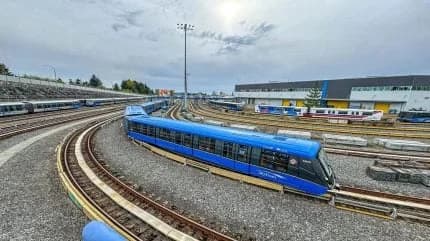
TransLink’s ongoing efforts to upgrade SkyTrain safety systems come at a moment when Vancouver-area transit is expanding to serve more riders and longer trains. The project landscape includes new rolling stock, upgraded propulsion power, and an expanded Operations Control Centre designed to oversee a larger, more automated network. Field testing for the next-generation Mark V SkyTrain vehicles began in March 2025, a key milestone in advancing safety and reliability before these trains enter regular service. TransLink publicly described the testing as carefully staged, with trains stopping at stations but passengers not boarding during the testing window. This approach aims to validate onboard systems, door indicators, climate control, and station compatibility while maintaining normal service levels for the broader public. (translink.ca)
The broader modernization plan includes significant traction power system upgrades and station renovations designed to accommodate longer five-car Mark V trains. Canada’s federal government partnered with TransLink on a multi-year program to refresh traction substations and related equipment, reinforcing the safety and reliability of Expo and Millennium Lines across Metro Vancouver. The work is scheduled to proceed in phases, with specific substations and transformers targeted during different phases. These upgrades, alongside automatic train control (ATC) and new communications systems, are central to delivering safer, more dependable service as ridership grows. (canada.ca)
The public-facing news around these efforts is complemented by progress reports from industry outlets andTransLink’s own communications. For example, field testing for the Mark V vehicles was reported by TransLink in March 2025, and subsequent coverage highlighted the transition into service later that year, including the rollout on the Expo Line. These events mark a pivotal shift from prototype testing to operational deployment, underscoring the safety-first ethos guiding the modernization program. (translink.ca)
“The best way to predict the future is to create it.” — Peter Drucker. In the context of TransLink’s SkyTrain upgrades, this adage frames a broader commitment to proactive safety, reliability, and long-term resilience for Metro Vancouver’s transit network.
What the Mark V safety upgrade means for riders and operators
The Mark V SkyTrain cars represent a major leap in capacity, comfort, and control. The vehicles are designed to carry more passengers with longer five-car configurations, while incorporating features intended to improve accessibility, rider information, and overall reliability. Field testing began in March 2025 to validate onboard systems, door indicators, and climate control, and to ensure the new cars can operate safely on both Expo and Millennium Lines. The safety emphasis during this testing phase is explicit: trains pause at stations during tests, and riders are asked to stay clear of doors. The emphasis on safety is part of the broader goal of introducing a fleet that can operate reliably as demand grows and service patterns evolve with expansion projects in the region. (translink.ca)

As TransLink moves toward Mark V deployment, several interlocking pieces come into play: longer trains, propulsion-power upgrades, station modifications, and a fortified Operations Control Centre (OCC). The OCC will host an expanded data center and new ATC facilities to manage a larger, more automated SkyTrain network. In practical terms, these changes are designed to reduce door delays, improve train spacing, and deliver more consistent service across peak and off-peak periods. The plan anticipates that the OCC will be ready for use by 2026, aligning with broader system upgrades and the Broadway Subway Project’s milestones. (translink.ca)
The influx of newer trains also coincides with broader infrastructure investments aimed at safeguarding the network’s future. A key element is automatic train control (ATC)—the digital and automated backbone that helps coordinate train movements, improve reliability, and reduce human error. In addition to ATC, TransLink’s propulsion-power upgrades ensure trains can draw the necessary energy for longer service windows and higher capacity. These components are part of a holistic modernization strategy that includes station upgrades (gap fillers, accessible pathways, and safety features) to accommodate the longer trains and new passenger flows. (translink.ca)
The phased rollout: testing, then service
The field-testing phase for the Mark V SkyTrain vehicles typifies the careful sequencing of safety, reliability, and passenger experience considerations. The tests were scheduled and described in TransLink’s communications as intermittent during non-peak hours, with full daytime testing approaching as the fleet and supporting infrastructure matured. The information released in 2025 indicated that the full fleet of 235 Mark V cars would be integrated by 2029, signaling a multi-year path from testing to fully mature operation. The practical implication for riders is a progressive improvement in capacity and reliability as the new trains become the standard across key corridors. (translink.ca)
In July 2025, TransLink announced that the Mark V vehicles would officially roll into service on the Expo Line, marking a milestone in the project’s timeline. This event signaled the transition from testing to routine operation for a portion of the fleet, setting the tone for subsequent expansions and additions to the fleet on other lines. The public-facing note from TransLink highlighted the five-car configuration, increased capacity, and cross-province production stories tied to a broader national supply chain. This transition is relevant to riders who depend on more predictable schedules and reduced crowding, particularly on high-demand routes. (translink.ca)
Core components of the safety upgrade: what’s changing under the hood
The safety-focused upgrade package comprises several coordinated elements intended to modernize the SkyTrain system while preserving, and in some cases improving, the rider experience. The elements include automatic train control (ATC), a modernized OCC, station infrastructure enhancements, and propulsion upgrades. Together, these components are designed to deliver safer single- and multi-car operations, mitigate platform-edge risks, and improve overall system resilience in the face of growth and extreme weather events. The modernization approach aligns with national standards and regional needs, building on lessons from earlier generations of SkyTrain cars and operations. (translink.ca)
Automatic train control is a central feature of the new approach. The CBTC (Communication-Based Train Control) technology enables more precise train spacing and safer, more reliable operations with fewer delays caused by signaling ambiguities. Thales, a leading supplier in rail signaling, has highlighted its collaboration with TransLink on two SkyTrain projects to advance ATC-related capabilities, including the establishment of a new Operations Control Centre and a fully automated depot. This partnership is viewed by industry observers as a signal of Vancouver’s commitment to state-of-the-art signaling that can scale with network expansion, while maintaining strong safety margins. (thalesgroup.com)
Infrastructure upgrades are also a pivotal part of the safety story. The SkyTrain upgrade program includes not only new trains but also the critical propulsion power network that supports longer trains and higher service levels. Substations, transformers, and related electrical infrastructure must be upgraded or replaced to maintain stable operations as the fleet grows. Canada’s federal government and TransLink outlined a multi-year program to refresh traction power equipment across Metro Vancouver’s SkyTrain network, underscoring the scale and national scope of the safety and reliability improvements. (canada.ca)
Station-level improvements—often the most visible part of safety enhancements—include features such as improved gap-fillers to assist riders with mobility devices, enhanced accessibility for aging infrastructure, and clearer door indicators to reduce confusion during boarding. These changes are designed to minimize the risk of misalignment with platforms and to speed up safe boarding and alighting, especially on longer trains that require more precise station geometry. The infrastructure upgrade pages and planning documents from TransLink outline these improvements and their expected timelines. (translink.ca)
A structured comparison: old vs. new SkyTrain safety systems
| Dimension | Before (Legacy SkyTrain) | After (Mark V and ATC upgrade) | Notes |

|---|---|---|---| | Train length | Shorter configurations; historically fewer cars per train | Five-car Mark V trains | Longer trains mean higher capacity and different platform requirements. (translink.ca) | | Signaling/Control | Traditional signaling with limited automation | Automatic Train Control (ATC) with CBTC integration | ATC/CBTC improves reliability and safety margins; supported by Thales partnership. (thalesgroup.com) | | Operations Control Centre | One-room style control; smaller data footprint | Expanded OCC with larger data center | Larger staff and facilities to manage a growing, more automated network. (translink.ca) | | Propulsion power | Existing substations; older equipment | Traction power system replacements | Replacements extend service life and support higher energy needs for longer trains. (canada.ca) | | Station infrastructure | Some upgrades; gaps and accessibility varied | Systematic station upgrades, gap fillers, and accessibility enhancements | Aimed at better accessibility and safety for a growing ridership. (translink.ca) | | Service impact during upgrades | Intermittent work; potential temporary disruptions | Planned, phased work with messaging to minimize impacts | Coordinated to balance safety upgrades with customer experience. (translink.ca) |
This table crystallizes the strategic shift underway: from incremental improvements to a coordinated modernization that touches trains, signaling, power, and stations in a unified program. The collaboration with suppliers like Thales to deliver CBTC-based control systems and the staged field testing that preceded entry-into-service are indicators of a planned, safety-forward trajectory rather than a hurried upgrade. The public-facing communications from TransLink and partner agencies reflect an emphasis on reducing risk, expanding capacity, and enhancing rider confidence. (thalesgroup.com)
Real-world implications: safety, reliability, and rider experience
- Safety improvements in daily commutes
- The field-testing approach, including temporary restrictions during testing windows, demonstrates a cautious, safety-first mindset. For riders, this translates into improved confidence that the new systems meet stringent safety and reliability standards before widespread adoption. The March 2025 field-testing timeline for the Mark V trains is a concrete example of how a transit agency approaches risk management when introducing high-capacity, automated features into a busy urban network. (translink.ca)
- The integration of advanced signaling and automation reduces reliance on manual intervention, potentially lowering the chance of human error in station operations and train movements. The Thales CBTC projects underscore a commitment to proven technology in the service of safer operations as the network grows. (thalesgroup.com)
- Reliability and capacity
- The five-car Mark V trains increase capacity on busy corridors, which can help reduce crowding during peak periods. This is particularly relevant on the Expo Line and in the context of regional growth and the Broadway Subway and Surrey Langley SkyTrain extensions. The service benefits of higher capacity are often coupled with more robust safety interlocks and signaling that maintain safe headways. (translink.ca)
- The modernization of the OCC and propulsion-power upgrades supports more consistent operations even as service frequency and train size rise. This alignment of hardware and control systems is intended to deliver fewer service interruptions and better recovery from minor incidents. (translink.ca)
- Accessibility and inclusivity
- Station upgrades, including gap-fillers and accessible walkways, address long-standing accessibility concerns and reflect a broader commitment to inclusive transit. These changes matter not only for riders with mobility devices but also for parents with strollers, travelers with luggage, and seniors who rely on reliable boarding experiences. The official upgrade program details emphasize these design considerations. (translink.ca)
- Environmental and economic dimensions
- While this article focuses on safety and reliability, the broader context includes environmental benefits from more efficient, higher-capacity transit systems that can reduce per-capita vehicle kilometers traveled. Vancouver-area transit agencies frequently frame modernized rail systems as essential to achieving ambitious climate goals and reducing greenhouse gas emissions from road transport. Industry reporting on CBTC and automated control highlights efficiency gains that can contribute to better energy use and fewer delays—a factor that helps keep buses and cars off the road during peak periods. (thalesgroup.com)
- Timelines and public expectations
- The rollout is iterative and multi-year. Canada’s federal and provincial partnerships with TransLink signal a long-term plan that will continue to unfold through 2029 and beyond, with ongoing infrastructure upgrades to support expansion. For the riding public, this means consistent communication about milestones, service changes, and the expected timeline for full fleet deployment. The documented timelines for Mark V integration and related infrastructure work provide a framework for how residents can anticipate and plan for these changes. (canada.ca)
Expert voices and community perspectives
As with any large-scale transit modernization, community sentiment and expert analysis play critical roles in shaping the narrative around safety investments. Local observers emphasize that safety improvements are not just about preventing accidents; they are about building a transit system that families and workers trust every day. The Mark V rollout—and the associated infrastructure upgrades—has been framed as evidence of Metro Vancouver’s commitment to safe, reliable, and inclusive mobility. In practice, this means more predictable service for commuters who rely on SkyTrain to reach workplaces, schools, and services across the region. (translink.ca)

Public-facing communications also highlight the economic and industrial footprints of these upgrades. The Mark V program is described as an all-Canadian collaboration, with components manufactured in Quebec and testing in Ontario before final delivery to Metro Vancouver. This cross-country production narrative underscores how local safety gains are linked to national supply chains and coordinated regional planning. For readers who follow business and industry developments, this connection can shed light on how transit safety investments also support jobs, supplier ecosystems, and regional competitiveness. (translink.ca)
QUOTATION BLOCK
“The best way to predict the future is to create it.” — Peter Drucker
This idea resonates with BC Times’ coverage of TransLink’s SkyTrain safety upgrades, which are designed not just to fix what exists but to create more resilient mobility for years to come. By investing in ATC, longer trains, and expanded control and propulsion infrastructure, Metro Vancouver is actively shaping the safety culture and reliability of its transit system for riders today and for generations of passengers ahead.
Case studies and practical use cases: what to watch on the ground
Case studies from the field-testing period provide a lens into how these safety upgrades translate into real-world outcomes. While many specifics are operational and proprietary, publicly shared milestones allow observers to track progress and anticipate benefits. For example, the Mark V testing phase serves as a practical case study in validating onboard systems—such as door indicators and climate control—in a controlled, stepwise manner before entering regular service. Observers will want to watch for indicators like reduced dwell times at busy stations, improved door operation reliability, and smoother acceleration and braking profiles once the fleet becomes more widely deployed. Additionally, the interlocking work on traction power substations provides a technical blueprint for how energy infrastructure underpins higher-capacity operation and consistent performance during peak demand. (translink.ca)
Comparatively, the international rail signaling community has observed that CBTC systems—such as those being implemented in Vancouver—often yield measurable improvements in headways and safety margins. The Thales press materials emphasize the strategic importance of CBTC in delivering a more automated and safer network. While Vancouver’s rollout is tailored to local geography and ridership, the underlying principles resonate with global best practices in urban rail modernization. This cross-market view helps readers understand that TransLink’s approach aligns with broader trends in rapid-transit safety and efficiency. (thalesgroup.com)
FAQs: common questions about the TransLink SkyTrain upgrades
- How long will the Mark V trains take to fully enter service? Field testing began in March 2025, and TransLink indicated the full fleet would be integrated by 2029; later phases include additional lines and extended networks as expansions proceed. (translink.ca)
- Will passengers be allowed to ride during testing? No. During field tests, trains stop at stations for verification, but customers are not permitted to board. This is a standard practice designed to protect riders while validating safety systems. (translink.ca)
- What are the core safety upgrades being implemented? The package includes automatic train control (ATC/CBTC), an expanded Operations Control Centre, station accessibility improvements (gap fillers, accessibility pathways), and propulsion-power upgrades to support longer trains. (translink.ca)
- How do these upgrades affect reliability and capacity? Longer five-car Mark V trains increase capacity, while upgraded signaling and control infrastructures improve reliability and headway consistency, reducing delays and crowding on busy corridors. (translink.ca)
A note on data gaps and ongoing developments
As with any large-scale infrastructure modernization, details evolve over time. While TransLink and government partners have published milestones and timelines, some specifics (for example, exact station-by-station upgrade schedules and every phase’s completion date) require ongoing updates. BC Times will continue to monitor official releases, contractor announcements, and independent analyses to provide precise, up-to-date information as the program progresses. For readers who want the latest, following TransLink’s Newsroom and federal/provincial releases will provide the most current milestones and implications for riders. (translink.ca)
Why this matters for British Columbia and the West Coast
The TransLink SkyTrain safety upgrades sit at the intersection of public safety, urban growth, and climate-conscious mobility. Metro Vancouver’s approach—integrating new trains, automated signaling, networked control facilities, and station enhancements—offers a blueprint for cities facing capacity constraints and rising demand. By investing in safety-oriented modernization, the region demonstrates how a dense urban area can scale its transit network without compromising safety or rider experience. This has resonance beyond British Columbia: cities around the world look to Metro Vancouver’s example as a model for balancing modernization with reliability and public confidence.
BC Times will continue to cover how these improvements shape daily commutes, neighborhood access, and the broader West Coast culture of mobility. The ongoing collaboration among TransLink, federal partners, and international technology suppliers reveals a pathway for safe, efficient transit expansion that can support economic activity, reduce congestion, and contribute to environmental goals. This is not just a transportation upgrade; it is a long-term investment in a safer, more accessible, and more resilient region.
Closing thoughts: what to watch next
- The next wave of Mark V trains entering service on additional lines beyond Expo will be a critical milestone. Observers should note any changes in crowding, dwell times, and rider feedback as the fleet expands.
- Stations across the network will reveal the practical outcomes of the accessibility upgrades—particularly in corners of the system that have seen earlier issues with platform gaps or access challenges.
- The OCC’s effectiveness in coordinating a larger, more automated network will become more evident as incident response and service restoration times improve under a new control paradigm.
As TransLink’s modernization unfolds, BC Times will bring readers in British Columbia and the Pacific Northwest closer to the details behind the headlines. We’ll continue to translate technical developments into meaningful, local context—explaining what these SkyTrain safety systems mean for your daily commute, your community, and your city’s future.
Rich, structured takeaways for readers
- Field testing timeline: Mark V field testing began in March 2025 to validate onboard systems and station compatibility. (translink.ca)
- Service entry milestones: Mark V trains entered service on the Expo Line in July 2025 as part of the rollout. (translink.ca)
- Key upgrades: ATC/CBTC signaling, expanded OCC, propulsion-power upgrades, and station improvements are central to the modernization package. (thalesgroup.com)
- Traction power investment: More than $20 million in traction power upgrades is advancing reliability and safety across the SkyTrain network. (canada.ca)