Urban Forest Expansion Metro Vancouver Heat Resilience 2026
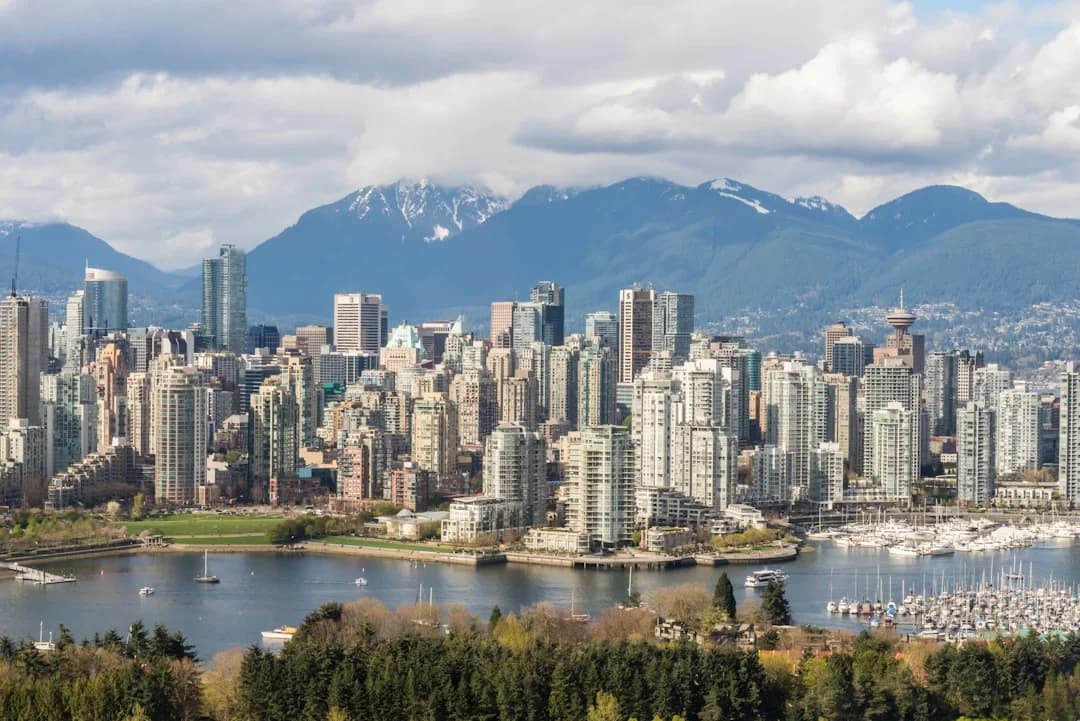
Photo by Luke Lawreszuk on Unsplash
Vancouver and the broader Metro Vancouver region are advancing a coordinated push to expand the urban forest in ways that bolster heat resilience for 2026 and beyond. The public rollout combines city-level canopy strategies with regional nature and ecosystems planning, signaling a shift toward climate adaptation built on living infrastructure. This is not just a environmental initiative; it carries tangible implications for real estate, municipal budgeting, urban health, and the market for climate-resilient trees and related services. Urban forest expansion Metro Vancouver heat resilience 2026 is becoming a framing device for how cities across the region will manage extreme heat, drought, and increased rainfall intensity in the coming decade, while also supporting biodiversity and quality of life. In practical terms, officials say the effort will alter where and how trees are planted, how canopy data is collected and used, and how private property owners participate in canopy growth.
Public leaders frame the move as a comprehensive, data-driven approach to climate resilience. Vancouver’s updated Urban Forest Strategy, unanimously endorsed in May 2025, establishes a path to grow the city’s canopy and to align planting with projected climate futures, emphasizing right-tree, right-place investments and stronger data to guide decisions on private as well as public land. At the regional level, Metro Vancouver’s Climate 2050 initiative places nature-based solutions—especially urban trees—in a broader plan to connect natural and urban ecosystems, boosting resilience to heat, drought, and flooding. The Moodyville Park restoration project in North Vancouver—funded in part by the federal government—illustrates how natural infrastructure investments aim to stabilize soils, strengthen urban forests, and improve habitat connectivity in practical, on-the-ground terms. These moves come as the region confronts the reality that tree canopy and green infrastructure are central to protecting residents during heat events and improving air quality, water management, and biodiversity. (vancouver.ca)
What Happened
Vancouver’s urban forest strategy update and canopy targets
In May 2025, the Vancouver Park Board approved an updated Urban Forest Strategy and action plan that formalized a path to expand the city’s urban canopy and improve equity in access to trees. The plan aims to increase canopy cover by roughly five percentage points over 25 years, targeting 30% canopy coverage by 2050 for Vancouver—the densest urban area in Metro Vancouver. City staff emphasized a data-driven approach to maximize return on investment for tree planting and maintenance, including a shift toward better land-use assessment and planting the “right tree in the right place at the right pace.” The strategy also incorporated efforts to secure private-canopy gains, such as tree planting on private land and possible donor-supported initiatives. The update also highlighted partnerships and community engagement as central to achieving canopy growth and climate adaptation goals. The plan explicitly notes that Vancouver’s urban canopy has grown in recent years, but historic inequities in canopy coverage persist in certain neighborhoods, motivating targeted planting in low-canopy zones with higher heat exposure. The federal and municipal angles underscore a cross-government, cross-sector push to accelerate canopy gains without compromising fiscal responsibility. > “Trees are Vancouver’s hardest-working infrastructure,” the Park Board chair noted, underscoring the cooling, shading, and rainfall-management benefits trees provide in a warming city. (vancouver.ca)
In parallel with the city-level update, Vancouver’s own public-facing materials describe current canopy conditions and goals. The city states that canopy coverage is around 25% city-wide and that the updated strategy seeks to reach 30% by 2050. It also emphasizes heat management as a core canopy benefit, noting that street-tree expansion and targeted planting in hotter neighborhoods reduce heat island effects and improve resilience during heat events. The approach explicitly links canopy growth to climate adaptation, air quality, and biodiversity. The city’s materials also highlight ongoing projects such as street-tree canopy expansion and the adoption of data-driven maintenance practices to monitor and care for trees across public and private lands. (vancouver.ca)
Metro Vancouver’s regional climate adaptation framework for urban forests
Metro Vancouver’s regional climate strategy reinforces the idea that urban forests are central to resilience in the region. The Nature and Ecosystems roadmap for Climate 2050 describes a vision for a network of healthy ecosystems by 2050 that spans natural and urban spaces, with nature-based solutions playing a key role in cooling neighborhoods, reducing floods, and buffering coastlines. The framework emphasizes the need to protect, restore, and connect ecosystems across jurisdictional boundaries—an orientation that directly supports urban canopy growth as a regional investment in resilience. In practical terms, the framework calls for more urban trees, greener streets, and integrated planning that links city-scale canopy projects with watershed and ecological network planning. The framework also highlights the tangible climate benefits of urban forests, including their capacity to store carbon and help communities cope with heat, drought, and flood risks. (metrovancouver.org)
Metro Vancouver has also advanced technical guidance on selecting tree species suitable for warming regional climates. The Urban Forest Climate Adaptation Framework—Tree Species Selection provides a structured approach to choosing species expected to perform under future climate conditions, including considerations about site-specific factors, soil health, and long-term canopy benefits. While the framework is a regional planning document, its practical implications ripple through city planting programs, nursery procurement, and private-property canopy efforts as municipalities work to diversify species mix and reduce vulnerability to pests, diseases, and extreme weather. The emphasis on climate-adapted species supports the overall goal of a resilient urban forest that can endure hotter summers while continuing to deliver cooling, stormwater management, and habitat benefits. (metrovancouver.org)
Federal support for ecological restoration and canopy expansion
A concrete example of nearby action is the federal government’s Moodyville Park restoration project in North Vancouver.announced in April 2026, the project channels more than $249,000 in Natural Infrastructure Fund (NIF) support to restore greenspace, remove invasive species, plant thousands of native shrubs and hundreds of trees, and strengthen urban forest amenities. The restoration effort aims to improve soil health, stabilize stream banks, and create habitat connections for birds, bats, and pollinators, contributing to a more robust urban forest network and better heat resilience at the neighborhood scale. This project demonstrates how national funding programs are channeled into local urban forestry initiatives that reinforce canopy expansion and climate adaptation. (canada.ca)
Local commitments and canopy equity considerations
In line with the equity dimension of heat resilience, Vancouver’s urban forestry program explicitly notes that areas with low canopy coverage tend to experience higher exposure to extreme heat, which in turn raises heat-related health risks for vulnerable residents. Initiatives such as targeted planting in Downtown Eastside, Strathcona, Sunset, and other high-heat zones are designed to address disparities in canopy coverage and reduce health inequities linked to heat exposure. The city’s planning documents emphasize equitable access to the cooling benefits of trees and the importance of engaging communities in canopy growth decisions. These equity-focused actions align with broader climate-adaptation goals and underscore the financial and logistical complexities of canopy expansion in dense urban cores. (vancouver.ca)
Other regional and municipal momentum
In North Vancouver, the Urban Forest Plan emphasizes a 30-year planning horizon for canopy growth, informed by the 2023 State of the Urban Forest Report. The CNV plan highlights the need to protect, manage, and grow urban trees across public and private land, with a phased approach to implementation and ongoing community engagement. Burnaby’s new Urban Forest Strategy adds to the regional mix by outlining a target to lift canopy cover to 40% by 2075, a milestone aligned with Metro Vancouver’s 40% regional canopy goals and reflective of a broader, ambitious regional push toward dense, climate-resilient urban forests. While Burnaby’s target is 40% by 2075, the city frames it as a practical, long-range goal built on data-driven planting and private-land collaboration. The city is also pursuing public engagement and donor partnerships to accelerate canopy growth. (cnv.org)
Why these moves matter to readers and markets
For BC Times readers, the key takeaway is that urban forest expansion is transitioning from a primarily ecological aspiration to a technology-enabled market and policy initiative. The urban forest is increasingly treated as critical infrastructure—one that protects people from heat, improves air quality, stores carbon, and enhances biodiversity. Municipal and regional strategies are embedding canopy targets into budgeting, land-use decisions, and procurement, while also relying on urban forestry data platforms for monitoring and forecasting canopy gains. The commercialization angle includes the market for climate-resilient tree species, planting hardware, data analytics for canopy management, and private-sector partnerships to fund and execute canopy expansion. Vancouver’s emphasis on data to guide planting, and the private-land planting incentives described in the 2025 strategy, are notable signals that the market for urban forestry services and products is on a growth trajectory. (vancouver.ca)
Real-world implications and case-study context
As shown by Moodyville Park and similar projects, federal-provincial-municipal funding streams are increasingly used to catalyze urban forest improvements on the ground. The Moodyville Park project demonstrates how natural infrastructure investments translate into tangible ecological and social benefits, from soil health to wildlife connectivity. These projects illustrate how urban forestry is evolving into a practical, multi-jurisdictional market with clear timelines and measurable outcomes. Metro Vancouver’s Nature and Ecosystems Roadmap emphasizes not only the ecological benefits but also the social and economic co-benefits of a connected green network in cities and towns across the region. (canada.ca)
What this means for technology and market trends
Technology is playing a bigger role in urban forest expansion. The city’s Urban Forest Strategy emphasizes data-driven planting and maintenance—tracking trees, species performance, and canopy changes over time to optimize outcomes within budget constraints. The regional climate adaptation framework and tree-species selection guidelines push practitioners to use climate analogs, vulnerability assessments, and soil-management practices to select resilient species and ensure long-term canopy health. In practice, this translates into opportunities for urban forestry software, tree inventory management, species selection tools, and ecosystem service modeling, all of which create a richer information layer for planners and investors. The market implications extend to nurseries, arborists, and engineered-green infrastructure suppliers who align with regional planning timelines and canopy targets. The remote sensing and field data interfaces used to monitor canopy expansion are likely to become more common, enabling faster adaptation to shifting climate conditions while maintaining public accountability for investment in public trees and green space. (vancouver.ca)
Expert perspectives and quotes
City officials frequently frame urban forest expansion as essential infrastructure. Vancouver Park Board Chair Laura Christensen described trees as “Vancouver’s hardest-working infrastructure,” underscoring their role in heat mitigation and flood prevention while stressing the need for disciplined budgeting and data-driven planting. Experts outside city hall stress that climate-adapted species selection, soil health, and green infrastructure integration are critical for ensuring that canopy gains are durable in a warming climate. Regional scientists and planners point to nature-based solutions as a core component of resilience planning, with urban forests acting as a frontline defense against heat waves, drought, and heavy rainfall events. These perspectives reflect a broad consensus that urban forestry is a key lever for climate resilience and a viable market for future investment. (vancouver.ca)
Section 1 recap: key facts and dates
- May 13, 2025: Vancouver Park Board approves the updated Urban Forest Strategy, aiming to increase canopy coverage to 30% by 2050 and to improve equity and resilience through data-driven planning and targeted planting. The plan includes donor partnerships (e.g., seedling donations) and a focus on planting the right trees in the right places. (vancouver.ca)
- May 2025: The City of Vancouver notes a city-wide canopy target of 30% by 2050 and highlights ongoing and planned canopy projects, including street-tree canopy expansion. (vancouver.ca)
- 2026: Moodyville Park restoration project in North Vancouver is funded to the tune of $249,600 by the federal government, with a total project budget of $312,600, demonstrating federal support for urban forest restoration as climate infrastructure. The work includes planting approximately 1,300 trees and 10,000 native shrubs to strengthen the urban forest and habitat connectivity. (canada.ca)
- 2026: Vancouver’s Healthy City Strategy 2026 framework emphasizes health, equity, and environmental targets, aligning with climate resilience and urban forestry goals. (vancouver.ca)
- 2023–2025: Metro Vancouver’s regional “Nature and Ecosystems” priorities project a 2050 vision of healthy, connected ecosystems that span natural and urban spaces, with explicit recognition of the cooling, buffering, and carbon-storing benefits of urban forests. (metrovancouver.org)
Why It Matters
Heat resilience and equity in a warming region

Photo by Kyle Ryan on Unsplash
Urban trees are a frontline defense against heat waves and urban heat island effects. The City of Vancouver’s materials stress that trees shade streets and buildings during heat waves, lower temperatures, and slow rainfall runoff, all of which reduce heat-related risks and flooding. The equity angle is explicit: neighborhoods with lower canopy coverage—such as Downtown Eastside and Marpole—experience more intense heat events, prompting prioritized planting in these zones to reduce health disparities and enhance resilience for vulnerable populations. This logic aligns with regional planning that seeks to connect natural areas with urban centers to spread cooling benefits and protect health across socio-economic divides. (vancouver.ca)
Climate adaptation as a market signal
The urban forest expansion agenda signals a broader market signal: climate resilience is now a municipal and regional investment priority with measurable targets and timelines. The Vancouver 2025 urban forestry update demonstrates a shift toward budget-conscious, data-informed planting programs—and a willingness to pursue private-sector donations and partnerships to accelerate canopy growth. The Moodyville Park investment shows how federal programs can catalyze local canopy improvements, attracting private-planning, design-build, and ecological restoration firms to participate in urban forest revitalization. The market implications include demand for climate-resilient tree species, urban forestry software, canopy-monitoring tools, and integrated natural-infrastructure services. (vancouver.ca)
Regional resilience through connected ecosystems
Metro Vancouver’s regional nature-and-ecosystems framework emphasizes connectivity between urban and natural spaces. A connected network of healthy ecosystems enhances resilience by enabling shade, evapotranspiration cooling, carbon storage, and biodiversity connectivity across municipal borders. The framework recognizes that urban trees are not merely decorative assets but essential components of the region’s climate adaptation strategy. The regional emphasis on nature-based solutions and green infrastructure—including forests, bioswales, rain gardens, and green roofs—complements city planting programs and supports a more resilient, climate-ready urban landscape. (metrovancouver.org)
Equity, data, and governance implications
The push for data-driven canopy expansion means that urban forestry is moving into a governance era where canopy coverage, tree health, maintenance schedules, and equity metrics are tracked and reported. Vancouver’s 2025 strategy highlights investing in data to manage the canopy more efficiently and to optimize the “right tree, right place, right pace” approach. In practice, this translates to better inventory management, performance tracking, and decision-support tools that support both public land management and private-property canopy improvements. The emphasis on equitable access to tree canopy—by identifying low-canopy blocks with high vulnerability—reflects a governance shift toward transparent, accountable canopy planning and more targeted public communications. (vancouver.ca)
What this means for biodiversity and climate co-benefits
Urban forests deliver more than shade. The regional agenda emphasizes carbon storage, cooling effects, stormwater management, and habitat connectivity. Metro Vancouver notes that urban forests store millions of tonnes of carbon and that urban trees help capture stormwater and improve human health and well-being. In parallel, the regional emphasis on rewilding and nature-based solutions suggests that urban canopy growth will be integrated with green infrastructure projects that bolster biodiversity and watershed resilience. These co-benefits are central to understanding the market and policy dynamics around urban forest expansion in the region. (metrovancouver.org)
Section 2 recap: key implications for readers and markets
- Urban forestry is increasingly treated as essential infrastructure with explicit targets and budgets. The Vancouver strategy sets a 2050 canopy target of 30% and includes near-term actions to fast-track canopy growth, including private-land planting and donor partnerships. (vancouver.ca)
- The regional framework links urban forestry to climate adaptation across municipal lines, enabling cross-jurisdictional planning, funding, and project implementation that expand the canopy and improve resilience to heat, drought, and heavy rainfall. (metrovancouver.org)
- Federal and local funding programs are catalyzing on-the-ground canopy improvements, demonstrating a practical path for private-public partnerships in urban forest expansion. Moodyville Park exemplifies how funding translates into concrete restoration, planting, and habitat-connection work. (canada.ca)
- Equity-focused canopy growth remains a priority, with targeted planting in heat-exposed neighborhoods to reduce health disparities during extreme heat events. This approach aligns with governance strategies that require data, transparency, and community involvement to ensure broad benefits. (vancouver.ca)
What’s Next
Timelines, targets, and near-term actions
Looking ahead, Vancouver’s updated Urban Forest Strategy identifies near-term actions to accelerate canopy growth within existing budgets, including focusing on data-driven maintenance, evaluating land uses for canopy-supportive opportunities, and securing partnerships for canopy expansion on private land. A mid- to late-2026 reporting cycle is anticipated as staff return with long-term canopy targets and implementation progress. The city’s plan suggests that 2026 will be a year of intensified data collection, targeted street-tree planting in heat-prone neighborhoods, and the continuation of donor-supported canopy projects. The 2050 goal remains the central horizon, with incremental milestones along the way. (vancouver.ca)
Private land participation and public engagement
The urban forest expansion program explicitly includes private land as a critical component of canopy growth. The strategy envisions incentives, outreach, and partnerships designed to encourage private property owners to plant climate-resilient trees and maintain them over time. The adoption of a “right tree in the right place” philosophy means developers, homeowners, and rental-property managers will see canopy gains influenced by site-specific constraints and opportunities. Engagement efforts are essential to translating canopy targets into real canopy gains across the city. (vancouver.ca)
Regional milestones and science-based planning
The Metro Vancouver region is aligning its long-range planning with the Climate 2050 agenda, which frames nature-based solutions and urban forests as central to regional resilience. As cities and towns within the region implement canopy expansion programs, the regional framework will likely emphasize shared metrics, canopy mapping standards, and joint funding opportunities. The continued development of tree-species selection guidelines, soil-management practices, and planting infrastructure will shape 2026–2030 milestones, influencing the supply chain for climate-resilient trees, planting materials, and urban forestry services. (metrovancouver.org)
What residents should watch for
Residents can expect a continued emphasis on canopy expansion in neighborhoods with high heat exposure, along with more opportunities to participate in tree-planting programs, adopt-a-tree initiatives, and volunteer efforts. The city’s 2025 plan and 2026 Healthy City updates indicate stronger accountability and public reporting, including dashboards that reflect canopy gains, tree-health status, and equity indicators. News releases and council meetings in 2026 are likely to present progress updates, funding decisions, and early results from pilot canopy-expansion projects in targeted neighborhoods. Community involvement will be essential to sustaining momentum and ensuring canopy expansion translates into real heat resilience benefits during an increasingly warm summers across Metro Vancouver. (vancouver.ca)
Section 3 recap: what's next for the market and policy
- Short term (2026): Increased planting in heat-exposed neighborhoods, expanded data collection for canopy management, and continued private-land canopy initiatives supported by donor partnerships and private sector engagement. Vancouver’s updated strategy and associated budgets will guide these actions. (vancouver.ca)
- Medium term (2027–2030): Implementation of climate-adapted tree-species selection guidelines and enhanced soil-management practices across urban forests to improve tree longevity, resilience, and canopy cover gains. Metro Vancouver’s regional nature-and-ecosystems plans will underpin cross-jurisdictional collaboration and shared metrics. (metrovancouver.org)
- Long term (2030–2050): A more densely forested urban fabric capable of delivering robust heat resilience, biodiversity benefits, and climate mitigation at scale, with canopy targets evolving as climate projections tighten and new technologies enable more precise canopy planning and maintenance. Vancouver’s 2050 target of 30% canopy is a clear milestone in this longer arc. (vancouver.ca)
Closing
The Urban forest expansion in Metro Vancouver for heat resilience in 2026 is not a single policy moment but part of a broader, evolving strategy that stitches city-level canopy goals to regional planning, federal funding, and market opportunities in climate adaptation. By combining data-driven planting, equity-focused canopy expansion, and nature-based infrastructure, the region seeks to create a cooler, healthier, and more biodiverse urban habitat for residents today and for decades to come. As cities across the region accelerate canopy gains, Vancouver’s experience offers a practical blueprint for how urban forestry can be integrated into budget planning, land-use decisions, and private-sector partnerships, while maintaining rigorous attention to equity and climate science. Readers should expect ongoing updates through 2026 and beyond as more neighborhoods begin to experience the cooling benefits of expanded tree cover and as planners refine species choices and planting strategies to meet both environmental goals and community needs.
In the months ahead, BC Times will continue to monitor canopy expansion progress, funding announcements, and new data-driven tools that shape how urban forests are managed and financed. We will also track whether regional targets align with on-the-ground gains and how equity considerations evolve as neighborhoods with historically lower canopy coverage receive priority attention. As this work unfolds, urban forest expansion will remain a critical lens through which to view Metro Vancouver’s heat resilience and climate adaptation story for 2026 and beyond. (vancouver.ca)