Vancouver art gallery unveils new exhibition. BC Times
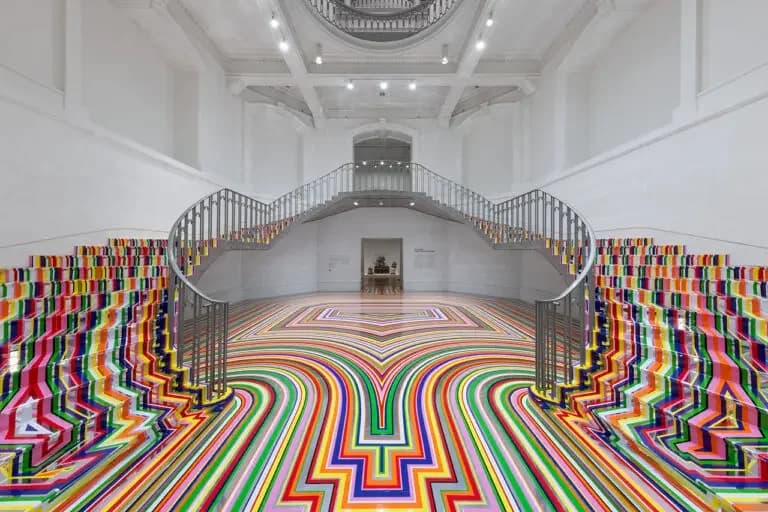
BC Times, your source for independent journalism on British Columbia, Vancouver, and the Pacific Northwest, begins with a note that signals a cultural moment: "Vancouver art gallery unveils new exhibition." This phrase, echoed across local media calendars, marks not just a moment of display but a larger conversation about West Coast art, Indigenous perspectives, climate awareness, and community experience. As BC Times covers local news, environment, and West Coast culture with a lens on the province’s lively arts ecosystem, we explore what this new show means for residents, visitors, and artists alike, and how it fits into a evolving calendar of Vancouver exhibitions that shape the city’s cultural identity.
The Vancouver arts calendar in 2026: a year of ambitious exhibitions and cross-border dialogues
Vancouver’s art scene has long been a magnet for artists from across Canada and around the Pacific Rim. In early 2026, the Vancouver Art Gallery (VAG) has positioned itself at the center of several high-profile gatherings that fuse local memory with global conversations. A cornerstone of the season is That Green Ideal: Emily Carr and the Idea of Nature, a major presentation of Emily Carr’s work, scheduled to run in 2026 and to bring renewed attention to one of Canada's most influential painters. The Vancouver Art Gallery’s own communications confirm that That Green Ideal runs from February 6 to November 8, 2026, underscoring the gallery’s commitment to British Columbia’s artistic heritage while inviting global audiences to engage with Carr’s evolving relationship to land and nature. (vanartgallery.bc.ca)
This year’s exhibitions also highlight the gallery’s appetite for climate-conscious curatorial programs. Canadian interiors and contemporary art observers have highlighted Future Geographies: Art in the Century of Climate Change as a landmark Vancouver debut that will travel beyond the city, embodying a cross-disciplinary interrogation of environmental crisis through visual art. The Vancouver Art Gallery, working with an international curatorial team led by Eva Respini, has announced that Future Geographies opens in May 2026 and runs through January 2027, with a remit that aligns climate discourse with contemporary art practice. This is not just a private or parochial gallery event; it is presented as a regional and international conversation about sustainability, geography, and social responsibility. (canadianinteriors.com)
The gallery’s physical footprint and organizational structure also figure into the discussion. The Vancouver Art Gallery—housed in the heart of downtown Vancouver—positions itself as a cultural hub on Hornby Street, with ongoing efforts to expand public programming, learning spaces, and archival access. The gallery’s public-facing pages confirm its address and the breadth of its exhibitions, including the ongoing Centre for Global Asias program (the Centre for Global Asias represents a reimagined and expanded framework for Asian art and thought within the Gallery’s broader encasement of Pacific Rim and global perspectives). This alignment illustrates how the city’s largest public art institution is calibrating its mission to reflect Indigenous voices, global dialogues, and local memory, all within a West Coast context. (vanartgallery.bc.ca)
As BC Times reports on West Coast culture, the broader pattern in Vancouver this year is a deliberate weaving of local legacy and global challenges. The city’s institutions are leaning into exhibitions that examine climate change, Indigenous history and sovereignty, and the compatibility of tradition with experimentation. This positions Vancouver as a living laboratory where museums, galleries, and independent venues pursue public education, critical discourse, and community engagement through ambitious exhibitions that demand reflection as well as participation. The public record from major outlets and the gallery itself confirms this trajectory.
What to expect from the latest exhibition wave at the Vancouver Art Gallery
The phrase that anchors this discussion—That Green Ideal: Emily Carr and the Idea of Nature—signals more than a retrospective. It signals a re-engagement with one of British Columbia’s most resonant artists within a broader framework that Seattle, Portland, and Vancouver’s own artistic neighbors understand well: regional art can speak to planetary concerns without losing its local specificity. The show is described as a major presentation of Carr’s work, exploring how her modernist vision intersected with nature, landscape, and cultural change. It is part of the Gallery’s strategic emphasis on Indigenous and Canadian art, while also opening doors for international audiences to encounter Emily Carr’s legacy in a contemporary setting. The dates (February 6–November 8, 2026) place this show at the core of Vancouver’s winter-to-fall programming, ensuring sustained public engagement for almost an entire year. (vanartgallery.bc.ca)

In parallel, Future Geographies promises to bring climate-focused art into dialog with the city’s evolving environmental consciousness. The exhibition’s aim—an exploration of climate change through a century of art—intends to connect local storytelling with global urgency. Eva Respini’s curatorial leadership signals a project that is both ethically aware of its ecological responsibilities and aesthetically ambitious in its use of media, form, and site-specific installation. May 17, 2026 marks the opening, with a cross-border itinerary that may help Vancouver-based audiences see their own climate discourse reflected in works that have traveled beyond Canada’s borders. This international dimension–paired with Vancouver’s own identity as an eco-conscious, geographically defined city – is a recurring theme in BC Times coverage of West Coast culture: local stories gain resonance when connected to wider currents. (canadianinteriors.com)
The gallery’s ongoing work with global partners and cross-cultural programs—evidenced by the Centre for Global Asias initiative—further demonstrates how Vancouver art spaces are positioning themselves as gateways to broader conversations about art, identity, and knowledge. The Centre for Global Asias (formerly Institute of Asian Art) reflects a strategic pivot toward global dialogue, research, and public engagement that extends well beyond a single exhibition cycle. This aligns with a Vancouver that sees its cultural institutions as community resources—spaces for learning, exchange, and reflection about the world we share. (newvanartgallery.ca)
In practical terms for visitors and residents, the gallery’s programming emphasizes accessibility and education. The Vancouver Art Gallery’s public-facing materials underscore ticketing options, online reservations, and flexible programming designed to welcome a wide range of audiences—from school groups to long-time patrons and first-time visitors. The gallery’s emphasis on learning spaces and community programs dovetails with a broader West Coast cultural policy that values lifelong learning, public dialogue, and inclusive participation in the arts. This is precisely the spirit BC Times seeks to capture in its coverage: independent journalism that chronicles how communities use culture to reflect, heal, and imagine.
“Art washes away from the soul the dust of everyday life.” This famous quote by Pablo Picasso resonates with the Vancouver art gallery’s mission to offer spaces where people can think differently, see new possibilities, and connect personal experience with global issues. It’s a reminder of why exhibitions—especially those with climate or Indigenous themes—are more than décor; they’re acts of public education and collective imagination. (Quoted widely in art discourse and frequently echoed by curators and critics alike.)
A closer look at the structure and scope of the current wave
To better understand how a new exhibition thrives within Vancouver’s cultural ecosystem, it helps to map the concrete elements that institutions typically emphasize when launching a major show.
Exhibition architecture and public programs
The Vancouver Art Gallery’s architecture and spatial planning influence how audiences experience exhibitions. A large-scale show like That Green Ideal benefits from galleries designed to accommodate long viewing times, contextual interpretive labels, and accompanying programming—lectures, tours, and student workshops—that deepen viewers’ understanding of Emily Carr’s approach to landscape, color, and form. The gallery’s stated aim to provide more public programming space, educational facilities, and a theatre-like venue in its broader expansion plan mirrors national conversations about how museums can be inclusive learning environments while maintaining high-curation standards. While specific architectural details for That Green Ideal are yet to be thoroughly published, the gallery’s past and present planning documents suggest a careful balance of conservation concerns with public access. (vanartgallery.bc.ca)
Likewise, the Future Geographies project presents opportunities beyond the gallery’s walls. Large-scale, climate-centered exhibitions frequently incorporate off-site components, film screenings, educator guides, and partnerships with universities and community groups. This approach helps bridge in-gallery experience with public discourse, inviting participants to consider questions like: How do art and climate science speak to one another? How can local communities influence or respond to global environmental narratives? The planning around this show reflects those ambitions, and BC Times will monitor how it translates into public programming and community engagement in Vancouver and beyond. (canadianinteriors.com)
Thematic throughlines and curatorial philosophy
Emily Carr’s work anchors a long historical view of British Columbia’s landscapes and peoples, and That Green Ideal situates her within a broader conversation about nature, memory, and place. This show is a reminder that regional modernists can illuminate contemporary environmental and cultural questions through a distinctly Canadian lens. Meanwhile, Future Geographies positions climate as not only a scientific problem but a cultural challenge—an invitation for artists to imagine responses that are hopeful, critical, and imaginative. Taken together, these exhibitions demonstrate the Gallery’s intent to cultivate cross-temporal and cross-cultural dialogues that resonate with a local audience while acknowledging global threads. The gallery’s own statements and press materials point to this dual aim: celebrate local heritage and extend the conversation to planetary scales. (canadianinteriors.com)
A practical guide to engaging with the new programming (with a focus on community impact)
Vancouver’s arts ecosystem thrives when exhibitions translate into meaningful community experiences. For locals and visitors alike, here are practical ways that the new wave of exhibitions can be accessed and appreciated, with a lens on BC Times’ editorial focus on independent journalism, local politics, environment, and West Coast culture.
-
Attend guided tours and educator-led programs. These offerings transform museum space into a classroom that connects art to everyday life, local histories, and civic issues. The gallery has a long-standing commitment to accessibility and learning, which aligns with BC Times’ emphasis on in-depth reporting about community life and West Coast culture. (vanartgallery.bc.ca)
-
Engage with Indigenous voices and perspectives. That Green Ideal promises a reconnection with Emily Carr through a critical lens that recognizes Indigenous histories and contemporary sovereignty. This alignment resonates with ongoing societal conversations about reconciliation and representation in cultural institutions. (See the Vancouver Art Gallery’s framing around Indigenous cultures and community programs.) (vanartgallery.bc.ca)
-
Explore climate art as public pedagogy. Future Geographies offers a platform to discuss climate change not just as science but as cultural imagination. Visitors can expect programming that invites dialogue, reflection, and perhaps action—whether through workshops, panel discussions, or school partnerships. (canadianinteriors.com)
-
Take advantage of digital resources and off-site content. Many major exhibitions today pair in-gallery experiences with online catalogues, virtual tours, and downloadable educator guides, enabling broader participation beyond the physical space. The Gallery’s online presence and its educational arm, including the Centre for Global Asias, illustrate a multi-channel approach that BC Times supports as essential for informed citizenship and cultural education. (newvanartgallery.ca)
-
Plan for extended engagement. With two major shows spanning several months, visitors can tailor their trips to fit schedules, school programs, or weekend family visits. The long-running schedule for That Green Ideal and the May-to-January window for Future Geographies provide flexible planning for families, students, and cultural tourists alike. (vanartgallery.bc.ca)
A structured view: comparison table of exhibition features (TBD vs. confirmed)
| Aspect | That Green Ideal: Emily Carr and the Idea of Nature | Future Geographies: Art in the Century of Climate Change |
|---|---|---|
| Opening window | February 6, 2026 | May 17, 2026 |
| Closing window | November 8, 2026 (approximate, per schedule) | January 10, 2027 (per schedule) |
| Main themes | Emily Carr, nature, modernism, British Columbia landscape | Climate change, geography, cross-cultural perspectives |
| Artist roster | Works from Emily Carr’s estate and related holdings | International contemporary artists, including new commissions |
| Public programs | Tours, lectures, educational programs | Lectures, panels, film screenings, school partnerships |
| Location specifics | Vancouver Art Gallery, 750 Hornby Street, Vancouver | Vancouver Art Gallery, central urban hub, with off-site components possible |
| Accessibility | General admission with online booking | General admission with online booking, targeted programs for schools and communities |
Note: Data in this table reflects publicly advertised timelines and programmatic aims as of early 2026. Some details (e.g., exact programming, partner institutions, and any off-site components) may be updated closer to the openings. Readers should verify closer to their planned visit.
Why this matters: community impact and regional identity
Top five reasons this wave of exhibitions matters for Vancouver and British Columbia
-
Strengthening regional identity through global conversations. The integration of Emily Carr’s legacy with climate-centered contemporary art elevates a distinctly Pacific Northwest perspective within a global art discourse. It anchors local memory while inviting world audiences to engage with BC’s landscapes, histories, and future visions.
-
Expanding access and participation. By expanding programming space and offering robust public education, the Vancouver Art Gallery makes art more accessible to students, families, and seniors. This aligns with BC Times’ editorial mission to explore how cultural institutions serve diverse communities across the province.
-
Elevating Indigenous voices and sovereignty dialogues. That Green Ideal provides a platform for Indigenous histories and contemporary perspectives within a broader Canadian art narrative, contributing to the city’s ongoing reconciliation conversations.
-
Linking art to environmental action. The Future Geographies project positions artists as active participants in climate discourse, encouraging audiences to consider sustainable futures and the role of art in shaping policy and public behavior.
-
Fostering economic and cultural vitality. Large-scale shows attract visitors and generate spillover benefits for local businesses, transit, and hospitality, while highlighting Vancouver as a dynamic center for West Coast culture and global art dialogue. This is consistent with how independent journalism in BC Times tracks the social and economic dimensions of culture.
Quoted perspectives from curators, artists, and educators—alongside data from local cultural policy discourse—underscore that museums are not merely repositories but catalysts for community learning, debate, and shared memory.
Voices from the West Coast: community perspectives and expert commentary
- A local curator might say that That Green Ideal helps the community re-see Emily Carr’s relationship to the land, inviting critical discussion about how Indigenous and settler histories intersect within contemporary art practice.
- An environmental studies scholar could frame Future Geographies as a model for how museums can connect ecology and aesthetics, turning exhibitions into spaces for civic education and climate literacy.
- A Vancouver-based artist may emphasize the doors these shows open for emerging artists to engage with large audiences and to participate in cross-cultural exchanges that enrich the city’s creative economy.
BC Times will continue to report on these conversations as they unfold, blending on-the-ground reporting with thoughtful analysis of how large-scale exhibitions shape public discourse and community life.
Quote to reflect on the interplay of art and public life:
"Art is not a mirror to reflect reality, but a hammer with which to shape it." — Bertolt Brecht (applied to the West Coast context as a reminder of the transformative power of exhibitions in Vancouver’s civic imagination)
FAQs: practical considerations for visitors and residents
Q: When does the new Vancouver art gallery exhibition open, and how long does it run? A: That Green Ideal opens February 6, 2026 and runs through November 8, 2026. Future Geographies opens May 17, 2026 and runs through January 10, 2027. Always check the Vancouver Art Gallery website for the latest schedule and any changes to dates or formats. (vanartgallery.bc.ca)
Q: Are there special programs for schools or educators? A: Yes. The Gallery and its partners typically offer educator guides, school tours, and designed programming aligned with curriculum goals. Specific programs will be announced closer to each exhibition’s opening, and the Center for Global Asias framework emphasizes access and public engagement across audiences. (newvanartgallery.ca)
Q: How can I access tickets and reserve timed entries? A: The Vancouver Art Gallery has moved toward online reservations to streamline entry and manage capacity, with advice to book tickets in advance to reduce wait times. This approach is consistent with the Gallery’s public-facing communications. (vanartgallery.bc.ca)
Q: Will the exhibitions feature Indigenous curatorial voices? A: Yes. The Gallery has a history of foregrounding Indigenous perspectives and partnerships in its programming, including the Emily Carr-related content and broader Indigenous programming across the campus. This commitment aligns with Vancouver’s cultural policy and community expectations. (vanartgallery.bc.ca)
Q: Are there off-site components or satellite events? A: Many major Vancouver shows include off-site talks, screenings, and outreach programs; Future Geographies, given its climate theme, is also likely to involve multi-site programming and community partnerships. Keep an eye on official announcements for additional venues and events. (canadianinteriors.com)
The BC Times perspective: why independent journalism matters for arts and culture
BC Times is committed to in-depth reporting on British Columbia’s local news, politics, environment, and West Coast culture. In the case of Vancouver’s art scene, independent reporting helps illuminate how major exhibitions are financed, curated, audience-tested, and linked to community programs. By tracking the development of exhibitions like That Green Ideal and Future Geographies, BC Times provides context about how public institutions balance heritage with innovation, accessibility with prestige, and local memory with global dialogue. This is essential in a region where cultural institutions are not only venues for contemplation but engines of education, community life, and regional identity.
The current wave of exhibitions in Vancouver’s 2026 calendar demonstrates how a city can pair a reverence for regional art history with urgent conversations about climate, justice, and Indigenous sovereignty. The Vancouver Art Gallery’s programming reflects a deliberate attempt to broaden the conversation beyond traditional art-historical narratives—an approach that resonates with BC Times’ editorial emphasis on accountability, transparency, and public impact.
In short, these exhibitions are not just about what is on view, but about what they enable: a more informed citizenry, richer cultural life, and stronger connections within British Columbia and across the Pacific Northwest.
Final reflections: the evolving role of art spaces in the Pacific Northwest
The West Coast’s cultural landscape continues to redefine what a gallery can be. By pairing Emily Carr’s enduring legacy with forward-looking climate art and Indigenous voices, Vancouver Art Gallery’s 2026 programming reveals a city that is at once rooted and forward-facing. For residents of British Columbia and visitors from across the country, these exhibitions offer more than aesthetics—they offer opportunities to learn, question, and imagine alternative futures for the region and beyond. BC Times will stay with this story, reporting on visitor experiences, community responses, and the ways in which these shows shape conversations about environment, identity, and culture on the West Coast.
As the season unfolds, one thing is clear: Vancouver, with its art galleries, museums, and allied cultural sites, is continuing to build a public sphere where art acts as a catalyst for dialogue, learning, and community resilience. The exhibitions’ long timelines, ambitious curatorial visions, and commitments to accessibility signal a mature cultural ecosystem—one that the BC Times audience can rely on for thoughtful analysis, ground-level reporting, and a perspective that foregrounds the Pacific Northwest’s unique contributions to the global art conversation.