Vancouver Climate-tech Accelerator Cross-border Startups


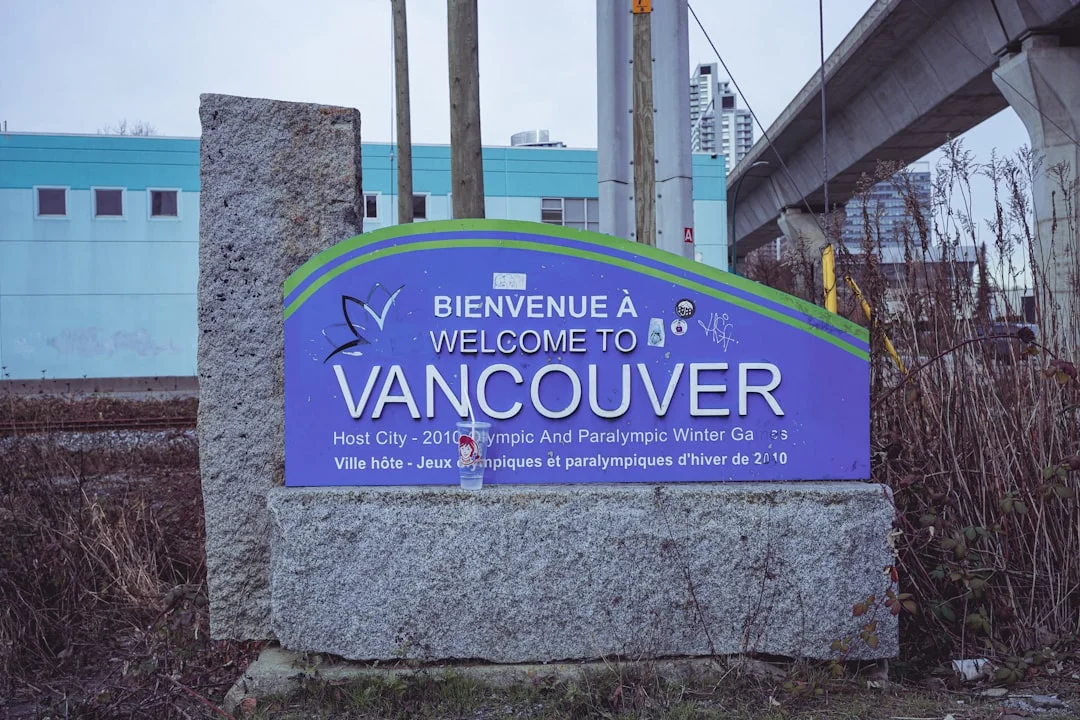
Photo by Aditya Chinchure on Unsplash
Vancouver is quickly becoming a focal point for climate-tech innovation that transcends national borders. In recent months, a growing constellation of cross-border initiatives—spanning accelerators, investment funds, and public-private partnerships—has elevated the city as a hub for Vancouver climate-tech accelerator cross-border startups. This momentum is underscored by high-profile events that gather founders, investors, and policymakers from both sides of the Canada-U.S. border, as well as by funding announcements and cross-border collaboration agreements that lay the groundwork for scale across Cascadia and beyond. The net effect is a more connected ecosystem in which Vancouver-based climate-tech startups can access larger markets, more capital, and a broader network of partners, suppliers, and customers. This is not a single program, but a regional shift toward multi-jurisdictional acceleration and support for climate solutions.
The past few months have reinforced the relevance of Vancouver within a Cascadia-wide climate-tech strategy. A formal cross-border framework between British Columbia and Washington State has long existed to advance innovation and clean technology, with the Cascadia Innovation Corridor as a guiding concept. While the 2016 Memorandum of Understanding laid out principles for cross-border cooperation in technology and clean tech, the practical effects have evolved as Vancouver’s climate-tech scene matures and attracts more global players. This foundational cross-border framework provides a backdrop for the current wave of accelerator activity that targets Vancouver climate-tech startups and their ability to reach cross-border customers, pilots, and investors. (connectcascadia.com)
Opening: The News, in Brief
- In May 2026, Vancouver hosted ClimateGlobal 2026 at UBC Robson Square, signaling intensified cross-border dialogue around climate tech, market access, and international collaboration. The event drew climate-tech founders, investors, incubators, accelerators, and government-linked organizations to explore strategies for bridging markets and accelerating pilots across borders. (luma.com)
- Vancouver-based NorthX Climate Tech highlighted cross-border momentum with a June 2026 funding milestone, announcing a $3 million follow-on investment in Moment Energy to scale second-life battery storage deployments in British Columbia. The announcement underscores how cross-border capital is flowing to climate-tech ventures in the region. (northx.ca)
- Global accelerators are expanding into Canada through cross-border partnerships, such as Blue Action Accelerator’s January 2025 Canada expansion in partnership with COAST in British Columbia, signaling a concrete, sponsor-backed path for Vancouver climate-tech startups to access international acceleration and market/testing facilities. (blueaction.eco)
Section 1 — What Happened
Cross-Border Collaboration Frameworks
The Cascadia region has long pursued closer linkages across British Columbia, Washington, and Oregon to unlock shared opportunities in technology, clean energy, and industrial innovation. The BC-WA Innovation Memorandum of Understanding—signed under the broader umbrella of the Cascadia Innovation Corridor—establishes guiding principles for cross-border cooperation in areas including clean technology, research, workforce development, and investment. The document emphasizes the importance of a seamless flow of people and goods across the border and the potential for a 21st-century economic corridor that connects regional ecosystems in meaningful ways. While the MOUs date back to earlier years, the framework remains a touchstone for ongoing cross-border programs and collaborations that Vancouver climate-tech startups rely on as they scale into the U.S. market and beyond. This cross-border scaffolding helps explain why Vancouver-based accelerators and climate-tech ecosystem builders view the WA market as an important growth axis. (connectcascadia.com) CVAN—the Cascadia Venture Acceleration Network—emerges in scholarly and policy-oriented discussions as a concrete example of cross-border collaboration designed to connect startups with funding and cross-border opportunities across BC, WA, and Oregon. Originating from Cascadia’s cross-border ecosystem-building efforts, CVAN represents a networked approach to accelerating early-stage technology ventures across three jurisdictions. Recent analyses describe CVAN as an attempt to link BC and WA startup ecosystems with cross-border investors and partners, illustrating how Vancouver climate-tech startups can access capital and markets on both sides of the border. (dspace.library.uvic.ca) Together, these elements—formal cross-border accords and cross-border accelerator networks—provide a framework within which Vancouver climate-tech accelerators can operate more fluidly with Washington state partners, enabling smoother pilot deployments, shared testing facilities, and joint go-to-market strategies. They also anchor the perception that climate-tech acceleration in Vancouver is not isolated but part of a broader, multi-jurisdictional ecosystem. (dspace.library.uvic.ca)
Vancouver as a Climate-Tech Event Hub and Demonstration Ground
ClimateGlobal 2026, held on May 12 at UBC Robson Square in Vancouver, was a clear signal that Vancouver is stepping into a leadership role in cross-border climate tech dialogue. The event, organized by ClimateDoor and Vancouver Venture Asset Management, drew climate-tech founders, investors, incubators, accelerators, and government-linked organizations with a mandate to explore cross-border collaboration, market access, pilots, and international partnerships. The program showcased panels and workshops focused on going global from Canada, Indigenous partnerships in climate markets, and leveraging international ecosystems to de-risk climate-tech adoption. BC Minister of Energy and Climate Solutions Adrian Dix delivered keynote remarks, underscoring the government’s role in supporting climate innovation and cross-border ventures. The event’s presence in Vancouver cements the city’s status as a cross-border climate-tech meeting point and provides a tangible venue for Vancouver climate-tech accelerator cross-border startups to connect with U.S. partners and international stakeholders. (luma.com)
Frontier Collective has highlighted Vancouver’s role as a hub for cross-border collaboration by describing the city as the home base for a growing network of cross-border corridors and a launchpad for global innovation ecosystems. Their content notes that Vancouver is a central node in a wider network of partnerships that connect frontier tech founders with capital, customers, and policy support across borders. The organization touts its Vancouver headquarters alongside a global mission to create a durable, cross-border innovation infrastructure. This framing aligns with how climate-tech accelerators in Vancouver position themselves as gateways to cross-border pilots and markets. (thefrontiercollective.com) Blue Action Accelerator’s Canada expansion is another real-world indicator of cross-border acceleration activity linked to Vancouver’s climate-tech ecosystem. The program, backed by Founders Factory and other partners, explicitly states its expansion into Canada through a partnership with COAST in British Columbia, signaling formal cross-border acceleration collaboration designed to connect climate-tech startups to a broader, global investor and customer network. The program’s stated structure—seed-stage capital, four months of expert-led programming, and access to testing grounds—mirrors a model that Vancouver-based climate-tech accelerators could emulate to accelerate cross-border startups. This is notable because it demonstrates a scalable pathway for Vancouver climate-tech accelerators to become part of global acceleration networks. (blueaction.eco) NorthX Climate Tech’s activity provides a concrete (and contemporary) data point that cross-border funding is moving in Vancouver’s direction. In June 2026, NorthX announced a $3 million follow-on investment in Moment Energy, a BC-based battery-energy storage company leveraging repurposed EV batteries. The company’s portfolio and open intake announcements further illustrate the flow of cross-border capital into Vancouver-area climate-tech ventures and the growing depth of the ecosystem that Vancouver climate-tech accelerators can tap into. NorthX’s public impact metrics—investments, project value, and jobs created—offer a tangible signal of how cross-border capital can accelerate scale for regional climate-tech companies. (northx.ca)
Section 2 — Why It Matters
Economic and Investment Implications for BC and WA
The cross-border climate-tech acceleration dynamic has tangible implications for financing and market access. The Cascadia cross-border ecosystem discussions emphasize the potential for cross-border capital flows, shared testing grounds, and joint go-to-market activities that reduce friction for early-stage climate-tech startups seeking multi-jurisdiction pilots and customers. CVAN’s documented intent to match start-ups with cross-border funding and collaboration opportunities highlights a practical mechanism by which Vancouver climate-tech accelerators can route high-potential ventures into Washington and Oregon markets, while WA-based funds and mentors gain access to Canada’s talent pool and testing infrastructure. The cross-border context also aligns with the long-standing Cascadia Innovation Corridor’s mission to connect research institutions, industry players, and government partners in a shared climate-tech agenda. (dspace.library.uvic.ca) On the investment side, NorthX’s June 2026 activity offers a concrete signal that cross-border funding is accelerating. A $3 million follow-on investment in Moment Energy demonstrates not only confidence in BC’s battery storage sector but also the ability for a Vancouver-based climate-tech accelerator ecosystem to attract significant funding that can catalyze further cross-border pilots and market expansion. Moreover, NorthX’s broader portfolio and impact metrics—such as hundreds of millions of dollars in catalyzed investments and thousands of jobs—illustrate the economic multiplier effects that cross-border acceleration can deliver in the region. While these figures are high-level, they provide a useful proxy for the scale of opportunity that Vancouver climate-tech accelerator cross-border startups might unlock as the ecosystem matures. (northx.ca)
Impacts on Startups, Jobs, and Market Access
The cross-border activity described—ranging from MOUs and cross-border corridors to accelerator programs and investment rounds—directly expands the addressable market for Vancouver climate-tech startups. The BC-WA cross-border framework explicitly notes that cross-border collaboration can expand access to capital and markets while also enabling knowledge transfer across jurisdictions. The CVAN literature emphasizes that cross-border networks can help startups navigate regulatory and market-entry challenges by connecting them with partners across the Cascadia megaregion. In practice, this means Vancouver climate-tech startups can pilot technology in Washington and Oregon, scale through Canadian and American funding channels, and attract international customers in adjacent markets. The collaboration ecosystem, and the presence of multi-jurisdictional accelerators and investors, reduces some of the conventional barriers that early-stage climate ventures encounter when expanding beyond a single country. (connectcascadia.com)

Forward-looking industry analyses show that Vancouver is becoming a node in a broader climate-tech value chain that includes testing grounds, industrial partners, and investor networks. Blue Action Accelerator’s cross-border expansion into Canada and the presence of global platforms that support cross-border climate ventures demonstrate a global appetite for climate technologies that Vancouver can tap into. The presence of cross-border events like ClimateGlobal, hosted in Vancouver, signals ongoing commitment from ecosystem builders to create an environment where climate-tech startups can connect with international customers, investors, and partners in a time-efficient manner. (blueaction.eco)
Risks, Barriers, and Balanced Perspectives
A cross-border acceleration strategy is not without challenges. The Cascadia cross-border ecosystem literature emphasizes opportunities but also notes the need to address friction points, such as regulatory alignment, visa and work-permit considerations for talent, and the logistics of cross-border collaboration. The CVAN analysis discusses challenges in real-world cross-border integration, highlighting the gap between policy-level coordination and practical, on-the-ground collaboration among startups, universities, and industry players. In other words, while MOUs and cross-border networks lay the groundwork, actual deal-making and execution depend on implementing mechanisms to streamline cross-border talent movement, funding processes, and regulatory harmonization. Vancouver climate-tech accelerators should watch closely for any tightening of cross-border rules, policy shifts, or regulatory divergence that could affect cross-border pilots and market access. (dspace.library.uvic.ca)
Section 3 — What’s Next
Near-Term Milestones and Timelines
Looking ahead, the cross-border momentum around Vancouver climate-tech startups suggests several near-term milestones to watch:

- Reunions and progress reviews of Cascadia cross-border initiatives: The 2016 BC-WA MOU contemplates reconvening within two years to evaluate progress and identify additional opportunities. Expect a formal update or new activity around 2026–2028, with potential expansions in shared funding mechanisms and cross-border training programs. This cadence aligns with ongoing Cascadia corridor activities and the broader push for climate-tech collaboration across universities, industry, and government. (connectcascadia.com)
- ClimateGlobal-type events continuing to land in Vancouver: The Vancouver-based ClimateGlobal model demonstrates how cross-border ecosystem builders can host high-visibility forums that attract investors, policy makers, and entrepreneurs. If ClimateGlobal or similar initiatives repeat, Vancouver can become a recurring anchor for cross-border climate-tech dialogs that feed into accelerator programs and investment pipelines. (luma.com)
- Investment pipelines and testing grounds across Cascadia: NorthX’s June 2026 activity signals ongoing capital deployment in BC-based climate-tech ventures. Expect continued cross-border finance activity with Vancouver accelerators playing a central role in identifying cohorts, validating technologies, and connecting founders with strategic buyers and test facilities. The momentum around Moment Energy and similar projects suggests that VC, strategic corporate partners, and government-backed funds will remain active in the region. (northx.ca)
- Cross-border accelerator programs expanding into Canada and beyond: Blue Action Accelerator’s Canadian expansion illustrates a model that Vancouver climate-tech accelerators may replicate or partner with, potentially enabling more Vancouver-based cohorts to access international mentors, markets, and customers. As cross-border ecosystems grow, more accelerators will likely formalize partnerships with Canadian hubs to accelerate climate solutions across borders. (blueaction.eco)
Long-Term Implications and Watchpoints
The long-term trajectory for Vancouver climate-tech accelerators operating across borders will hinge on several factors:
- Policy harmony and border facilitation: The Cascadia cross-border ecosystem requires ongoing collaboration among provincial and state governments to reduce friction for cross-border startups, researchers, and investors. Ongoing dialogue and refreshed cross-border frameworks could unlock deeper collaboration in areas like clean energy testing, pilot programs, and cross-border procurement. CVAN’s emphasis on funding and collaboration opportunities across borders highlights the strategic importance of compatible policy environments. (dspace.library.uvic.ca)
- Infrastructure and talent mobility: The cross-border acceleration model relies on access to talent, facilities, and testing grounds that are accessible across borders. Maintaining efficient visa processes, shared facilities, and cross-border training programs will be critical to sustaining growth in Vancouver climate-tech startups that scale into U.S. markets. MOUs and cross-border corridor initiatives underscore this shared priority. (connectcascadia.com)
- Investment depth and risk management: The convergence of accelerators, investors, and corporate partners in Vancouver’s climate-tech scene will determine whether cross-border startups can consistently raise capital and secure pilots. The NorthX example demonstrates the scale of capital that can flow into the region; sustaining this momentum will require pipeline development, risk-sharing mechanisms, and clear pathways to follow-on funding. (northx.ca)
- Global market access: ClimateGlobal-style events that bring together Canadian and international players can accelerate the process of going global from Canada, including identifying pilot markets and strategic alliances in Europe, Asia, and the Americas. Vancouver’s role as a cross-border climate-tech hub could be amplified by continued international partnerships and by accelerators that formalize cross-border cohorts and joint go-to-market programs. (luma.com)
Closing
The evolving Vancouver climate-tech accelerator landscape—bolstered by cross-border collaboration frameworks, regional networks, and high-profile events—signals a ripening ecosystem for climate-tech startups that seeks scale across Cascadia and beyond. The alignment of policy, investment, and accelerator programs across British Columbia and Washington State offers a practical pathway for founders to move faster from prototype to pilots, pilots to customers, and customers to broader market adoption. For readers tracking technology and market trends, Vancouver’s cross-border climate-tech activity provides a timely example of how regional ecosystems can coordinate to propel climate solutions onto the global stage. BC Times will continue to monitor cross-border partnerships, accelerator programs, and funding announcements that shape the trajectory of Vancouver climate-tech accelerator cross-border startups.
As this cross-border momentum unfolds, readers can stay updated through official event pages and partner announcements from ClimateGlobal Vancouver, Blue Action Accelerator, and NorthX, as well as through cross-border ecosystem reports and Cascadia Corridor updates that map the evolving landscape of Vancouver’s climate-tech accelerators and their cross-border ambitions. The convergence of government support, accelerator networks, and investor interest indicates that Vancouver climate-tech startups are entering a coordinated, international growth phase—one that could redefine how climate innovation scales across borders.