Vancouver dining 2026 new restaurants: Openings and Trends

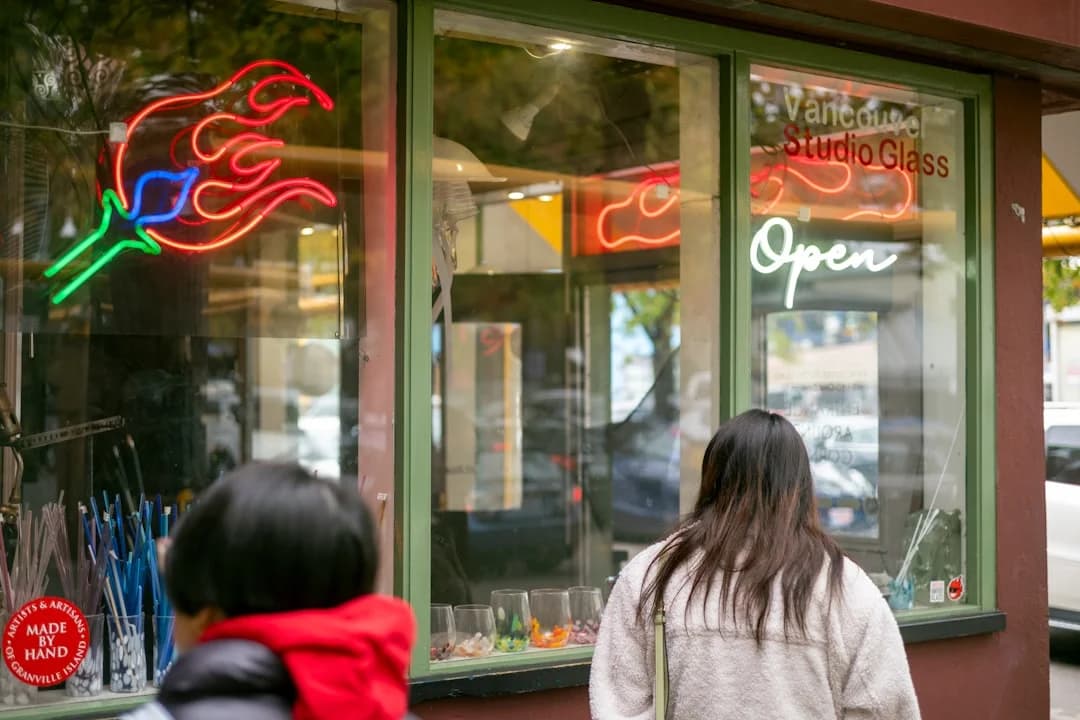
Photo by Mia de Jesus on Unsplash
Vancouver is entering 2026 with a bold slate of new dining experiences that could redefine the local hospitality landscape. The city’s most anticipated anchor is Time Out Market Vancouver, slated to open in spring 2026 at Oakridge Park. Early details confirm the venue will feature a curated mix of local chefs across multiple concepts, with 18 kitchens and more than 1,000 seats, along with several bars and event spaces. The market’s arrival signals a major shift in how Vancouverites will experience food halls and collaborative culinary spaces, pairing big-city concepts with a distinctly local sensibility. The development comes as part of a broader revitalization of Vancouver’s dining economy, which is also poised to leverage the city’s festival calendar and a growing roster of new restaurant openings across the downtown core and surrounding neighborhoods. (timeout.com)
In parallel, Dine Out Vancouver 2026 — the city’s long-running, data-driven dining festival — is returning January 21 through February 8, 2026, with hundreds of participating restaurants and a record roster of more than 450 venues, including over 100 first-timers. The festival’s scale underscores Vancouver’s appetite for accessible, chef-driven cuisine and its capacity to drive visitation and sales across diverse neighborhoods. For readers tracking Vancouver dining 2026 new restaurants, the festival’s expansion matters because it serves as a real-time market thermometer, capturing consumer demand shifts, price-tier experimentation, and menu innovation across the region. The festival continues to emphasize fixed-price menus across multiple tiers, a trend designed to broaden participation and make premium dining more approachable. (destinationvancouver.com)
Beyond openings and festival lineups, the city’s dining ecosystem is evolving through a mix of pop-ups, downtown relocations, and planned new entrants that illustrate how operators are adapting to real estate realities, digital demand, and shifting consumer preferences. Notably, Paragon Tea Room expanded its downtown presence through a pop-up at CF Pacific Centre in downtown Vancouver, launching on April 3, 2025, as a testbed for continuity in a changing retail landscape. While this is not a traditional restaurant launch, it demonstrates the market’s openness to flexible formats that can sustain brand visibility and customer engagement amid ongoing space turnover. (cadillacfairview.com)
As the year unfolds, Vancouver dining 2026 new restaurants are not limited to one marquee concept. Downtown Vancouver is tracking a steady stream of planned openings, with several notable entrants anticipated in 2026, including Dante Italian Sandwich in the Financial District, Dave’s Hot Chicken aiming for Granville Street, and Aburi Market expanding downtown footprint. These entries reflect a broader mix of fast-casual, casual-dining, and concept markets that align with a city that values speed, quality, and variety in its dining options. While opening dates remain subject to tenant and permitting timelines, industry watchers are ready to monitor these developments as early indicators of the city’s 2026 dining season. (dtvan.ca)
What Happened
Time Out Market Vancouver arrives with a multi-concept kitchen roster
Time Out Market Vancouver has formally positioned itself as a defining addition to the city’s dining repertoire, with an opening planned for spring 2026 at Oakridge Park. The market will feature multiple culinary concepts under one roof, anchored by six initial vendor concepts and a broader lineup that will expand to 18 kitchens, plus bars and event spaces. The project is positioned as the brand’s second Canadian location, following Montreal, signaling Vancouver’s growing appeal to globally recognized food-market formats while maintaining a strong local emphasis. The scale and curation are designed to attract both local residents and visitors seeking a diversified dining destination in one of the city’s most dynamic neighbourhoods. “Time Out Market Vancouver is building a platform for local chefs to showcase their work within a larger, curated experience,” a market spokesperson indicated in initial disclosures. (retail-insider.com)
Time Out Market’s vendor strategy and size are designed to create a high-traffic, omnichannel experience. The initial six vendors provide a snapshot of the market’s cross-section of offerings, ranging from casual bites to more refined concepts, with the full roster expanding to 18 kitchens as the market matures. The vendor lineups and market format are structured around the Time Out model: a community-forward, chef-driven mix that leverages the scale of a market environment while preserving the individuality of each concept. Retail- and hospitality-industry observers view this approach as a potential catalyst for new cross-collaborations among Vancouver’s restaurant community. “The market anchors a new kind of dining culture in the city,” one insider noted, underscoring the potential for this format to drive incremental foot traffic and longer dwell times. (retail-insider.com)
Dine Out Vancouver 2026 sets a record for participation and price innovation
Dine Out Vancouver 2026 represents a major milestone for the city’s dining calendar. The festival will run from January 21 to February 8, 2026, and will feature more than 450 participating restaurants, including well over 100 first-timers. This marks the festival’s 24th year and signals sustained demand for affordable, chef-driven meals across a range of neighbourhoods. The scale of the lineup also highlights the city’s appetite for inclusive dining experiences that expose residents to new concepts while supporting local operators during a potentially slower winter season. Details from Destination Vancouver emphasize the festival’s broad geographic reach and its role in shaping consumer expectations for 2026 Vancouver dining. (destinationvancouver.com)
A noteworthy element of Dine Out 2026 is the introduction of fixed-price menus across multiple tiers, providing clearer budgeting for families and casual diners while still offering premium experiences at the higher end. The 2026 price-tiering approach is designed to broaden participation and to help diners discover new concepts without the risk of sticker shock. The festival’s pricing structure aligns with broader market trends that are increasingly visible in Vancouver dining 2026 new restaurants — a move toward transparent, predictable pricing that suits both operators and guests. Industry observers describe this as a practical, reader-friendly mechanism that can sustain demand across a spectrum of price points. (foodietours.ca)
Paragon Tea Room’s downtown pop-up signals flexible formats amid space turnover
Paragon Tea Room’s April 2025 pop-up at CF Pacific Centre in downtown Vancouver illustrates how established concepts are adapting to the city’s evolving real estate landscape. While not a traditional restaurant launch, the pop-up demonstrates the resilience of established brands and their willingness to experiment with location formats to maintain visibility and customer engagement. The collaboration with a major downtown mall provides a practical template for other brands navigating shifts in leasable space and consumer foot traffic. This move complements the Time Out Market strategy by expanding the city’s downtown dining footprint through flexible, high-visibility channels. (cadillacfairview.com)
Downtown openings to watch in 2026 reflect a diversified market entry
Beyond Time Out Market Vancouver and Dine Out events, Vancouver’s downtown corridor is watching a slate of 2026 openings that could reshape the day-to-day dining mix. Expect to see a mix of fast-casual and casual-dining concepts entering the market, with Dante Italian Sandwich and Dave’s Hot Chicken cited as likely early 2026 arrivals in the Financial District and Granville Street, respectively, alongside Aburi Market’s downtown expansion. These plans illustrate a continuing trend toward accessible, globally informed cuisine delivered with efficiency and pace, a mix that aligns with Vancouver’s resident and visitor demographics. While exact opening dates are contingent on leasing and approvals, the street-level activity signals a vibrant 2026 culinary calendar across the city. (dtvan.ca)
Why It Matters
Market momentum: a data-driven rebound and expansion

Photo by John Wilander on Unsplash
The combination of Time Out Market Vancouver and Dine Out Vancouver 2026 reflects a resilient, data-driven rebound in Vancouver’s dining economy. The Time Out concept injects a curated, high-traffic destination into Oakridge Park, designed to complement the existing restaurant ecology rather than displace it. This strategy is consistent with broader market dynamics that favor mixed-use venues, culinary incubators, and kitchen-scale concepts that can quickly adapt to consumer preferences. The fact that Time Out Market Vancouver is poised as the brand’s second Canadian location underscores the city’s appeal to international market formats while preserving a distinctly local character. (timeout.com)
Meanwhile, Dine Out Vancouver 2026 functions as both a festival and a market signal: it aggregates demand, tests price sensitivity, and showcases neighborhood-level dining identity. The record participation level and the inclusion of more than 100 first-timers suggest a healthy appetite for culinary experimentation and a willingness among operators to invest in new concepts for a broad audience. The festival’s fixed-price tier approach is particularly relevant for readers following Vancouver dining 2026 new restaurants, as it makes it easier for curious diners to sample a variety of venues without committing to a multiple-course, à la carte expenditure. These dynamics contribute to a more inclusive dining ecosystem and create a template for other markets seeking to balance premium and accessible experiences. (destinationvancouver.com)
Technology, pricing, and consumer access as growth levers
The 2026 edition of Dine Out Vancouver illustrates a trend toward pricing clarity and tiered options that can drive participation across income groups. Fixed-price menus at four standard tiers plus a luxury tier align with consumer demand for predictability and value, particularly during the winter festival period when demand concentrates. For readers tracking Vancouver dining 2026 new restaurants, this pricing approach helps to set expectations for what a “dining experience” may cost at a given restaurant, while still supporting experimentation with new concepts that might eventually graduate to a la carte menus. This is the kind of market signal analysts watch to gauge how new openings might position themselves for long-term viability. (foodietours.ca)
Time Out Market Vancouver further reinforces the tech-forward, experience-driven arc of the city’s dining scene. By aggregating multiple chefs under one roof, the market creates data-rich opportunities for consumer insights, cross-promotional activities, and optimized operations across a shared space. The market’s vendor lineup, and the subsequent expansion to 18 kitchens, signals a scalable model that can accommodate new concepts quickly, a feature particularly valuable in a city where real estate and permit timelines can be tight. Observers note that the market’s collaborative model could empower smaller operators to test new ideas with reduced risk, and it may spur more partnerships among established brands and up-and-coming talent. “Time Out Market Vancouver represents a platform for local chefs to scale without losing their distinctive voice,” one industry observer remarked, pointing to the potential for community-building benefits alongside commercial growth. (retail-insider.com)
Local impact: jobs, neighborhoods, and supplier networks
The emergence of major new dining destinations and festival-driven activity is likely to ripple through Vancouver’s labor market, supplier networks, and neighborhood economies. A growing roster of openings in downtown hubs, plus a major market venue in Oakridge Park, can create spillover benefits for nearby retailers, transit access, and pedestrian activity. As the city experiences more dense, multi-concept dining environments, there is potential for increased demand for skilled kitchen staff, front-of-house professionals, and a broader range of suppliers—from artisanal producers to beverage producers. The precise scale of job creation and supplier demand will depend on the pace of openings, the mix of concepts, and the degree to which operators lean on technology and data to optimize operations. While it is too early to quantify exact employment figures for 2026, early indicators point to a more dynamic and resilient hospitality ecosystem relative to pre-pandemic levels. (timeout.com)
Real estate and neighborhood dynamics in a changing city
Vancouver’s 2026 dining landscape is inseparable from the city’s real estate and urban planning context. The pop-up strategy employed by Paragon Tea Room in a major downtown mall demonstrates how brands adapt to space turnover and evolving consumer touchpoints. This approach, combined with large-scale concepts like Time Out Market Vancouver, suggests a diversified strategy for filling vacant or transitional spaces with high-visibility dining that can still deliver strong foot traffic and brand engagement. Observers note that such formats could influence how developers and tenants approach tenancy mix, turning culinary experiences into a magnet for footfall and longer dwell times. However, these developments also occur within a market that has faced ongoing space turnover and redevelopment pressures, reinforcing the need for flexible, resilient business models. (cadillacfairview.com)
A balanced view: opportunities and challenges
From a data-driven perspective, Vancouver dining 2026 new restaurants represent both opportunity and risk. The opportunities include expanded customer choice, a platform for local culinary talent to scale, and the potential for technology-enabled experiences that increase efficiency and engagement. The risks stem from rent volatility, permitting timelines, supply chain constraints, and the need to sustain a high level of quality across a broad portfolio of concepts. As with any rapid evolution in the restaurant sector, the most successful operators will be those who combine strong concept differentiation with disciplined financial management and responsive guest service. The market’s trajectory remains promising overall, but it will require ongoing analysis and adaptation by operators, investors, and city planners alike. (destinationvancouver.com)
What’s Next
Timeline and milestones to watch in 2026
- Spring 2026: Time Out Market Vancouver is set to open in Oakridge Park, featuring 18 kitchens, three bars, and more than 1,000 seats as a new anchor for the city’s dining scene. This venue will anchor a shift toward mega-dining hubs that combine local talent with global market concepts. The project is described as the brand’s second Canadian location, reinforcing Vancouver’s appeal as a destination for innovative food halls. (timeout.com)
- January 21–February 8, 2026: Dine Out Vancouver 2026 runs for three weeks, with an expected participation of 450+ restaurants and over 100 first-timers. The festival continues to evolve with fixed-price menus across multiple tiers, designed to broaden accessibility while showcasing both established and emerging concepts. Diners can anticipate a wide range of experiences across the region, from fine dining showcases to casual bites. (destinationvancouver.com)
- Throughout 2026: Ongoing openings in Downtown Vancouver and surrounding neighborhoods, including anticipated entries like Dante Italian Sandwich in the Financial District, Dave’s Hot Chicken on Granville Street, and Aburi Market’s expanded downtown footprint. While exact dates depend on leasing and regulatory timelines, these entrants reflect a diversified, multi-speed approach to growth that characterizes Vancouver dining 2026 new restaurants. (dtvan.ca)
- 2025–2026: Paragon Tea Room’s downtown pop-up at CF Pacific Centre demonstrates ongoing experimentation with location formats and resilience in the face of real estate turnover. While not a traditional launch, the ongoing pop-up strategy signals the broader appetite for flexible, high-visibility dining experiences in downtown Vancouver. (cadillacfairview.com)
What to watch for: indicators of future performance
- Market collaboration and cross-pollination: As Time Out Market Vancouver and similar venues grow, expect more cross-promotional activities, joint events with local chefs, and partnerships that leverage a shared infrastructure to accelerate concept testing and scale. The vendor lineup and market design are foundational to this trend, with a model that favors experimentation within a curated framework. (retail-insider.com)
- Price transparency and consumer behavior: The fixed-price menu approach in Dine Out 2026 provides a natural test bed for consumer pricing psychology and concept viability. Observers will watch whether multi-tier pricing drives incremental visit frequency and broader participation across neighborhoods, particularly during slower winter months when special events and promotions can move the needle. (foodietours.ca)
- Downtown density and neighborhood vitality: The downtown dining expansion, combined with the Time Out Market format, suggests a broader strategy to anchor pedestrian activity and evening economy in core districts. Real estate dynamics will continue to influence which concepts succeed and where, so monitoring permit approvals, lease terms, and tenant mix will be essential for predicting 2026 outcomes. (dtvan.ca)
Readers’ takeaway: what this means for Vancouver dining 2026 new restaurants
For readers tracking Vancouver dining 2026 new restaurants, the central takeaway is that the city is moving toward a more dynamic, multi-speed, and data-informed dining ecosystem. The convergence of a new market hall concept in a major shopping district, a citywide festival that tests menus and pricing, and targeted downtown expansions signals a coordinated approach to growing dining demand while managing risk. The market is becoming more accessible to a broader range of cuisines and dining styles, while still preserving room for premium experiences and chef-led innovation. As always, staying informed through official channels and trusted industry coverage will be essential for navigating this rapidly evolving landscape. (timeout.com)
Closing Vancouver’s 2026 dining scene appears poised to deliver a powerful mix of new restaurants, multi-concept venues, and festival-driven discovery. The Time Out Market Vancouver project, combined with the expansive Dine Out Vancouver 2026 program and ongoing downtown openings, constructs a framework for growth that is both ambitious and grounded in data-driven consumer demand. For readers seeking to understand Vancouver dining 2026 new restaurants, the coming months will offer a steady stream of milestones, from market openings to menu reveals and price-tested experiences that reveal what Vancouver will eat, and how much it will spend, in 2026 and beyond. To stay updated, follow official channels such as Time Out Market Vancouver announcements, Destination Vancouver event calendars, and major local outlets covering restaurant openings and real estate developments.