Vancouver dining and craft beer 2026: Tech Trends

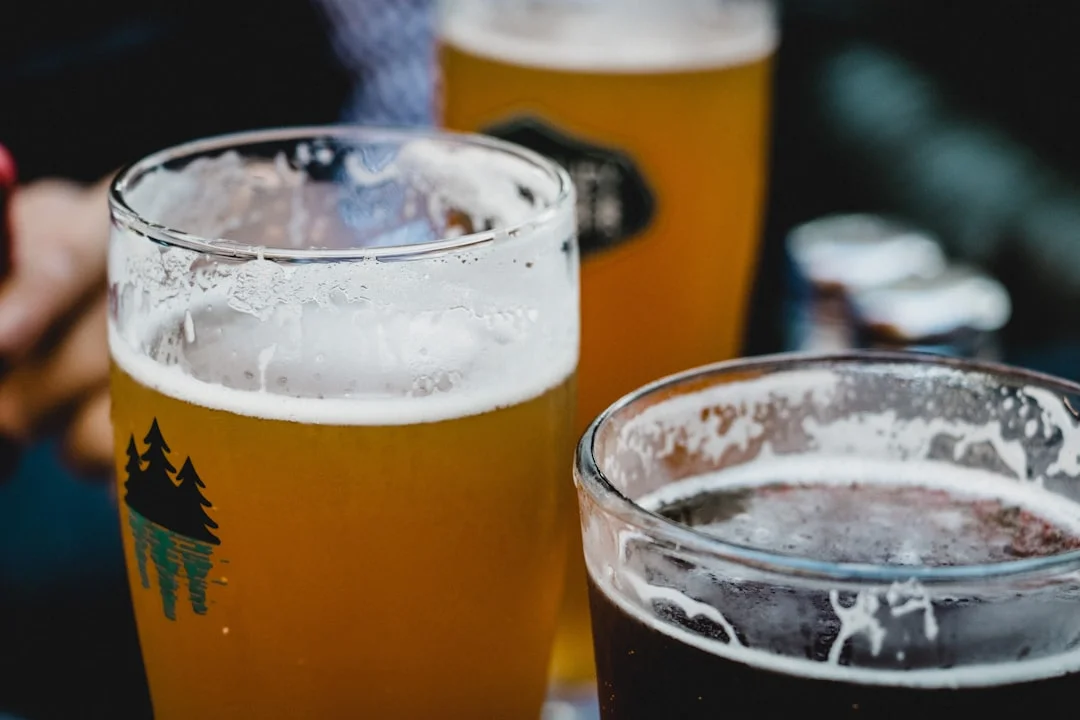
Photo by Carlos Blanco on Unsplash
Vancouver’s dining and craft beer scenes are entering 2026 at a pivotal moment. A wave of high-profile openings alongside technology-driven improvements in operations signals a broader shift in how the city experiences food, drink, and social gatherings. With Time Out Market Vancouver slated to open in Spring 2026 at Oakridge Park and Dine Out Vancouver Festival returning January 21 to February 8, 2026 as the city’s largest annual dining celebration, the year is shaping up as a defining period for Vancouver’s hospitality economy. These developments coincide with a complex backdrop of market pressures in British Columbia’s craft beer sector, including calls for tax reform and a notable number of brewery closures in 2025, shaping both short‑term headlines and longer-term strategic bets for operators, suppliers, and regulators. The convergence of major openings, festival activity, and evolving policy in 2026 makes Vancouver dining and craft beer a lens into how technology, consumer behavior, and provincial economics are reshaping the city’s food-and-beverage landscape. (timeout.com)
Section 1: What Happened
Time Out Market Vancouver makes a bold entry with an expansive kitchen lineup
Vancouver is set to welcome Time Out Market Vancouver, a sprawling 50,000-square-foot culinary and cultural destination, with an opening planned for Spring 2026 at Oakridge Park. The market will feature 18 kitchens, three bars, a bakery café, a dessert bar, a performance stage, and a large outdoor terrace, designed to offer a curated cross-section of the city’s dining and drinking talent under one roof. The venue aims to be a cultural hub as well as a dining hall, aligning with Time Out’s editorial approach to spotlight local talent and programming alongside food and beverage offerings. Early announcements identified a diverse vendor lineup and a broader ambition to attract both locals and visitors seeking a multi-sensory experience. (timeout.com)
Vendor reveals have underscored Vancouver’s depth of culinary talent rooted in the city’s neighborhoods. Among the announced concepts are Barnacle by Bar Bravo (seafood-focused), Mee Bar (modern Vietnamese influenced by Yen), Lunch Lady (Vietnamese street-food inspired), MaKaam (Thai-inspired modern cuisine), DownLow Chicken (crispy fried chicken with bold flavors), and Peacock from Vikram Vij, along with Via Tevere from the Morra brothers and other esteemed local names. Vancouver Magazine’s coverage confirms a growing, curated mix of established institutions and rising stars, signaling a balanced blend of authenticity and novelty that Time Out Market Vancouver intends to showcase. The project’s scale—roughly 1,000 seats across multiple concepts—signals a major decision by operators to anchor a new culture-and-food anchor in the city. (vanmag.com)
Oakridge Park, the project’s host site, is positioned as Vancouver’s designated new town centre and cultural hub, reinforcing the market’s potential to become a year-round magnet for residents and tourists alike. The physical footprint and integrated programming are designed to drive extended visits, cross-pollination with nearby attractions, and spillover benefits for adjacent retailers and transit nodes. This strategic placement aligns with broader urban development patterns in Vancouver, where major hospitality and entertainment projects are increasingly anchored in mixed-use districts to maximize foot traffic and spend per guest. (timeout.com)
Time Out Market Vancouver’s opening also matters for the city’s competitive dining landscape, with other 2025–2026 openings and recurring events adding momentum to the local scene. The market sits in a year that has already seen a wave of new openings in 2025 and early 2026, including Downtown Vancouver developments and anticipatory coverage by local media. Industry observers see Time Out Market as a catalyst for more collaboration among chefs, restaurateurs, and beverage producers, while also raising expectations for a consistently high-quality guest experience across cuisines and beverage programs. (vanmag.com)
Dine Out Vancouver 2026 returns with a record-breaking footprint
Dine Out Vancouver Festival remains the city’s signature culinary celebration, with Season 24 scheduled to run from January 21 to February 8, 2026. Destination Vancouver confirms that hundreds of restaurants participate, offering curated fixed-price menus during the 19-day festival. The 2026 edition marks a continued expansion of participation, with multiple new-to-market venues and a broader mix of price points and experiences designed to attract a wide range of diners. In 2025, the festival drew more than 617,000 diners and generated over $37 million in restaurant revenue, underscoring the festival’s role as a major economic engine and a bellwether for Vancouver’s hospitality performance. The 2026 reveal and reservation window emphasize early appetite for premium dining experiences during the winter season, particularly as urban centers lean into post-holiday traffic and tourism rebounds. (dineoutvancouver.com)

Photo by John Wilander on Unsplash
Dine Out Vancouver’s official portal and restaurant lineup pages show a dense network of participating venues and experiences, from fine-dining showcases to street-food collaborations and pop-up chef collaborations. The festival’s approach remains anchored in highlighting local ingredients and global flavors, mirroring the city’s broader culinary identity. The official restaurant reveal for 2026 confirms that reservations opened in mid-January, with many venues offering exclusive multi-course menus at tiered fixed prices, a structure that helps diners plan ahead while enabling restaurants to forecast demand more accurately during a typically slower winter period. (destinationvancouver.com)
The BC craft beer sector braces for policy and market shifts
British Columbia’s craft beer industry continues to be a focal point of market debate in 2025–2026. The BC Craft Brewers Guild has highlighted financial pressures from rising costs, supply-chain constraints, and a taxation framework that advocates say disadvantages local craft breweries relative to foreign-owned operations. A July 2025 campaign—Protect BC Craft Beer—argued for tax reform to level the playing field and preserve the province’s craft beer ecosystem, which the guild estimates supports more than 6,000 jobs across 70 communities. The campaign underscores a long-running call for modernization of markup rates and related incentives, pointing to a structural tax environment that some members view as unsustainable for small and mid-sized breweries. (bccraftbeer.ca)
News coverage throughout 2025 and into 2026 has reinforced the tension between tax policy and brewery viability. Local outlets and trade organizations have reported closures tied to financial stress, with industry observers noting more than 20 BC-based craft breweries shutting their taps in 2025 alone, a rate that has spurred calls for urgent policy reform. The Guild has advocated for revenue-neutral changes designed to support growth without increasing government costs, a stance supported by critics who argue the current structure favors larger, foreign-owned producers. In parallel, national tax guidance from federal authorities on excise duties and provincial measures around taxation continue to shape brewers’ cost structures and pricing strategies. (terracestandard.com)
The broader market context also matters for Vancouver’s dining and beer ecosystems. A 2025 update from BC trade groups noted energy‑related and packaging costs (including aluminum used for cans) as significant inputs for breweries, especially in light of tariff dynamics north of the border. In this climate, the craft beer narrative in Vancouver sits at the intersection of policy reform, consumer demand for local products, and the city’s ongoing push to become a broader hospitality and tourism hub. The BC market’s size—supported by more than 219 breweries in the province and a historically robust local scene—adds layers to how policymakers, retailers, and restaurateurs approach growth in 2026. (bccraftbeer.ca)
Section 2: Why It Matters
Economic and tourism implications for Vancouver’s hospitality ecosystem
The convergence of major openings, a high-profile winter festival, and policy debates around craft beer taxation has tangible implications for Vancouver’s economy and tourism appeal. Time Out Market Vancouver and Dine Out Vancouver 2026 collectively create a compelling, year-round, multi-venue draw that emphasizes experiential dining and social experiences. The Time Out Market Vancouver project, with its 18 kitchens and three beverage venues, positions Vancouver as a destination for curated culinary experiences and cross-venue collaborations, potentially extending visitors’ stays and boosting adjacent businesses around Oakridge Park and other transit-accessible districts. The market’s scale (50,000 square feet) and the expected attendance reflect a substantial incremental impact on food-and-beverage employment, supplier networks, and associated hospitality services. For local operators, the model offers opportunities for shared procurement, cross-promotion with beverage producers, and co-hosted events that can elevate nightly foot traffic and average guest checks. (timeout.com)

Photo by Haotian Zheng on Unsplash
Dine Out Vancouver’s 2026 edition reinforces this momentum by driving demand across hundreds of restaurants and experiences, including collaborations with local artisans, food trucks, and culinary events. The festival’s ability to bring in hundreds of thousands of diners—well above typical winter baselines—helps stabilize revenue cycles for restaurants during a season when foot traffic can be volatile. In 2025, the festival drew 617,000 diners and generated more than $37 million in revenue, figures that underscore the scale and economic significance of Vancouver’s winter dining calendar. The expansion to more than 450 participating restaurants for 2026 indicates a wide distribution of economic impact, from high-end tasting menus to accessible fixed-price options. For policymakers and business leaders, the festival’s success supports arguments for continued investment in culinary tourism infrastructure and local supply chains. (destinationvancouver.com)
The craft beer sector’s policy debate matters for the city’s midscale hospitality scene and for the broader Vancouver dining experience. Local breweries often serve as anchor tenants for tasting rooms and gastropubs that complement food-focused concepts, helping to diversify beverage programs and patrons’ social experiences. The push for tax reform—described as a pathway to “level the playing field” for BC craft breweries—could influence the viability of small and regional operators, affect pricing strategies, and alter capital planning for expansion or new taproom openings. In communities across the province, a healthier craft beer sector translates into more job stability, community events, and a broader, more resilient local economy. The conversation around reforms also reflects a larger trend in which municipalities seek to balance consumer demand for craft, local production with the realities of operating costs and global market pressures. (bccraftbeer.ca)
Technology’s role in shaping 2026 dining trends is another critical thread. OpenTable’s 2026 dining trends report highlights the growing integration of AI and data-driven tools to improve discovery, reservations, and guest experiences. Diners increasingly expect sophisticated, personalized experiences, and operators are responding with AI-assisted reservation concierge tools, integrated POS/CRM systems, and enhanced guest communications. This trend intersects with Time Out Market Vancouver and Dine Out Vancouver’s experiences, as tech-enabled operations can improve service efficiency, inventory management, and cross-venue coordination among multiple concepts within a single market or festival ecosystem. For Vancouver’s hospitality sector, technology adoption is not just about convenience; it’s about optimizing capacity, reducing waste, and delivering memorable experiences that differentiate the city’s dining options in a competitive market. (opentable.ca)
BC’s policy environment also matters for the region’s reputation as a stable and innovative hospitality hub. The carbon-tax policy shift in 2025 and ongoing discussions about excise duties, mindfully applied through federal and provincial channels, influence operating costs for restaurants and breweries alike. While the immediate fiscal impact varies by operation, the broader trend toward cost containment and efficiency—paired with the region’s emphasis on local, high-quality ingredients—can lead to longer-term strategic choices, such as menu optimization, supplier diversification, and investment in energy efficiency. As the industry negotiates cost pressures, the potential for tax reform to provide relief could amplify investments in local supply chains and hospitality infrastructure, further supporting Vancouver’s position as a destination for dining and craft beer in 2026 and beyond. (ablebc.ca)
Who stands to gain and who faces risk
The openings of Time Out Market Vancouver and the expansion of Dine Out Vancouver present clear upside for talented local chefs, beverage producers, and hospitality workers. The vendor ecosystem around Time Out Market Vancouver showcases a cross-section of established names and emerging talents, offering a platform for new concepts to gain traction and for familiar favorites to reach broader audiences. For vendors, the market model fosters cross-promotional opportunities with beverage programs, retail partnerships, and event programming that can amplify guest engagement and retention. The market’s emphasis on editorial-curated experiences aligns with Vancouver’s growing appetite for experiential dining and social events, which have become integral to the city’s dining narrative. This is particularly relevant as Time Out Market Vancouver and related ventures leverage the city’s talent pool to attract both local diners and international visitors. (vanmag.com)
However, there are risks and headwinds to monitor. The craft beer sector’s policy debate remains unresolved, and 2025–2026 closures illustrate the fragility of small operators facing structural cost pressures. If tax reform does not materialize or if market conditions tighten further, more breweries could struggle, potentially reducing the diversity of local beer offerings and affecting associated hospitality venues. Governance, regulatory timelines, and the pace of reform will influence how quickly the sector stabilizes, and industry groups warn that rapid changes could have short-term disruptions as operators recalibrate pricing, contracts, and production planning. These dynamics, in turn, affect restaurant and bar programs that rely on local craft beer tap lines as a core differentiator in a crowded market. (terracestandard.com)
Technology adoption in the broader dining economy also carries risk. While AI-enabled tools can improve efficiency and guest experiences, there are concerns about the cost of implementation for smaller operators, potential job displacement, and the need for staff retraining. The OpenTable data referenced earlier suggests strong interest in AI-assisted discovery and reservations, but smaller venues must weigh the upfront technology investments against the expected uplift in guest acquisition and retention. For Vancouver, where hospitality margins can be thin, selective technology adoption—targeted at high-impact areas like reservations management, inventory optimization, and guest communications—may deliver the best return without eroding the customer-centric, human-centered service that many diners still value. (opentable.ca)
A look at parallels and lessons from other markets
National and regional craft-beer markets outside British Columbia have faced similar tensions between growth ambitions and cost pressures, offering potential lessons for Vancouver’s market players. For instance, in adjacent markets, some breweries have shifted toward a hospitality-centric model—emphasizing taproom experiences, food offerings, and diversified beverage programs beyond beer alone—to weather shifts in beer demand and wholesale dynamics. While Vancouver’s unique tax structure requires tailored policy solutions, the general theme of diversification, strong community ties, and experiential dining holds across jurisdictions. Observers note that the most resilient operators tend to combine compelling guest experiences with pragmatic financial management, aligning costs, pricing, and capacity with a clear value proposition for both locals and visitors. These lessons, while not transferrable one-to-one, offer a useful reference point as Vancouver positions itself for 2026 and beyond. (vancouverisawesome.com)

Photo by Dogancan Ozturan on Unsplash
Section 3: What’s Next
Timeline and anticipated milestones for 2026
- Spring 2026: Time Out Market Vancouver opens at Oakridge Park, featuring 18 kitchens, three bars, and a curated lineup of local chefs and concepts. Early vendor announcements suggest a mix of established and rising names, with a focus on seafood, contemporary Asian-fusion options, and culturally diverse offerings. The project’s footprint and concept indicate a new anchor for Vancouver’s dining and beverage scene, with potential spillover benefits for nearby businesses and transit access. (timeout.com)
- January 21 – February 8, 2026: Dine Out Vancouver Festival returns for Season 24, expanding the city’s winter dining calendar with fixed-price menus across hundreds of restaurants and related experiences. Reservations are expected to ramp up quickly as diners take advantage of curated menus and special events across the city. The festival’s scale in 2025 and early 2026 signals continued momentum for Vancouver as a culinary destination, with cross-pollination between neighborhoods and culinary cultures driving attendance and spend. (dineoutvancouver.com)
- 2026: BC craft beer policy discussions and transition timelines continue to unfold, with industry groups pressing for tax reform and a fairer markup system. While no single timetable governs regulatory changes, the 2025–2026 advocacy efforts suggest ongoing government engagement, potential policy shifts, and the possibility of relief measures that could influence bottle/can pricing, production planning, and taproom expansion across the province. Watch for updates from the BC Craft Brewers Guild and provincial ministries as concrete proposals emerge. (bccraftbeer.ca)
Next steps for readers and stakeholders
- For diners: Plan ahead for Time Out Market Vancouver and Dine Out Vancouver 2026 by exploring vendor lineups, booking windows, and prix-fixe menus. Time Out Market Vancouver’s vendor announcements and Time Out Market’s official communications indicate a broad slate of culinary offerings and events designed to keep guests engaged over multiple visits. Early previews and media coverage suggest a strong pull for new and returning visitors alike. (timeout.com)
- For operators: Evaluate technology investments that directly impact guest experience and efficiency. OpenTable’s 2026 dining trends underscore AI-enabled discovery and reservation practices as catalysts for growth, but operators should tailor technology adoption to their specific guest profiles and operational realities. A phased approach—prioritizing reservation management, inventory visibility, and guest communications—can deliver measurable gains while minimizing disruption. (opentable.ca)
- For craft brewers and policymakers: Monitor ongoing policy discussions and market signals regarding tax reform and markup changes. The guild’s advocacy, coupled with industry closures in 2025, signals a critical policy window; timely reforms could support local production, preserve jobs, and sustain the province’s craft beer ecosystem. Engaging with government and industry groups will be essential for stakeholders seeking favorable outcomes in 2026. (bccraftbeer.ca)
What’s next for Vancouver’s dining and craft beer landscape in 2026 is a combined story of bold openings, festival-driven demand, and policy dynamics that collectively shape how residents and visitors experience the city’s food and beverage culture. The city’s hospitality ecosystem is increasingly characterized by large, experience-driven venues, a highly engaged festival calendar, and a push toward technology-enabled efficiency and personalization. Taken together, these elements suggest a year in which Vancouver’s dining and craft beer scenes are more interconnected than ever, with technology, tourism momentum, and policy decisions all playing critical roles in determining the pace and direction of growth. As the year unfolds, industry watchers will want to track opening timelines, policy announcements, festival participation figures, and the evolving mix of concepts at Time Out Market Vancouver and around the city. (timeout.com)
Closing
Vancouver’s 2026 dining and craft beer narrative is anchored in ambitious openings, large-scale festivals, and a policy environment that could recalibrate the economics of local beer production. With Time Out Market Vancouver offering a new, city-facing platform for culinary talent and Dine Out Vancouver driving winter dining traffic, the city has strong near-term catalysts for growth. At the same time, the craft beer sector’s policy debates and reported 2025 closures underscore a need for careful, data-driven decision-making by operators, policymakers, and investors. For readers of BC Times and the broader Vancouver community, the year promises a data-informed, market-conscious vantage point on how technology and market dynamics are converging to shape Vancouver’s dining and craft beer 2026—and what that means for the city’s economy, culture, and everyday life. Stay tuned for ongoing updates and in-depth coverage as 2026 develops. (opentable.ca)