Vancouver dining and Okanagan wine travel 2026: A Preview

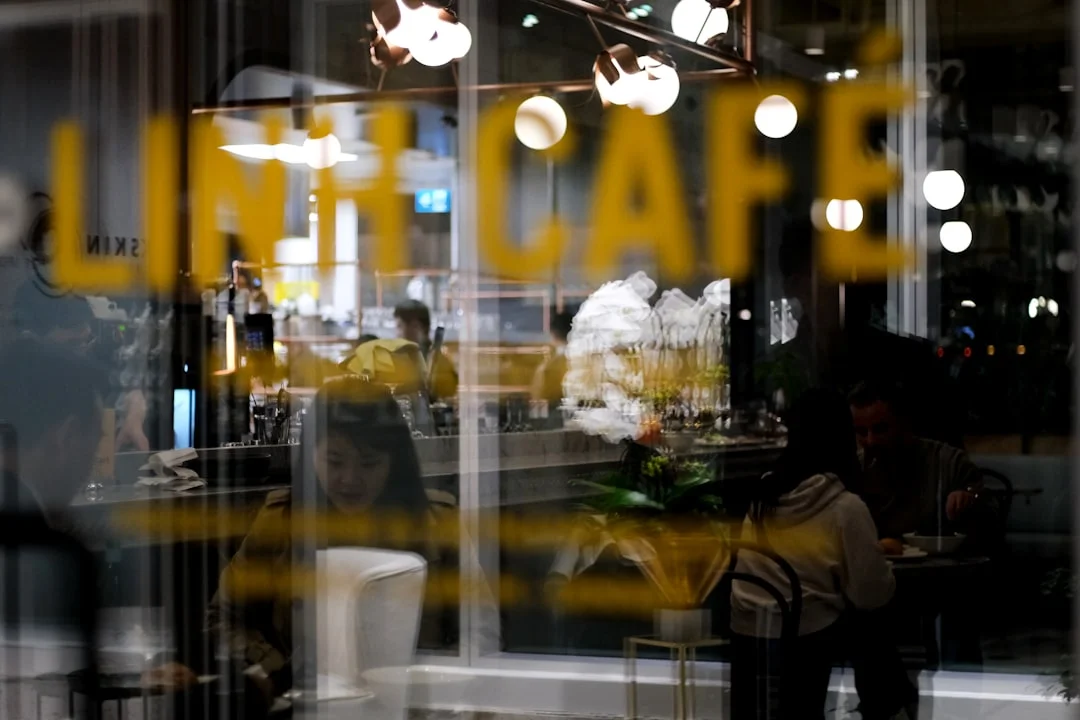
Vancouver dining and Okanagan wine travel 2026 are shaping up as BC’s most dynamic hospitality story of the year. With Time Out Market Vancouver slated to open in spring 2026 at Oakridge Park, and Dine Out Vancouver™ expanding to a record roster of participating restaurants, the province is poised for a year of intensified culinary activity and wine-focused tourism. Add a wave of downtown openings and a formal marketing push for Okanagan wine experiences, and the data point trajectory suggests a broader, more interconnected food and wine economy across Metro Vancouver and the Interior. For readers of BC Times, the news is simple: Vancouver dining and Okanagan wine travel 2026 will influence consumer choices, business strategies, and regional tourism flows through 2026 and beyond. (timeout.com)
Beyond the headlines, the year’s developments are anchored in a few concrete milestones that show up in both market signals and consumer demand. Time Out Market Vancouver’s planned spring launch in Oakridge Park will bring 18 kitchens, more than 1,000 seats, and three bars into a single, mixed-use destination, signaling a new model for casual dining and experiential food halls in the city. The Time Out Market concept is designed to curate a high-volume, high-visibility platform for local and international concepts, aligning with Vancouver’s push to diversify dining options and attract foot traffic across the dayparts. In parallel, Dine Out Vancouver™ 2026—set to run January 21 through February 8 with hundreds of venues offering multi-course menus for under $70—draws on a long-running, data-rich festival framework that now includes more than 450 participating restaurants, including well over 100 first-timers. These numbers—2, 3, 4-digit metrics across a few weeks—underscore the scale and ambition of the city’s 2026 dining calendar. (timeout.com)
This year also brings a tangible push to connect dining with wine travel in the province. Tourism Kelowna’s 2026 Wine Spots Program aims to boost winery and tasting-room visits across the Central Okanagan with a 50% funding match from Tourism Kelowna, along with print brochures, enhanced online prominence, and targeted media placements. The program’s structure—sign-up deadlines, run dates from March to December 2026, and a clear ROI model for participating wineries—illustrates how wine travel is being marketed as a coordinated, year-round experience rather than a seasonal excursion. In a broader context, the Okanagan’s wine country continues to be presented as a premier Canadian travel destination, with South Okanagan profiles highlighted in major outlets and travel guides. These developments matter for Vancouver-area travelers who are increasingly choosing to pair city dining with interior wine weekends. (tourismkelowna.com)
Opening with the news, Vancouver’s restaurant scene is entering a new era of scale and collaboration. Time Out Market Vancouver’s spring 2026 debut is set to bring together a curated mix of brands under one roof, offering a non-traditional dining experience that blends established favourites with new entrants. The project is positioned to attract not only local residents seeking variety but also out-of-town visitors looking for a central hub where multiple cuisines, beverage concepts, and cultural moments converge in one location. Time Out’s Vancouver installment will feature 18 kitchens and more than 1,000 seats, along with multiple event spaces and bars, making it a potential magnet for daytime footfall and evening dining alike. The market’s commissioning narrative emphasizes quality, accessibility, and a sense of discovery that aligns with Vancouver’s status as a culinary capital. (timeout.com)
Simultaneously, Dine Out Vancouver™ 2026 stands as a data-driven indicator of consumer willingness to explore new menus and price points. The official reveal announced that reservations are open, and the festival runs January 21 through February 8, with menus accessible across hundreds of participating venues. The 2026 edition is described as the largest in the festival’s history, with over 450 restaurants taking part and more than 100 new entrants. This expansion matters because it translates into predictable, calendar-driven demand for early-year dining across Metro Vancouver and the broader region, creating opportunities for both established kitchens and new entrants to attract volume and build brand awareness. The festival’s pricing structure—menus under $70 per person—also reflects a continued emphasis on affordability and broad accessibility within a refined culinary landscape. (destinationvancouver.com)
From a local business and urban planning perspective, new openings downtown are part of a longer arc of city-centre vibrancy in 2026. Downtown Van’s coverage of new openings maps a wave of concepts moving into the core, including Dante Italian Sandwich, Aburi Market, and Dave’s Hot Chicken, with dates and openings spread across 2026. This downtown shift complements the suburban and regional expansion, signaling that Vancouver’s dining demand is becoming more consolidated in the city’s central districts while new formats—like fast-casual, bakery-forward concepts, and premium casual—gain traction. This constellation of openings, coupled with Time Out Market Vancouver and the Dine Out Vancouver festival, creates a blended consumer proposition: high-density, transit-accessible dining options alongside destination experiences that are meant to be consumed in longer, multi-hour visits. (dtvan.ca)
The Okanagan story—especially wine travel in 2026—adds a complementary layer to the Vancouver-centric dining narrative. Tourism Kelowna’s Wine Spots Program in 2026 is designed to drive more visitors to Central Okanagan wineries through a coordinated marketing push, with a sign-up deadline of February 2, 2026, and a campaign window from March through December 2026. The program offers a significant value proposition for participants: a $2,000 investment with up to $3,000 in promotional value (50% matched by Tourism Kelowna), plus enhanced listings, guaranteed mentions in key media channels, and access to a large audience of engaged travelers. The plan signals an integrated approach to wine country tourism that complements Vancouver’s dining draw by giving travelers a reason to link city dining with interior wine experiences. The broader South Okanagan travel narrative—grounded in desert-tinged wine regions, boutique hotels, and farm-to-table dining—continues to be featured in high-profile outlets, reinforcing the interior as a year-round wine travel destination. This broader regional collaboration bodes well for readers seeking a Vancouver dining and Okanagan wine travel 2026 experience that stitches together urban and rural BC experiences. (tourismkelowna.com)
Section 1: What Happened
Time Out Market Vancouver lands in Oakridge Park
- Time Out Market Vancouver is scheduled to open in spring 2026 at Oakridge Park, bringing a multi-concept hall with 18 kitchens, three bars, and spaces designed for events and gatherings. The project positions Vancouver to join Time Out’s curated-market format that has proved popular in other global cities and is seen as a way to consolidate multiple culinary brands under a single, highly trafficked destination. The official announcement highlighted more than 1,000 seats and a venue designed for a broad range of visitors, from families to downtown workers seeking quick lunches to nocturnal diners hunting for dinner and drinks. The opening timeline and the scale of the undertaking reflect a city that is increasingly comfortable with large, purpose-built dining destinations as a complement to traditional standalone restaurants. (timeout.com)
Dine Out Vancouver 2026 expands to a record participation level
- The Dine Out Vancouver™ festival in 2026 runs from January 21 to February 8, with hundreds of the region’s top restaurants offering multi-course menus under $70 per person. This year’s festival breaks previous participation records, with over 450 restaurants involved and more than 100 first-timers. The official provide-the-restaurant-reveal narrative from Destination Vancouver emphasizes the festival’s role as a yearly catalyst for dining discovery, a driver of early-year traffic, and a platform for both high-end and more accessible culinary options. The festival’s approach—fixed menu pricing across tiers and a broad geographic footprint—continues to position Vancouver as a city where quality, value, and variety coexist in a single calendar window. (destinationvancouver.com)
Downtown Vancouver openings signal a robust 2026 for city dining
- A separate wave of openings in downtown Vancouver, highlighted by outlets like Dante Italian Sandwich, Aburi Market, and Dave’s Hot Chicken, points to a strong downtown dining pipeline for 2026. The Downtown Van “The Lowdown” coverage outlines openings across multiple sectors, from casual to fast-casual to international concepts, with openings described as “opening: early 2026” or “opening: TBA 2026” in several cases. This downtown activity complements the Time Out Market and Dine Out Vancouver efforts by increasing the city’s density of dining options and enabling visitors to pair market and festival experiences with a broader suite of everyday and experiential dining. (dtvan.ca)
Okanagan wine travel 2026 expands marketing and experiences
- Tourism Kelowna’s 2026 Wine Spots Program is designed to help wineries and wine-focused experiences reach travelers with targeted marketing tactics, including paid advertising in recognized outlets, enhanced online listings, and assorted media placements. The program requires a $2,000 to $2,400 investment (member vs. non-member), with a goal of driving visitors to the Central Okanagan and its wine trails. Key program features include a print brochure (10,000 copies planned for distribution through major hubs), guaranteed blog and social media coverage, and a sustained online and offline presence across 2026. The program is part of a broader strategy to stabilize and grow wine tourism outside summer peaks, thereby aligning with Vancouver dining and Okanagan wine travel 2026 as a cohesive BC tourism narrative. (tourismkelowna.com)
South Okanagan as a year-round destination
- The South Okanagan region, including Oliver, Osoyoos, and the Naramata Bench, continues to be portrayed as a premier destination for wine lovers and foodies alike. Major media coverage—such as the Vogue travel guide—highlights the region’s wine portfolio, farm-to-table dining options, boutique accommodations, and complementary experiences like cycling, hiking, and Indigenous cultural immersion. The South Okanagan narrative positions wine travel as a year-round draw, not merely a summer pastime, which aligns with the 2026 Wine Spots strategy and the broader Vancouver dining and Okanagan wine travel 2026 framework. While Vogue’s piece emphasizes experiential travel, its coverage underscores the interior’s growing appeal for travelers seeking integrated city-and-country getaways. (vogue.com)
Section 2: Why It Matters
Retail and tourism mix: Why these announcements matter for BC
- The convergence of a major market concept (Time Out Market Vancouver), a city-wide festival (Dine Out Vancouver™), downtown dining development, and a coordinated interior wine-tourism push signals a multi-layer strategy to grow tourism demand through year-round experiences. Vancouver dining and Okanagan wine travel 2026 are not isolated events; they are a coordinated set of bets on consumer behavior that show up in festival participation, footprint expansions, and regional marketing investments. The implications stretch beyond hospitality revenue; they influence employment, supply-chain dynamics, and the way regional destinations brand themselves for travelers who expect both culinary excellence and wine-country immersion. For readers, the takeaway is clear: a data-driven approach to dining and wine travel is driving new destinations, new formats, and new ways to package and price experiences. (destinationvancouver.com)
Impact on travelers and readers
- Vancouver’s festival-driven dining model, with Dine Out Vancouver’s high participation and fixed-price menus, lowers barriers to trying top-tier cuisine and encourages repeat visits during a defined window. This approach can broaden consumer exposure to a wider range of restaurants, support seasonal employment, and create demand spillovers for nearby hotels and attractions. The festival’s scale—450+ restaurants and 100+ first-timers—also means more competition for limited reservations, pushing both diners and operators toward more efficient planning and marketing. In parallel, Time Out Market Vancouver’s planned spring opening introduces a new, centralized access point for diverse cuisines, which could become a catalyst for culinary tourism and for cross-promotions with wine-focused experiences in the Okanagan corridor. Together, these developments illustrate how Vancouver dining and Okanagan wine travel 2026 are moving toward an integrated, destination-oriented approach to food and wine tourism. (destinationvancouver.com)
Wine tourism as a regional economic driver
- The interior’s marketing push through Wine Spots and the South Okanagan’s rising profile in national and international travel coverage reinforces the idea that wine travel is a major, year-round economic driver for British Columbia. Wineries gain access to a broader audience through paid advertising, influencer exposure, and enhanced online listings, while visitors enjoy curated itineraries that blend vineyard visits with culinary experiences and regional hospitality. This diversification of the tourism product—city dining experiences paired with interior wine trails—differs from a traditional “one-stop” tasting room approach and reflects a more sophisticated, multi-day, and multi-location travel pattern. For BC’s tourism authorities, the objective is to extend average stay, lift per-visitor spend, and drive repeat visitation across seasons. The 2026 program’s revenue-sharing model (50% matching funds) is a practical mechanism to encourage investment and risk-sharing among industry players. (tourismkelowna.com)
Equity, accessibility, and consumer expectations
- A growing theme across Vancouver dining and Okanagan wine travel 2026 is accessibility paired with quality. Dine Out Vancouver™ keeps menus affordable while expanding options; Time Out Market Vancouver is designed to offer high-density, curated dining that appeals to a broad audience, including families and urban professionals. Meanwhile, the Okanagan wine-tourism push emphasizes inclusive experiences—from guided tours to food-and-wine pairings within hotels, winery restaurants, and village centers—catering to both die-hard oenophiles and casual enthusiasts. This alignment supports a broader audience and could help lesser-known producers reach new markets, while large operators gain new channels for customer acquisition. The regional narrative is that BC’s dining and wine experiences are becoming more accessible, more screen-friendly (via media partnerships and online listings), and more integrative with local culture and Indigenous heritage, as seen in South Okanagan storytelling. (destinationvancouver.com)
What’s Next: Signals for 2026–2027
Timeline and upcoming milestones
- Spring 2026: Time Out Market Vancouver opens in Oakridge Park, offering 18 kitchens and a multi-faceted event space, setting the stage for ongoing culinary experimentation in a market-driven format. This is a key anchor for Vancouver dining in 2026, with implications for partner brands and consumer footfall. (timeout.com)
- January 21–February 8, 2026: Dine Out Vancouver™ festival runs across hundreds of venues, delivering fixed-price menus and a mix of fine dining and casual experiences. The festival’s scale suggests continued growth into 2027, with potential iterations around pricing, participation, and curated experiences. (destinationvancouver.com)
- February 2, 2026: Deadline to sign up for Tourism Kelowna’s Wine Spots Program, marking a pivotal moment for interior wine tourism marketers and wineries seeking to participate in a 2026 program that promises substantial media exposure. (tourismkelowna.com)
- March–December 2026: Wine Spots Program run period, during which participating wineries receive promotional placements and coordinated marketing across multiple outlets, with the aim of increasing visitation to the Central Okanagan. (tourismkelowna.com)
- Throughout 2026: Downtown Vancouver continues to see openings and new concepts across many neighborhoods, reinforcing a year-round dine-out cycle and experiential nightlife that complements festival-driven dining. (dtvan.ca)
- South Okanagan and broader interior: Ongoing marketing and travel coverage continues to position the region as a premier wine and culinary destination, with specific properties and experiences highlighted in major outlets. Expect continued expansion of winery experiences, farm-to-table restaurants, and Indigenous cultural programming described in 2025–2026 coverage and continuing into 2027. (vogue.com)
What readers should watch for next
- Consumer adoption and capacity: As Vancouver dining and Okanagan wine travel 2026 unfold, watch for how consumer demand shapes restaurant reservations, dining-hour operating models, and the use of dynamic pricing or fixed-price menus across the year.
- Producer collaboration: Expect more cross-promotions between city dining brands and interior wine experiences, including packaged getaways, culinary collaborations, and shared media campaigns (for example, wine-and-dine dinners tied to Time Out Market concept events or Dine Out Vancouver features).
- Equity and access: With the expansion of these programs, there will likely be ongoing attention to accessibility for diverse communities, including price, location, and inclusion in programming, as authorities and partners calibrate offerings to reach more residents and visitors.
- Data-enabled marketing: BC Times will be monitoring the performance of the 2026 Wine Spots Program and the Time Out Market launch for evidence of increased visitor numbers, per-visitor spend, and hotel occupancy tied to dining and wine experiences. Expect new data releases or case studies in late 2026 or early 2027. (tourismkelowna.com)
Section 3: What’s Next
Timeline, next steps, and what to watch for
- Immediate: As of January 2026, the Dine Out Vancouver™ restaurant reveal and the Time Out Market Vancouver preview already set expectations for a robust spring and early summer dining calendar. Readers should begin planning reservations early for popular spots, especially within the festival window and the Time Out Market’s initial lineup. (destinationvancouver.com)
- Near-term: Downtown Vancouver’s 2026 openings suggest a evolving urban dining ecosystem, with new concepts entering high-visibility corridors and business districts. For travelers, this means more options in close proximity to transit hubs, entertainment venues, and office districts, potentially encouraging extended stays around dining-heavy itineraries. (dtvan.ca)
- Medium-term: The Wine Spots Program’s March–December 2026 window implies a continuous pipeline of interior wine experiences that can be bundled into multi-day getaways from Vancouver. Expect winery events, winemaker dinners, and specialty tastings to align with major holidays and harvest cycles, providing seasonal anchors for itineraries. (tourismkelowna.com)
- Long-term: If the interior wine travel strategy proves successful, it could inform similar cross-regional campaigns across British Columbia, encouraging more integrated marketing that pairs urban dining with rural wine destinations. South Okanagan’s growing narrative—emphasizing sustainability, Indigenous heritage, and farm-to-table dining—will keep drawing attention from national and international media, which in turn feeds demand for cross-BC itineraries. (vogue.com)
Closing
Vancouver dining and Okanagan wine travel 2026 represent a coordinated, data-informed push to extend culinary and wine-tourism experiences across British Columbia. The spring opening of Time Out Market Vancouver, the record-breaking Dine Out Vancouver™ festival, strategic downtown openings, and the Okanagan’s Wine Spots Program together sketch a vision of BC as a year-round, multi-destination dining and wine-travel destination. For travelers, residents, and industry stakeholders, the message is clear: plan for a year of discovery—whether you’re chasing a fixed-price tasting at a festival, a one-stop culinary journey through a new market hall, or a curated wine-country weekend that blends city dining with interior terroirs.
To stay up to date with developments in Vancouver dining and Okanagan wine travel 2026, follow BC Times and official partners’ channels, including Destination Vancouver, Time Out Market Vancouver, Dine Out Vancouver™, Tourism Kelowna, and the District’s Tourism partners in Oliver and the Naramata Bench. As the year unfolds, we’ll continue to track openings, attendance, pricing, and visitor sentiment to deliver timely, objective insights on how these trends reshape British Columbia’s hospitality economy. (destinationvancouver.com)