Vancouver dining openings 2026: New venues and trends

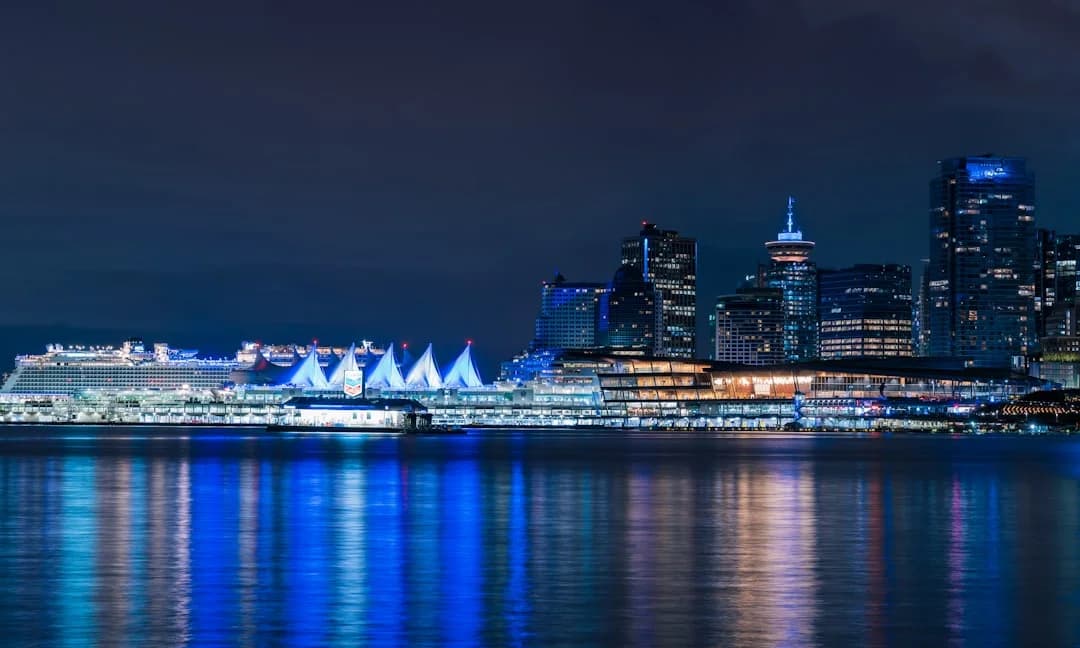
Photo by Francis Nie on Unsplash
Vancouver’s dining scene enters 2026 with a wave of high-impact openings and festival-driven activity that signals a shift toward immersive string-of-experiences and budget-conscious dining options. The city’s biggest festival, Dine Out Vancouver 2026, returns in January with a record-breaking roster, while Time Out Market Vancouver positions Oakridge Park as a new hub for multi-restaurant concepts. For residents and visitors alike, Vancouver dining openings 2026 offer a dual narrative: a spotlight on marquee chef-driven concepts and a curated food-hall model designed to aggregate talent, price diversity, and community programming under one roof. This year’s mix is expected to shape how locals plan meals, how visitors sample the city’s culinary diversity, and how operators calibrate menus, service models, and partnerships in a competitive market. [Source: Destination Vancouver on Dine Out Vancouver 2026, including 450+ restaurants and 100 first-timers; Time Out Market Vancouver vendor lineup; and Time Out Market Vancouver opening details.] (destinationvancouver.com)
The pace is already brisk. Time Out Market Vancouver has confirmed a spring 2026 opening at Oakridge Park, a 50,000-square-foot food hall designed to host 18 kitchens, three bars, and roughly 1,000 seats, with additional event spaces and a large outdoor component. Early vendor reveals include Feenie’s, Mee Bar, Lunch Lady, MaKaam, DownLow Chicken, and Barnacle by Bar Bravo, signaling a curated, chef-driven mix intended to showcase a broad spectrum of local flavors. The project follows a growing Vancouver trend toward experiential dining spaces that combine multiple concepts under one roof, a model that has performed well in other markets and is now prominent in Vancouver’s planning for 2026. [Source: Time Out Market Vancouver vendor reveal and capacity details; Time Out Market coverage.] (timeout.com)
Meanwhile, Dine Out Vancouver 2026 — Canada’s largest food and drink festival — is poised to redefine how Vancouver diners access high-quality meals at accessible prices. The festival runs January 21 to February 8, 2026, and features more than 450 participating restaurants, including over 100 first-timers. Menus are structured across fixed-price tiers, with standard options at $20, $35, $50, and $65, plus a Luxe tier at $110. Reservations opened in advance as part of the official restaurant reveal on January 12, 2026. This edition is being billed as the biggest yet, underscoring the city’s appetite for curated dining experiences and the economic impact of a multi-week, city-wide dining event. [Source: Destination Vancouver restaurant reveal and festival stats; Vancouver-wide coverage of dates and pricing.] (destinationvancouver.com)
Section 1: What Happened
Time Out Market Vancouver announces spring 2026 opening
A cornerstone event in Vancouver’s 2026 dining calendar is Time Out Market Vancouver’s Spring 2026 opening at Oakridge Park. The market is designed as a 50,000-square-foot culinary and cultural hub with nearly 1,000 seats, 18 kitchens, three bars, and multiple event spaces, all aimed at delivering a city-ready platform for both established and emerging talents. The first wave of vendors includes Feenie’s by Chef Rob Feenie, Mee Bar by Chanthy Yen, Lunch Lady, MaKaam by Nutcha Phanthoupheng, DownLow Chicken, and Barnacle by Bar Bravo. The concept represents a branded, all-in-one-dining experience that has found early adoption in other markets and is poised to transform how Vancouver residents and visitors experience a broad cross-section of local cuisine under one roof. [Source: Timeout Market Vancouver announcement articles; vendor reveal coverage.] (timeout.com)
Dine Out Vancouver 2026 expands to record participation and new pricing
Dine Out Vancouver 2026 marks the festival’s 24th edition and is notable for its scale and inclusivity. The official reveal confirms the festival will span January 21 to February 8, 2026, with more than 450 participating restaurants and over 100 first-timers. The festival continues its evolution toward accessibility and experiences, offering fixed-price menus and a mix of fine-dining and casual options to accommodate a wide range of budgets and preferences. Menu releases occurred on January 12, 2026, and reservations are now open for a season that features broader geographic coverage across Metro Vancouver, from Gastown to Kitsilano to beyond. [Source: Destination Vancouver restaurant reveal; official festival coverage.] (destinationvancouver.com)
Notable new openings and re-openings fueling the Vancouver dining calendar
Several high-profile openings and reopenings are shaping early-2026 dining, augmenting the festival with tangible new venues. Uchu — a highly anticipated Chinese-Peruvian cevicheria from chef Ricardo Valverde, a past winner of the 2025 Restaurant Awards for Best Latin American — is slated to open its doors on February 6, 2026, at the former Sai Woo site (158 East Pender Street). Paragon Tea Room is back in operation with a refreshed space at 3432 Cambie Street, following a Cambie Village closure, with a soft opening reported January 16, 2026. Dante Italian Sandwich is expanding for a third Vancouver location, landing at 505 Burrard Street. These openings reflect a broader pattern of revival and expansion across the city’s neighbourhoods and commercial districts, aligning with the festival’s emphasis on diversity and accessibility. [Sources: Vancouver Magazine’s winter 2026 openings; Time Out Market coverage; restaurant reopening reporting.] (vanmag.com)
New entrants to Dine Out Vancouver 2026
The 2026 Dine Out Vancouver edition features new participant restaurants and concepts that expand the city’s culinary map. Among the newcomers cited by program coverage are Hello Nori, Bow and Stern, Song by Kin Kao, and Osteria Elio Volpe, signaling continued growth in both innovative and traditional dining formats. The expansion of the festival’s roster highlights Vancouver’s capacity to integrate new concepts rapidly into a coordinated city-wide dining program. [Source: Ultimate Guide to Dine Out Vancouver 2026 and related coverage.] (foodietours.ca)
The broader context: structure and pricing of Dine Out Vancouver 2026
A core feature of the festival, reinforced by official communications, is its tiered fixed-price structure and the World Chef Exchange dinners that pair local talent with international culinary leaders. The pricing tiers, including the Luxe level for premium experiences, are designed to widen participation and enable diners to experiment with different cuisines and price points. Moreover, the Vancouver World Chef Exchange dinners, together with street-food-focused events and hotel stay packages, create a multi-channel dining experience that extends beyond the restaurant table. These elements collectively signal a maturation of Vancouver’s dining economy, with festival-driven traffic, supplier relationships, and marketing partnerships playing increasingly important roles. [Sources: Destination Vancouver festival briefing; Dine Out Vancouver 2026 overview and World Chef Exchange details.] (destinationvancouver.com)
Section 2: Why It Matters
Economic and tourism implications
The convergence of Time Out Market Vancouver and Dine Out Vancouver 2026 represents a notable expansion in the city’s dining ecosystem, with potential benefits for tourism, local employment, and hospitality-related revenue. Time Out Market Vancouver consolidates multiple culinary concepts under one roof, creating a new anchor for Oakridge Park and a magnet for foot traffic that can spill into surrounding retailers, transit nodes, and service providers. The first-wave vendor line-up — including Feenie’s, Lunch Lady, and DownLow Chicken — underscores a strategy to blend award-winning concepts with beloved local favorites, a combination that typically yields broad appeal across demographics. The Dine Out festival’s record scale further reinforces Vancouver as a premier dining destination, potentially extending the city’s seasonal tourism window and supporting smaller operators who ride the wave of festival attendance. [Sources: Time Out Market Vancouver vendor lineup; Time Out Market context; Dine Out Vancouver festival scale.] (vancouverfoodster.com)
Consumer behavior and market signals
From a consumer perspective, Vancouver dining openings 2026 align with a growing preference for “experiential” dining solutions — whether through a curated food hall experience or a city-wide festival that enables adventurous price-driven dining. The fixed-price tiers in Dine Out Vancouver 2026 lower the barrier to trying higher-end concepts (via the Luxe tier) while preserving options for more budget-conscious diners through lower-price menus. The presence of new concepts like Uchu and Paragon Tea Room alongside a large-scale market concept suggests a diversification of dining roles (chef-driven experiences, casual eateries, and premium tasting menus) that could attract a wider range of diners and business customers. This multi-format approach is consistent with broader urban dining trends in other markets and is likely to influence how Vancouver operators plan menus, staffing, and partnerships in 2026 and beyond. [Sources: Dine Out pricing structure; Uchu and Paragon openings; Time Out Market concept and vendor strategy.] (foodietours.ca)
Implications for operators, landlords, and suppliers
For restaurant operators, 2026 brings both opportunities and risks. The festival’s scale means higher potential traffic and brand exposure, but it also increases competition for reservations and supplier costs during peak periods. The Time Out Market concept introduces a capex-heavy, multi-tenant model that depends on successful tenant recruitment, a steady stream of consumer interest, and effective cross-promotions with events and retail partners. Landlords and developers may find the market-enabling approach appealing, as it can drive long-term foot traffic and help justify premium leasing terms, while suppliers face increased demand for ingredients, equipment, and services across a broader spectrum of concepts. The combination of a large food-hall operator plus a city-wide festival could contribute to a more dynamic, price-competitive local supply chain in 2026. [Sources: Time Out Market business model and capacity; Dine Out festival scale; festival pricing and events.] (timeout.com)
Public sentiment and accessibility
The inclusion of a broader mix of dining options, including budget-friendly fixed-price menus and value-driven experiences at Time Out Market Vancouver, has the potential to broaden the city’s appeal to families, students, and first-time visitors who may be drawn to a centralized venue, as well as to foodies seeking chef-driven tasting experiences. The festival’s commitment to inclusivity, community programming, and a wide price range can also foster more frequent dining-out occasions across seasons, supporting sustained foot traffic in Vancouver’s hospitality districts. [Sources: Dine Out festival coverage; Time Out Market Vancouver capacity and inclusivity messaging.] (destinationvancouver.com)
Section 3: What’s Next
Upcoming openings to watch and milestones
Key events to watch in the coming months include the official opening of Time Out Market Vancouver at Oakridge Park in spring 2026 and the continued rollout of its 18-kitchen lineup. Monitor vendor recruitment updates, event programming, and the market’s capacity to host year-round cultural programming beyond dining. The Uchu opening on February 6, 2026, remains a focal point for Vancouver’s Chinatown resurgence and for cross-cultural culinary collaborations, with the restaurant expected to bring Peruvian coastal flavors into a new brick-and-mortar setting. Paragon Tea Room’s Cambie Street revival and the continued expansion of Dante Italian Sandwich present additional signals of how established operators are adapting to the city’s evolving dining preferences. [Sources: Timeout Market Vancouver vendor coverage; Uchu opening details; Paragon Tea Room reopening; Dante Italian Sandwich location.] (timeout.com)
Dine Out Vancouver 2026: what to expect in February and beyond
With the festival running from January 21 to February 8, 2026, observers should anticipate ongoing menu releases, secret dining events, hotel partner offers, and cross-promotional programming through late February. The festival’s World Chef Exchange dinners and Street Food City events present opportunities for ongoing culinary experiences, chef collaborations, and hands-on tastings that could shape dining conversations well into spring. Whether you’re a resident planning regular meals or a visitor aligning a brief Vancouver stay with festival dates, the festival’s cadence will influence dining decisions and reservation patterns for weeks to come. [Sources: Destination Vancouver festival coverage; Time Out Market market context; Vancouver Foodie Tours overview of Dine Out 2026.] (destinationvancouver.com)
Closing
The year ahead in Vancouver’s dining scene looks defined by scale, variety, and a clear appetite for experiences that combine value and discovery. Time Out Market Vancouver’s spring opening and the expansive Dine Out Vancouver 2026 festival together create a city-wide dining agenda that promises to attract both locals and travelers seeking diverse and reputable food experiences. For readers of BC Times, these developments offer a concise, data-driven lens on how Vancouver’s food economy is evolving in 2026, with concrete milestones, dates, and vendor lineups to track. Stay tuned to Destination Vancouver and Time Out Market Vancouver for ongoing updates, and keep an eye on Dine Out Vancouver’s official menus and events calendar for the latest in January and February. [Sources: Destination Vancouver festival announcements; Time Out Market Vancouver vendor rollout; Dine Out Vancouver 2026 official reveal.] (destinationvancouver.com)