Vancouver Dining Scene 2026 and Time Out Market Opening

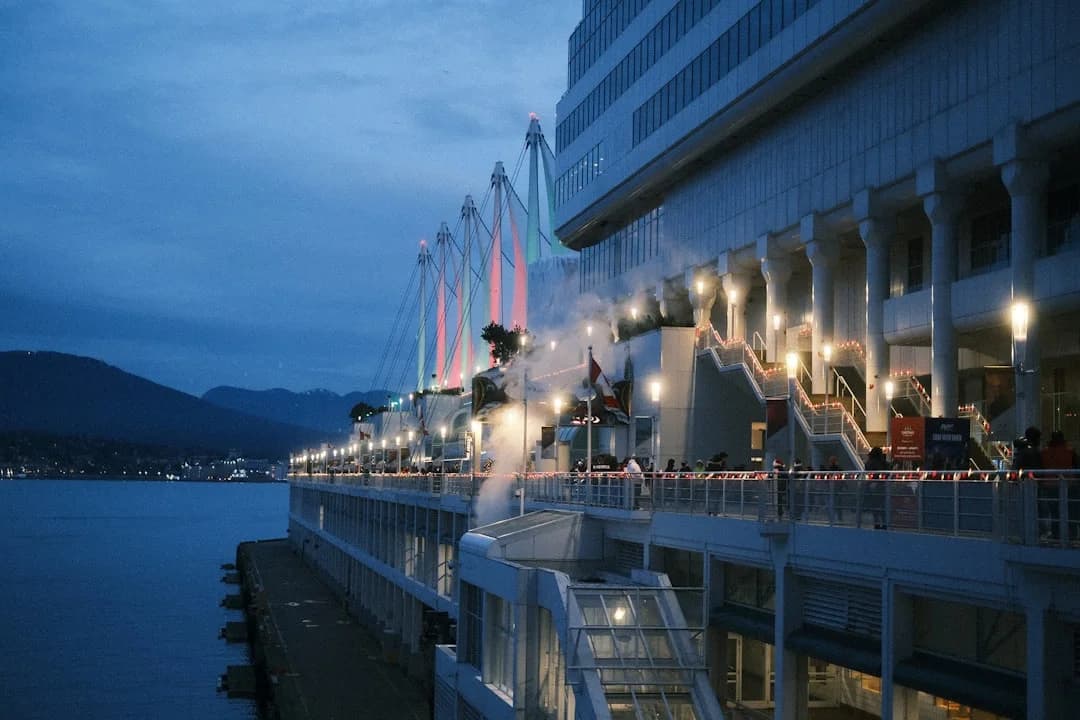
Photo by Haotian Zheng on Unsplash
Vancouver is at a pivotal moment in its food and culture scene as 2026 unfolds, with a marquee development shaping the city’s dining landscape. Time Out Market Vancouver is slated to open in Spring 2026 at Oakridge Park, a major new mixed-use district. The market will bring together top local chefs, rising talents, and curated cultural programming under one roof, designed to serve both residents and visitors with a broad, accessible culinary experience. The project promises a scale and a curated approach not seen in many neighborhood food halls in Western Canada, and it’s drawing attention from business, culinary, and urban-planning circles alike. Time Out Market Vancouver is positioned as a centerpiece of Oakridge Park’s broader redevelopment, signaling a shift in how Vancouverites will access and interact with food, drink, and culture in a single destination. This opening mirrors broader trends toward curated, experience-driven dining that blends cuisine with entertainment and community programming. Vancouver’s dining audience and local operators are watching closely to gauge how this new model will influence consumer expectations, pricing, and collaboration across the city. The market’s arrival is being framed as a potential catalyst for nearby retail, transit footfall, and tourism, particularly as Oakridge Park positions itself as a new cultural hub for Vancouver. As a result, the Vancouver dining scene 2026 and Time Out Market Vancouver opening are becoming touchpoints for broader discussions about urban food strategy, talent pipelines, and the evolving economics of large-format food halls. (timeout.com)
What happened now is straightforward but consequential: Time Out Market Vancouver announced its lineup, its size, and its opening window, setting a clear timetable for Spring 2026 and confirming Oakridge Park as the market’s home. In addition to announcing the venue, Time Out Market Vancouver has unveiled the first wave of participating chefs and concepts, underscoring the project’s emphasis on high-quality, locally rooted talent. The market’s official communications describe a curated, city-wide representation that blends established institutions with emerging stars, aiming to showcase Vancouver’s culinary diversity under one roof. The initial vendor slate signals the level of ambition and the kind of culinary storytelling the market intends to promote. (timeout.com)
Section 1 — What Happened
Announcement and Venue Details
Oakridge Park, a transformative development in Vancouver’s Oakridge neighbourhood, will host Time Out Market Vancouver in a space described by organizers as a premier culinary and cultural gathering. The project is part of Oakridge Park’s broader plan to create a year-round destination that blends living, shopping, offices, and green space. Time Out Market Vancouver is positioned to occupy about 51,000 square feet, with 18 kitchens, a dessert counter, a coffee counter, three bars, and multiple event spaces. The market is expected to seat around 1,000 guests and feature an outdoor terrace facing the park. The opening window is set for Spring 2026, marking the city’s second Time Out Market after Montreal. (timeout.com)
Time Out Market Vancouver’s venue and concept are explicitly tied to Oakridge Park’s redevelopment narrative. Oakridge Park’s own communications confirm the market’s arrival as part of a broader plan to bring global brands and local culture to a single destination, with a focus on curated culinary experiences and community events. The Oakridge Park materials emphasize that the market will anchor a broader mix of retail and cultural offerings, reinforcing the project’s aim to become—and be seen as—a new civic and social hub in Vancouver. (oakridgepark.com)
Vendor Lineup and Culinary Partners
Time Out Market Vancouver has publicly unveiled an initial roster of six anchor kitchens, with additional names being announced over time. The first wave includes Feenie’s by Rob Feenie, Mee Bar by Chanthy Yen, Lunch Lady, MaKaam by Nutcha Phanthoupheng, DownLow Chicken, and Barnacle by Bar Bravo. This lineup signals a blend of established Vancouver powerhouses and rising concepts, all curated to fit Time Out Market’s editorial approach: a city’s best talents presented in a single, accessible space. The company’s materials emphasize that the venue will host 18 kitchens in total, reinforcing the breadth of culinary variety planned for visitors. Vancouver Magazine’s January 2026 update confirms a broader set of announced concepts and situates the opening as part of a larger vendor reveal, underscoring the market’s role as a showcase for local talent. (timeout.com)

Photo by Tiplada M on Unsplash
Time Out Market’s own communications map the development’s scale: 18 kitchens, a dessert counter, a coffee shop, three bars, and a stage for cultural programming. The market is designed to be both dine-in and experience-driven, with a substantial footprint in a newly formed urban center that aims to attract steady foot traffic from residents and visitors alike. The vendor announcements are framed as part of a progressive roll-out that will continue to add more culinary partners ahead of the Spring 2026 opening. (timeout.com)
Opening Timeline and Capacity
The market’s Spring 2026 opening window provides a concrete milestone for local dining and entertainment calendars. Time Out Market Vancouver’s public statements indicate that the venue will operate with a large seating capacity—approximately 1,000 seats—across a 50,000- to 51,000-square-foot footprint, with an emphasis on a bright, open-kitchen design that emphasizes transparency and interaction between guests and cooks. Media coverage and vendor communications have consistently described the scale as a defining feature that differentiates Time Out Market Vancouver from smaller food halls and from traditional dining districts in the region. The opening date and capacity figures have been corroborated by multiple outlets and official project pages. (timeout.com)
Vendor-lineup updates and additional wave announcements have continued to roll out through late 2025 and into early 2026. Time Out Market Vancouver released additional waves of chefs and concepts, expanding the diversity of cuisines and concepts anchored at the Market. These updates highlight the Market’s ongoing evolution as it approaches opening and signal to industry observers that Time Out Market Vancouver is serious about delivering a curated, city-wide experience rather than a standard food court. (timeout.com)
Early Reactions and Context
Coverage of the Time Out Market Vancouver project has been consistently upbeat about the potential for a new, high-profile dining and cultural venue in Vancouver. Retail and food industry outlets have highlighted the Market’s leadership in aggregating top talent and creating a civic space that blends gastronomy with programming. The Market’s scale—both in floor area and seating—has been a recurring theme in reporting, reinforcing that this is a flagship project with implications for operators, developers, and municipal planners. The coverage also underscores Vancouver’s appetite for curated experiences that extend beyond restaurant meals to include events, performances, and pop-up collaborations. (retail-insider.com)

Photo by Randy Tarampi on Unsplash
Section 2 — Why It Matters
Market Position and Strategic Significance
Time Out Market Vancouver arrives as Vancouver’s second Time Out Market in Canada, following Montreal. This positioning matters because it adds a nationally recognizable, globally inspired model to the city’s culinary ecosystem, while still emphasizing local talent and regional flavors. Vancouver Magazine notes that the lineup blends Award-winning chefs with beloved neighborhood names, illustrating a deliberate strategy to balance prestige with accessibility. The Market’s scale and the editorial curation approach are expected to influence how other neighborhood dining concepts position themselves, potentially accelerating partnerships between chefs, landlords, and event organizers in the city. The Montreal comparison also provides a benchmark for expectations around foot traffic, vendor turnover, and the potential for cross-pollination with local festivals and cultural programming. (vanmag.com)
Oakridge Park’s development context amplifies the significance. Oakridge Park is a multi-phase project that aims to transform its corridor into a mixed-use hub with significant residential, retail, and cultural components. The market’s presence is a signal of the development’s ambition to attract both local residents and visitors from across the region. The project’s public-facing materials describe a city-center-like destination that can host large crowds, weekend programming, and midweek dining, helping to stabilize foot traffic in a district that is still evolving. City-facing and developer communications emphasize the market as a magnet for brand-name experiences and local talent alike, reinforcing the broader strategy of using cultural venues to anchor urban growth. (oakridgepark.com)
Economic and Employment Implications
While precise economic projections for Time Out Market Vancouver will depend on occupancy, vendor contracts, and visitor demand, the market’s scale implies meaningful local impact. Reported figures around the footprint—51,000 square feet with around 1,000 seats—suggest a substantial daily throughput of visitors, which could support ancillary businesses in Oakridge Park, including retail, transit hubs, and nearby hospitality venues. Industry observers commonly treat large-format markets like this as multipliers for local talent, potentially accelerating collaborations among chefs, suppliers, and service providers. The vendor lineup emphasizes homegrown talent, which could strengthen Vancouver’s culinary pipeline by offering new opportunities for emerging chefs to reach broad audiences within a high-profile venue. (timeout.com)

Photo by Peter Robbins on Unsplash
In parallel, Vancouver’s broader dining ecosystem continues to evolve with events like Dine Out Vancouver 2026 expanding participation and features, illustrating a city-wide appetite for elevated dining experiences and prix-fixe formats. Market watchers will be watching how Time Out Market Vancouver interacts with existing festival ecosystems, food halls, and neighborhood dining clusters to determine whether it augments or competes with standalone restaurants. The festival context provides a useful backdrop for understanding consumer demand for curated culinary experiences in 2026. (destinationvancouver.com)
Culinary Talent, Diversity, and Local Identity
The initial vendor slate for Time Out Market Vancouver reflects a deliberate emphasis on both established excellence and local authenticity. Feenie’s, Lunch Lady, Via Tevere, Heritage, Kishimoto, and SANTO TACO (as part of broader coverage) demonstrate a balance of refined, globally resonant cuisine and neighborhood mainstays that resonate with Vancouver’s diverse population. The inclusion of MaKaam, DownLow Chicken, and Barnacle by Bar Bravo highlights a commitment to contemporary takes on regional favorites and sea-to-table offerings, aligning with Vancouver’s long-standing strengths in fresh, ingredient-forward cooking. This mix aims to tell a multi-voice story of Vancouver’s culinary scene in 2026, rather than presenting a single culinary voice. The Market’s approach of curating a broad spectrum of cuisines aligns with trends toward experiential dining, where guests seek both variety and storytelling in a single destination. (vanmag.com)
Quotations from industry reporting underscore the Market’s aspirational identity. Time Out Market Vancouver’s own press materials describe the Market as “a curated mix of the city’s best chefs and restaurateurs, drinks and cultural experiences” housed under one roof. Those words, echoed by local outlets, signal a deliberate attempt to fuse gastronomy with culture and programming in a way that can broaden appeal beyond traditional dining. While open to interpretation and subject to execution, the framing sets clear expectations for how the Market will position itself within Vancouver’s competitive culinary landscape. (timeout.com)
Implications for Consumers and Local Communities
For consumers, Time Out Market Vancouver offers a streamlined, one-stop platform for exploring a broad cross-section of Vancouver’s culinary talent. The format—multiple kitchens, a shared dining floor, and a cultural program—speaks to a desire for convenience without sacrificing variety or quality. The Market’s footprint and seating capacity point to a space that can host large groups, events, and casual meals with ease, potentially reshaping how residents plan outings and how visitors experience Vancouver’s dining scene. For neighborhood communities, the Market’s presence can influence nearby dining options by injecting foot traffic, spurring adjacent retail development, and providing a platform for community programming. (timeout.com)
Section 3 — What’s Next
Timeline and Next Milestones
Spring 2026 is the defining next milestone, with a staged vendor reveal process continuing through late 2025 and into 2026. Time Out Market Vancouver has already rolled out the first wave of anchors (Feenie’s, Mee Bar, Lunch Lady, MaKaam, DownLow Chicken, Barnacle) and has signaled that more additions will follow. The market’s leadership has indicated that the lineup will expand to fill all 18 kitchens, the dessert counter, and the coffee counter, with ongoing programming and events to accompany the culinary offerings. Observers should expect incremental vendor announcements, menu previews, and a schedule of cultural programming as opening approaches. (timeout.com)
What to Watch For: Market Growth, Partnerships, and Community Engagement
- New vendor announcements and concept diversity: The Time Out Market Vancouver pipeline has shown a pattern of incremental reveals, balancing visibility with anticipation. Retail and food trade media have tracked vendor rollouts closely, and observers should monitor the cadence and nature of the announcements for clues about the Market’s culinary direction and partnerships with local suppliers. (retail-insider.com)
- The impact on Oakridge Park’s ecosystem: As Oakridge Park progresses toward completion, the Market’s operation could influence traffic patterns, parking demand, and pedestrian flow, prompting coordinated planning with transit agencies and municipal authorities. Oakridge Park’s project materials position the Market as a central attractor within a broader urban-environment strategy, making it a bellwether for future cultural and retail activations in the district. (oakridgepark.com)
- Festival and dining-trend context: With Dine Out Vancouver 2026 expanding its footprint and many Canadians showing interest in experiential dining, Time Out Market Vancouver could leverage these trends to host curated experiences, pop-ups, and chef collaborations that extend beyond regular service hours. OpenTable’s 2026 dining trends reinforce the value of experiential dining and special events as growth drivers, offering a lens through which to view the Market’s potential programming. (destinationvancouver.com)
Closing — What This Means for Vancouver The Time Out Market Vancouver opening represents more than a new dining venue; it signals a broader pivot in Vancouver’s approach to food halls, culinary culture, and community-driven programming. By combining a curated slate of local chefs with a high-profile, city-wide editorial frame, Time Out Market Vancouver aspires to become a social and cultural nucleus in Vancouver’s evolving dining ecosystem. The Market’s presence at Oakridge Park reinforces the development’s ambition to create a connected, pedestrian-friendly cultural district that can attract residents across generations and backgrounds. If successful, the Market could set a template for future food-market developments in Vancouver and across Canada, encouraging a model where culinary excellence, culture, and community engagement reinforce each other in a single, accessible destination.
Readers who want to stay informed should follow official Time Out Market Vancouver updates, Oakridge Park communications, and local coverage from Vancouver Magazine and Destination Vancouver. As spring 2026 approaches, expect continued vendor announcements, site-tour schedules, and additional details about programming that will help define Vancouver’s dining scene in 2026 and beyond. The market’s opening will unfold alongside broader trends in experiential dining, open-kitchen concepts, and community-focused events, making Time Out Market Vancouver a focal point for a city that continues to recalibrate its relationship with food, culture, and place. (timeout.com)
References and source notes
- Time Out Market Vancouver official pages and announcements (opening Spring 2026; 18 kitchens; 3 bars; 1,000 seats; Oakridge Park; vendor lineups). (timeout.com)
- Oakridge Park site and press materials (location, scale, integration with district plans). (oakridgepark.com)
- Vancouver Magazine’s in-depth update on announced vendors and project scope as of January 2026 (Feenie’s, Mee Bar, Lunch Lady, MaKaam, DownLow Chicken, Barnacle; broader lineup). (vanmag.com)
- Retail Insider/press coverage summarizing the initial vendor lineup and market footprint. (retail-insider.com)
- Time Out Market Vancouver expansion and second-market context (brand messaging, editorial approach). (timeout.com)
- Related Vancouver dining-context coverage (Dine Out Vancouver 2026, experiential-dining trends) to frame the broader market environment. (destinationvancouver.com)