Vancouver GHGi 2026 policy: Key updates for buildings

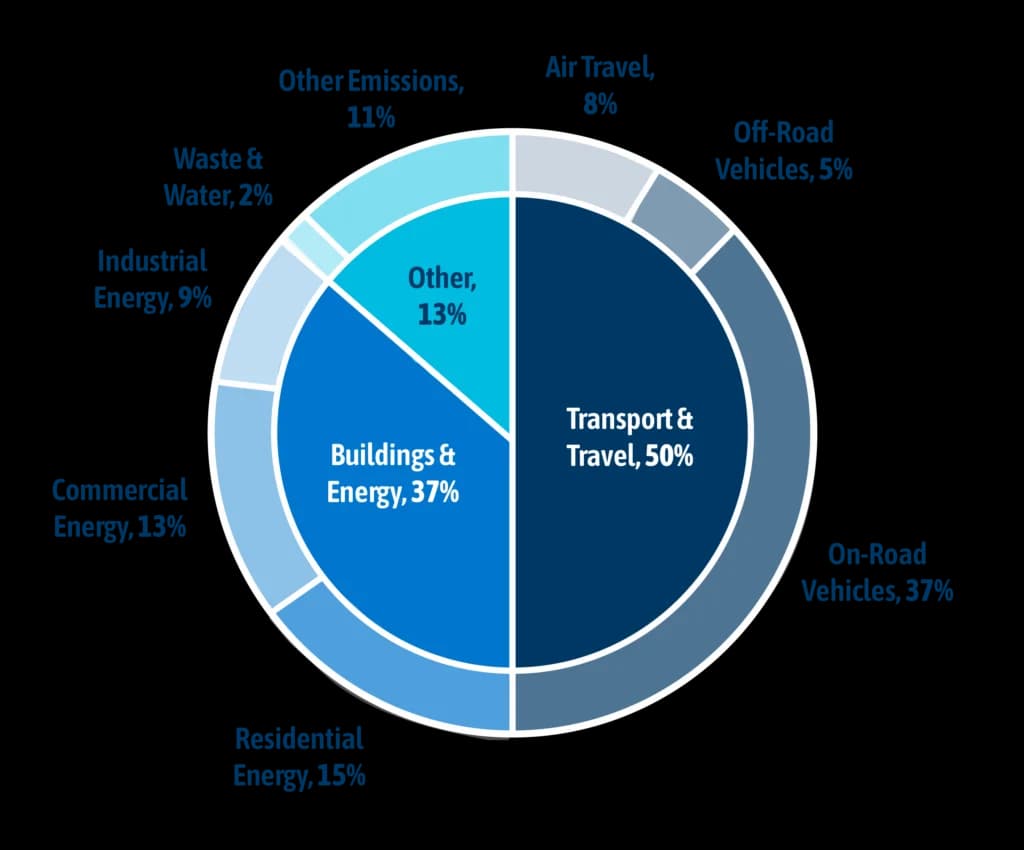
Vancouver’s GHGi policy landscape is entering a critical new phase with the Vancouver GHGi 2026 policy, a set of Greenhouse Gas Intensity (GHGi) limits that apply to the largest existing commercial and multi-family buildings. This policy marks a pivotal step in Vancouver’s broader climate strategy, moving from reporting requirements to enforceable intensity caps. For property owners, managers, and tenants, the new rules translate into concrete caps on emissions intensity, a pathway to decarbonization, and a timeline that starts with reporting and evolves into compliance. The city’s approach is designed to curb carbon pollution from the building sector—one of the city’s largest sources of greenhouse gases—through a phased implementation that begins in 2024 with reporting and tightens in 2026 and beyond. Vancouver’s official materials frame GHGi as a practical, market-facing mechanism intended to guide retrofits, equipment upgrades, and energy management plans across thousands of spaces. (vancouver.ca)
This coverage is grounded in City of Vancouver materials and corroborating industry analyses. The Energize Vancouver program—an official city initiative—outlines how GHGi limits will be phased in for large commercial and multi-family buildings and explains how annual energy reporting feeds into permit fees and compliance planning. In 2026, the city introduced explicit GHGi caps for office and retail spaces, with longer-term targets that aim for zero emissions intensity by 2040, alongside a heat-energy limit trajectory. These developments have produced a flurry of activity among building owners, retrofit contractors, and finance partners who are aligning capital plans with the new regulatory timetable. (vancouver.ca)
Section 1: What Happened
Timeline and legal framework
Vancouver’s greenhouse gas and energy limits have been in the city’s statute books since the release of By-law No. 13472 in July 2022. The By-law establishes greenhouse gas emission and heat energy intensity limits for large existing buildings and mandates annual energy and carbon reporting. Its stated mission includes reducing carbon pollution from buildings by 50% by 2030 and 100% before 2050. This foundational document also sets the framework for “annual energy and carbon reporting” and for the later introduction of building performance permits linked to GHGi. The by-law’s 2040 target is explicit: by that year the GHGi limit is intended to fall to 0 kg CO2e per square meter per year for eligible buildings, accompanied by a heat-energy limit. (bylaws.vancouver.ca)
The city’s 2024–2027 data-year schedule, as summarized by Energize Vancouver and industry observers, shows a clear progression: initial reporting begins in 2024 for the largest buildings, then expands to smaller and more types of buildings over subsequent years, with the comprehensive GHGi rules beginning to bite in 2027. Specifically, the city notes that 2026 marks the moment when GHGi limits “come into effect” for large office and retail buildings, followed by a first reporting deadline in 2027. This staged approach is designed to give property owners time to plan and implement retrofits before penalties or compliance costs escalate. (vancouver.ca)
The 2026 GHGi limits: Office and retail caps
The Vancouver GHGi policy sets explicit per-square-meter caps for the largest occupancies starting in 2026: 25 kilograms CO2e per square meter per year for office space, and 14 kilograms CO2e per square meter per year for retail space. The policy text also foresees a grant of more time for smaller or differently composed buildings as part of the phased approach, but the 2026 limits are the first legally binding thresholds that building owners must design around. The city’s own materials confirm these precise numbers and their 2027 first reporting deadline. In other words, building owners with offices over 100,000 square feet will face hard, numeric caps starting in 2026, with annual reporting and review continuing thereafter. > These limits are described as part of the city’s long-term plan to reduce emissions and guide retrofit investments. (vancouver.ca)
In practical terms, industry channels and financial institutions began to translate these rules into actionable planning. For example, RBC’s recent coverage of the Vancouver bylaw highlights the 2026 GHGi thresholds and explains how the city intends to pair the limits with support programs and planning tools to ease compliance. The RBC piece also emphasizes the importance of retrofits that align with equipment life cycles and the shift toward electrified heating as a core strategy. One key takeaway from industry commentary is that the 2026 thresholds are framed as a targeted start—focused on “the worst-performing quartile” of the building stock—with the expectation that early action will reduce the risk of future, more stringent requirements. (rbcroyalbank.com)
The first reporting and future enforcement
Beyond the numeric caps, the policy establishes a cadence for data reporting and enforcement. The City of Vancouver’s Energize Vancouver portal explains that the GHGi limits tie directly to permit fees and to performance-based incentives, thereby making compliance both a regulatory and economic consideration for owners. The city confirms that the first GHGi-based reporting deadline under the new regime is June 1, 2027, for the larger office and retail buildings subject to the 2026 limits. In the interim, a phased approach to data collection, reporting, and permit planning is intended to smooth the transition. The city’s materials also indicate that a new operating permit regime will begin in 2027, with fees calculated in part by the GHGi limits in effect for that calendar year. This creates a tangible link between energy performance data and ongoing regulatory costs or incentives. (vancouver.ca)
A broader policy context: Energy reporting and energy efficiency goals
The Vancouver GHGi policy sits within a broader city framework aimed at transforming the building sector. The Energize Vancouver program emphasizes energy reporting, data transparency, and the use of performance data to inform retrofit programs and incentive offerings. The city explicitly notes that large commercial and multi-family buildings must report energy use and GHGi, and that the requirements are designed to align capital planning with equipment replacements and upgrades. The city also points to related programs and agencies that support decarbonization efforts, such as FortisBC and district energy providers. This ecosystem signals a move from purely prescriptive codes toward performance-based management aligned with market realities and retrofit financing options. (vancouver.ca)
Section 2: Why It Matters
What this means for building owners and operators
The Vancouver GHGi 2026 policy has direct implications for capital planning and operating budgets. The core impact is twofold: (a) a quantified cap on greenhouse gas intensity that requires active management of energy sources, heating, and equipment; and (b) a structured compliance pathway that ties reporting to permit fees and future incentives. In practice, owners of large commercial properties will need to track not just total energy use, but energy use per unit area and per occupancy type, because GHGi is defined as an intensity metric (CO2e per square meter per year) that can reveal inefficiencies not visible from raw energy totals alone. This emphasis on intensity rather than raw emissions reinforces the idea that efficiency improvements, better equipment, and smarter energy procurement can move the building toward compliance with lower cap levels over time. The city’s framework makes it possible for owners to prioritize projects that deliver the largest per-square-meter gains, particularly in heating, ventilation, and district energy usage. (vancouver.ca)
Quote from industry observers reinforces this: “These limits were designed to impact the worst-performing quartile of the building stock—and they’re meant to be an easy first step for buildings that haven’t yet taken action,” explains Micah Lang, a City of Vancouver official quoted in industry reporting. The point underscores that early compliance can reduce downstream costs and help mature the market for energy services, retrofits, and green financing. The same commentary notes that the policy’s phased approach gives owners time to align major equipment replacements with capital cycles, which can mitigate the budgetary impact of transitions to lower-emission heating and cooling systems. (rbcroyalbank.com)
Technical and economic considerations
From a technical standpoint, the GHGi metric pushes owners to scrutinize heating fuels, district energy usage, and building envelope performance. The 0 kg CO2e/m2/year target for 2040 implies a long runway for electrification, heat pumps, and other zero-emission technologies. At the same time, a related heat energy intensity limit—0.09 GJ/m2/year by 2040—adds another layer of discipline around how buildings use energy for heating. Policy documents and expert commentary stress that meeting these targets will likely require a mix of energy-efficiency measures, equipment upgrades, and the strategic use of renewable energy tariffs. The city’s materials, reinforced by industry analyses, highlight a practical pathway that emphasizes long-range planning and capital budgeting aligned with the 2040 horizon. (vancouver.ca)
Financial institutions have begun framing the policy in terms of risk and opportunity. The RBC article notes that compliance rates in early reporting cycles were high and that the city is actively providing tools and incentives to support retrofits, energy studies, and planning. This kind of financing-market signal—coupled with government incentives and utility-led programs—can help owners secure funding for energy retrofits and electrification projects, while also clarifying the timeline for when capital investments will contribute to compliance and potential permit-fee reductions or penalties. For market observers, the GHGi policy thus represents a convergence of policy goals, corporate energy management, and financing options that together influence building valuations, leasing terms, and tenant expectations. (rbcroyalbank.com)
Broader policy context and regional alignment
Vancouver is not acting in a vacuum. The city’s GHGi initiative aligns with broader climate and energy-efficiency trajectories in British Columbia and the Metro Vancouver region. The city’s Zero Emissions Buildings program indicates a longer-term ambition for new and existing buildings and links to provincial energy codes and local by-laws. While the GHGi policy focuses on intensity rather than absolute emissions, it sits inside a city and provincial ecosystem that emphasizes decarbonization planning, embodied carbon considerations, and a shift to electrification where feasible. The policy’s design—combining mandatory reporting with progressive intensity limits and a permit-based enforcement mechanism—signals a broader trend toward performance-based regulation in Canada’s major markets. (vancouver.ca)
Section 3: What’s Next
Milestones to watch (2026–2027 and beyond)
- 2026: GHGi limits come into effect for large office and retail buildings (over 100,000 square feet). The office cap is 25 kg CO2e/m2/year; the retail cap is 14 kg CO2e/m2/year. First reporting deadline for these limits is June 1, 2027. This is a major inflection point where many owners will need to verify energy systems, project timelines, and potential retrofit schedules. The city’s materials specify these numbers and the phasing plan; industry reporting confirms the regulatory dates and the expected compliance trajectory. (vancouver.ca)
- 2027: Introduction of operating permits for large properties and the associated fee structure tied to GHGi limits. The Energize Vancouver portal notes that 2027 marks the first year when building owners will face annual operating permit requirements with fees determined by the 2026 GHGi. This creates a direct incentive to align retrofit programs with the policy’s milestones. (vancouver.ca)
- 2040: The policy envisions reducing GHGi to 0 kg CO2e/m2/year for office and retail buildings larger than 4,645 m2, accompanied by a 0.09 GJ/m2/year heat-energy limit. The long-range target provides the market with a clear, albeit ambitious, horizon for decarbonization and energy management. Industry analyses emphasize that achieving these milestones will require coordinated action across building systems, energy supply options, and financing. (vancouver.ca)
What building owners should do next (practical steps)
- Conduct a baseline energy and carbon audit for 2023–2025 calendar years to establish a clear starting point for energy use intensity metrics, which will feed into GHGi calculations. Energize Vancouver and the Building Performance Reporting System (BPRS) provide guidance on how to gather and report data, including how to handle multiple occupancies within a single building. This groundwork is essential for planning retrofits and for engaging with utility programs and incentives. (vancouver.ca)
- Map capital planning cycles to the GHGi implementation timeline. Because the 2026 limits hinge on major occupancies and GFA thresholds, owners should identify high-impact systems (e.g., natural gas boilers, district energy connections, and energy-intense HVAC equipment) and align replacements with 2026–2040 milestones. The RBC article and the city’s guidance both emphasize timing and strategic retrofits as the most reliable path to compliance. > “Plan retrofits around equipment life cycles,” one industry expert advises, highlighting a practical focus for owners preparing for 2040 targets. (rbcroyalbank.com)
- Leverage city and utility incentive programs to support energy studies and retrofits. FortisBC, BC Hydro, and district energy providers are positioned as partners in this transition, offering incentives that can offset retrofit costs and technical studies. The city’s program ecosystem explicitly points to these supports as crucial elements of the transition. (vancouver.ca)
- Prepare for the reporting regime to evolve into a permit-and-fee framework. The Energize Vancouver materials indicate that permit fees will be determined by the GHGi in effect for each data year, linking compliance to the cost of doing business. This means owners should anticipate a growing regulatory cost component in budget planning and consider it in project ROI analyses. (vancouver.ca)
What’s Next for BC Times Readers
- For readers tracking technology and market trends, the Vancouver GHGi 2026 policy represents a notable case study in how a major city translates climate targets into a market-driven regulatory regime. The policy’s combination of mandatory reporting, intensity-based caps, and permit-fee implications creates a layered framework that affects real estate decision-making, financing, and tenant expectations.
- Stakeholders should monitor updates from City of Vancouver communications, Energize Vancouver bulletins, and industry associations such as BOMA BC. In February 2026, BOMA BC highlighted ongoing advocacy and the city’s engagement with industry stakeholders as part of the GHGi implementation process, underscoring the importance of public-private collaboration in meeting the policy’s objectives. (boma.bc.ca)
Closing
The Vancouver GHGi 2026 policy marks a turning point from data collection to performance-based regulation in the city’s building stock. With explicit 2026 caps for office and retail space, a documented first data year in 2027, and a 2040 horizon that projects near-zero emissions intensity, the policy offers a roadmap for decarbonization while simultaneously creating predictable timelines for owners and investors. The City of Vancouver has positioned GHGi as a practical lever: data to inform retrofits, energy-management decisions, and strategic financing, all designed to reduce greenhouse gas emissions from one of the city’s most energy-intensive sectors. As BC Times covers this transition, the emphasis remains on clear timelines, rigorous data, and transparent support mechanisms that help building owners navigate what is, for many, a complex and capital-intensive transformation. Readers should stay tuned to Energize Vancouver announcements, city updates, and industry briefings to understand how this policy will unfold in practice across different property types, occupancy patterns, and energy supply arrangements. (vancouver.ca)