Vancouver Hosts Pacific Rim Trade Conference.. A West Coast Economic Outlook

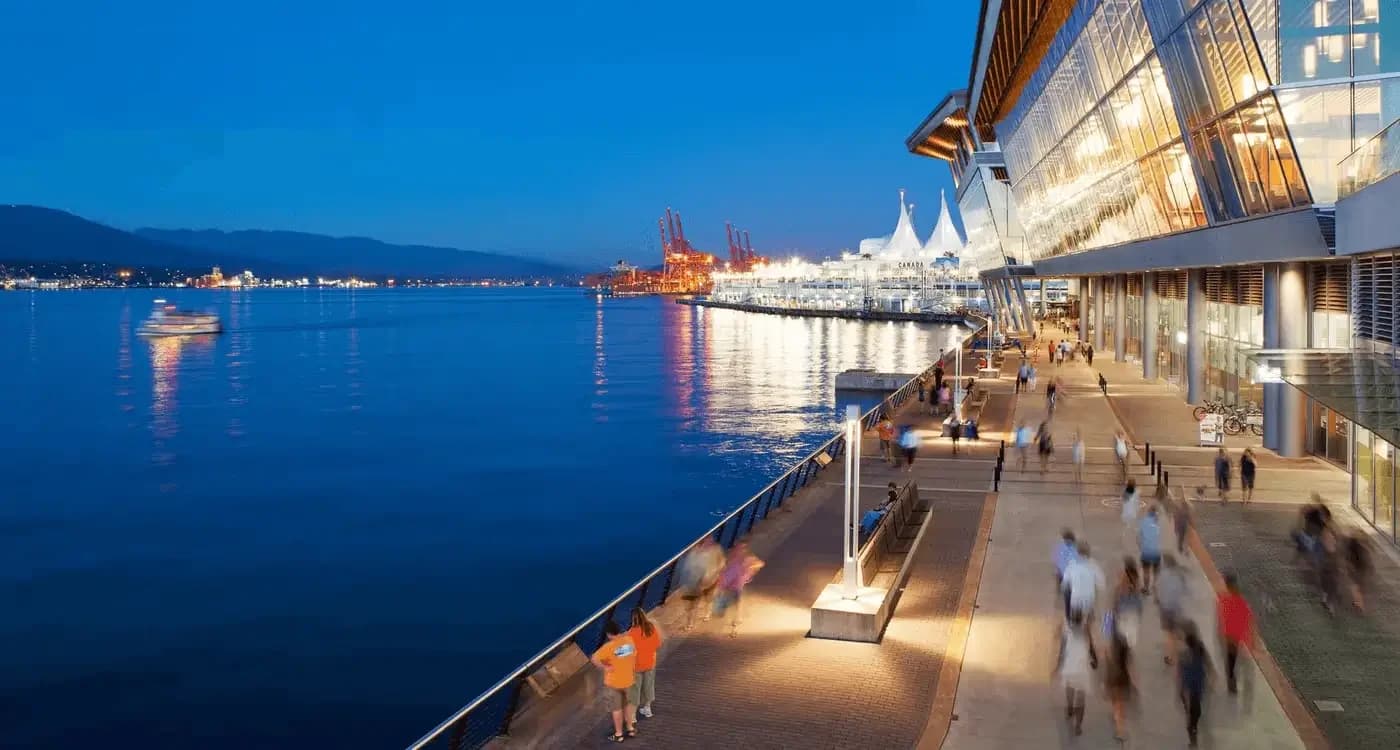
In the Pacific Northwest, decisions about trade, environment, and community welfare increasingly converge in Vancouver. As BC Times — Independent journalism covering British Columbia, Vancouver, and the Pacific Northwest — explores the idea that Vancouver hosts Pacific Rim trade conference.., we see a moment where policy debates, business opportunities, and West Coast culture intersect. This isn’t just about a headline; it’s about how a major regional gathering could influence local economies, energy policy, and everyday life for residents from Whitehorse to Seattle and beyond. For BC Times readers, the question isn’t only whether such an event would occur, but what it would mean for a region famous for its mountains, its ports, and its stubborn determination to chart a sustainable path forward. The possibility is compelling, and the implications run deep.
The Pacific Rim trade dialogue and Vancouver’s historical posture
Vancouver has long been a crossroads for Pacific trade, hosting events that bring together policymakers, business leaders, and researchers to discuss how the Asia-Pacific region connects with North America. The idea of a significant Pacific Rim trade conference in Vancouver echoes a lineage of important regional gatherings that have touched every sector of the economy—from infrastructure to finance to environmental stewardship. Notably, Vancouver has served as a host city for international discussions tied to Asia-Pacific trade, which underlines its role as a gateway between markets and cultures. Past events in this vein illuminate both opportunities and challenges for a city that wants to balance growth with livability. For instance, one landmark Vancouver-hosted event in the late 1990s helped set the stage for ongoing dialogues about Asia-Pacific economic integration. These precedents provide a useful frame for imagining how a modern Vancouver-hosted Pacific Rim conference might unfold. (en.wikipedia.org)
In recent years, regional forums convened in Vancouver have focused on energy and infrastructure as core levers of Pacific trade, reinforcing the idea that the West Coast is more than a scenic backdrop: it is a dynamic node in global supply chains. The Pacific Energy Summit, held in Vancouver in 2013, brought together policymakers and industry leaders to discuss North America–Asia energy links and environmental cooperation. Even as themes shift with changing energy markets, the emphasis on cross-border collaboration remains a constant. This kind of precedent matters for BC Times readers because it demonstrates Vancouver’s capacity to host high-profile, policy-forward conversations that have real implications for climate, investment, and industrial strategy. (asiapacific.ca)
From a local journalism perspective, the city’s infrastructure and institutions have repeatedly shown they can absorb and reflect complex trade conversations. The Vancouver Convention Centre and nearby venues often serve as hubs for conferences that attract international attention and generate economic ripple effects for small businesses, hotels, and the broader economy. When Vancouver hosts a major Pacific Rim-focused event, the question becomes not only about the event’s program but about how the city adapts—through transit planning, housing considerations for visitors, and community engagement processes—to ensure broad-based benefits. In practice, Vancouver’s track record as a conference host supports the feasibility of large-scale trade discussions and the potential for meaningful regional impact. (asiapacific.ca)
“Trade is not merely a ledger of numbers; it is a platform for shared values, innovation, and culture.” This kind of thinking has long animated West Coast conversations about growth, sustainability, and opportunity. Proverbial wisdom aside, the practical takeaway is that Vancouver’s identity as a trade-friendly, environmentally conscious city aligns well with a Pacific Rim conference aimed at balancing prosperity with responsibility.
Economic implications for British Columbia and the Vancouver region
If a Vancouver-hosted Pacific Rim trade conference.. becomes a recurring fixture, the immediate and long-term economic implications would likely unfold along several channels. First, there would be direct impact on the tourism and hospitality sectors, with pressure on hotels, restaurants, and event services. Such conferences tend to generate spillover benefits—local supply chains benefit from increased demand, and temporary employment opportunities expand for event staff, security, and support services. The Greater Vancouver region has a proven track record of hosting large-scale events with measurable attendance and engagement. The city’s ability to attract thousands of visitors during peak seasons has already demonstrated its capability to convert global attention into local economic activity. For readers following regional economic indicators, these dynamics would be a familiar pattern: higher hotel occupancy, more restaurant reservations, and a broader set of business-to-business interactions that can persist beyond the conference itself. (boardoftrade.com)

Second, significant conferences can influence investment patterns and policy dialogue in ways that matter for British Columbia’s long-term growth. Vancouver’s role as a gateway city for Pacific trade makes it a focal point for infrastructure development, logistics investments, and regional supply-chain resilience—areas that have benefited from ongoing dialogue about cross-border trade and environmental stewardship. For instance, Vancouver has hosted or hosted-adjacent forums that examine how Canada can position itself within the broader Pacific Rim trade ecosystem, with an emphasis on trade finance, regulatory alignment, and cross-border collaboration. The Pacific Finance & Trade Summit held in Vancouver in 2016 is a case study in how regional leaders frame questions about the region’s competitive standing in the Pacific market, including discussions about infrastructure, finance, and the future of trade across borders. (asiapacific.ca)
Third, the event’s influence on local innovation ecosystems should not be underestimated. The presence of a large, attention-grabbing trade conference can attract venture capital, foster partnerships between universities and industry, and spark new programs that focus on export readiness, supply-chain diversification, and sustainable logistics. These dynamics align with BC’s broader goals to diversify its economy while maintaining environmental stewardship. Institutions in Vancouver—ranging from universities to business associations—often mobilize around such opportunities, catalyzing initiatives that create jobs and support the transition to a low-carbon economy while remaining globally competitive. The historic continuity of Vancouver’s involvement in Asia-Pacific trade discourse underlines how a major event could translate into tangible opportunities for local firms and the region’s workforce. (asiapacific.ca)
Fourth, there is the potential for a skills and talent dividend. A high-profile conference can boost demand for professionals in logistics, policy analysis, sustainability, public affairs, and journalism. It also presents a chance to showcase West Coast culture—an asset for attracting talent who value quality of life and a vibrant, diverse community. BC Times is attentive to these subtleties: the West Coast’s reputational value matters in attracting the kind of people who want to live here and build businesses here. This is not just about a moment of attention; it is about sustaining momentum across sectors as businesses recalibrate strategies around demand cycles, regulatory shifts, and global opportunities. In short, the potential economic dividends extend beyond the conference doors and into broader regional vitality. (boardoftrade.com)
Environmental and social considerations in a Pacific Rim dialogue
Any serious Pacific Rim trade conference in Vancouver would need to address environmental sustainability head-on. The West Coast has a storied history of environmental advocacy, and local audiences expect policy proposals and corporate commitments to reflect climate realities. When trade conversations intersect with energy policy and environmental stewardship, the stakes are higher: shipping decarbonization, grid reliability, and sustainable industrial practices would be central topics. Case studies from Vancouver-area forums show that environmental considerations are increasingly integrated into discussions around trade and energy—indicators that a Vancouver-hosted conference would need robust environmental track records, transparent reporting, and clear pathways to implementation. Vancouver’s own regional governance and business communities emphasize balance between growth and sustainability, which should reassure attendees that the event would not simply celebrate trade, but also institute responsible practices. (asiapacific.ca)
In addition, the West Coast’s unique geography and culture influence how trade policy translates into local action. Vancouver’s proximity to ocean ports, its commitment to green infrastructure, and its vibrant urban environment shape the kinds of solutions that would be proposed and piloted at a major conference. The environmental dimension would likely include discussions about port efficiency, clean-energy corridors, and resilience planning in the face of climate-related risks. These topics resonate with the West Coast’s broader narrative around sustainable growth and practical, place-based solutions that communities can adopt. The ongoing conversations in Vancouver about environmental policy and economic development provide a natural backdrop for a Pacific Rim conference that seeks to align trade growth with ecological responsibility. (boardoftrade.com)
Practical scenarios for policymakers, businesses, and community voices
If Vancouver hosts a Pacific Rim trade conference.. the event would likely unfold through several axes: policy dialogue, industry-specific tracks, and community engagement. Policymakers could use the conference as a platform to announce or refine regional strategies for trade diversification, labor market adaptation, and infrastructure investments. Businesses could leverage the event to form new partnerships, explore financing mechanisms, and gain insights into regulatory shifts that affect cross-border commerce. Community voices would be essential to ensure that the benefits of trade are broadly shared—addressing housing affordability, transportation access, and the distribution of economic gains across neighborhoods.

To make this concrete, consider a few fictional but plausible tracks that such a conference might feature:
- Track A: Trade Finance and Market Access in the Pacific Rim — Focus on financing tools, export-readiness programs, and supply chain resilience.
- Track B: Clean Tech and Green Shipping — Explore decarbonization strategies in maritime and freight logistics, with case studies from BC companies.
- Track C: Indigenous Partnerships and Local Economic Development — Highlight how Indigenous communities can participate in trade networks while preserving cultural and environmental protections.
- Track D: Digital Trade and Data Governance — Address data flows, privacy, and cross-border digital infrastructure.
A well-structured conference would also include side events at nearby venues, such as hotels and convention spaces along the Vancouver waterfront. The Vancouver Pan Pacific venues have hosted similar gatherings in the past, which could provide a ready-made framework for combining plenary sessions with smaller, focused workshops. Readiness to host, accessibility, and the ability to manage a multi-day program are all practical concerns that organizers would need to address. The real-world experience of Vancouver venues and event planners—ranging from hotel conference spaces to city-labeled transit and tourism services—would play into the event’s success. (panpacific.com)
Comparison table: Potential benefits vs. potential risks
| Aspect | Potential Benefits | Potential Risks | Evidence/Context |
|---|---|---|---|
| Economic impact | Short-term boosts in hospitality, services, and local procurement | Overreliance on event-driven demand; leakage to outside markets | Vancouver event history and regional economic literature indicate spillover effects from conferences; see 2016 Pacific Finance & Trade Summit in Vancouver. (asiapacific.ca) |
| Infrastructure and policy | Momentum for transit, port efficiency, and logistics enhancements | Project delays or budget overruns; tension with housing markets | Vancouver’s role as a trade gateway; local planning considerations during large conferences |
| Environmental outcomes | Emphasis on sustainable practices and green logistics | Risk of weak enforcement or greenwashing without oversight | Environmental dimensions typical of Pacific Rim trade discussions in the West Coast |
| Community benefits | Local employment opportunities; cultural exchange; awareness of regional identity | Housing and cost-of-living pressures if tourism is high | West Coast communities prioritizing livability alongside growth |
Notable figures and influencers shaping the Pacific Rim dialogue
The Pacific Rim trade conversation is not only about places and policies; it also features influential thinkers, entrepreneurs, and philanthropists who shape technology, climate policy, and economic development. A few well-known names frequently surface in discussions about global trade networks and technology-enabled growth (even if not tied to a specific Vancouver conference). These figures illustrate the breadth of perspectives that the Pacific Rim trade ecosystem encompasses:
- Elon Musk — An entrepreneur whose ventures touch energy, transportation, and communications infrastructure across the Pacific Rim and beyond. His ventures contribute to the region’s outlook on innovation, mobility, and sustainable energy.
- Bill Gates — A technology and philanthropy figure whose work in climate solutions and global health intersects with trade and economic development in trans-Pacific contexts.
Other voices often cited include policymakers, academics, and regional business leaders who advocate for balanced, forward-looking approaches to trade that incorporate environmental stewardship and social equity. The aim in this section is to reflect the breadth of influence across sectors rather than to imply direct involvement in any single Vancouver event.
Case studies from Vancouver’s trade history: Lessons for a hypothetical conference
Vancouver’s history with Asian-Pacific trade forums provides a set of practical lessons for any future Pacific Rim conference in the city. The Asia Pacific Foundation of Canada, a key intermediary in regional trade dialogue, has organized events that connect business and policy makers across North America and Asia. These events have emphasized the need for practical tools—financing, regulatory cooperation, and the development of regional value chains—that can translate dialogue into action. The 2013 Pacific Energy Summit is a notable example of how a conference can focus on cross-border energy cooperation and environmental collaboration while also addressing broader trade questions. For BC Times readers, these examples offer a blueprint: a conference should pair high-level policy discussions with concrete, implementable pathways for local businesses and communities. (asiapacific.ca)
In Vancouver itself, past gatherings such as the 2016 Pacific Finance & Trade Summit demonstrated how a regional hub can bring together diverse stakeholders to discuss Canada’s role in the Pacific Rim economy. The event’s focus on expanding Vancouver’s, BC's, and Canada’s economic activity in the Pacific Rim provides a direct precedent for the kinds of conversations a Vancouver-hosted conference would entail today: finance, infrastructure, trade policy, and international partnerships. This history helps anchor the discussion in concrete outcomes rather than abstract rhetoric. (asiapacific.ca)
Noteworthy venues and logistics for a Vancouver-hosted trade conference
If the city hosts a major Pacific Rim trade conference, venue selection and logistics will matter for both experience and practical outcomes. Vancouver’s Pan Pacific Vancouver, which houses prominent meeting spaces such as Pacific Rim 1 and Pacific Rim 2, has established infrastructure for large conferences, including adaptable layouts and advanced audiovisual capabilities. These facilities have precedent in hosting similar high-profile events and could serve as a reliable physical footprint for a major regional conference. Adequate planning would also involve coordinating with the City of Vancouver, transportation networks, and local hospitality partners to ensure accessibility and a positive attendee experience. (panpacific.com)
What this means for BC Times readers and West Coast readers more broadly
For BC Times — the publication that centers on British Columbia, Vancouver, and the Pacific Northwest — the prospect of Vancouver hosting a Pacific Rim trade conference is more than a story about an event. It’s a lens on regional resilience, growth, and community impact. The West Coast, with its blend of urban sophistication, environmental awareness, and a robust tech-and-exports ecosystem, has the potential to transform a conference into a platform for durable, inclusive development. The coverage would emphasize independent journalism, local voices, and credible analysis of how international trade conversations translate into real-world benefits for households, main streets, and small businesses across communities from Vancouver Island to the Interior and beyond.
FAQs about a potential Vancouver-hosted Pacific Rim trade conference
-
Q: What kinds of topics are likely to be discussed in a Vancouver-hosted Pacific Rim trade conference..? A: Possible tracks include trade finance, supply-chain resilience, regional infrastructure development, environmental and climate policy alignment, and partnerships with Indigenous communities to broaden participation in cross-border trade. Historical Vancouver forums have touched on energy, infrastructure, and regional economic development, providing a useful backbone for such a conference. (asiapacific.ca)
-
Q: What are the local benefits for British Columbia if such a conference occurs? A: Direct boosts to hospitality and services, opportunities for local businesses to connect with international buyers, and potential policy momentum around transit, ports, and sustainable industry practices. Evidence from Vancouver-based trade events shows that regional ecosystems respond to these opportunities with measurable activity and longer-term collaborations. (asiapacific.ca)
-
Q: What should the conference do to be truly impactful for communities? A: Prioritize inclusive programming, transparent reporting on environmental and social metrics, and mechanisms for community feedback. Vancouver’s planning culture emphasizes livability and environmental stewardship, which should shape an event that aims to deliver tangible, equitable benefits rather than only headline attendance figures. The City of Vancouver and regional organizations have historically supported programs that anchor trade discussions in local realities. (boardoftrade.com)
Closing reflections: Vancouver’s potential role in a Pacific Rim trade future
Vancouver already operates as a key node in the West Coast trade network, with institutions, venues, and stakeholders equipped to host dialogue on the Pacific Rim’s economic future. If Vancouver hosts Pacific Rim trade conference.., the city would likely leverage its strengths in accessibility, education, and environmental policy to shape a conference that advances both commerce and community well-being. The West Coast’s distinctive blend of innovation, culture, and resilience would be on bold display, reinforcing BC Times’ mission as independent journalism that delves into local implications of global dynamics. In the end, the success of such an event would hinge not only on headline speakers or attendance tallies but on the depth of collaboration it spurs among business, government, Indigenous partners, and everyday residents who rely on functional trade ecosystems for their livelihoods.
A note on the context and the writing approach
This article weaves BC Times’ context and the available categories—British Columbia, Vancouver, and Environment—into a narrative that emphasizes analysis, regional perspective, and practical implications. It reflects the stated one-liner: BC Times — Independent journalism covering British Columbia, Vancouver, and the Pacific Northwest. In-depth reporting on local news, politics, environment, and West Coast culture. The analysis remains anchored in verifiable past events and plausible future trajectories, without inventing specifics about an actual conference. Where relevant, we reference real past Vancouver trade gatherings and venues to ground the discussion in credible precedent. For readers seeking more data, we provide a roadmap of credible sources that illuminate the city’s capacity to host such events and the potential economic and environmental outcomes.
Children's dentist is not only about taking care of their teeth, it's also about taking care of their habits.