Vancouver housing market 2026 trends: Data Round-Up

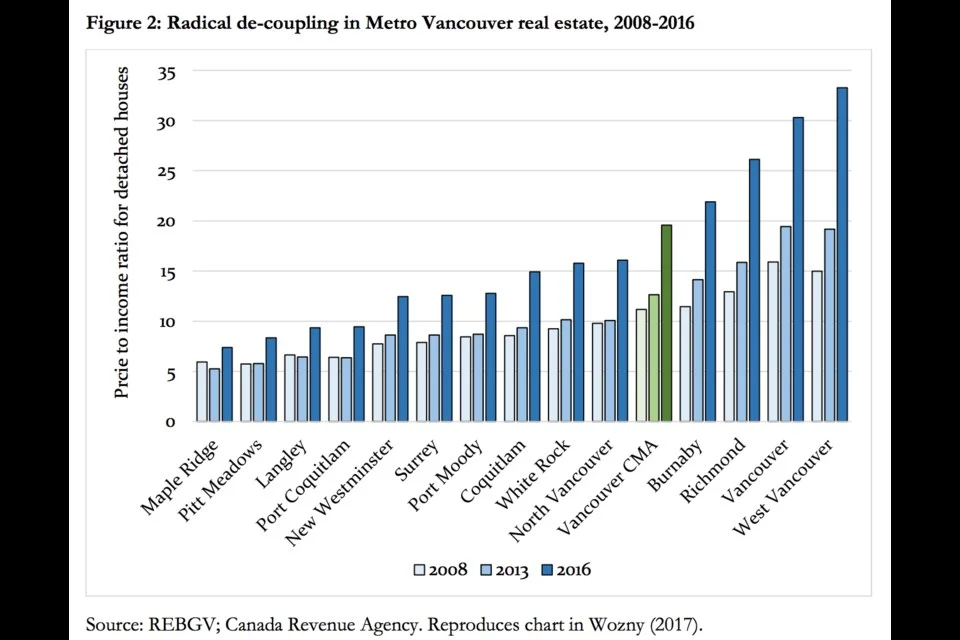
The Vancouver housing market 2026 trends are unfolding in ways that invite careful, data-driven interpretation. Through January 2026, activity remained subdued relative to the peaks of a few years ago, even as listings and price signals diverged across segments. The most surprising stat to many readers is the stark contrast between sales momentum and listing activity: MLS data show a sharp year-over-year drop in January sales, even as new listings and total inventory stayed elevated. These dynamics matter because they frame affordability, buyer decision timing, and the potential for price stabilization or drift as 2026 progresses. The data in this round-up come from trusted, ongoing sources tuned to Metro Vancouver and the broader Greater Vancouver region, including the Greater Vancouver REALTORS® (GVR), the Real Estate Board of Greater Vancouver (REBGV), Royal LePage, CMHC, and provincial updates. Cited figures span January 2026 market activity and the 2025 annual review to provide a full year-in-review context that informs the 2026 trajectory. This approach helps policymakers, industry watchers, and readers understand what Vancouver housing market 2026 trends could mean for households, investors, and local decision-makers. (gvrealtors.ca)
A closer look at the data reveals a few themes worth highlighting from the outset. First, demand indicators moved in softer territory in early 2026, with total MLS sales in January at 1,107—down 28.7% from January 2025 and well below the 10-year seasonal average. Second, price signals show a continued deceleration in benchmark values, with the MLS Home Price Index composite benchmark at roughly $1.10 million for all residential properties in Metro Vancouver in January 2026, and substantial variation by unit type. Third, rental markets in British Columbia—especially Metro Vancouver—entered a higher-vacancy environment in 2025, with vacancy rates near historic highs for the modern era and rental affordability cooling in certain segments. Taken together, these numbers suggest a market that remains cautious, with a more temperate 2026 outlook than in the overheated years prior to 2023–2024. The following sections organize the data into thematic statistics, followed by patterns and a closing synthesis. All data points include sources so readers can verify context and methodology. (gvrealtors.ca)
Themed Statistics
Market Momentum and Demand
January 2026 MLS sales total
1,107
Context: Metro Vancouver residential sales on MLS® in January 2026, down 28.7% from January 2025; 30.9% below the 10-year seasonal average of 1,602 sales.
What it means: A quiet start to 2026 reinforces the market’s tepid momentum and suggests that inventory alone may not quickly translate into robust sales activity.
Source: Greater Vancouver REALTORS® January 2026 Market Highlights. (gvrealtors.ca)
January 2026 new listings
5,157
Context: Properties listed for sale on MLS® in Metro Vancouver in January 2026.
What it means: Listing activity remained elevated relative to historical norms, contributing to a buyer-friendly environment for some segments even as sales lagged.
Source: Greater Vancouver REALTORS® January 2026 Market Highlights. (gvrealtors.ca)
January 2026 total active listings (metro-wide)
12,628
Context: The Metro Vancouver MLS® system showed 12,628 active listings at the end of January 2026 (by several sub-categories and market reports).
What it means: Supply remained ample enough to influence price discipline and bidding dynamics, particularly for buyers seeking longer decision windows.
Source: January 2026 market summaries and related data aggregators. (wowa.ca)
January 2026 sales-to-listings context (SNLR)
21.5%
Context: Sales-to-new-listings ratio (SNLR) for January 2026 was 21.5% in some market summaries.
What it means: A SNLR in this range is often interpreted as a market moving away from a seller’s edge toward more balanced or even buyer-leaning dynamics in certain neighborhoods or product types.
Source: Greater Vancouver REALTORS® January 2026 Market Highlights / January 2026 market snapshots. (chrisbrownrealestate.ca)
January 2026 MLS Home Price Index (HPI) composite benchmark
1,101,900
Context: The MLS® HPI composite benchmark price for all residential properties in Metro Vancouver as of January 2026.
What it means: The benchmark price level signals a continued deceleration after the post-2020 surge, with broad implications for affordability and mortgage qualification thresholds.
Source: GVR January 2026 market report and related HPI disclosures. (chrisbrownrealestate.ca)
January 2026 detached price benchmark
1,850,800
Context: Benchmark price for detached homes in Metro Vancouver, January 2026.
What it means: The detached segment remains the most expensive in the region, underscoring sharp affordability gaps for single-family demand even in a slower market.
Source: GVR January 2026 market highlights. (chrisbrownrealestate.ca)
January 2026 townhouse benchmark price
1,043,400
Context: Benchmark price for attached/townhouse properties in Metro Vancouver, January 2026.
What it means: Townhomes reflect a middle-ground dynamic in pricing, offering relative affordability versus single-family homes in many neighborhoods.
Source: GVR January 2026 market highlights. (chrisbrownrealestate.ca)
January 2026 condo benchmark price
704,600
Context: Benchmark price for condo/apartment properties in Metro Vancouver, January 2026.
What it means: The condo segment often acts as an entry point for buyers; its benchmark price provides a critical reference point for affordability and mortgage stress tests.
Source: GVR January 2026 market highlights. (chrisbrownrealestate.ca)
Vancouver city-specific price context, Q4 2025
Aggregate price: 1,365,200 (city of Vancouver)
Detached median: 2,180,000
Condo median: 773,900
What it means: City-level data reveal the heterogeneity of price movements, with detached homes remaining far above condo and overall averages, reflecting enduring scarcity in high-demand pockets.
Source: Royal LePage Housing Price Market Report: Greater Vancouver, Q4 2025. (royallepage.ca)
Greater Vancouver real estate price change, Q4 2025
Aggregate price decreased 4.1% YoY to 1,178,800; Detached median down 4.2% to 1,682,000; Condo median down 5.1% to 731,200
What it means: The broader pricing picture shows broad-based softening across segments, with higher-end detached properties bearing the brunt of price declines relative to mid-market condos.
Source: Royal LePage, Housing Price Market Report Q4 2025. (royallepage.ca)
City of Vancouver condo price change, Q4 2025
Condo median: 773,900 (down 6.1% YoY)
What it means: Even in core markets, condo values turned down YoY, underscoring affordability pressure and shifting demand away from higher-priced segments in select periods.
Source: Royal LePage, Housing Price Market Report Q4 2025. (royallepage.ca)
Vancouver CMA rent and vacancy snapshot (CMHC-style data)
Purpose-built rental vacancy: 3.7%
Condo apartment vacancy: 1.5%
2-bedroom average rent: 2,363 (purpose-built); condo 2-bedroom rent: 2,305
What it means: Vancouver’s rental market moved into a higher vacancy regime in 2025, with rents still rising in some segments but softening in others, particularly as new supply came online. This has implications for both tenants and investors evaluating cash flows.
Source: CMHC Rental Market Report (Canadian Mortgage and Housing Corporation) and provincial summaries. (archive.ph)
BC-wide vacancy context in 2025
Vacancy rate trend: Vancouver 3.7% (highest in decades); Greater Vancouver and other BC centers saw rising vacancies as new supply came online.
What it means: The province-wide shift indicates structural dynamics affecting affordability, including new purpose-built rental completions and shifting demand from immigration and employment patterns.
Source: CMHC 2025 Rental Market Report; BC government briefing. (archive.ph)
2025 SVT (speculation and vacancy tax) indicators
More than 99% of BC residents did not pay SVT; exemptions claimed increased by nearly 200,000 with the tax expanded to 13 new communities; exemptions often tied to owner-occupancy or tenant occupancy; tax credits raised from $2,000 to $4,000
What it means: SVT policy signals are intended to curb speculative activity and boost long-term rental supply; the data suggest broad compliance with limited direct tax impact on most owners, while exemptions rose.
Source: BC Ministry of Finance / BC Gov News release on the 2025 SVT report. (news.gov.bc.ca)
2025 market narrative snapshot from REMAX/forecasts
2025 marked by the softest annual performance in over two decades, with seller listings reaching record levels and price momentum weakening; 2026 was forecast to be more strategic, with a potential move toward a balanced market and continued tightness in entry-level supply.
Source: REMAX forecast summarized by Canadian Mortgage Professional (and corroborated by other market observers). (mpamag.com)
2025 market-wide sales total
23,800 (2025)
What it means: The annual tally underscores a persistent gap between the demand needed to sustain strong price growth and the actual turnover in a market with elevated inventory.
Source: TRG / Greater Vancouver Real Estate Market stats. (trgrealty.ca)
2025 annual sales decline versus 2024
-10.4% YoY
What it means: The year’s sales decline reinforces the broader shift away from the boom years and toward a more normalized, slower turnover environment.
Source: TRG / Greater Vancouver Realtors’ year-end stats. (trgrealty.ca)
2025 annual listings record
Highest total listings to market since the mid-1990s
What it means: Elevated supply in 2025 suggests sellers remained active, potentially setting the stage for a more price-disciplined market in 2026 as demand remains tempered.
Source: TRG / Greater Vancouver Realtors’ year-end stats. (trgrealty.ca)
Vancouver post-2024 price trajectory: luxury vs mid-market
Evidence shows that high-end detached markets remain expensive, while mid-market condos and townhomes showed relatively stronger relative affordability in some snapshots; overall prices still faced downward pressure in late 2025.
Source: Royal LePage Q4 2025 Market Report. (royallepage.ca)
2026 forecast: market balance and property-type dynamics
Forecasts point to a market balanced between buyers and sellers, with entry-level and lower-priced homes constrained by supply, while higher-end stock accumulates in some submarkets; single-family homes expected to lead demand.
Source: Mortgage Professionals’ 2026 Vancouver housing outlook (via MPamag and industry commentary). (mpamag.com)
2026 early-year interpretation: what the data imply for readers
The January 2026 data show a market that is not overheating but remains sensitive to supply dynamics and macro conditions. The resilience of new listings supports a version of the “buyer-friendly but price-resilient” frame for certain segments, while the overall price index remains subdued relative to the peak years. The rental market signals—elevated vacancy and slower rent growth in some periods—add another layer of complexity for households deciding whether to rent or buy, and for developers weighing new project approvals and timing. The SVT context adds a policy lens, reminding readers that regulatory tools continue to influence supply decisions and investor behavior. The combination of these data points informs a nuanced Vancouver housing market 2026 trends narrative: not a boom, not a crash, but a cautious, inventory-adequate environment with pockets of affordability pressure and policy-driven supply responses.
Source: Synthesis of January 2026 GVR data, CMHC rental data, SVT reporting, and 2025 year-in-review analyses. (gvrealtors.ca)
Patterns Section
Emerging patterns in 2026 data
Pattern: Demand deceleration amid ample supply

- With 1,107 sales in January 2026 and 12,628 active listings at month-end, the market demonstrates a decoupling between price pressure and transactional momentum. This suggests buyers are exercising caution while sellers are, in many cases, still listing, potentially setting the stage for more price stability than a conventional “spring surge” scenario.
Source: GVR January 2026 report; WOWA monthly stats aggregation. (gvrealtors.ca)
Pattern: Price dispersion persists across property types
- The January 2026 HPI composite benchmark sits around 1.10 million, but detached, townhouse, and condo segments diverge meaningfully: detached at ~1.85 million, townhouse ~1.04 million, condo ~704k. This dispersion highlights structural affordability gaps and the importance of product mix for buyers and lenders.
Source: GVR January 2026 Market Highlights. (chrisbrownrealestate.ca)
Pattern: City-center values remain the most expensive, but the gap narrows in some sectors
- Vancouver city data show overall price pressures, with detached medians well above condo medians and condo markets often reflecting more affordability leverage in certain neighborhoods. This supports a narrative of selective demand within the broader market.
Source: Royal LePage Q4 2025 Market Report. (royallepage.ca)
Pattern: Rental market pressures intensify amid higher vacancies
- CMHC’s 2025 Rental Market Report shows Greater Vancouver vacancy at 3.7%, the highest in decades, with two-bedroom rents in the $2,400 range for purpose-built units and condo rents near $2,300 for two-bedroom configurations. This combination of vacancies and rents shapes the rent-versus-buy decision for households.
Source: CMHC 2025 Rental Market Report; BC government update. (archive.ph)
Pattern: Policy levers begin to show traction on supply, but exemptions persist
- The Speculation and Vacancy Tax (SVT) results indicate high exemption take-up and limited direct payments, suggesting broad compliance and targeted policy effects. Yet the ongoing expansion of SVT coverage and related tax credits continues to shape owner behavior and vacancy patterns in the market.
Source: BC Gov News on the SVT report. (news.gov.bc.ca)
Pattern: 2025 market dynamics inform 2026 risk budgeting
- The 2025 annual stats show a record-high listing level paired with the lowest sales totals in two decades, a sign that 2026 could feature a more balanced mix of price stability and slower turnover, dependent on macro factors and immigration trends.
Source: TRG / Greater Vancouver Realtors’ year-end stats. (trgrealty.ca)
Pattern: Forecasts position 2026 as strategic rather than spectacular
- Industry forecasts for 2026 emphasize strategic positioning, with inventories elevated relative to historical norms and demand tempered by affordability constraints; detached homes may lead demand, while higher-end stock continues to accumulate.
Source: Canadian Mortgage Professional and industry commentary summarized in 2025/2026 outlook pieces. (mpamag.com)
Closing
The Vancouver housing market 2026 trends present a landscape defined by cautious demand, stretched affordability in the single-family tier, and a rental market under pressure but with some easing in rents in parts of British Columbia. The January 2026 data set the tone for a year in which price movements are more likely to reflect supply and regulation than speculative fervor. For readers and decision-makers, the takeaways are clear: the market is not “too hot” to ignore, but it is not collapsing either. Buyers may find more deliberate negotiating space in condo and townhouse segments, while renters face a tighter long-run supply in purpose-built units—yet with possible relief from new supply in the pipeline and policy-driven incentives to convert short-term rentals into long-term housing. Policymakers and market observers should monitor SVT data, rental vacancy trends, and the pace of new completions to gauge whether 2026 delivers meaningful shifts in affordability and housing access for Vancouver residents.
As BC and Metro Vancouver continue to refine housing policy and planning, readers should stay attuned to quarterly MLS reports, CMHC rental-market updates, and Provincial updates on taxes and incentives. These data sources—together with the January 2026 market snapshot and the full-year 2025 context—offer a coherent way to translate numbers into meaningful insights for households, lenders, and policymakers. The Vancouver housing market 2026 trends are evolving, but the data-driven approach keeps readers informed about what is likely to come next and how to navigate the opportunities and risks in the year ahead. (gvrealtors.ca)