Vancouver Island Craft Beer Expansion 2026: Taprooms & Tours

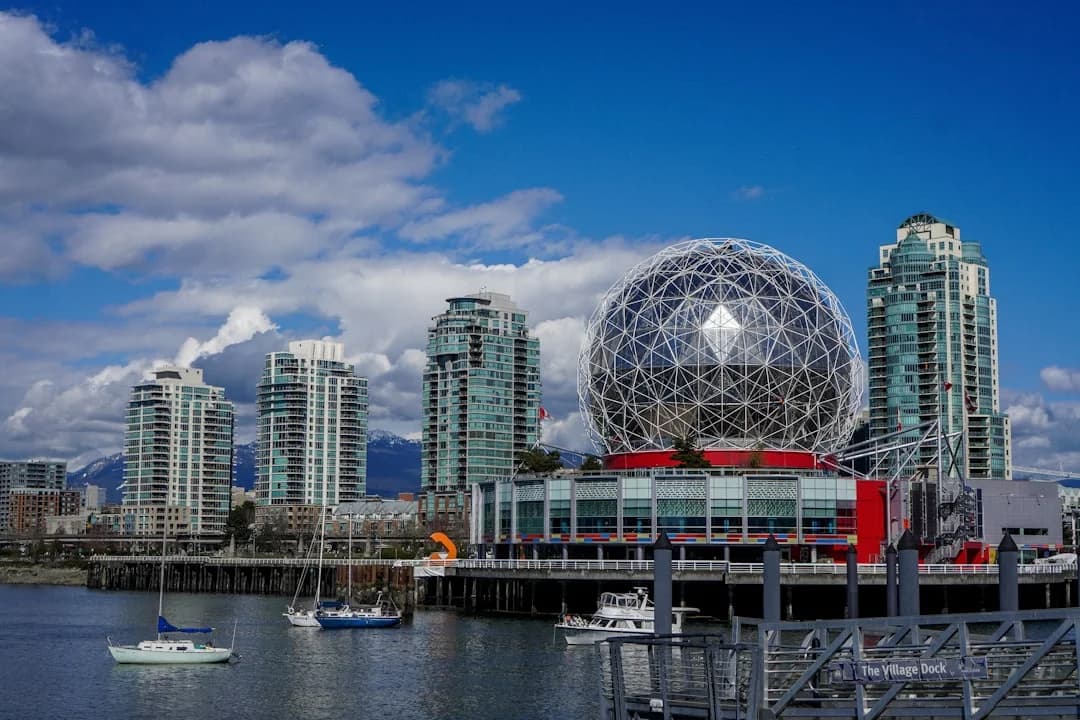
Photo by Chewool Kim on Unsplash
Vancouver Island craft beer expansion 2026 is shaping a nuanced story across British Columbia’s coastline. As the calendar turns to 2026, the island’s craft beer scene finds itself navigating a mixed landscape of closures, new partnerships, and a regulatory environment that could influence investments for years to come. In Nanaimo, Victoria, and smaller towns along the coast, breweries are recalibrating their growth expectations in response to shifting economics, rental pressures, and a rapidly evolving tourism market. This data-driven examination looks at who’s moving, who’s staying or stepping back, and what the near-term timeline suggests for the island’s beer enthusiasts and local economies. It also places the Vancouver Island craft beer expansion 2026 narrative within the broader provincial context of craft brewing’s growth, jobs, and policy shifts.
The island’s beer culture is deeply tied to tourism, local agriculture, and waterfront economies. In early 2026, industry observers note that the Vancouver Island craft beer expansion 2026 is less a single, headline-grabbing project and more a constellation of incremental moves: a mix of taproom openings, collaborations with tourism partners, and strategic closures that reflect the intensifying cost environment for small brewers. The year began with notable developments that have ripple effects for investors, hospitality operators, and beer fans alike. As one local industry veteran put it, the craft beer ecosystem on Vancouver Island remains dynamic, even when individual players exit or consolidate. This dynamic is part of a larger trend across British Columbia, where the craft beer sector has created tens of thousands of jobs and attracted substantial investment over the past decade, even as operators adapt to rising costs and regulatory changes. (britishcolumbia.ca)
The following analysis uses the most current verified information available to BC Times readers, with a focus on verifiable events, dates, and official statements. For readers seeking a quick summary, the opening news line is this: the Vancouver Island craft beer expansion 2026 is unfolding in a market of openness to new taprooms and coastal tours, but it’s also constrained by real estate pressures and the need for sustainable profitability. The year’s first big signal came from closures and realigned portfolios, alongside government and industry-facing policy updates that can influence investment decisions in the months ahead. (capitaldaily.ca)
Section 1: What Happened
Major market moves shape the island’s beer landscape
The Vancouver Island craft beer expansion 2026 narrative is not a single project but a set of simultaneous shifts. In January 2026, Vancouver Island’s brewing scene faced notable consolidation pressures, underscored by Lighthouse Brewing’s decision to close its Nanaimo brewery after 27 years. The closure marks a significant pause in one of the island’s longest-running craft portfolios and underscores the ongoing cost pressures facing even established players. Phillips Brewing, which recently highlighted the Lighthouse development in its communications, described the closure as a difficult but necessary step to ensure the broader Lighthouse portfolio’s legacy continues “in other forms.” This development is part of a broader pattern in the region, where long-standing island brands are adapting to rent pressures and production costs while trying to preserve their core lineups. The Lighthouse closure timeline places a sharp inflection point in early 2026 for Vancouver Island’s craft beer sector. (phillipsbeer.com)
In parallel, a broader context for the island’s brewing economy includes prior restructuring of island brands. In August 2024, Vancouver Island Brewing, historically a staple on the island, closed its beer operations due to rent increases and escalating production costs, signaling how external cost pressures can reshape the regional landscape. The 2024 decision illustrates the kind of financial reality that can influence 2026’s expansion plans—what gets funded, what gets shuttered, and which partnerships get prioritized as a way to sustain presence in the market. These events are part of the backdrop for the Vancouver Island craft beer expansion 2026, providing critical data points for analysts assessing the island’s long-term viability for new taprooms and production facilities. (capitaldaily.ca)
Notable partnerships and fresh alignments in 2026
Despite closures, 2026 has also seen strategic moves designed to bolster the island’s craft beer profile. Victoria Island Brewing, for example, with a recent partnership dynamic reported by industry outlets, has taken steps that could influence the breadth of beer tourism connections on the island. Reports around March 2026 noted Victoria Island Brewing aligning with a major local sports partnership, which can help drive cross-promotion between craft beer and regional events. While this isn’t a new brewery opening, it signals how the Vancouver Island craft beer expansion 2026 can ride a wave of cooperative marketing and tourism alignment to maintain relevance and foot traffic—even as standalone production capacity shifts. The partnership development occurs in a larger region-wide effort to spotlight BC’s craft beer trail through cross-promotions with sports teams and cultural events. (northwestbeerguide.com)
Beyond direct brewery moves, the island’s craft beer ecosystem is also seeing elevated attention from tourism and industry associations. The BC Craft Brewers Guild and Destination BC have historically supported multi-regional campaigns that encourage beer lovers to visit multiple island venues as part of a broader Vancouver Island craft beer experience. While not all campaigns are new in 2026, ongoing initiatives and renewed emphasis on regional “Ale Trails” and coastal tours are part of the strategic backdrop for Vancouver Island craft beer expansion 2026. These efforts aim to translate beer interest into tourism dollars, aligning with a wider provincial strategy to leverage craft beer as a regional draw. (bccraftbeer.ca)
A closer look at the cost environment and policy signals
The cost environment remains central to the Vancouver Island craft beer expansion 2026 story. In April 2026, federal tax relief for craft brewers was extended, addressing per-hectolitre tax adjustments and helping to stabilize cash flows for small producers. This policy move—visible in industry reporting around April 1, 2026—reduces the tax burden for craft brewers and can influence investment decisions, equipment upgrades, and expansion plans. This development is timely for island operators considering new builds or major renovations, as it helps forecast improved profitability for small to mid-sized operations. The policy signal is part of a wider federal effort to support Canadian craft brewers and reduce the cost of expansion for smaller players, which can indirectly support Vancouver Island’s expansion efforts in the longer term. (capitaldaily.ca)
Finally, a look at the broader provincial context reveals that BC’s craft beer industry remains a significant economic driver, even as individual companies experience volatility. A 2023 study highlighted that BC craft breweries supported thousands of jobs across the supply chain and that the sector contributed to the province’s GDP, underscoring why policymakers and investors monitor the island’s performance closely as part of the broader BC craft beer story. While not island-specific, these figures help frame the Vancouver Island craft beer expansion 2026 within a provincial growth trajectory that many stakeholders hope to maintain through careful strategic planning and targeted investments. (britishcolumbia.ca)
Section 2: Why It Matters
Economic impact on island communities

Photo by Chewool Kim on Unsplash
The Vancouver Island craft beer expansion 2026 carries tangible implications for island communities in the mid-to-long term. When a well-established brand like Lighthouse Brewing closes its Nanaimo operation, it can affect local employment, supplier demand, and the microecosystem of hospitality venues that rely on consistent beer offerings. The closure has ripple effects: local distributors must adjust to a narrower brand lineup, retailers recalibrate shelf space, and draft choices in many bars and restaurants may shift toward other regional producers or imported beers. This kind of market adjustment is not unique to the island; it mirrors broader shifts seen in BC’s craft beer sector during periods of cost pressure and portfolio recalibration. The relevant dates and statements around Lighthouse’s closure provide a concrete data point for this year’s market dynamics. (phillipsbeer.com)
On the other hand, the island’s economic landscape also benefits from policy interventions and tourism partnerships that aim to weave craft beer into broader economic development strategies. The April 2026 tax-relief extension for craft brewers, for example, reduces one of the recurring cost pressures that has historically constrained small producers. If implemented effectively, this policy could help sustain island breweries through expansion phases or fund upgrades to production facilities and distribution networks. The policy signal is particularly relevant for Vancouver Island craft beer expansion 2026 because it directly affects net profitability and the capacity to reinvest in new taprooms, expanded production, and enhanced distribution reach. (capitaldaily.ca)
Tourism, branding, and coastal economy considerations
Vancouver Island’s beer identity is tightly linked to its tourism brand, coastal culture, and the broader Pacific Northwest craft beer ecosystem. Partnerships between island breweries and tourism entities—such as Victoria Island Brewing’s collaboration with local sports teams or festivals—serve as organic catalysts for visitor traffic. These collaborations illustrate how the Vancouver Island craft beer expansion 2026 is as much about marketing and visitor experience as it is about brick-and-mortar growth. When breweries participate in coastal tours or cross-promotions, they help create an itinerary-like experience that can convert casual travelers into repeat visitors who combine beer tasting with outdoor recreation, culinary experiences, and arts and culture activities. The ongoing attention to these cross-promotions is a key element of the regional strategy to sustain demand for new taprooms and evolving beer experiences on the island. (northwestbeerguide.com)
Market observers also point to the island’s existing hospitality ecosystem as a limit and a lever for growth. In markets with high tourism seasonality, expansion plans often hinge on summer traffic and shoulder-season activities. The Vancouver Island craft beer expansion 2026 narrative must consider seasonal demand, restaurant partnerships, and the ability to convert tourists into long-term fans who may return for year-round events, new releases, and brewery tours. Industry data about BC’s craft beer sector—such as its job impact and GDP contribution—provide a macro view of why investors and governments are drawn to this space, while island-specific developments highlight the local nuance that makes Vancouver Island a micro-laboratory for craft beer tourism. (britishcolumbia.ca)
Industry resilience: adaptation, collaboration, and tech-enabled efficiency
Even as closures occur and production footprints shift, the Vancouver Island craft beer expansion 2026 story emphasizes resilience through adaptation. Breweries increasingly deploy technology and data-driven approaches to optimize supply chains, manage energy usage, and tailor marketing to coastal audiences. While not all island-specific case studies are public in 2026, the broader BC craft beer ecosystem has seen breweries invest in efficiency improvements and digital tools to manage operations more effectively. This trend aligns with a provincial and national pattern in which craft brewers adopt automation, inventory software, and data analytics to remain competitive in a market that rewards quality, consistency, and customer-centric experiences. For Vancouver Island, this could translate into more precise forecasting for seasonal demand, better alignment with seafood or tourism events, and improved distribution within Vancouver Island and the Vancouver Coast corridor. (britishcolumbia.ca)
Section 3: What’s Next
Near-term milestones and timelines
Looking ahead, the Vancouver Island craft beer expansion 2026 timeline will hinge on a few concrete milestones that readers should watch closely. First, any new taproom openings or expansions announced by island breweries will be a primary signal of growth. While there have been notable closures in early 2026, the industry is also pursuing partnerships and co-branded events to maintain visibility and drive foot traffic. The Victoria Island Brewing partnership signals a pathway for cross-promotion that could translate into joint events, seasonal releases, and tourism packages designed to attract visitors to multiple island venues in a single trip. If such collaborations scale, they could materially influence 2026 visitor counts and average spend per guest in island beer-focused tourism experiences. (northwestbeerguide.com)
Second, regulatory and policy developments at the federal level—such as the extension of tax relief for craft brewers—will shape near-term investment decisions. The April 2026 policy action lowers some cost barriers and improves post-tax cash flow for smaller producers, potentially enabling capital expenditure on new fermenters, packaging lines, or expanded distribution networks. The timing matters: in the months following the policy update, executives may reveal expansion plans or capital projects that were previously tentatively planned. Observers should monitor industry reports and company disclosures for announcements that tie directly to 2026 expansion capabilities on Vancouver Island. (capitaldaily.ca)
Third, the island’s tourism ecosystem will influence the pace of expansion. If coastal tourism continues to rebound and if island operators capitalize on cross-promotional opportunities (sports partnerships, music and cultural events, and festival collaborations), the Vancouver Island craft beer expansion 2026 could accelerate through 2027 as new venues and tours come online. The island’s geography—with dense urban centers like Victoria and growing regional hubs such as Nanaimo—offers a unique mix of markets for taprooms, distribution partners, and seasonal tours that appeal to both local residents and visitors. While it’s too early to declare a definitive timetable for every potential project, the combination of policy support and tourism-driven demand creates a favorable context for measured growth in the near term. (northwestbeerguide.com)
Potential growth areas and risks to watch
The Vancouver Island craft beer expansion 2026 may find opportunities in several growth areas. One is the continued development of coastal brewery partnerships, including cross-brand collaborations with local restaurants, hotels, and tourist attractions. Island brewers could also look to diversify product lines through small-batch experimental releases and co-labs with other BC breweries, creating a network effect that strengthens the island’s craft beer identity. A second area is the expansion of distributive footprints to wider distribution—potentially including grocery or major retailer partnerships—enabled by policy changes that improve profitability for small producers. Third, tourism-linked experiences like guided brewery tours, beer-paired dinners, and festival-style events could become more standardized offerings, supporting both revenue and guest acquisition.
However, risks remain. The closures in 2024–2026—such as Vancouver Island Brewing and Lighthouse—underscore the fragility of small-brewery economics in the face of rising real estate costs, energy costs, and supply chain volatility. The industry must balance ambition with prudent financial planning and diversified revenue streams. Additionally, global supply chain pressures and fluctuations in barley, hops, and other inputs could influence pricing and production planning for island breweries. The Vancouver Island craft beer expansion 2026 landscape thus requires careful risk assessment and contingency planning from operators and investors alike. (capitaldaily.ca)
What’s Next: Timeline and Next Steps
- Q1 2026: Policy updates and market signals. The federal tax relief extension for craft brewers provides a backdrop for potential expansions and capex decisions. Industry observers will monitor whether island breweries announce new production lines, capacity upgrades, or distribution deals in the wake of policy changes. (capitaldaily.ca)
- Q2–Q3 2026: Tourism-driven promotions and partnerships. The Victoria Island Brewing collaboration context suggests a continuing emphasis on cross-promotional initiatives with local teams and events that can funnel visitors into multiple island venues. Expect more joint events, seasonal releases, and possibly multi-venue itineraries designed to harness the island’s scenic and culinary appeal. (northwestbeerguide.com)
- Late 2026: Market recalibration and potential openings. Depending on economic conditions and real estate availability, select island venues may announce additional taproom openings or expansions, while others may consolidate to optimize profitability. The net effect would be a broader, more sustainable Vancouver Island craft beer expansion 2026 footprint that emphasizes quality, guest experience, and scalable distribution.
Closing
The Vancouver Island craft beer expansion 2026 narrative is not a single headline but a tapestry of developments across a region known for its maritime culture, food and beverage scene, and a growing tourist economy. The year has already brought meaningful signals: closures that remind us of the market’s fragility, positive policy signals that could ease expansion costs, and strategic partnerships that bode well for tourism-linked growth. For readers and industry watchers, the key takeaway is that Vancouver Island’s craft beer landscape remains active and adaptive, with opportunities for measured growth even as operators navigate cost pressures and the evolving tastes of beer enthusiasts. As the season unfolds, BC Times will monitor new taproom openings, distribution deals, and coastal-tourism initiatives that help define the Vancouver Island craft beer expansion 2026 in real time, ensuring readers stay informed about the latest data-driven developments on the island.

Photo by Pascal Bernardon on Unsplash
If you’re looking to plan a beer-focused visit to Vancouver Island in 2026, consider pairing coastal routes with brewery visits, seasonal releases, and the island’s vibrant hospitality scene. From Victoria to Nanaimo and beyond, the craft beer ecosystem on Vancouver Island continues to evolve, supported by policy changes and tourism partnerships that align with the island’s broader economic development goals. Readers are encouraged to subscribe to BC Times for updates on new taprooms, collaborations, and market analyses that illuminate how the Vancouver Island craft beer expansion 2026 unfolds across the year.
"Lighthouse’s legacy will live on in other forms," a Phillips spokesperson said as the Nanaimo brewery wound down its operations in early 2026, underscoring the industry’s commitment to preserving beloved brands while pursuing sustainable growth. (phillipsbeer.com)
The 2024 closure of Vancouver Island Brewing due to rising rents serves as a sentinel event for the island’s craft beer economy, illustrating the real costs behind growth ambitions on the coast. (capitaldaily.ca)